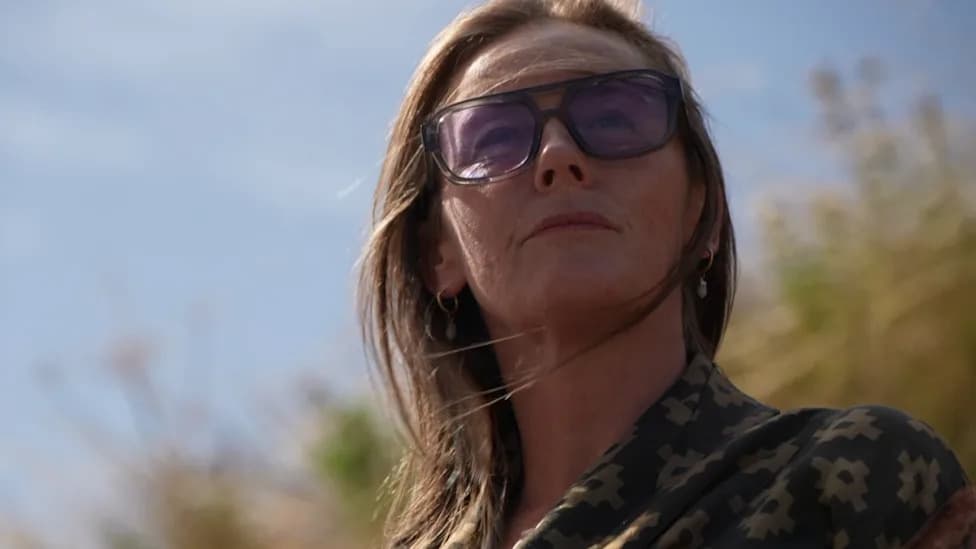
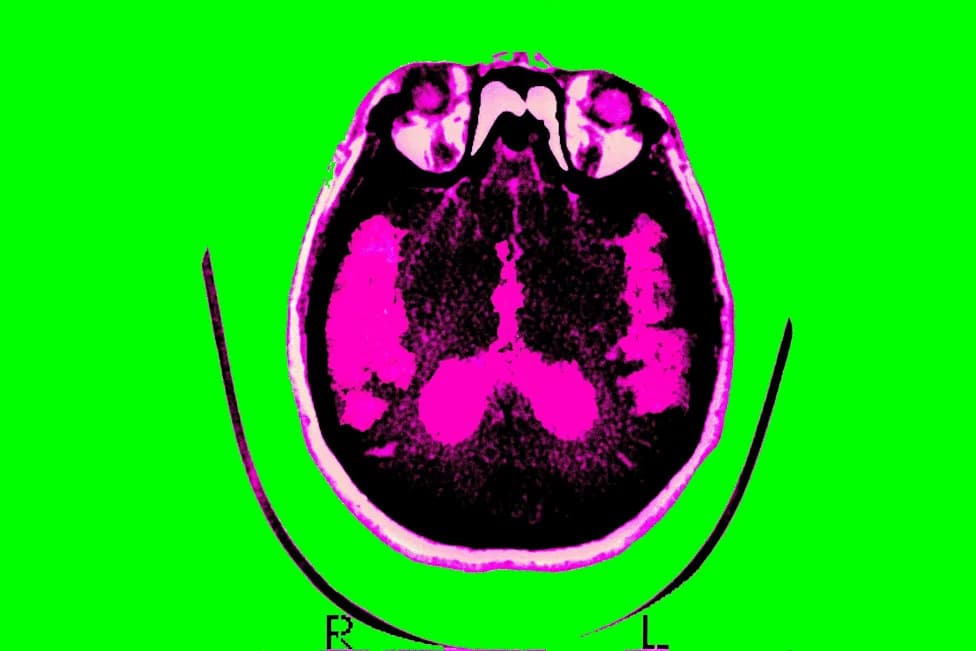
Jules Hobbs, who has lived with MS for nearly 20 years and is partially blind, says she is "really hopeful" after NHS England approved Fampridine (dalfampridine), a drug that can improve nerve signalling and walking in some patients. Clinical trials showed about 4 in 10 people had gains in walking speed and distance, but the treatment does not help everyone. Around 120,000 people in England have MS, and roughly 5,000 people a year are expected to be eligible for the drug on the NHS.
“Really Hopeful”: Partially Blind MS Patient Sees New NHS Drug Fampridine As A Chance To Walk Better
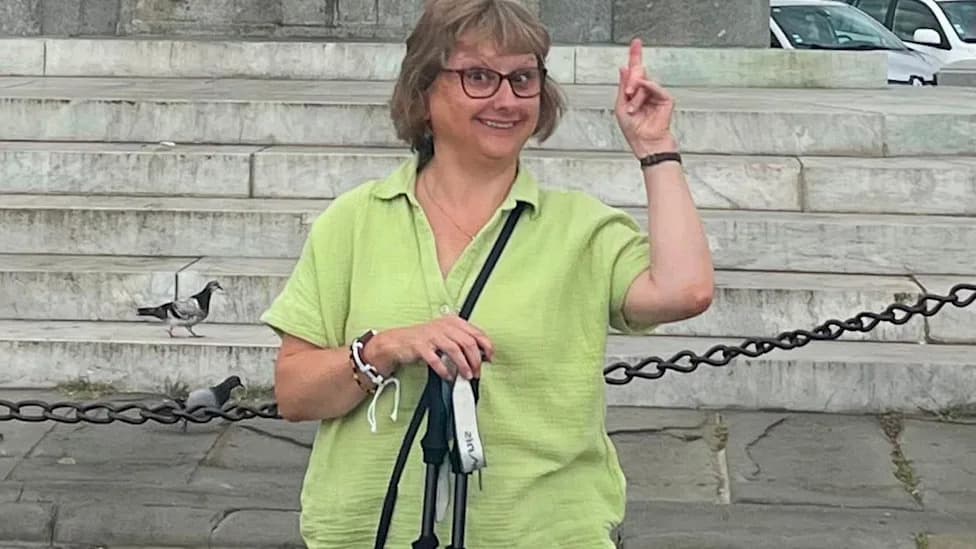
Actor Jules Hobbs from Wiltshire says it is great that Frampradine is now available on the NHS in England [Handout]
Jules Hobbs, a partially blind woman from near Devizes in Wiltshire who has lived with multiple sclerosis (MS) for almost 20 years, says she is "really hopeful" after NHS England approved access to Fampridine (also called dalfampridine), a medicine that can improve nerve signalling and — for some patients — restore some walking ability.
How the Drug Works
Fampridine is often described as a "signal booster." It helps electrical impulses travel along nerve fibres that have been damaged by the loss of myelin, the protective sheath around nerves. By improving conduction, the drug can sometimes enhance the precise muscle control needed for walking.
Who Might Benefit
Clinical trials found that roughly four in 10 people treated with Fampridine experienced measurable improvements in walking speed and the distance they could walk. However, clinicians stress that it does not work for everyone.
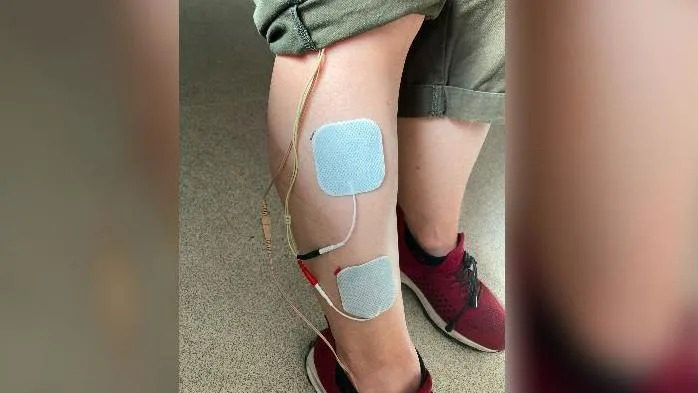
Hobbs currently uses a wearable electrical muscle stimulation device on her leg to help it move [Jules Hobbs]
Prof Frankie Swords, the NHS national medical director, said: "Walking difficulties can have a huge impact on the freedom and independence of people with MS, so this signal-boosting pill could be life-changing for thousands of patients."
Real-World Experiences
Not every patient benefits. Emma Richards, from Gloucester, who paid for the drug privately around a decade ago, says she saw no improvement and was disappointed after being told it might be a "miracle" treatment. Still, Richards welcomed wider NHS access, noting that the drug does help many other people.
Jules Hobbs lost sight in her right eye in 2007 and received an MS diagnosis after several years of testing. During the Covid pandemic her right leg "stopped working," and she now uses a functional electrical stimulation (FES) device to help the limb move and to continue working in her chosen field. She sometimes uses walking poles to help with balance and has had to step back from public performance work.
Scale And Access
More than 120,000 people live with MS in England, but NHS eligibility criteria mean only about 5,000 people a year are likely to qualify for Fampridine based on the severity of their walking difficulties. England is later than Scotland, Wales and Northern Ireland in making the treatment available on the NHS, where it has already been offered for several years.
Hobbs accepts the possibility the drug might not help her personally, but she remains optimistic: "Of course it will be disappointing if it doesn't work, but I would just have to handle it in the way that I've handled it all so far. I'm really hopeful."
Help us improve.