After decades of slow progress, Alzheimer’s research is gathering momentum. Two FDA-authorized drugs, lecanemab and donanemab, reduce amyloid plaques and slow cognitive decline modestly. Scientists are expanding focus to tau, inflammation, and vascular risk, and are studying whether GLP‑1 drugs may reduce dementia risk. A dramatic but unverified surgical claim from China has attracted interest and skepticism; rigorous replication and safety data are still needed.
New Hope for Alzheimer’s: Two FDA-Approved Drugs, GLP‑1 Research, and a Controversial Surgical Claim
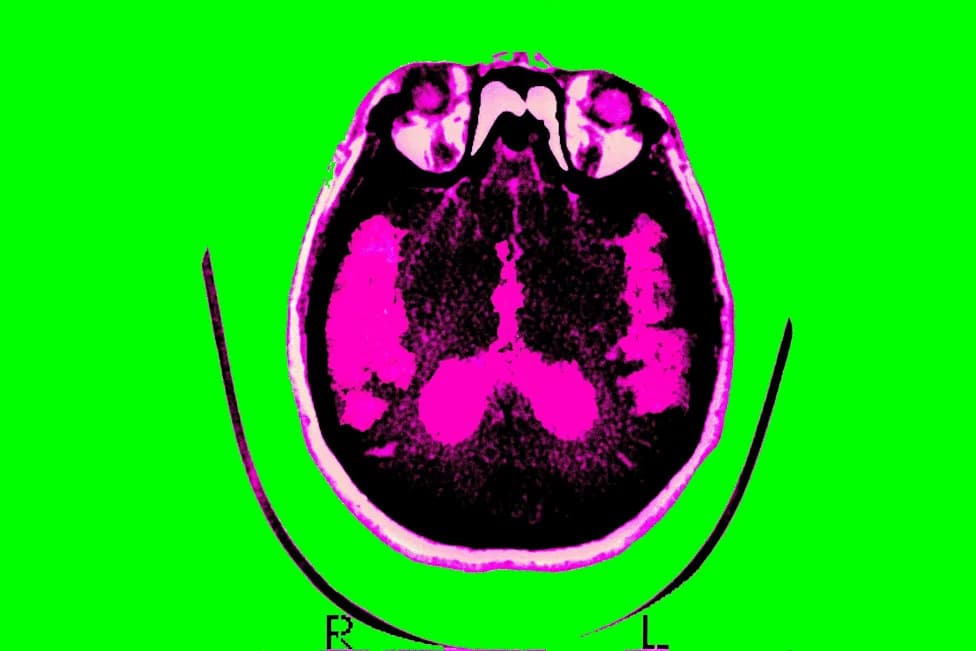
A scan of the brain of a patient affected by Alzheimer's disease. | BSIP/UIG Via Getty Images
After decades of frustratingly slow progress and occasional scientific misconduct, Alzheimer’s research is showing signs of real momentum. More than 7 million Americans live with Alzheimer’s disease—the leading cause of dementia—and the field now has new, targeted therapies and several promising lines of research that could change care over the next decade.
Approved Drugs Mark a Turning Point
Two drugs recently authorized by the U.S. Food and Drug Administration, lecanemab and donanemab, directly target amyloid plaques, a hallmark of Alzheimer’s long studied under the amyloid hypothesis. Clinical trials showed that both agents can reduce amyloid deposits and modestly slow cognitive decline in some patients.
“If somebody walks into a clinic right now and is diagnosed with Alzheimer’s disease, these drugs will hopefully have some effect in slowing down their cognitive decline,”
While these results are important, experts emphasize that the clinical benefits are modest and that both medicines require careful monitoring for safety concerns seen in amyloid-targeting therapies, such as brain swelling or bleeding (amyloid-related imaging abnormalities). Long-term effects, cost, and access remain open questions.
Broader Biology: Beyond Amyloid
Researchers increasingly view Alzheimer’s as a multifactorial disease. In addition to amyloid, attention is turning to:
- Tau Proteins: Abnormal tau accumulations correlate closely with neuronal damage and symptoms; tau-targeting drugs are in early trials.
- Chronic Inflammation: Immune and inflammatory pathways in the brain may drive progression.
- Vascular Health: Cardiovascular risk factors—high blood pressure, diabetes, obesity—affect brain health and dementia risk.
Some scientists now hope future treatment will resemble modern cancer care: combination regimens that attack multiple disease mechanisms simultaneously.
Repurposed Drugs: GLP‑1s Under Investigation
Another intriguing possibility comes from drugs already used for diabetes and weight loss: GLP‑1 receptor agonists. Because these drugs can reduce weight and improve metabolic and vascular risk factors, researchers hypothesize they might lower long-term dementia risk. The Alzheimer’s Association has committed $100 million to study this potential link.
At present, evidence is preliminary and largely theoretical. Large, long-term observational studies and randomized trials will be needed to determine whether widespread GLP‑1 use meaningfully affects Alzheimer’s incidence.
A Controversial Surgical Claim From China
More dramatic—and far more controversial—are reports from China of an experimental neurosurgical procedure that purportedly produced striking patient recoveries. Videos and case reports claim that surgeons placed a drain intended to help clear amyloid and tau proteins, and that some patients showed rapid improvements in cognition and recognition.
Those reports have generated both excitement and deep skepticism. The original researcher has reportedly been detained on nonmedical charges, Chinese regulators have sought to restrict the procedure to clinical trials, and independent replication and rigorous safety data are lacking. Scientists outside China are conducting follow-up studies, but the evidence remains unverified.
Where Things Stand and What Comes Next
Experts caution against premature optimism: reversing established Alzheimer’s remains out of reach today. Still, the field’s expanded focus—new drugs, combination strategies, repurposed medications, and novel surgical ideas—creates cautious hope that progress will accelerate. The ultimate goal is restoring identity and function to people with Alzheimer’s, a motivation that continues to drive researchers worldwide.
Bottom line: Recent FDA approvals and multiple new research directions offer reason for cautious optimism, but important questions about safety, long-term benefit, access, and verifiable evidence (especially for the surgical claims) remain.
Help us improve.