The UK has launched preparations for a £2.3m, five-year clinical trial testing a 12-week, personalised endometriosis pain management programme (e-PMP) led by the University of Aberdeen and NHS Grampian. The e-PMP pairs medication strategies with CBT-informed therapy, specialist physiotherapy and relationship guidance to help women whose pain persists despite surgery or drugs. Pre-menopausal participants will receive either e-PMP plus standard care or standard care alone, with outcomes and cost-effectiveness compared. Clinicians and patient groups say the trial could provide a vital non-surgical option to improve long-term quality of life.
UK Trial Offers New Hope: 12-Week Personalised Pain Programme Could Transform Endometriosis Care

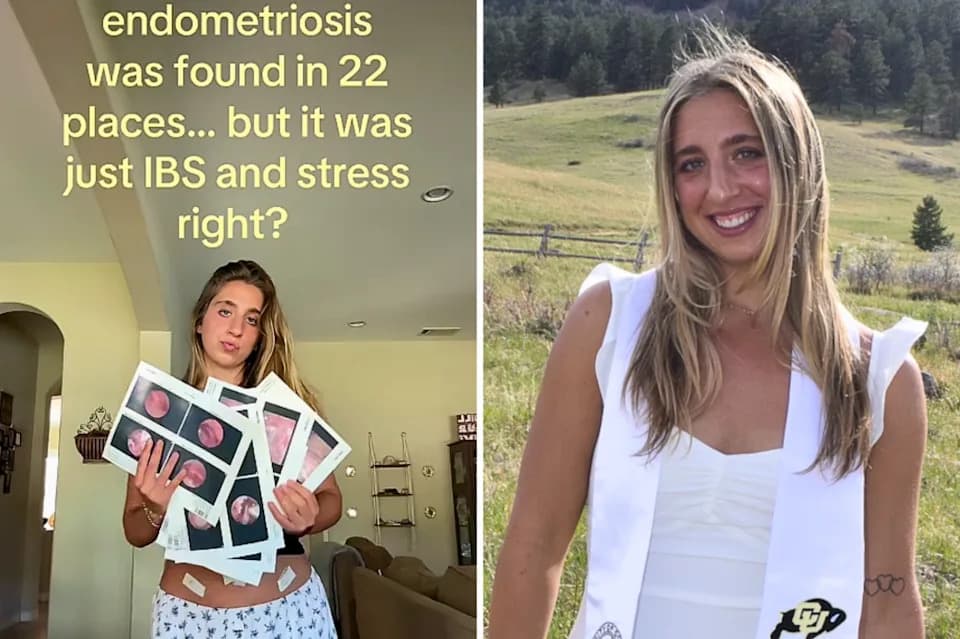
Charlotte McCann said the trial gave her hope for the future [Charlotte McCann]
Charlotte McCann has endured crippling endometriosis pain since she was 14. Now 27 and living with stage 4 disease, she says the condition forced her to leave a corporate finance career and work only sporadically as a freelance pet-sitter. Severe flare-ups have left her vomiting through the night, unable to stand or get out of bed, and reliant on strong opioid painkillers that cause nausea and weight loss.
What Is Endometriosis?
Endometriosis is not simply a painful period. It is a systemic inflammatory condition in which tissue similar to the uterine lining implants and grows elsewhere in the body, including the bladder, bowel and, in rare cases, the lungs. These implants can form painful, inflamed lesions and cause chronic, life-altering symptoms. Many people wait years for an accurate diagnosis, and there is currently no cure.
The New Trial: e-PMP
Preparatory work has begun on a UK-wide, five-year clinical trial funded by the National Institute for Health and Care Research (NIHR). With a budget of £2.3m, the study is led by the University of Aberdeen and NHS Grampian and will evaluate a 12-week, endometriosis-specific pain management programme (e-PMP).
The personalised e-PMP combines medication strategies with non-surgical interventions, including cognitive behavioural therapy (CBT)-informed psychotherapy, specialist physiotherapy, and practical guidance on relationships, intimacy and communication. The programme also seeks to manage medication side effects and offer alternatives for women whose pain is not adequately controlled by surgery or standard drug treatments.
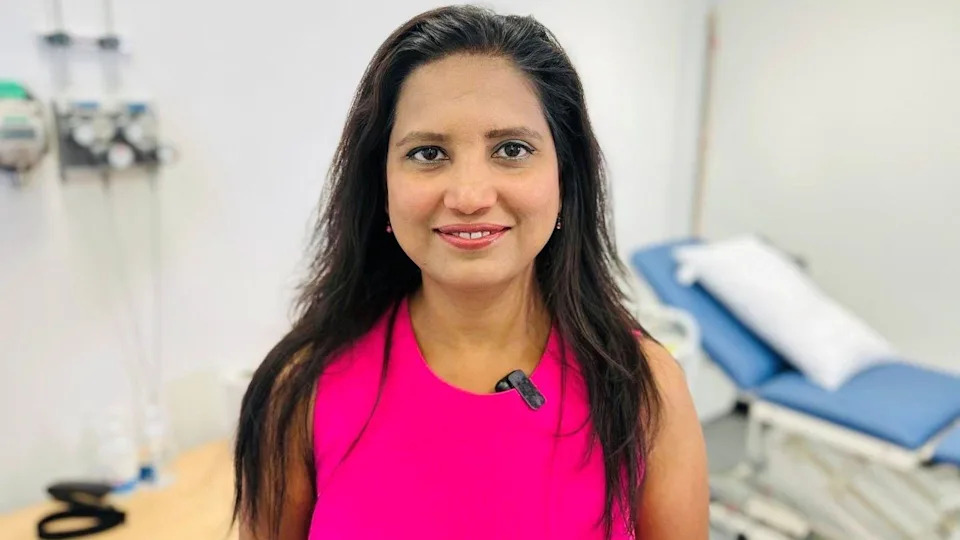
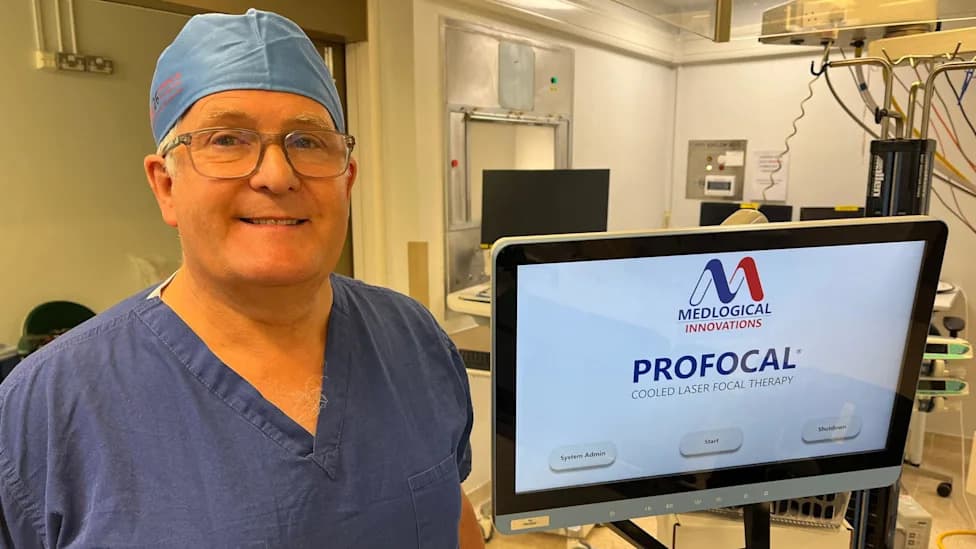
Dr Lucky Saraswat is leading the new study [BBC]
Who Will Take Part?
Pre-menopausal women whose pain persists despite surgery or medication will be recruited by their specialists. Participants will be randomly assigned to receive either the 12-week e-PMP plus standard care or standard care alone; the two approaches will then be compared to assess clinical outcomes and cost-effectiveness.
'Endometriosis is one of the most common yet under-researched causes of chronic pain. Many women continue to suffer even after surgery or medication,' said consultant gynaecologist Dr Lucky Saraswat, who is leading the study. 'This study will help us understand whether a tailored, interdisciplinary pain management programme can offer meaningful, long-term improvements in quality of life.'
Professor Anthony Gordon, director of NIHR's health technology assessment programme, highlighted the need for high-quality research to break the cycle of prolonged suffering and limited long-term options. Endometriosis UK chief executive Emma Cox welcomed the trial and said the organisation looks forward to working with the research team.
Why This Matters
For patients like Charlotte, who have tried surgery without lasting relief and now cope with the side effects of strong painkillers, e-PMP represents a hopeful, non-surgical alternative that could improve daily functioning and quality of life. The trial will also examine whether the programme is cost-effective and scalable within the NHS if results prove positive.
Preparatory recruitment is under way across specialist centres in the UK. If successful, e-PMP could become an important addition to the care options offered to people living with endometriosis, especially those seeking to avoid repeated surgeries or hormonal treatments or who are planning pregnancy.
Help us improve.