Psychedelic-assisted therapy is transitioning from unregulated retreat settings to structured clinical trials as researchers test whether psilocybin and DMT can treat depression and other conditions. Newcastle's CaPE clinic runs supervised eight-hour dosing sessions combined with extensive psychological support. Early results are promising for some patients, but experts warn against unregulated retreats and say licensing and regulatory hurdles must be resolved before treatments could join routine NHS care.
From Amazon Retreats To NHS Trials: The Rising Promise And Perils Of Psychedelic Therapy
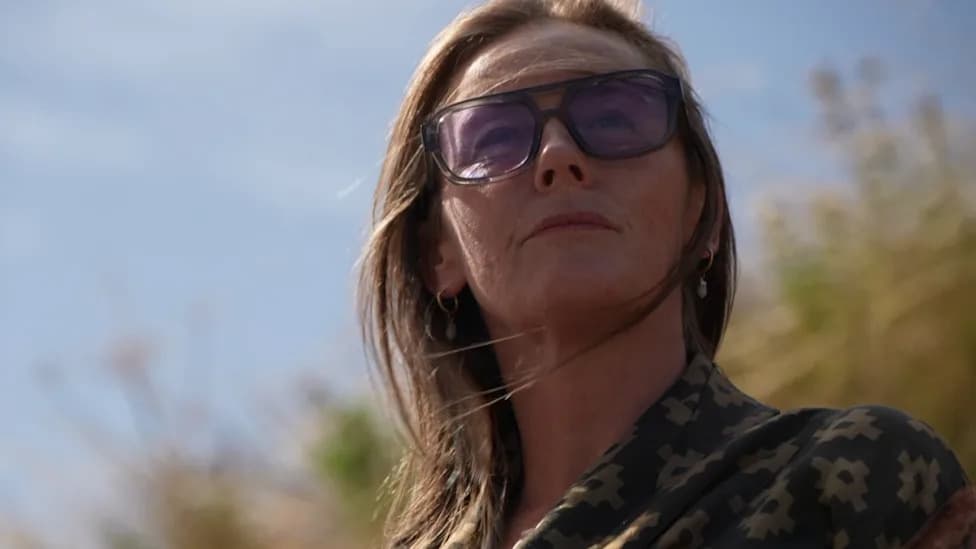
Claire Torpey attended retreats in Central and South America where participants legally take psychedelics as part of guided therapeutic programmes [BBC]
Psychedelic-assisted therapy — once associated mainly with Amazonian retreat centres and countercultural movements — is moving into formal clinical research as scientists investigate whether substances such as psilocybin and DMT can help treat depression and other mental health conditions.

Ayahuasca is a traditional Amazonian brew containing the psychedelic compound DMT [Getty images/ Mark Fox Photography]
From Retreats To Clinical Trials
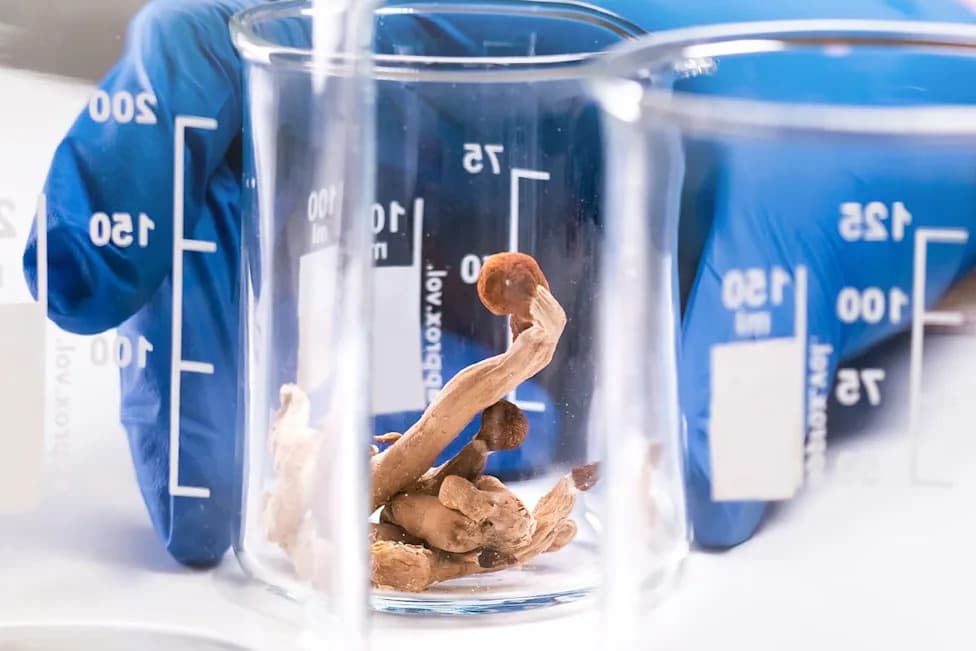
Claire Torpey, from Tynemouth, had tried conventional mental health support, including counselling, but continued to struggle with chronic anxiety and deep sadness after a difficult childhood and bereavements. Seeking alternatives, she travelled to South and Central America to join guided retreats where psilocybin (found in "magic" mushrooms) and ayahuasca (an Amazonian brew containing DMT) are legally administered as part of therapeutic programmes.
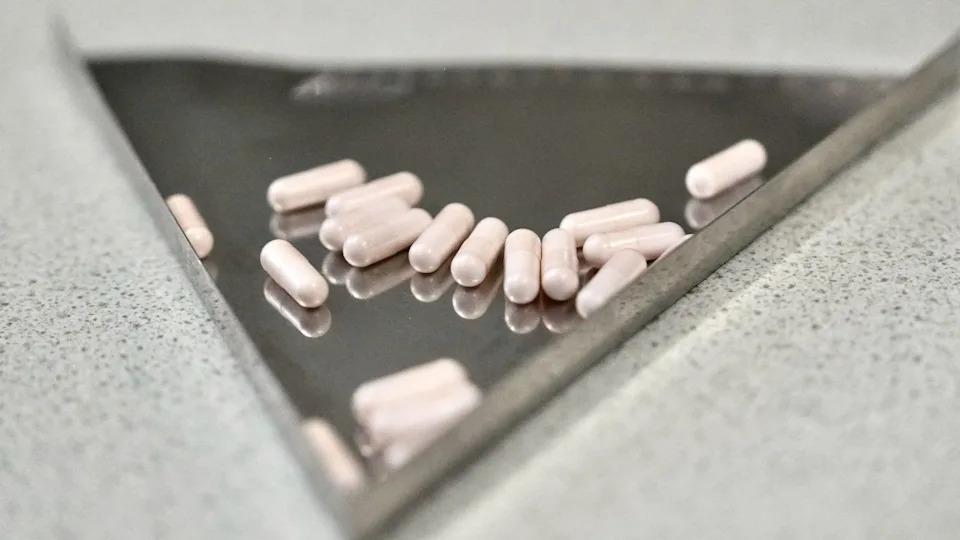
Participants to the clinical trial are given psilocybin in capsule form [BBC]
“It wasn't until I started taking these medicines that it started to lift. I started to find a place of peace and happiness. It took me on a journey of forgiveness,” Claire says.
While some attendees report transformative outcomes, experts warn that unregulated retreats carry serious risks — there have been reports of harm and even deaths associated with poorly supervised ceremonies abroad.
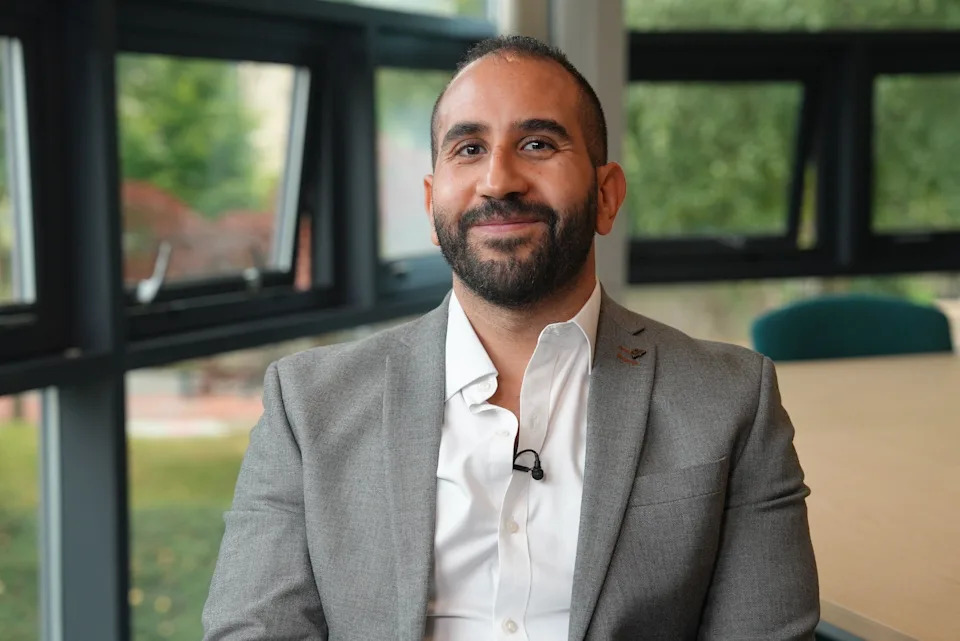
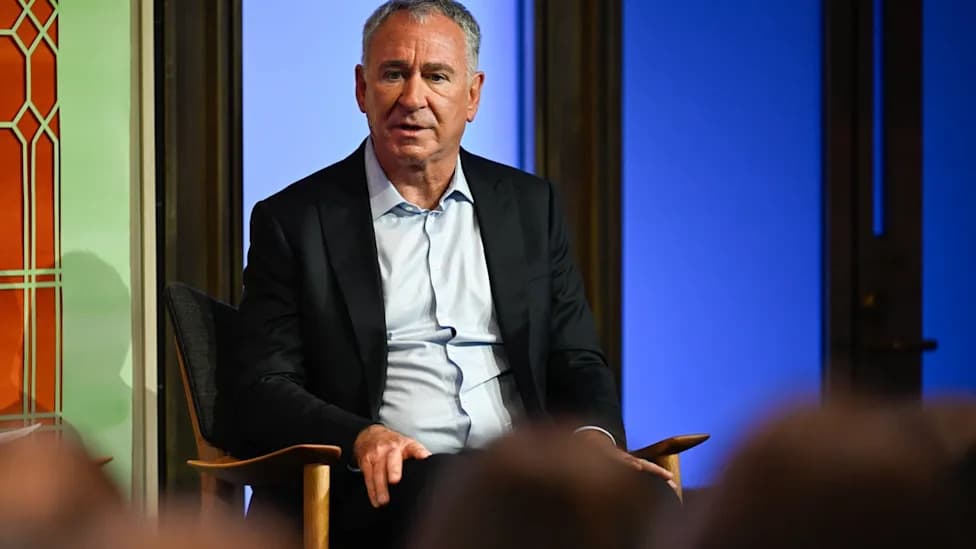
Lead researcher Dr Mourad Wahba says obtaining licences to work with Schedule 1 substances can significantly delay studies [BBC]
What Trials Look Like In The UK
In the UK, psilocybin and DMT remain Class A, Schedule 1 drugs, legally designated as having no recognised medical use. Despite this classification, clinical research is under way. At Newcastle's Care Pathway Enhancement (CaPE) Clinic, run by Cumbria, Northumberland, Tyne and Wear NHS Foundation Trust, researchers are testing whether psilocybin can help people with depression.
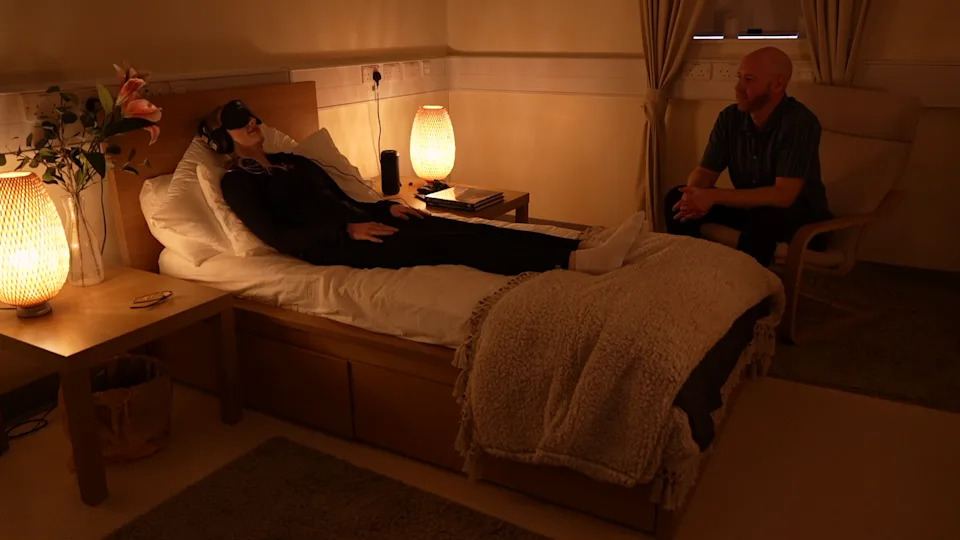
Participants can spend up to eight hours in a specially designed dosing room under the supervision of therapists [BBC]
Trials provide participants with a capsule of psilocybin followed by an extended, supervised dosing session in a specially designed room. Sessions can last up to eight hours, and participants receive thorough screening, preparation and follow-up therapy.
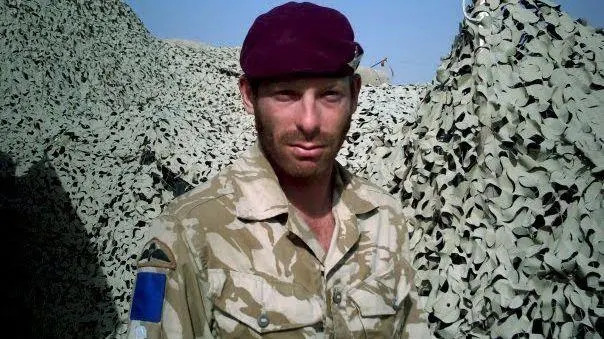
Keith J Abraham said he turned to psychedelic therapy after struggling with the effects of military service [supplied]
How Psychedelics May Help
Researchers describe a therapeutic mechanism in which psychedelic compounds temporarily disrupt rigid patterns of thinking and emotion, enabling people to revisit and reframe distressing memories and behaviours. Some use the metaphor of a snow globe: the experience agitates entrenched thoughts so they can settle into new configurations.
“The idea is that through having this experience, people can change their behaviours and patterns of thinking,” says consultant psychiatrist Dr Mourad Wahba, who leads the research in Newcastle.
Safety, Regulation And Caution
Clinicians emphasise that psychedelic-assisted therapy is not a simple cure. Clinical psychologist Tom Sharp, who helps facilitate the trials, warns: this is not a silver bullet. Participants are closely monitored throughout, and the therapeutic model combines the pharmacological experience with substantial psychological support.
Regulatory requirements add complexity. Dr Wahba notes that licensing to work with Schedule 1 substances can significantly delay studies, creating administrative barriers even when early safety data look encouraging.
Support, Advocacy And Ethical Concerns
The Royal College of Psychiatrists has called for more research into psychedelics such as psilocybin while cautioning strongly against self-medication and unregulated treatments overseas. Charities and advocacy groups, including Heroic Hearts Project UK and the cancer charity Yes To Life, are exploring therapeutic uses for veterans and people facing terminal illness, arguing that properly supervised treatment could alleviate trauma, existential distress and end-of-life anxiety.
“We shouldn't come into this assuming that all of our problems will be resolved. But life can be very much improved,” says Keith John Abraham, founder of Heroic Hearts Project UK, reflecting both optimism and caution.
Looking Ahead
Researchers hope that, if larger trials confirm safety and effectiveness, psychedelic-assisted therapies could one day join the range of NHS treatment options, offering patients additional choices. The Home Office says it is considering advice to reduce barriers to research while keeping safeguards in place, and the Medicines and Healthcare products Regulatory Agency (MHRA) supports clinical research — but regulators stress that it is still too early to know whether these treatments will become routinely available.
Key takeaways: early clinical results are promising for some patients, therapies are highly structured in clinical settings, regulatory and ethical safeguards are essential, and unregulated retreats carry real risks.
Help us improve.