K-9 (kamuvudine-9), a modified antiviral related to HIV drugs, reversed vision loss and paralysis in mice with MS-like disease by blocking an inflammasome-mediated cell-death pathway. Preclinical data showed protection and partial recovery of axons and myelin, while health-record analyses linked related antivirals to fewer MS cases and relapses in people. Researchers hope to begin human trials for MS and other inflammasome-driven neurodegenerative diseases.
Modified HIV Drug Reverses Vision Loss and Paralysis in MS-Like Mice, NIH Study Finds
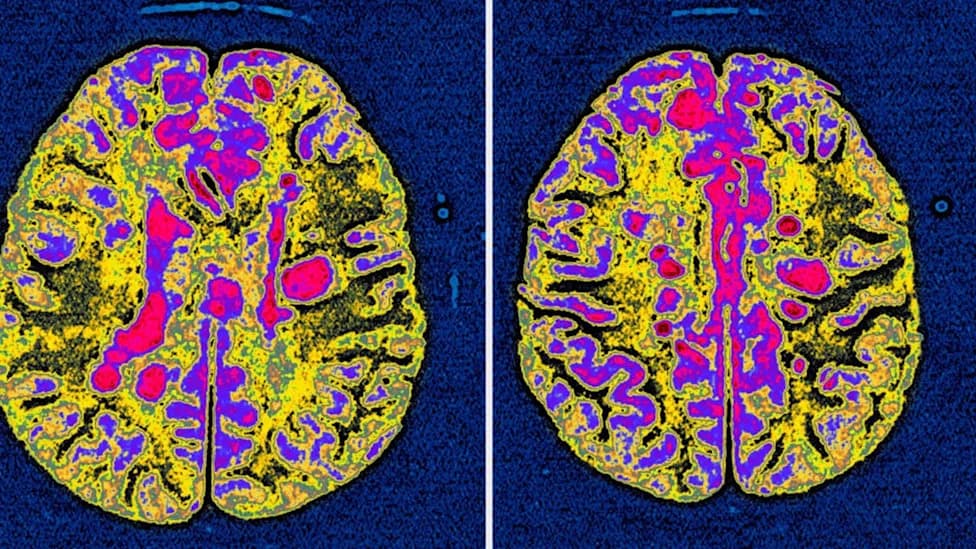
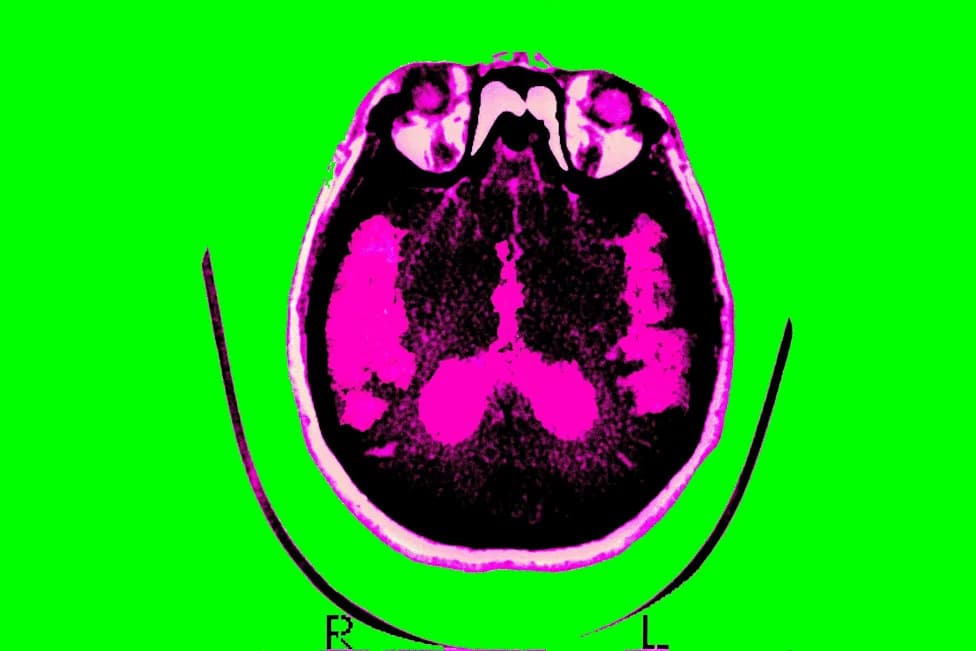
FILE - Myelin, The Protective Sheath Covering Nerve Cells In The Brain And Spinal Cord Is Slowly Replaced By Sporadic Patches Of Scar Tissue Sclerosis, Thus Progressively Paralyzing The Central Nervous System. Sclerotic Plaques In White. Cranial Ct Scan, Axial View. (Photo By BSIP/UIG Via Getty Images)
Researchers report that a modified antiviral, kamuvudine-9 (K-9), reversed vision loss and paralysis in mice with symptoms resembling multiple sclerosis (MS), according to a National Institutes of Health (NIH) news release.
Study Findings
In laboratory models, treatment with K-9 not only halted disease progression but partially restored neurological function that had already been lost. Investigators say the drug works by blocking an inflammasome-driven damage pathway in the brain and spinal cord — an inflammatory "alarm" that can trigger nerve-cell death and myelin destruction.
How It Works
Rather than broadly suppressing the immune system, K-9 appears to prevent activation of the inflammasome, protecting axons (nerve fibers) and their myelin sheaths from inflammatory injury. In treated animals, researchers observed protection of nerve wires and their insulating coatings and measurable recovery of function.
"The remarkable reversal of some of MS's most severe complications in animals, taken together with this drug's promising safety profile, present a very compelling translational pathway," said Michael F. Chiang, M.D., director of the NIH's National Eye Institute.
Human Data & Clinical Implications
Complementary analyses of health records showed that people taking related antiviral drugs for other conditions had lower rates of developing MS and experienced fewer relapses, lending supportive human data to the animal findings. Because K-9 targets a downstream damage mechanism instead of broadly weakening immune defenses, researchers believe it could offer a new therapeutic approach that preserves immune competence while preventing neuronal loss.
Next Steps
Given the encouraging preclinical results and supportive signals from prescription data, investigators hope to advance K-9 into human clinical trials for multiple sclerosis and potentially other neurodegenerative diseases marked by inflammasome activity, such as amyotrophic lateral sclerosis (ALS).
Source: National Institutes of Health news release; background material from the National Multiple Sclerosis Society. Reporting from San Jose.
Help us improve.