Six-year-old Partaap has been diagnosed with an ultra-rare form of Juvenile ALS, with only around 40–50 cases reported globally. Doctors advised palliative care, but his family have refused to accept that as the only option and are pursuing experimental gene-targeting therapies. They are seeking to raise £1 million to fund a specialist treatment in the United States tailored to his genetic variant while managing mounting care costs. The MND Association says targeted approaches such as antisense oligonucleotides are one promising research avenue.
Family Racing To Fund Experimental Gene Therapy For Six-Year-Old With Ultra-Rare Juvenile ALS
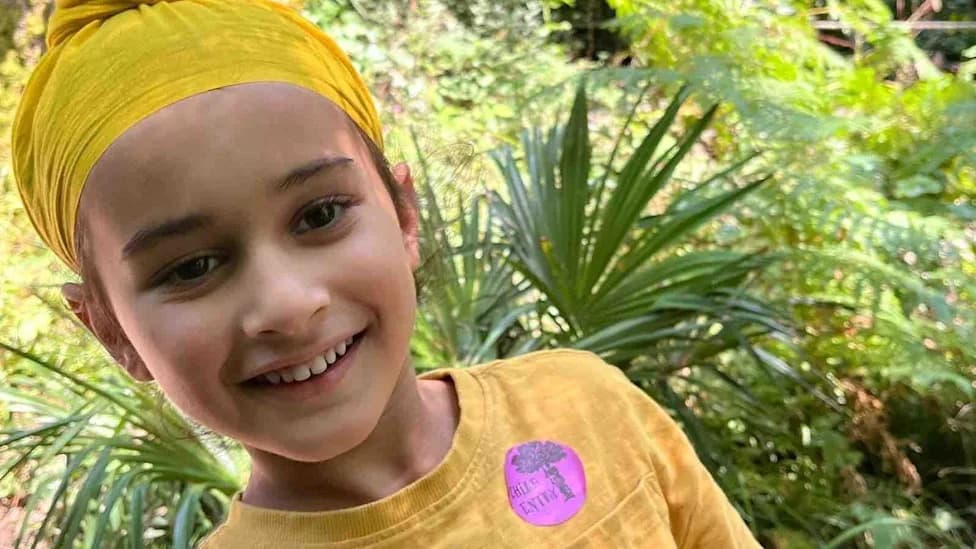
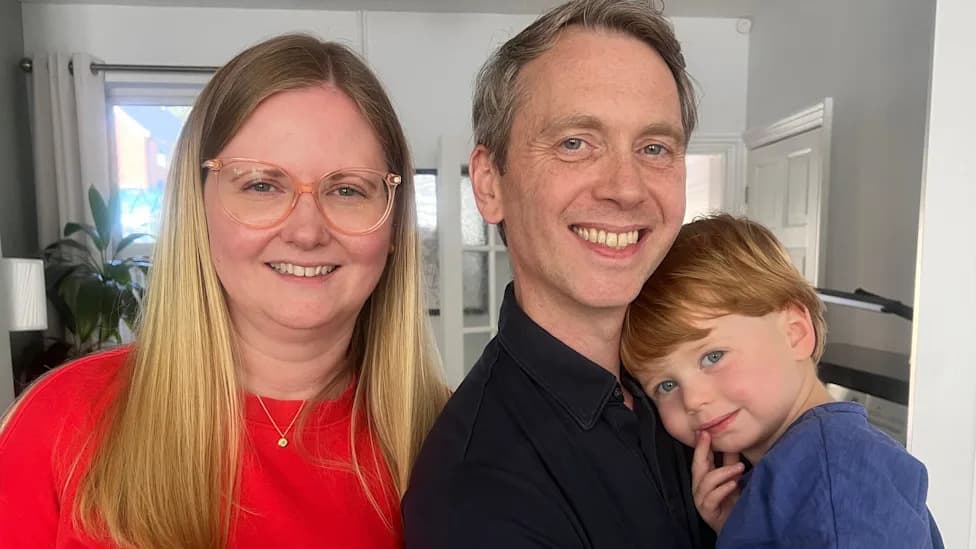
Partaap is believed to be the youngest person in the UK living with the rare condition [Family]
When six-year-old Partaap began to struggle to stand, climb stairs and keep up with everyday activities, his parents feared something serious. Months of hospital visits and tests followed, and in January genetic results confirmed their worst fears: Partaap has an extremely rare form of Juvenile ALS, a paediatric variant of motor neurone disease (MND), according to the NHS.
Doctors told the family there is currently no cure and recommended focusing on palliative care to manage symptoms. The diagnosis — believed to affect only about 40 to 50 children worldwide — is thought to make Partaap the youngest person in the UK living with this variant.
Family Response: Hope Over Resignation
"As parents, hearing this felt like the ground disappeared beneath us," said his mother, Gurbinder, a West Midlands Police inspector. She described Partaap as "courageous, patient and unbelievably strong." Determined not to accept palliative care as the only option, the family has turned to clinical research and experimental approaches in the hope of slowing or halting the disease.
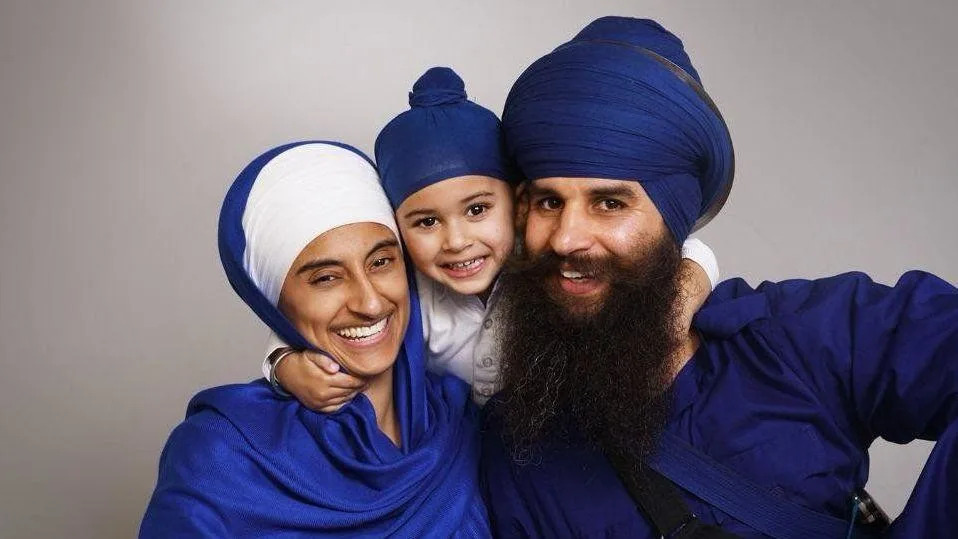
Partaap's family say they are refusing to give up hope following his diagnosis [Family]
What Partaap Is Facing
Partaap can now only walk for a few minutes before tiring and has difficulty balancing, but his family say he remains fiercely independent and still insists on playing football with his younger brother when he can. "Every month that passes, we risk losing more of our son's abilities," Gurbinder said. The family have launched a campaign to raise funds while juggling ongoing expenses for care, therapies, specialist equipment and home adaptations.
Research And Potential Treatments
The MND Association explains that childhood MND is rare and typically causes motor neurones to stop sending signals to muscles, gradually impairing movement. Childhood forms are often linked to specific genetic changes, which opens the door to gene-targeting treatments. One promising avenue under investigation is antisense oligonucleotides (ASOs), medicines designed to target faulty genes and already being explored for several rare genetic disorders.
Hoping to extend their son's life, the family are attempting to raise £1 million to fund the design and delivery of a specialist therapy in the United States tailored to Partaap’s specific gene variant — a treatment they say has not previously been developed for his mutation.
Urgency And Support
Speed is critical, the family say: every month counts as Partaap’s abilities could decline. Alongside their fundraising appeal, they continue to face the financial burden of day-to-day care. "He still smiles. And we refuse to give up," Gurbinder said, appealing for support to explore experimental treatments and research options.
The reporting is based on family accounts and information from the NHS and the MND Association about the rarity and genetics of childhood MND.
Help us improve.