The NHS has launched a national trial to add Spinal Muscular Atrophy (SMA) to the routine newborn blood spot (heel‑prick) test, with RJAH and Birmingham Heartlands Hospital taking part. SMA is a rare genetic disorder affecting about one in 10,000 babies and can cause progressive muscle weakness and life‑threatening respiratory problems, especially in type 1. The trial will ensure rapid assessment, confirmatory testing and specialist care in the West Midlands for babies flagged by screening. Clinicians stress that early detection and prompt treatment markedly improve outcomes.
NHS Trial to Add Spinal Muscular Atrophy to Newborn Heel‑Prick Test Called 'Major Step Forward'
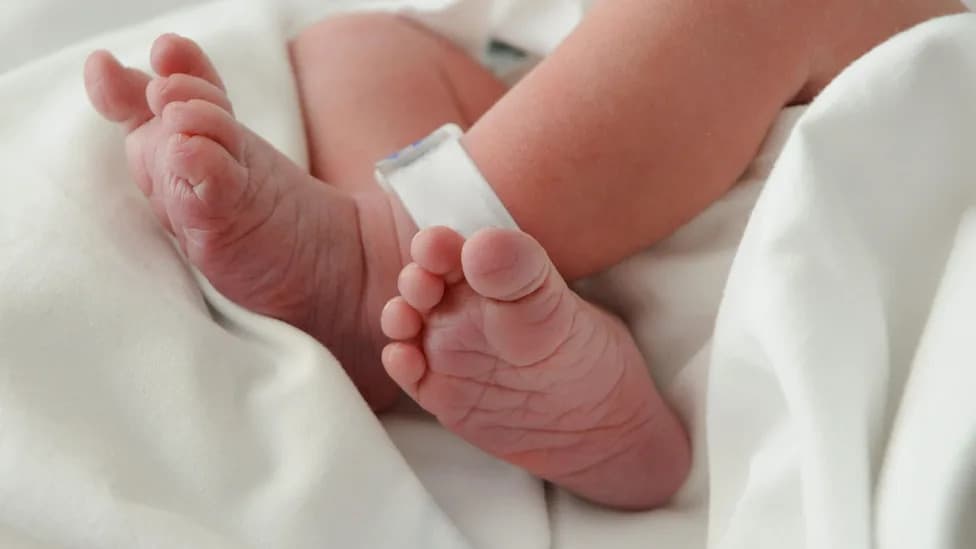
The NHS in-service evaluation will use the routine newborn blood spot, or heel-prick, test to screen babies for SMA [Getty Images]
A new NHS programme that aims to detect Spinal Muscular Atrophy (SMA) in babies before symptoms appear has been described as a "major step forward" for affected families and clinicians.
The Robert Jones and Agnes Hunt Orthopaedic Hospital (RJAH) in Shropshire is partnering with Birmingham Heartlands Hospital in a national trial to evaluate whether SMA should be added to the routine newborn blood spot (heel‑prick) test.
What Is Being Tested
The NHS Newborn Blood Spot Test, usually taken when infants are around five days old, already screens for several rare but serious conditions. SMA is being included in participating areas as part of an NHS in‑service evaluation to determine whether it should join the standard screening panel nationwide.
About SMA
SMA is a rare genetic condition that affects the nerves controlling muscles, causing progressive muscle weakness and impairing movement, breathing and swallowing. It affects roughly one in 10,000 babies and includes several types with varying severity.
Why Early Detection Matters
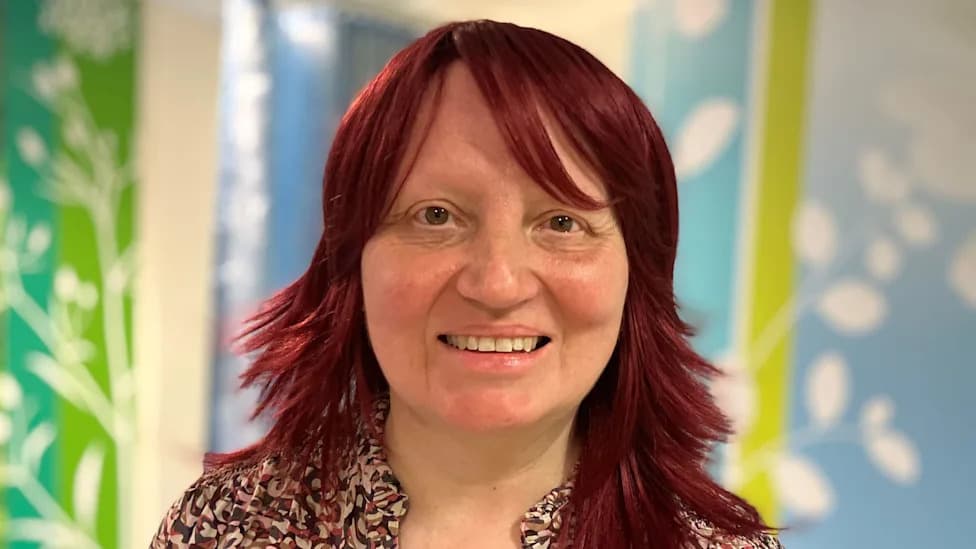
"The earlier you can start treatment, the better," said Professor Tracey Willis, consultant paediatric neurologist at RJAH. "We have been campaigning for a long time to get SMA put on that list, because we've got effective treatments now."
Some infants show muscle weakness from birth. One of the most severe forms, SMA type 1, typically appears within the first six months of life and, if untreated, can drastically shorten life expectancy. Without treatment many affected babies do not reach key milestones such as sitting and may require intensive care for respiratory infections or long‑term ventilatory support.
Trial Pathway and Care
Under the trial, RJAH and Birmingham Heartlands Hospital will provide a specialist pathway across the West Midlands. Babies whose screening suggests possible SMA will receive an urgent clinical assessment, confirmatory tests and rapid access to appropriate treatment and ongoing multidisciplinary care.
Campaigners, including former Little Mix singer Jesy Nelson, have called for universal newborn testing for SMA; her family experience helped raise public awareness of the condition and the potential benefits of early diagnosis.
Treatments for SMA have transformed outcomes for many children in recent years. Clinicians emphasise that earlier intervention offers the best chance of achieving developmental milestones such as sitting, standing and walking for some children.
Help us improve.