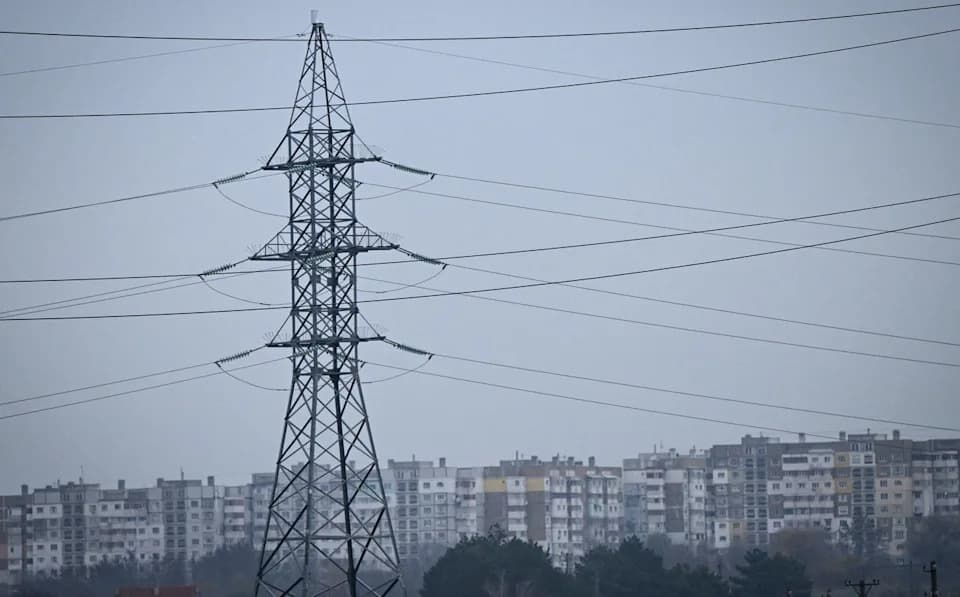
Puerto Rico is facing rotating water restrictions as drought pushes reservoir levels to critical lows, forcing officials to ration supplies and cut service to many communities. The emergency has exposed long-standing infrastructure and management problems that make the drought far more damaging than it might otherwise be. Residents are adapting with storage, bottled water and altered routines while calling for investments in repairs, leak control, and better drought preparedness. The crisis highlights broader climate-driven risks and the need for transparent, long-term solutions.
Puerto Rico’s Water Crisis Hits a Tipping Point: Why Authorities Are Turning Off Taps
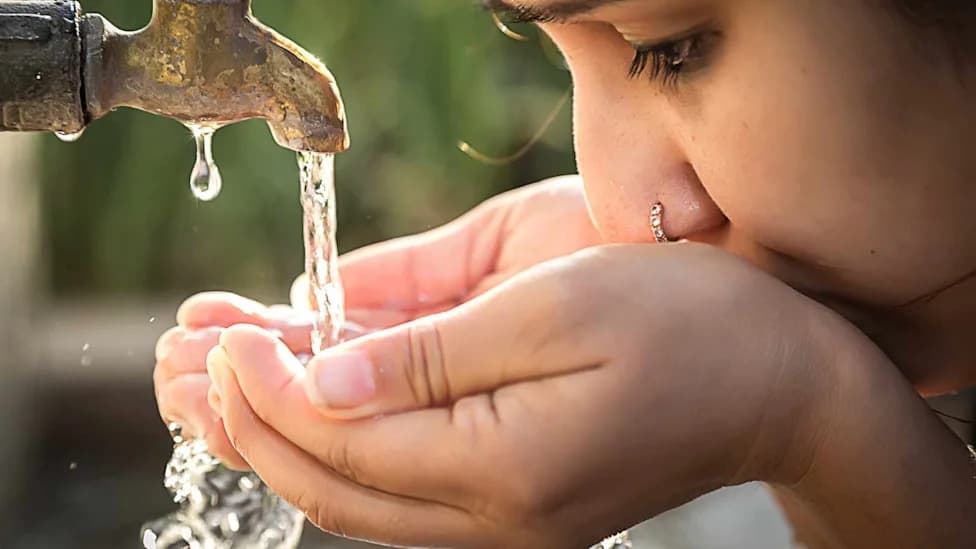
Drinking water straight from the tap isn’t always an option
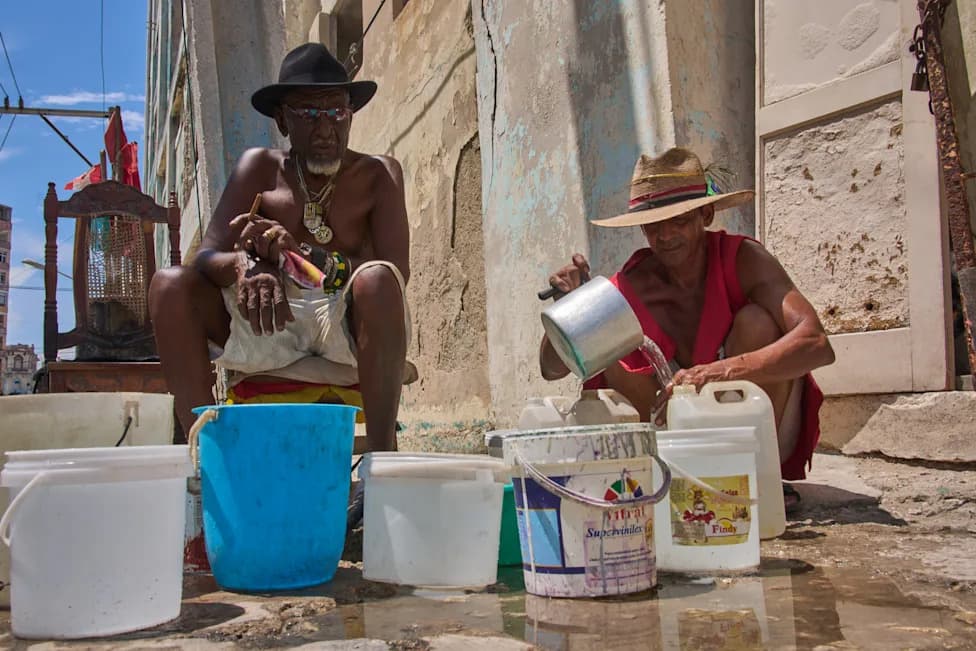
For many households, the first sign of Puerto Rico's water emergency is not a headline but a sudden silence at the sink: a faucet that runs dry, a shower abruptly cut short, or families hauling containers because they cannot be sure when water will return. Those scenes are now part of daily life for thousands as worsening drought forces managers to implement rotating water restrictions across the island.
Why This Is Happening
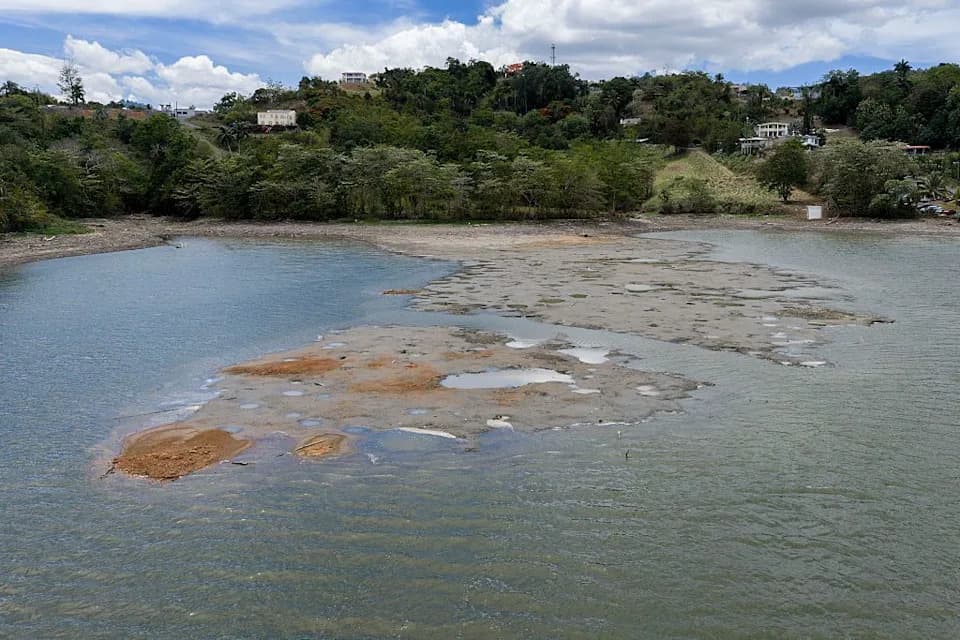
The island relies on reservoirs, rivers and groundwater that need steady rainfall and functioning delivery systems. Recent dry conditions have pushed those sources to critically low levels, and officials have begun scheduled shutdowns to preserve remaining reserves. Although Puerto Rico is surrounded by the Caribbean Sea, seawater is not a direct substitute for freshwater without large-scale desalination—an expensive and technically demanding option that is not a short-term fix for most communities.
Not Just A Shortage Of Rain
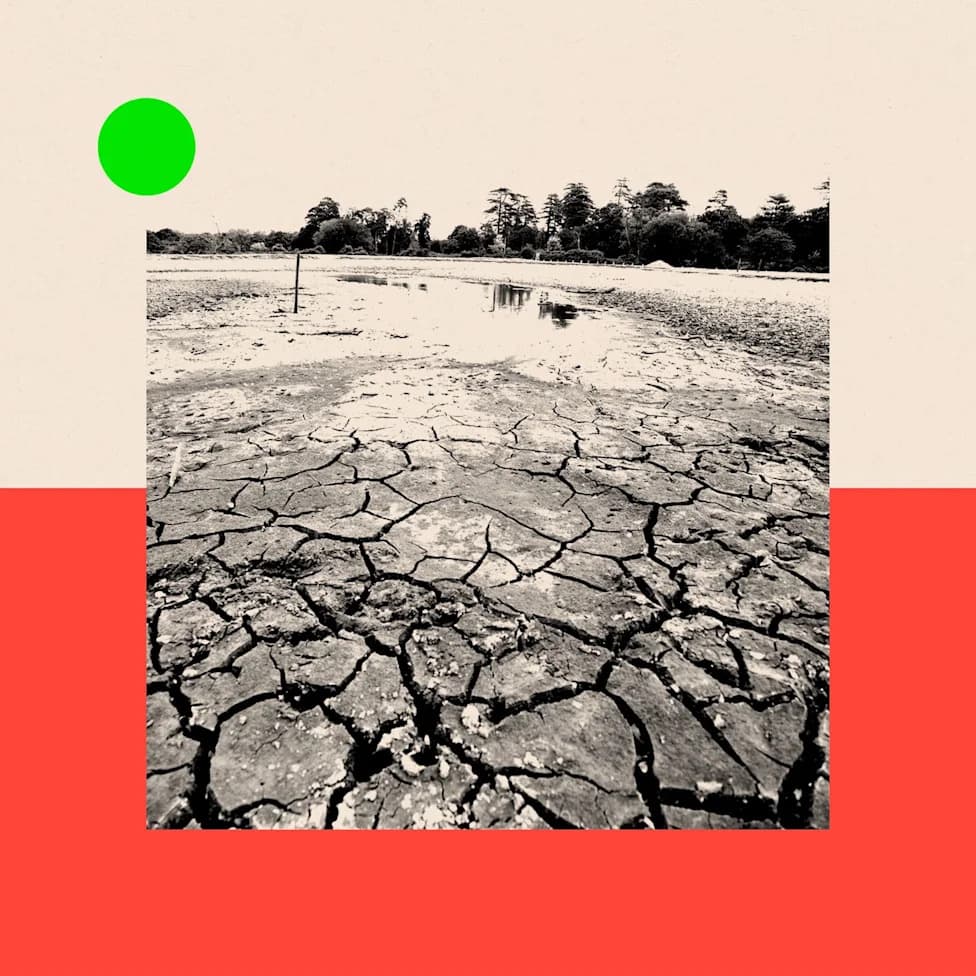
The drought has exposed long-standing weaknesses: aging infrastructure, deferred maintenance, and losses in the distribution system mean that a dry spell that might have been manageable elsewhere becomes far more damaging here. Many residents and experts say the current emergency feels like the culmination of problems that have developed quietly over years rather than a single, sudden disaster.
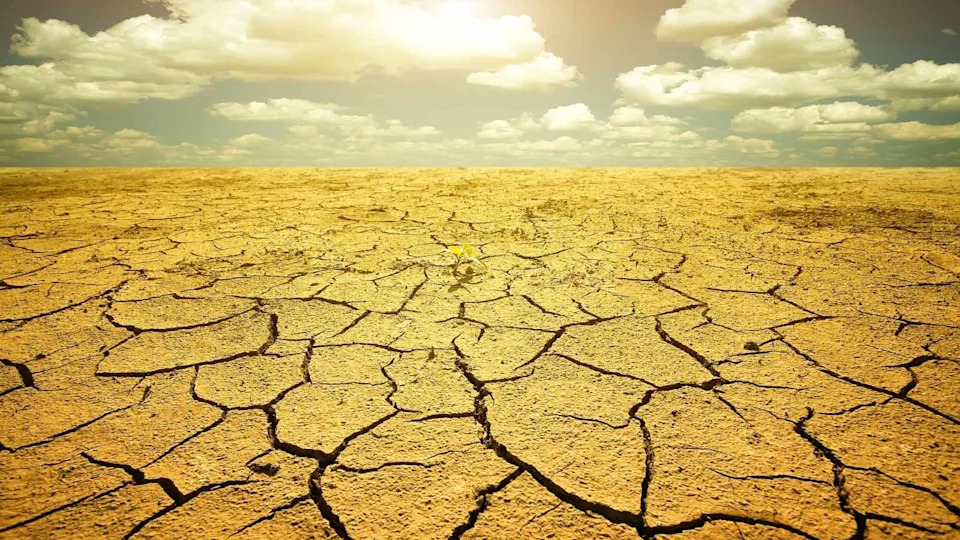
Image Credit: ivandzyuba via 123RF
How Residents Are Affected
Interruptions to household water service disrupt everyday routines: cooking, laundry, sanitation and health care all become harder to manage. Older adults and people with medical needs are especially vulnerable. Residents report keeping buckets ready, adjusting schedules to water deliveries, relying on bottled water, and living with ongoing uncertainty about when service will return.
Climate Change And Systemic Risk
Changing climate patterns—longer dry periods, higher temperatures and shifting rainfall—make reservoir recovery less predictable and increase evaporation. When demand remains steady but nature supplies less, water managers face increasingly difficult trade-offs about allocation and emergency measures. Puerto Rico's situation mirrors a broader regional trend of climate stress on water systems.
What Needs To Be Done
Restoring daily water service will address the immediate hardship, but long-term resilience requires investment and planning. Key priorities include rehabilitating aging pipelines and treatment facilities, reducing leaks and nonrevenue water, improving watershed management, diversifying supply sources where feasible, and strengthening emergency response and communication with communities. Building public trust depends on visible, accountable progress and transparent plans for future droughts.
Practical Steps For Households
- Store safe water supplies in clean, covered containers and rotate them regularly.
- Prioritize drinking and medical needs when rationing water.
- Follow official announcements about schedules and delivery points to reduce wasted trips and stress.
- Support community efforts to protect local watersheds and report leaks or illegal connections.
Ultimately, this crisis highlights how quickly a taken-for-granted necessity can become a public emergency. Drought often exposes and amplifies weaknesses that already exist in a system.
Key fact: San Juan experienced one of its driest Julys on record, and a large portion of the island has been affected by drought conditions, prompting rationing in many communities.
Help us improve.