Puerto Rico is experiencing widespread water rationing as severe drought and an aging, leaky system strain supply. PRASA has reported losing up to 65% of produced water to leaks and failures, and a recent pipeline break underscored ongoing fragility. Advocates, including Jennice Fuentes of BoricuActivatEd, say the crisis highlights a civic power gap: communities mobilize but often lack clear knowledge of who is responsible. Recent rains raised Carraízo to 40.64 m and La Plata to 44.40 m, providing partial but not permanent relief.
Puerto Rico's Water Crisis Reveals a Deep Civic Power Gap
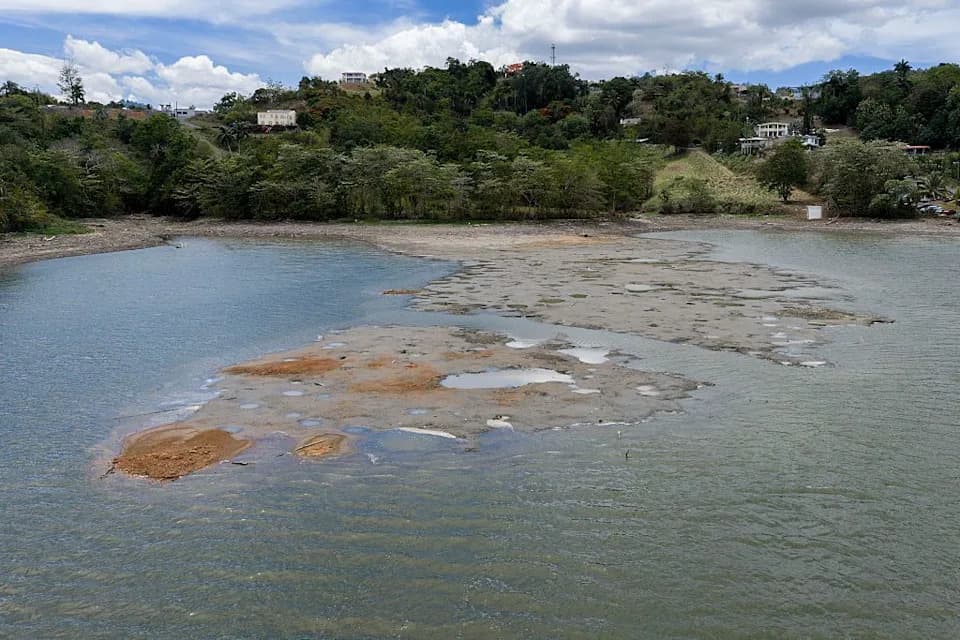
Drought and infrastructure failures fuel Puerto Rico water shortages, reviving post-Maria accountability debates.
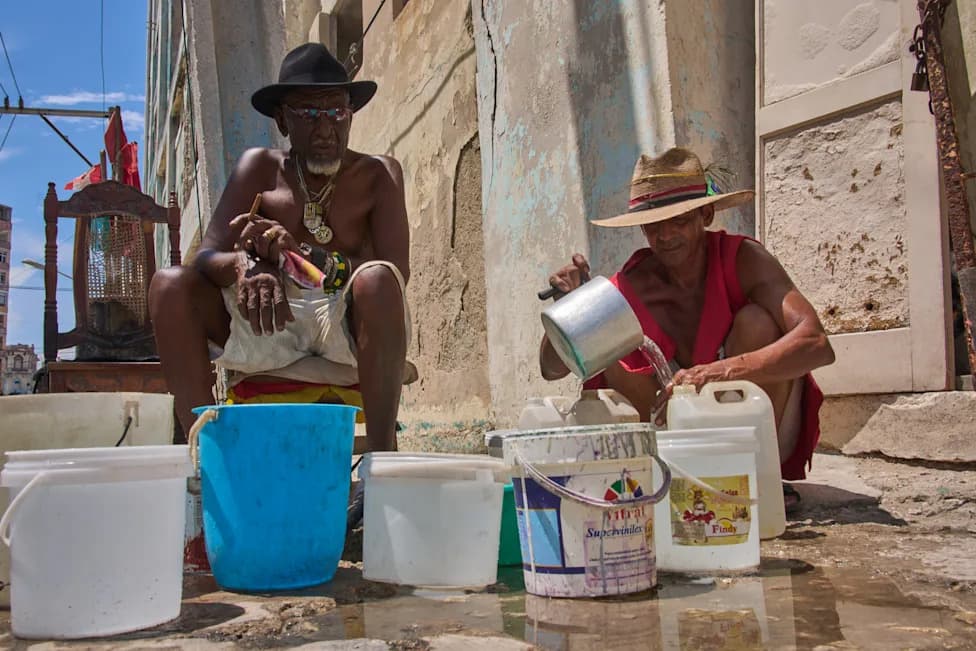
Hundreds of thousands of Puerto Ricans have faced water rationing and intermittent service as an intense drought and decades-old, leaky infrastructure strain the island's water system. The emergency has revived debates—nine years after Hurricane Maria—about accountability, oversight and whether residents have the knowledge and tools to demand lasting solutions.
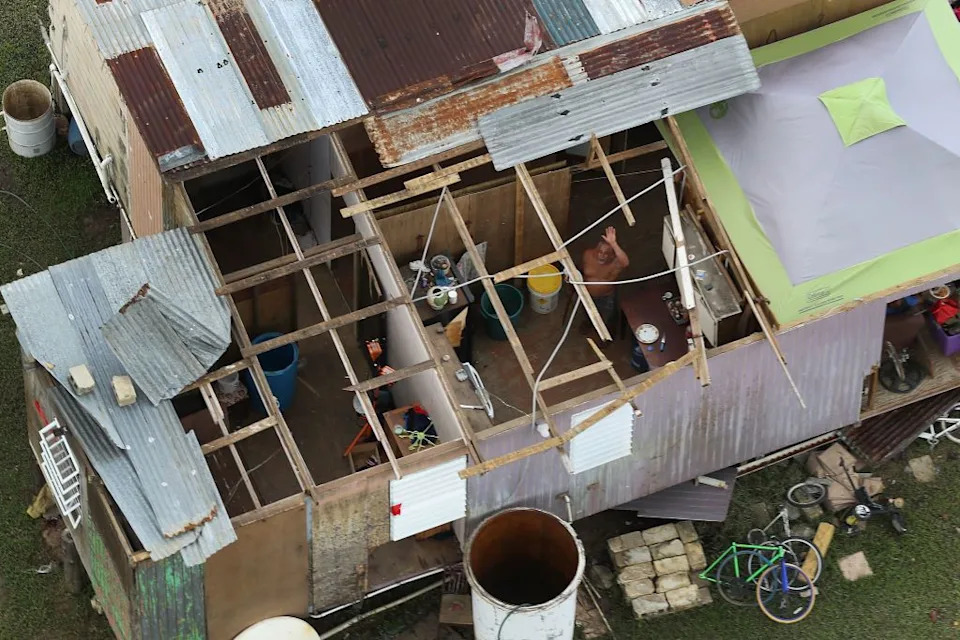
As water shortages spread, Puerto Rico confronts a civic power gap exposed after Maria.
What Happened
The immediate trigger of the crisis is the convergence of a severe drought and an aging distribution network. July was reported as the driest month on record in San Juan in more than 120 years, and reservoirs fell sharply, prompting short-term rationing in multiple municipalities. A major pipeline failure in June highlighted the system's fragility; emergency repairs restored some service but left long-term questions unresolved.
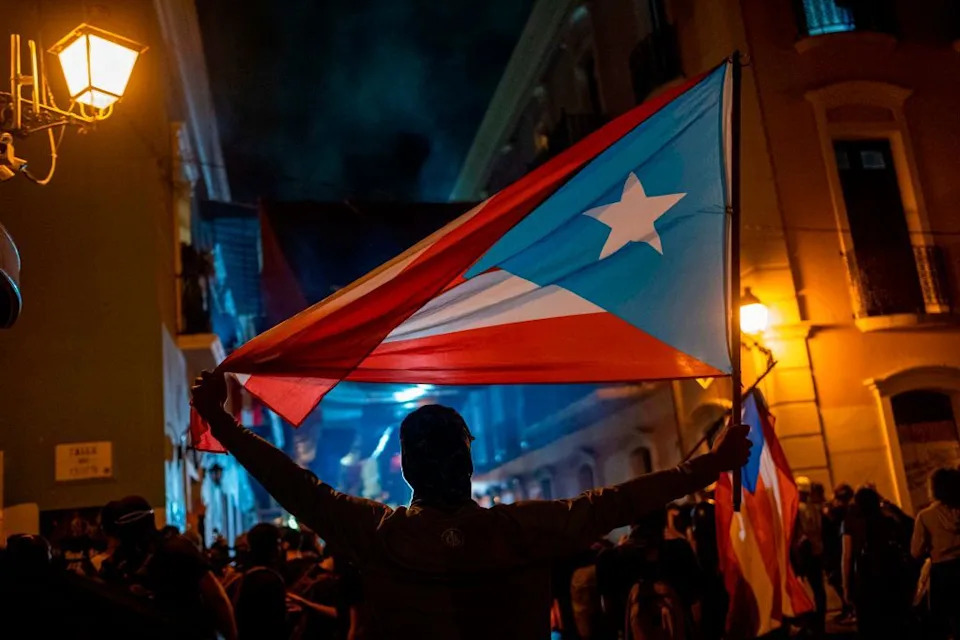
Puerto Rico's water crisis is exposing infrastructure failures and who gets held accountable.
Systemic Causes
Longstanding vulnerabilities predate the current dry spell. The New York City Bar Association's Puerto Rico Task Force documented that shortages have recurred before Hurricanes Irma and Maria, and that deteriorating infrastructure magnifies every new challenge. PRASA (the Puerto Rico Aqueduct and Sewer Authority) has reported losing as much as 65 percent of the water it produces to leaks, pipe failures and overflows before water reaches customers.
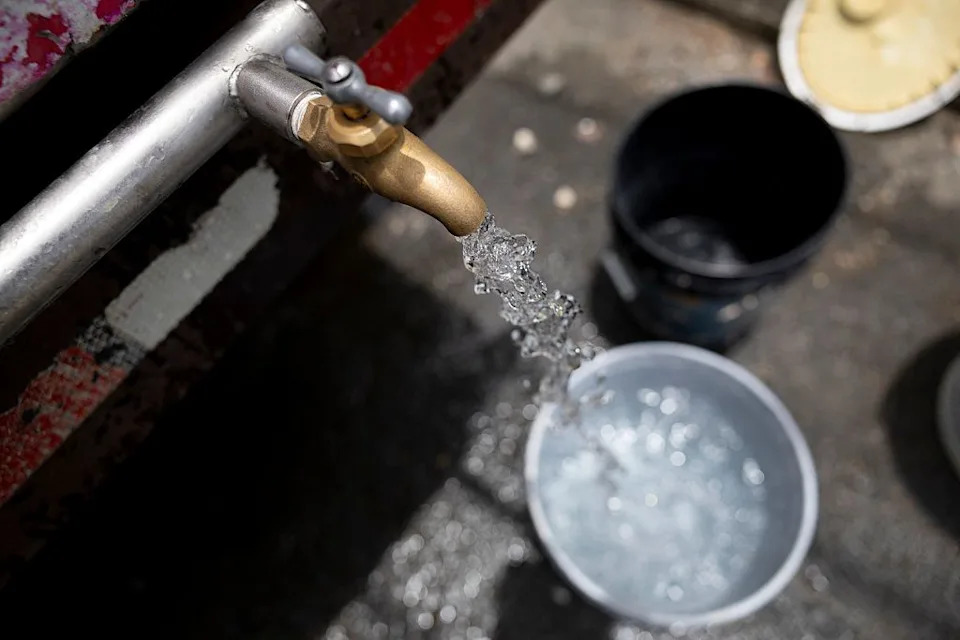
Puerto Rico's water crisis is exposing infrastructure failures and a deeper accountability gap.
Accountability and Civic Power
Advocates say the crisis is not only technical but also civic: residents often mobilize quickly in emergencies yet lack clear knowledge of who holds authority and how to pursue accountability between disasters. Jennice Fuentes, founder of the nonprofit BoricuActivatEd and a former congressional chief of staff, emphasizes that civic literacy strengthens communities' ability to press for repairs, track spending and demand transparency—without shifting responsibility away from public agencies.
"Our community did not lack passion. We lacked access to the mechanics of power," Fuentes told Newsweek. "Don't trust your government, but learn your government."
Current Status
Federal officials have said they are closely monitoring the situation. Newsweek contacted the White House and PRASA for comment on modernization plans, drought response and reported water loss rates. Recent rains raised two major reservoirs: Carraízo reached 40.64 meters (about 31 centimeters below overflow) and La Plata rose to 44.40 meters, providing partial relief but not removing the longer-term challenge of infrastructure repair and sustained oversight.
Why It Matters
For residents, the stakes include public health, work and schooling, and economic stability. The article argues that stronger civic knowledge and continuous federal and territorial engagement are needed so communities can hold institutions accountable not only during crises but in the planning, budgeting and contracting decisions that shape future resilience.
Bottom line: Drought and aging pipes caused the immediate shortages, but the crisis also exposes a persistent gap between motivated communities and the institutional knowledge needed to secure reliable services and lasting infrastructure fixes.
Help us improve.