Daily shortages of power, water and fuel in Cuba are intensifying psychological stress across the island. Primary care doctors report more patients seeking emotional support, while public health alerts warn of increasing waterborne illnesses linked to failing infrastructure. Officials blame tightened U.S. measures and long-running economic troubles, estimating more than $8 billion in recent losses. Families and local gatherings remain the main coping mechanisms for many residents.
Cuba's Daily Crisis Pushes Islanders to the Breaking Point as Mental-Health Strains Mount
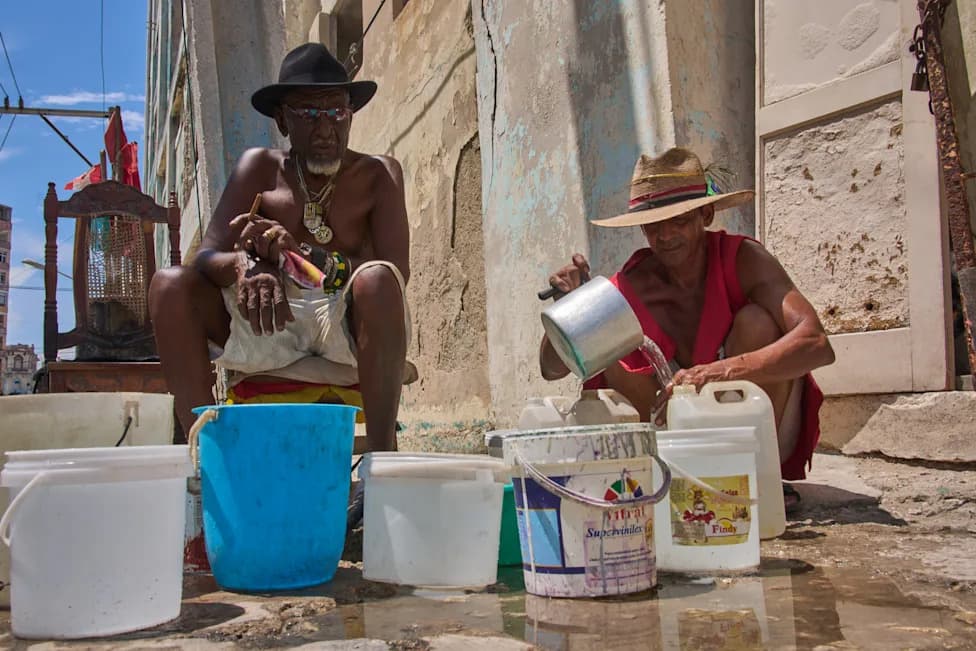
Oscar Joaquín López, left, and his housemate Wilfredo Cisneros Duarte collect water from a street pipe in Havana, Cuba, Monday, Sept. 7, 2026. (AP Photo/Ramon Espinosa)(AP Photo/Ramon Espinosa)
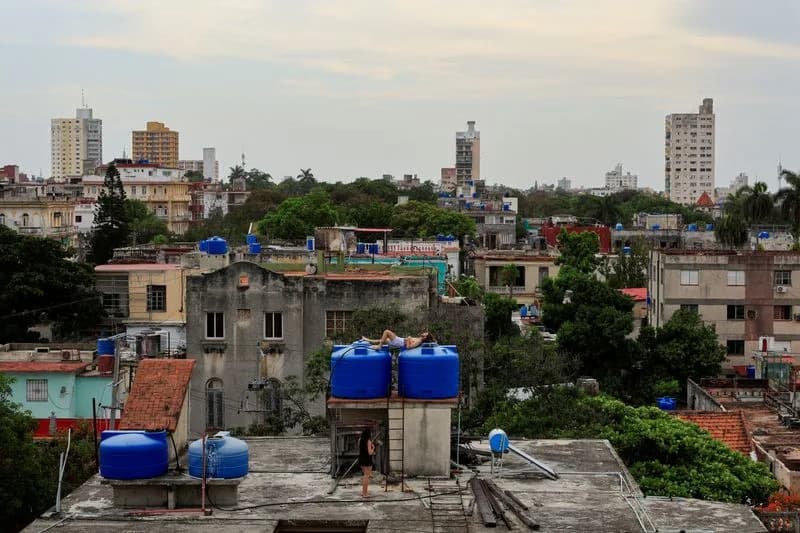
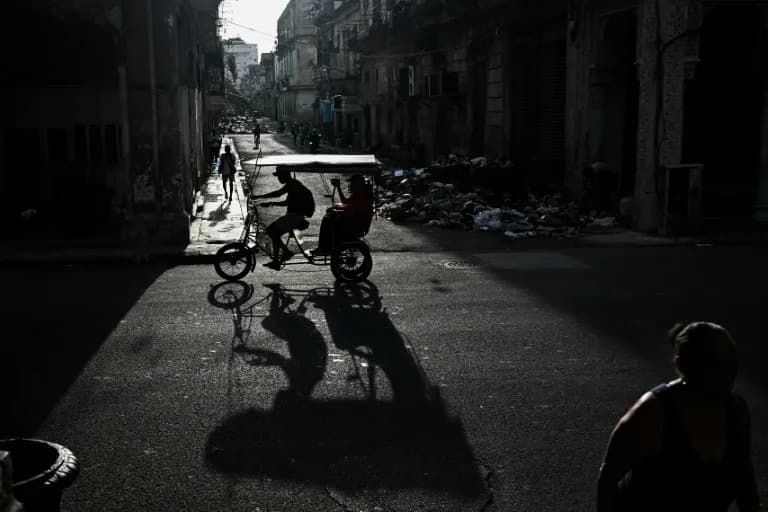
HAVANA — Hot, sleepless nights; rolling blackouts that sometimes last more than 24 hours; intermittent water; shrinking fuel supplies; crumbling housing; limited public transport and patchy cell service. For nearly 10 million residents, these daily hardships are wearing away at psychological resilience — and there are few signs of relief.
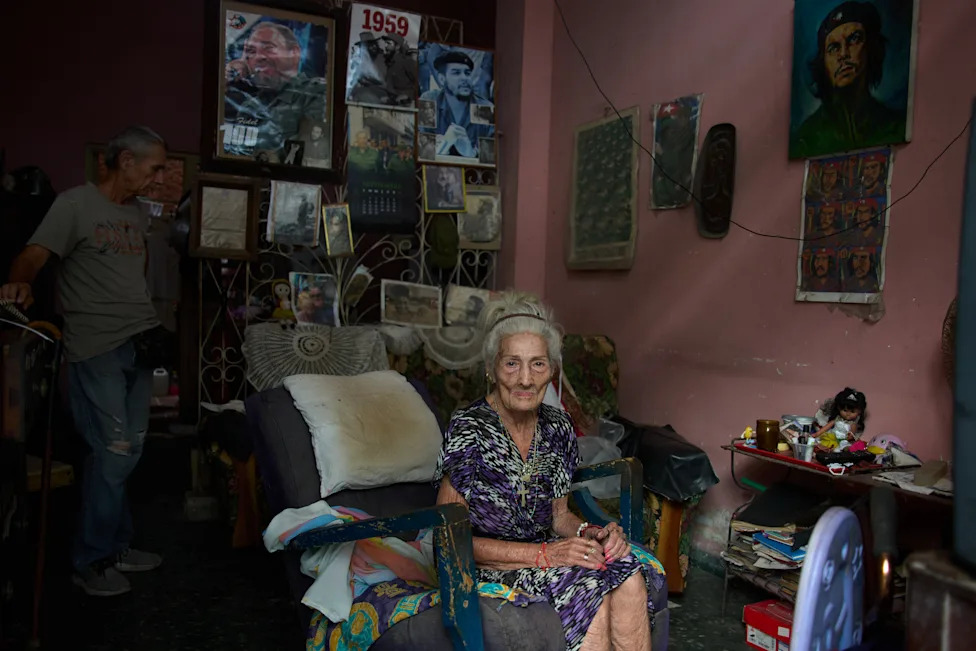
Teresita del Rosario González Ricardo poses for a photo, accompanied by her son José Manuel Borroto, at her home in Havana, Cuba, Sunday, Sept. 6, 2026. (AP Photo/Ramon Espinosa)(AP Photo/Ramon Espinosa)
Everyday Pressure, Emerging Mental-Health Needs
Dr. Yomeidis Felicó Riverón, a primary care physician, says patient visits increasingly include emotional distress alongside physical complaints. "Before there was hope," she says. "Right now, what people have lost is exactly that." She and many colleagues find themselves offering basic counselling as patients arrive in tears, looking for someone to listen.
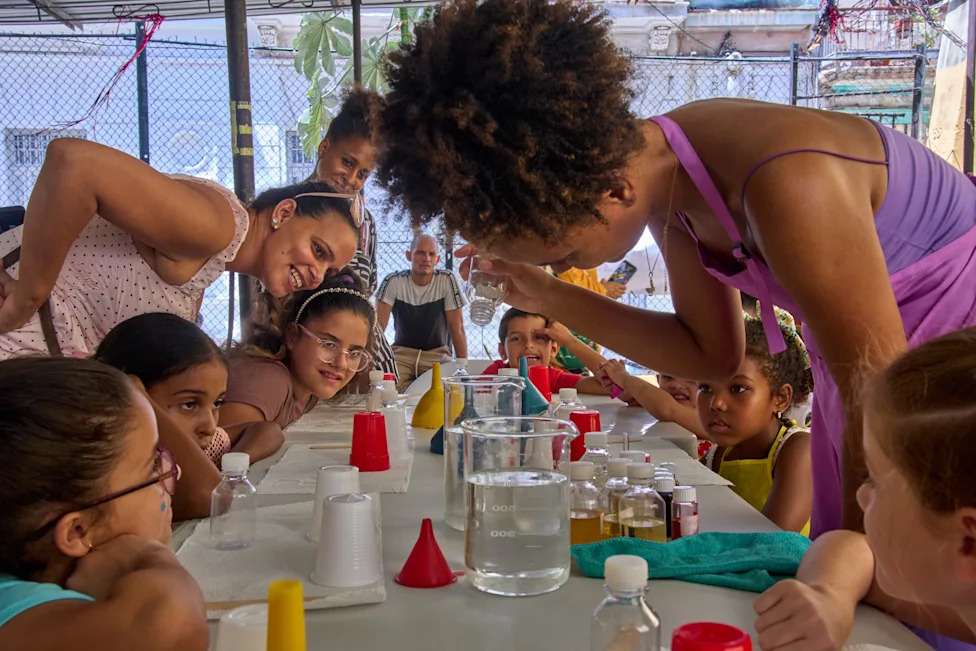
Children attend a workshop to make gift bags and perfume in Havana, Cuba, Friday, Aug. 28, 2026. (AP Photo/Ramon Espinosa)(AP Photo/Ramon Espinosa)
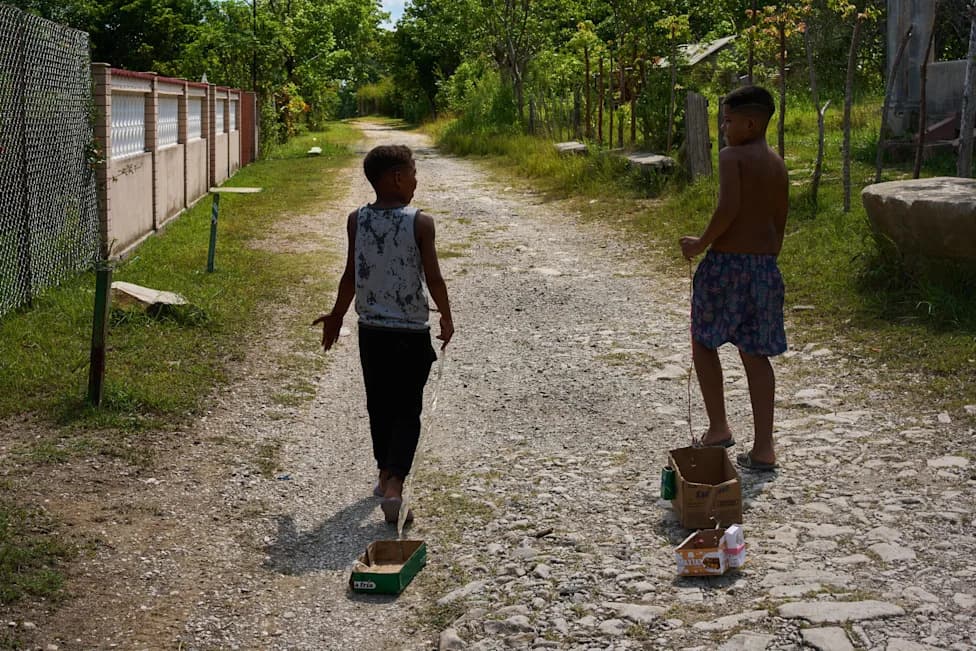
Free community workshops — where children learn to make gift bags or perfume — give families a rare respite. Parents describe trying to shield children from food insecurity and financial anxiety by distracting them with play, parks and small rituals.
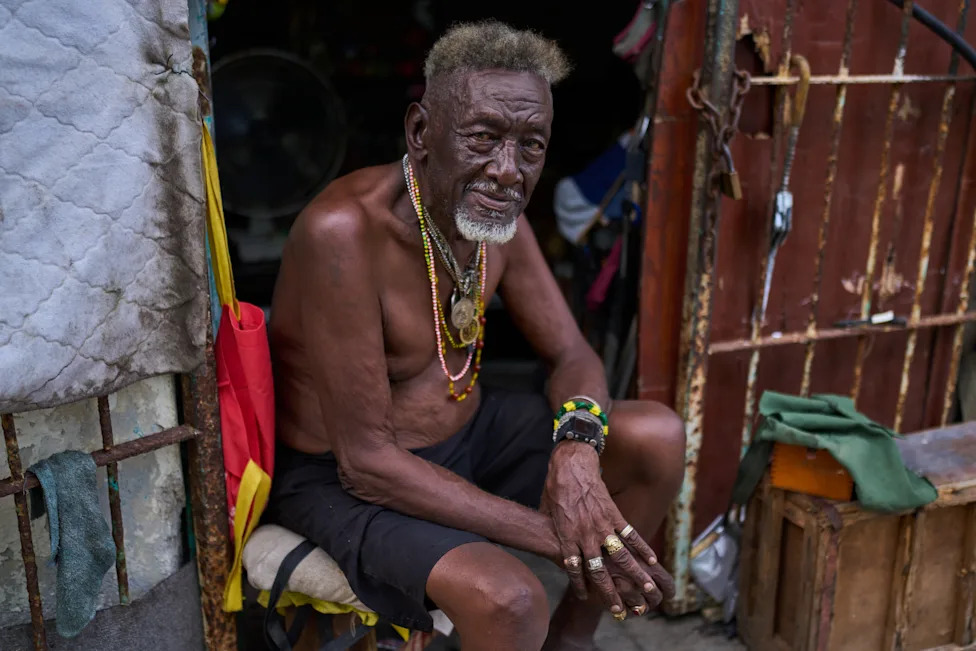
Oscar Joaquín López poses for a photo at the entrance of him home in Havana, Cuba, Monday, Sept. 7, 2026. (AP Photo/Ramon Espinosa)(AP Photo/Ramon Espinosa)
"They come and cry about their troubles, because they have no one else to vent to," Felicó Riverón said. "We end up having to play psychologist."
Public Health, Infrastructure and Policy
Cuban officials point to long-standing economic problems and tightened U.S. measures for worsening conditions. The foreign minister has estimated that recent policies cost the country more than $8 billion over a recent 12-month period, a figure officials call a record.
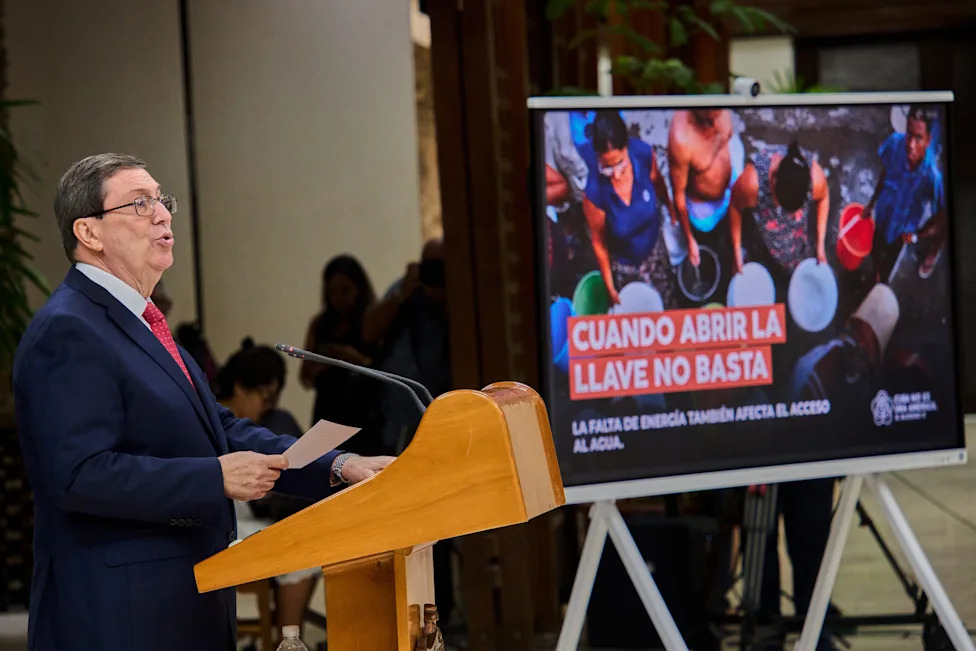
Foreign Minister Bruno Eduardo Rodríguez Parrilla, left, speaks to the press and presents Cuba's report on the impact of the US embargo policy on the island in Havana, Cuba, Monday, Sept. 7, 2026. (AP Photo/Ramon Espinosa)(AP Photo/Ramon Espinosa)
Island-wide blackouts and infrastructure failures have prompted the U.S. Embassy to issue public health alerts. The embassy warned that Cuba's water supply infrastructure is increasingly unstable and noted rising gastrointestinal illnesses — including cases of E. coli, norovirus and Shigella — tied to degraded water and energy systems.
Scenes From the Streets
Some residents cope with grim pragmatism. Eighty-one-year-old Oscar Joaquín López sits in his doorway at night to catch ocean breezes. Others are less fortunate: 62-year-old mason José Laó Faviel sifted through overflowing garbage to find food for his sow and piglets. Flower vendor Armando Lafita pushes a cart of cheap bouquets through Old Havana and sometimes returns home with nothing sold.
For many, immediate family and small community gatherings remain the primary source of emotional support. Ninety-year-old Lázaro Alfonso Oviedo attends weekly meetings to sing and dance with other elders, invoking resilience shaped by decades of national struggle.
What This Means
Health workers report growing demand for mental-health assistance at a time when infrastructure, public services and economic capacity are strained. Small protests have erupted in some neighborhoods despite the risk of detention, signaling rising frustration among ordinary Cubans who face both daily survival challenges and growing uncertainty about the future.
Outlook: Short-term relief depends on fixes to power and water systems and on changes in energy and financial access; in the meantime, community networks and informal coping strategies remain crucial for many families.
Help us improve.