Puerto Rico faces overlapping water and power crises driven by drought, aging infrastructure and contested policy choices. Residents describe improvisational coping strategies — from gym showers and collected drips to buying bulk water — while wealthier households install cisterns and solar panels. Critics argue that gentrification and developments like Esencia intensify resource strain and threaten public access to beaches. Grassroots protests, student occupations and public anger signal growing resistance alongside urgent calls for investment and accountability.
Would You Rather Live Without Water Or Power? Inside Puerto Rico's Deepening Crisis
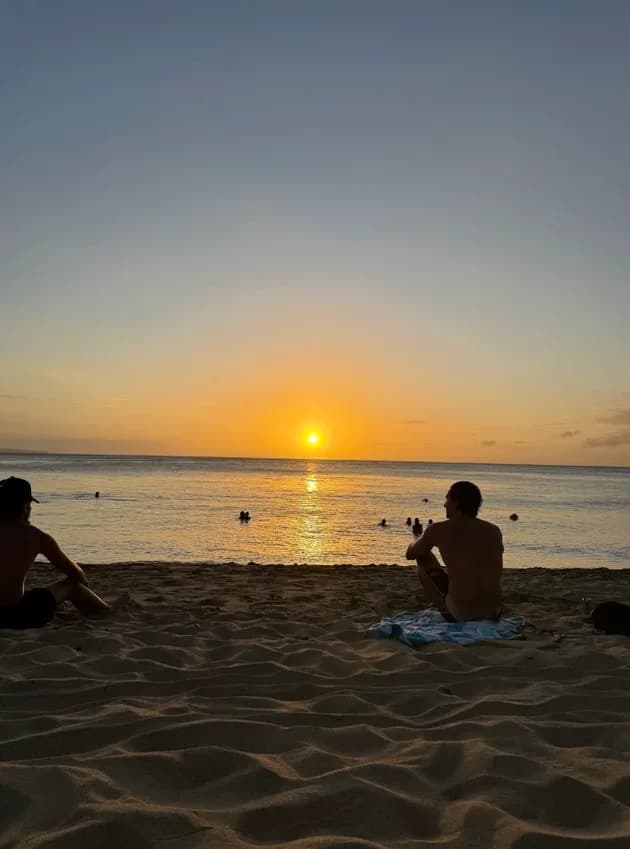
Sunset at a beach in San Juan, Puerto Rico. Courtesy of Edgar Gomez
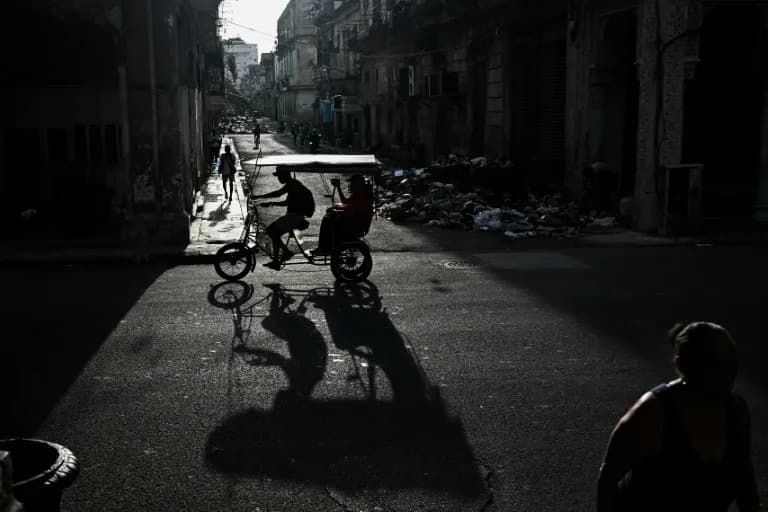
"Would you rather live without water, or without power?" a friend asked me at a small New Year’s gathering in Puerto Rico last year, after the electrical grid failed across the densely populated San Juan metro area. The hosts had a generator to keep lights on and music playing, but the city beyond the balcony was mostly dark.
That outage was only the latest in a string of failures. Puerto Rico's electrical system has been fragile since Hurricane Maria in 2016, when millions were left without electricity for nearly a year. The grid's transition to the Canadian company LUMA has been controversial, with widespread accusations of mismanagement and corruption.
What It's Like to Choose Between Water and Power
On the balcony that night, the hypothetical question became painfully literal. No water means no showers, no laundry, no dishwashing, and — most painfully — no flushing toilets. No power means no air conditioning, no way to charge devices, refrigerated medicines at risk, and appliances rendered useless. Both scenarios are disruptive; neither is a simple inconvenience.
I chose life without power that night. I grew up in Florida where hurricane-era outages were common and sometimes felt like camping as a child. But nostalgia does not erase the real, everyday hardships of prolonged outages.
The Current Water Emergency
The question returned more starkly months later. I sat on a San Juan beach with the same friend; this time he had just regained running water after a month without it, while I was entering my third week. Many people we know have gone even longer without reliable supply.
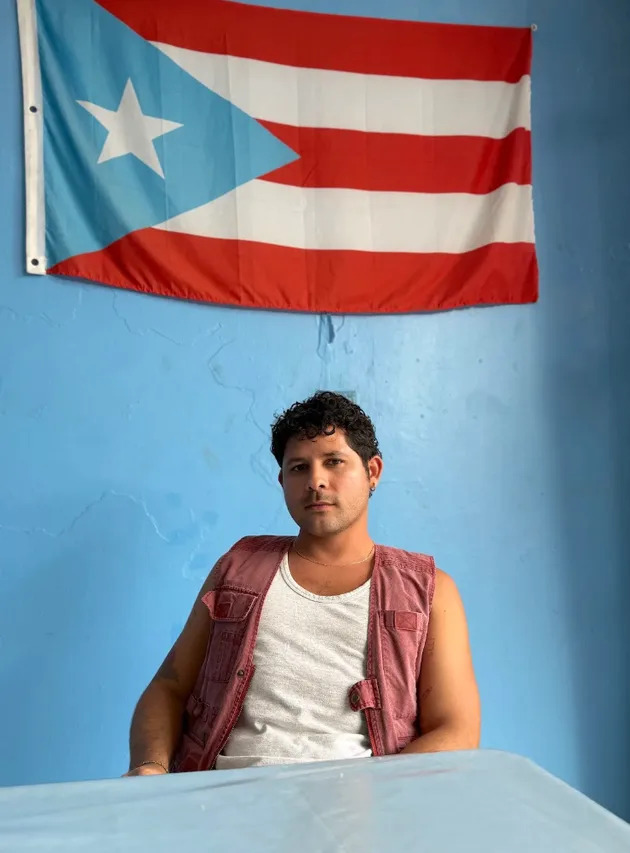
The author, in Luquillo, Puerto Rico. Photo by E.R.C.
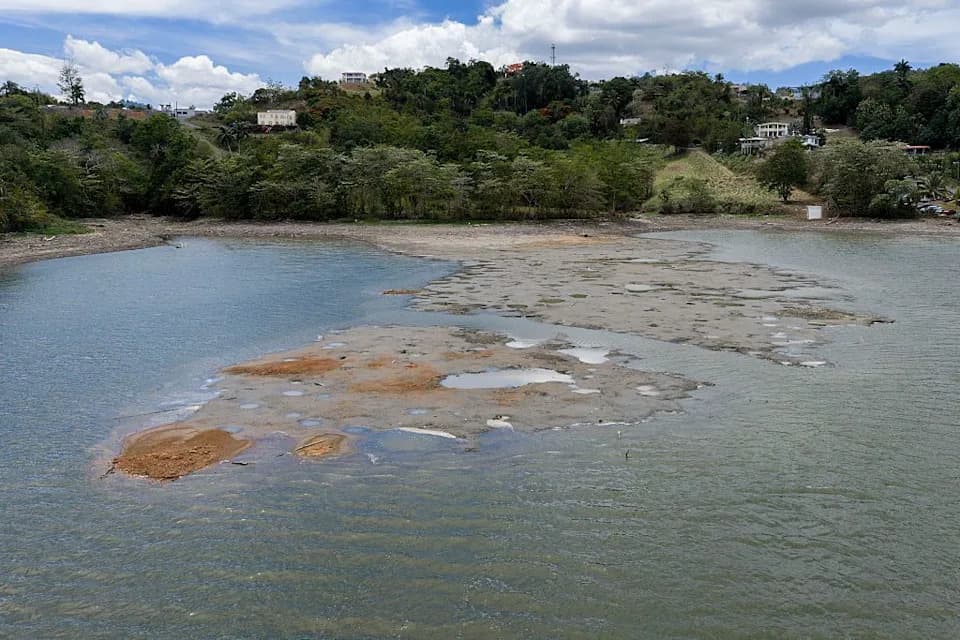
Governor Jenniffer González declared a state of emergency on July 31, citing drought as a central cause. Drought is a factor, but long-neglected infrastructure is also to blame: the Puerto Rico Aqueduct and Sewer Authority reports roughly 59% of the water collected for San Juan is lost to inaccurate meters, unauthorized consumption, and leaks in mains. In short, even when it rains, a large share of that water never reaches households.
Water, water, everywhere, nor any drop to drink.
Roots of the Crisis: Infrastructure, Policy, and Displacement
The water and power crises sit atop a longer history of economic and political pressures. Decades of policies that weakened local agriculture and institutions, discriminatory practices, and demographic shifts have left communities vulnerable. Between the 1930s and 1970s, sterilization policies affected a significant number of Puerto Rican women, a troubling chapter in the island's history.
More recently, incentives that attract wealthy outsiders — including tax breaks for non-residents and real-estate speculation that turns housing into short-term rentals — have accelerated displacement and pushed up housing costs. Critics say projects like the multi-billion-dollar Esencia resort development will deepen water stress, threaten coastal ecosystems, and further privatize public shorelines.
Daily Survival and Unequal Coping Strategies
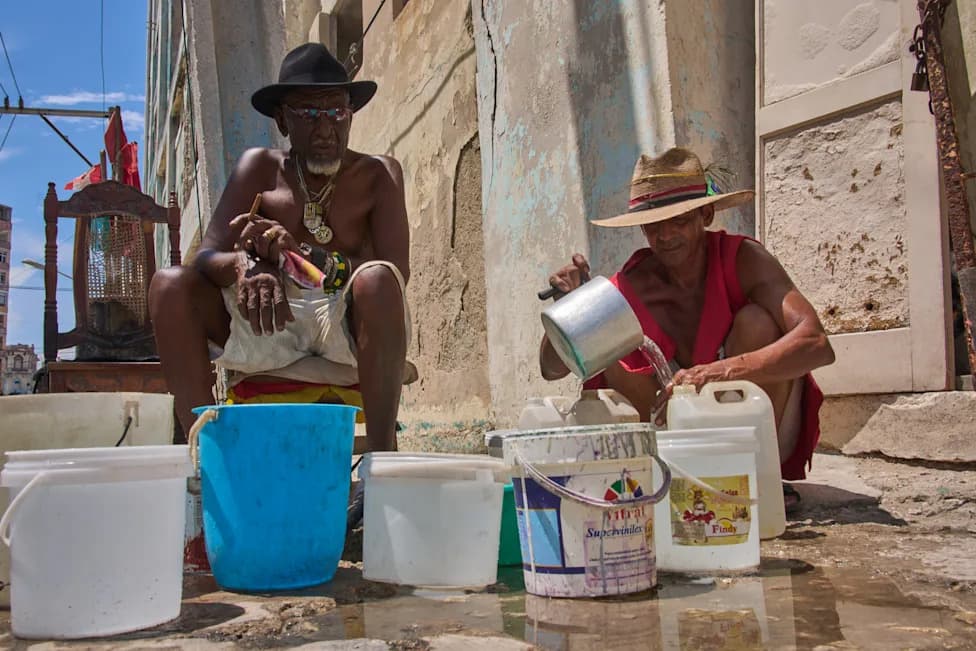
For many residents, coping looks like improvisation. I bought bulk water from warehouse stores, showered at a gym that maintains a paid cistern, used moist towelettes, and collected drips from a bathtub faucet in a bucket to brush my teeth and flush the toilet. Others bought cisterns, installed solar panels, or relied on paid private delivery. These options are expensive — a reality that highlights sharp socioeconomic disparities.
Think about parents changing diapers, caregivers bathing patients, hospital wards that need running water, or small businesses that require steady utilities. For those people, improvisation is not enough.
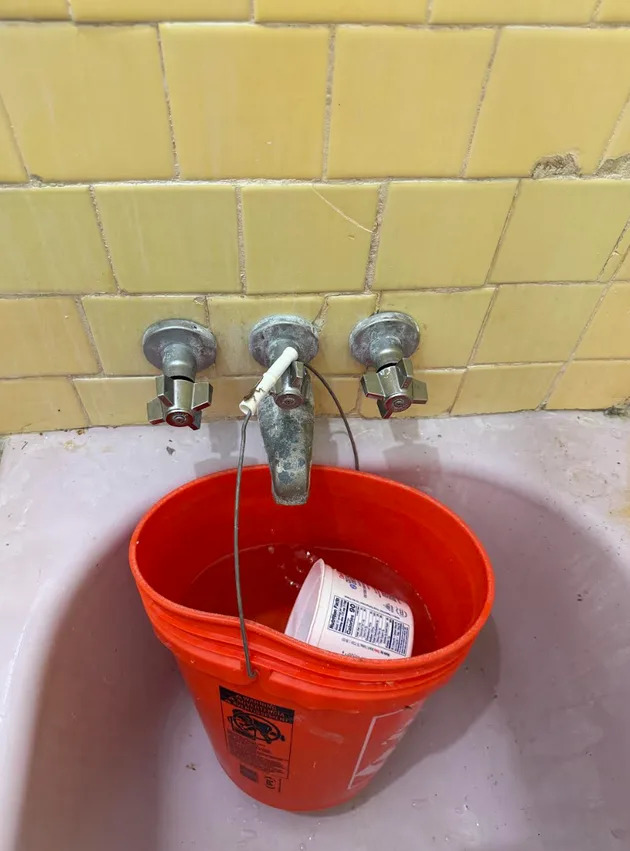
"This is a bucket I have rigged to my bathtub faucet," the author writes. "It's collecting drops of water to use to brush my teeth and do dishes." Courtesy of Edgar Gomez
Protests, Politics, and Public Outrage
Anger over resource shortages and perceived government indifference has built into organized resistance. Students occupied the University of Puerto Rico to protest budget cuts. Thousands marched against Esencia in Cabo Rojo, encouraged in part by public figures like Bad Bunny. Protesters chanted 'Las playas son del pueblo' — the beaches belong to the people — warning against erosion of public access.
Public frustration also found a more pointed target when Governor González celebrated her 50th birthday with lavish events while many residents endured shortages. At one fundraiser a protestor threw water at an organizer — a symbolic act that highlighted the gulf between political elites and ordinary citizens.
Small Acts, Big Meanings
Across Puerto Rico there is resilience and resistance. People 'resuelven' — they figure things out, sharing laundry and water jugs, collecting rain when it falls, and sustaining community networks. Yet these acts of survival also underscore systemic inequities in access to basic services and the urgent need for transparent, long-term public policy solutions.
Conclusion
The island's concurrent water and power crises are products of environmental stressors, aging infrastructure, and political-economic choices that have prioritized some interests over the basic needs of residents. While grassroots movements, protests, and community solidarity point toward collective power, meaningful change will require investment, accountability, and policies that center residents' rights to water, power, housing, and public space.
Author note: Edgar Gomez is the author of the memoir Alligator Tears (Crown Publishing, 2025) and High-Risk Homosexual (Soft Skull Press, 2022). He has written for The Los Angeles Times, Poets & Writers, New York Magazine and others, and divides his time between New York and Puerto Rico.
Help us improve.