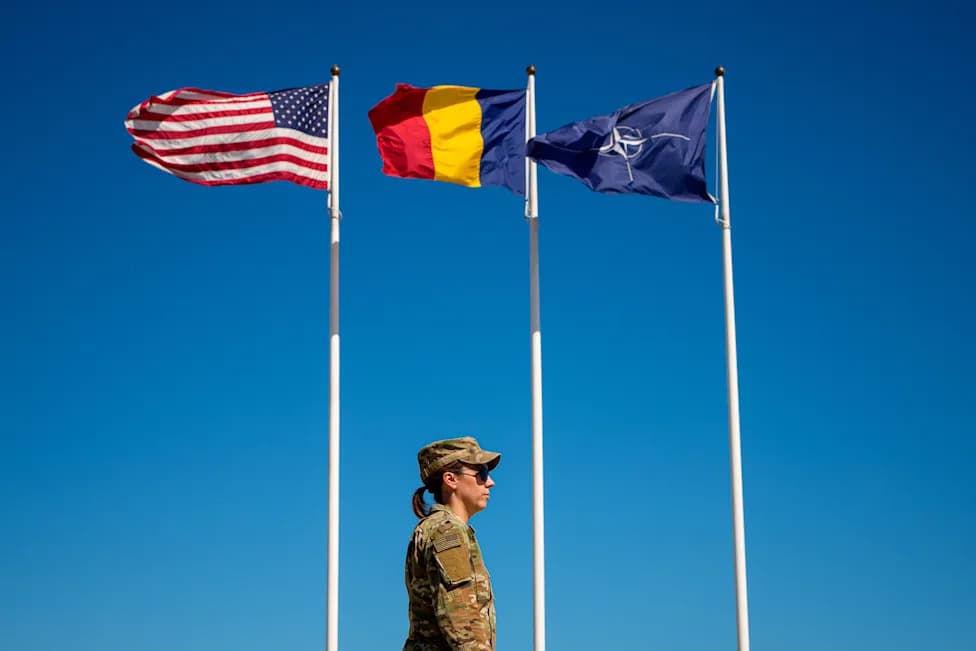
Moldova’s parliament approved a 60-day state of emergency for the energy and water sectors as record-low flows on the Dniester and Prut rivers and rising global energy costs threaten supplies. The Ministry of Environment cited a "severe hydrological deficit," and authorities said inflows to the Novodnistrovsk reservoir are about 22 m3/s versus the 60 m3/s minimum. Officials warned that restrictions on nonessential water use may be needed while measures are taken to boost energy resilience ahead of winter.
Moldova Approves 60-Day State Of Emergency Over Shrinking Rivers and Rising Energy Risks
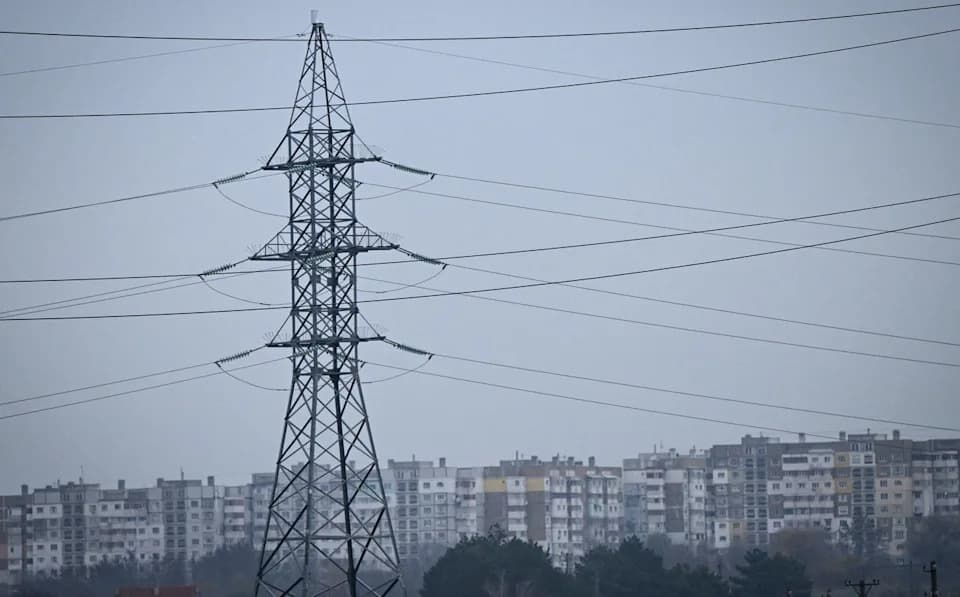
Moldova declared an energy emergency in March after Russian attacks on Ukraine's grid severed a main power link to Romania (AFP via Getty Images)
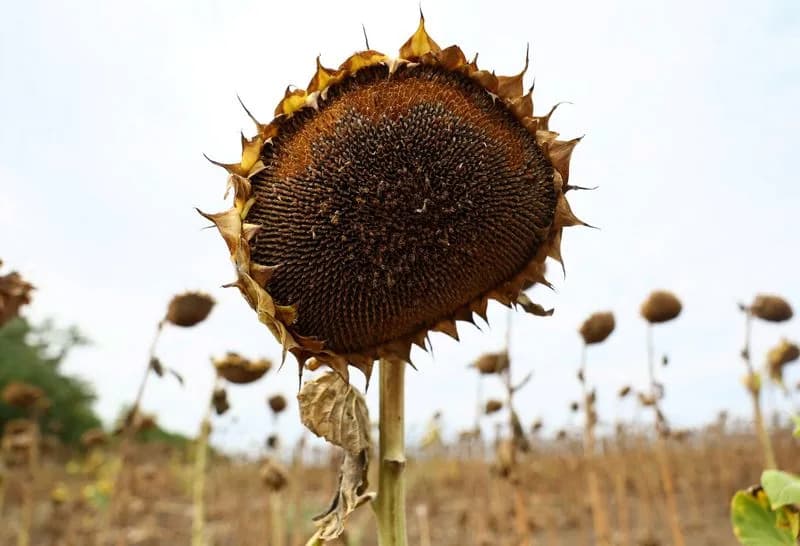
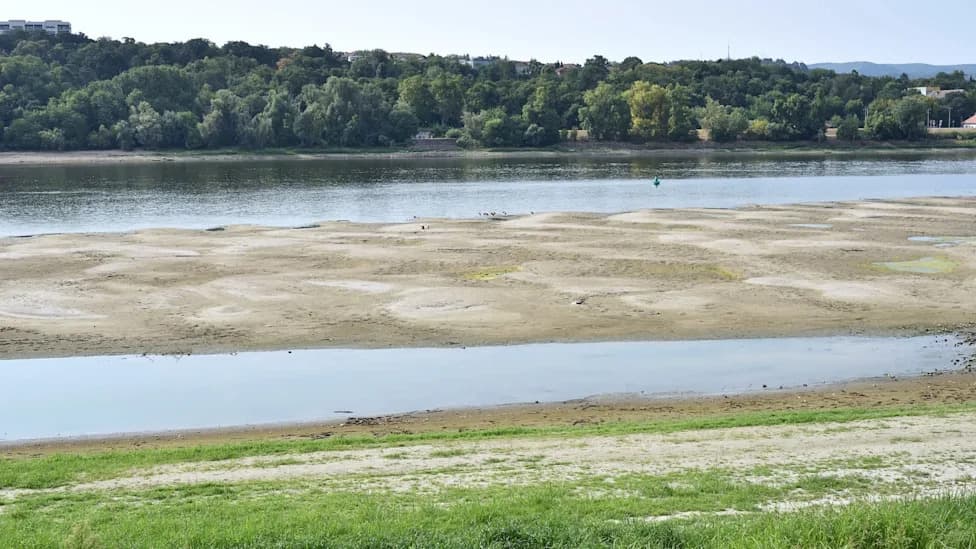
Lawmakers in Moldova voted to impose a 60-day state of emergency covering the country’s energy and water sectors, citing plunging levels in the Dniester and Prut rivers and higher global energy prices driven by regional conflicts.
The Ministry of Environment warned of a severe hydrological deficit and said the emergency declaration will allow faster interventions and temporary protective measures to safeguard supplies ahead of winter.
Parliamentary Vote: The 101-seat legislature approved the measure 54-20, with 22 deputies not voting. The emergency takes effect on Saturday.
The declaration followed a National Security Council meeting chaired by President Maia Sandu that assessed “the impact of the international energy crisis” and discussed steps to boost the country's energy resilience before the cold season.
Why Authorities Are Alarmed
Prime Minister Vasile Tofan said Moldova is facing a “perfect storm” of overlapping threats: prolonged drought, the conflicts in Ukraine and the Middle East, and damage to key refineries — all contributing to higher energy prices and strain on domestic supplies.
Moldova depends heavily on imported natural gas and electricity. Authorities note that sectoral alert states have been in place since July and are scheduled to expire on Friday.
“I’m not saying that tomorrow we’ll run out of gas, diesel, electricity or water,” Tofan said. “The problem is that we are entering the cold season with several major risks overlapping at the same time.”
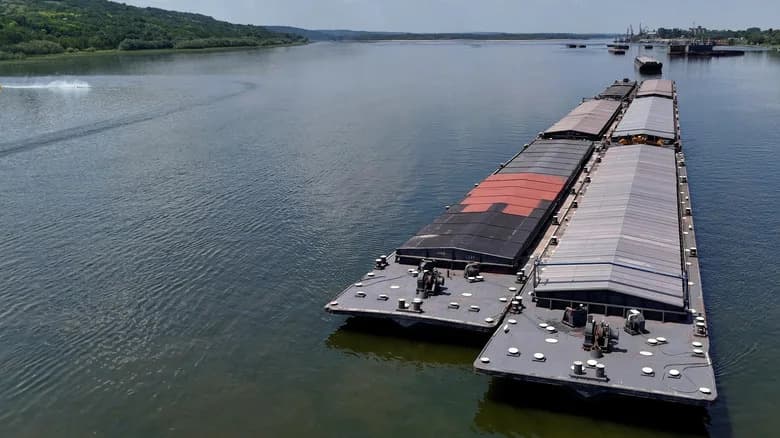
Officials say inflows to the upstream Novodnistrovsk reservoir in Ukraine are roughly 22 m3/s, far below the minimum required level of 60 m3/s, worsening downstream supply prospects for Moldova.
Environment Minister Gheorghe Hajder warned that restrictions on nonessential water use may be needed and said the emergency gives authorities the necessary tools to act quickly: “We must have all the tools required to intervene.”
Background
Moldova declared an energy emergency in March after Russian attacks on Ukraine’s electrical grid severed a main transmission link with Romania. In the same period, a Russian strike on the Novodnistrovsk hydroelectric plant polluted the Dniester River, leaving thousands without safe water — a reminder of the country’s vulnerability to both environmental and conflict-driven shocks.
The new 60-day emergency aims to shore up water and energy management, enable rapid repairs and conservation measures, and prepare the country for the approaching winter amid uncertain regional developments.
Help us improve.