Bulldozers and heavy equipment tied to an approximately $1.7 billion Trump-era contract have been documented entering Big Bend National Park, where CBP plans a mix of vehicle barriers, detection systems and 205 miles of patrol roads. The administration waived 29 federal environmental statutes to expedite construction; a lawsuit challenging those waivers is pending. Conservationists and former park officials warn the build could cause irreversible ecological and cultural damage.
Bulldozers Move Into Big Bend National Park as Trump-Era Border Project Advances
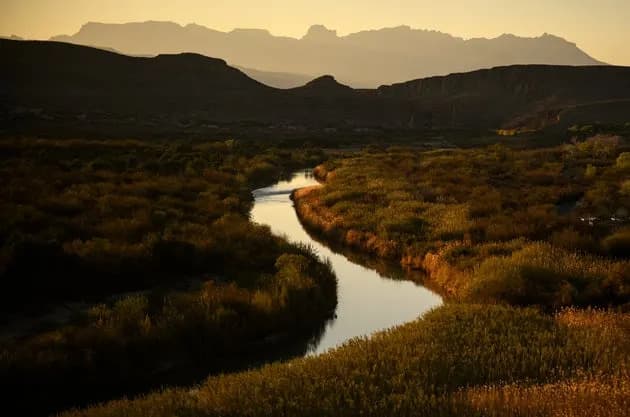
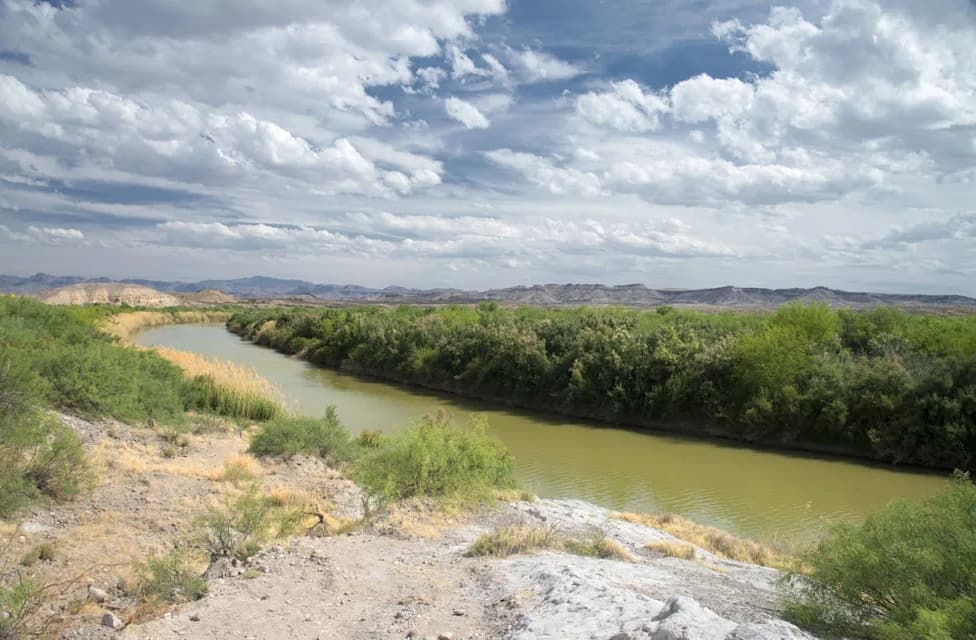
A view of the Rio Grande and the Chisos Mountains beyond as seen from an overlook on the Rio Grande Village nature trail in Big Bend National Park, Texas on March 1, 2026.The Washington Post via Getty Images
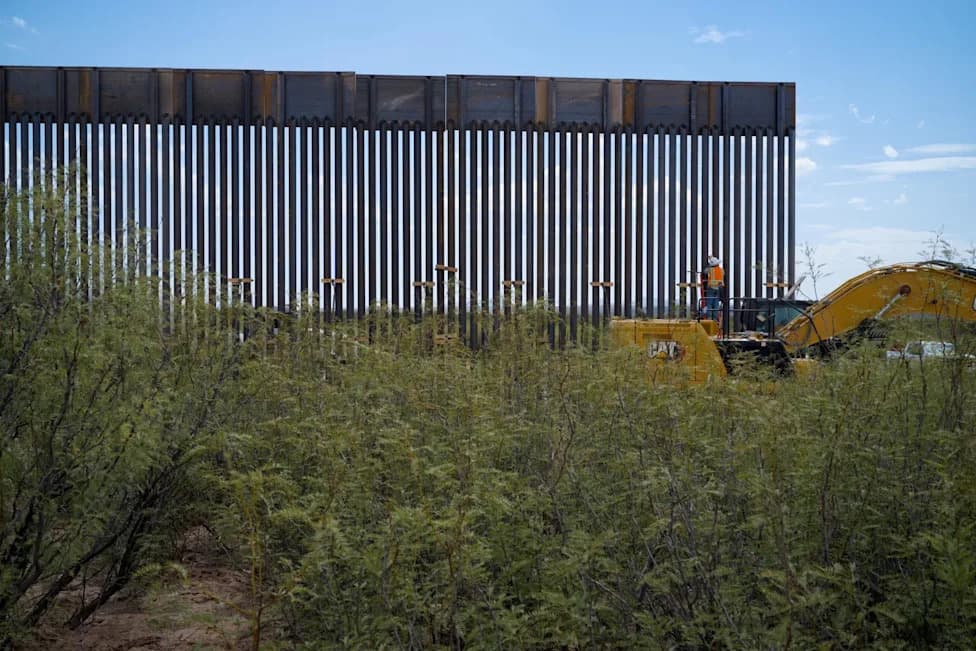
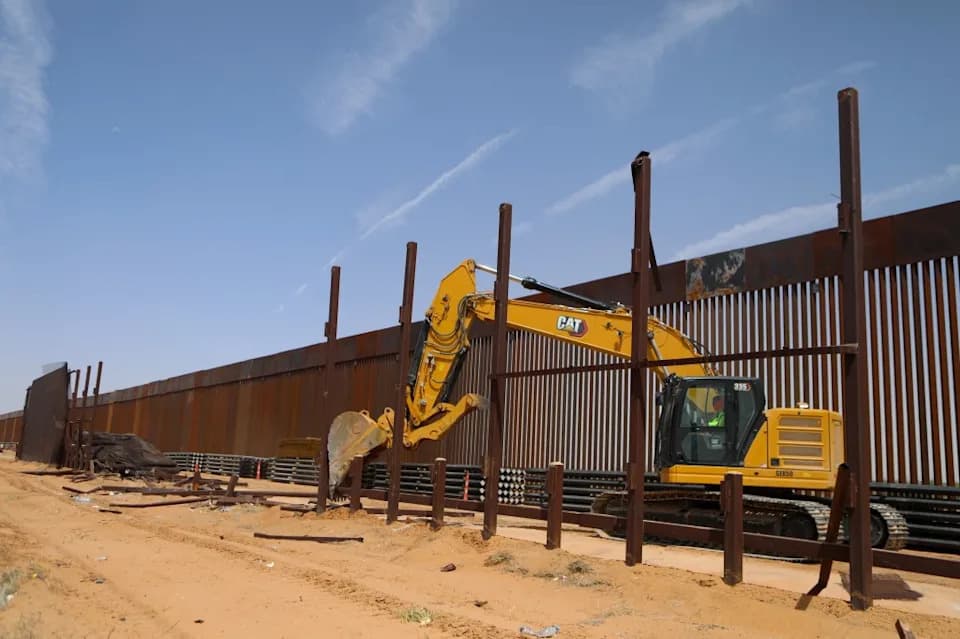
Bulldozers and heavy equipment linked to a Trump-era border contract were photographed and filmed entering Big Bend National Park this week, intensifying a long-running dispute over proposed border-security construction in the South Texas park.
Trucks marked with the logo of Southwest Valley Constructors (a subsidiary of Kiewit Infrastructure West) were recorded by Keep Big Bend Wild, a nonprofit group that advocates for the park. Video and photographs supplied to HuffPost and local outlets show bulldozers uprooting trees and cutting a wide path through a previously undisturbed desert wash; the images were credited to Natalie Newman.
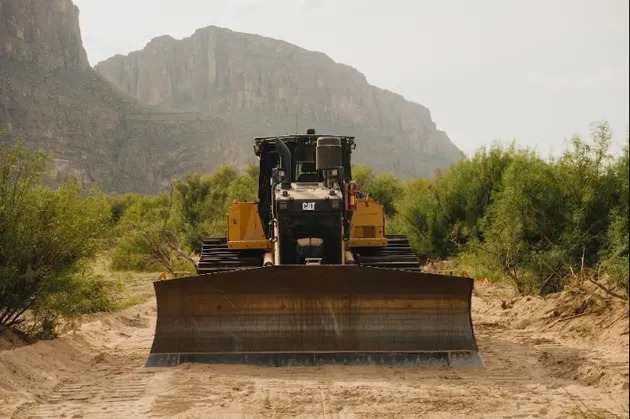
A bulldozer spotted in Big Bend National Park this week. Natalie Newman
Contract, Plans, And Changing Maps
In May of last year the federal government awarded an approximately $1.7 billion contract described as "for border wall in Big Bend." That sum is roughly 60% of the $2.88 billion the administration budgeted to operate the entire National Park Service in 2026.
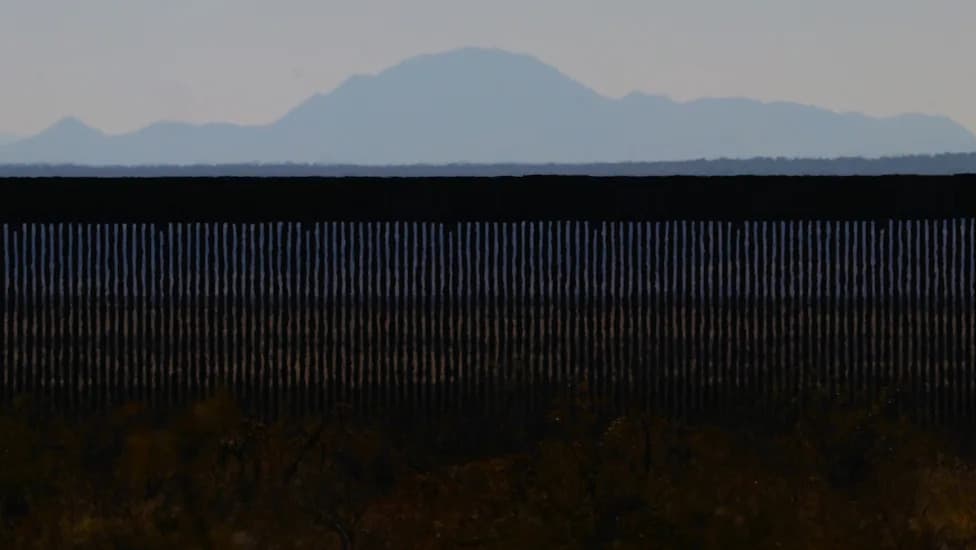
Customs and Border Protection (CBP) has said it will not build a single, continuous conventional wall through the park. Still, CBP maps outlining proposed projects have been revised repeatedly: what appeared in February as 112 miles of a "primary border wall system" was later relabeled in places as "detection technology," then temporarily removed from public view and returned with further edits.
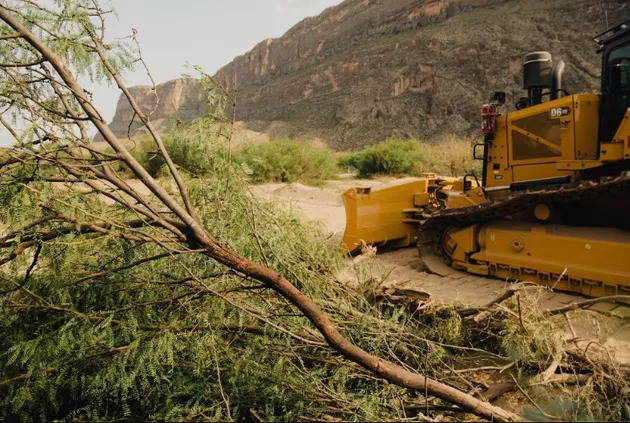
An uprooted tree lays beside the path of a bulldozer in Big Bend National Park. Natalie Newman
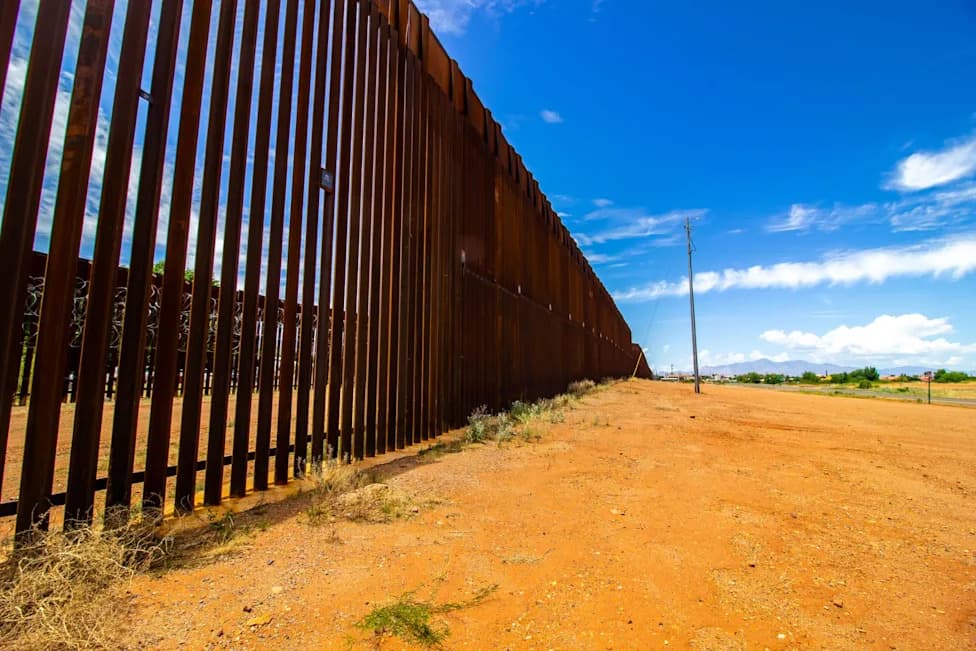
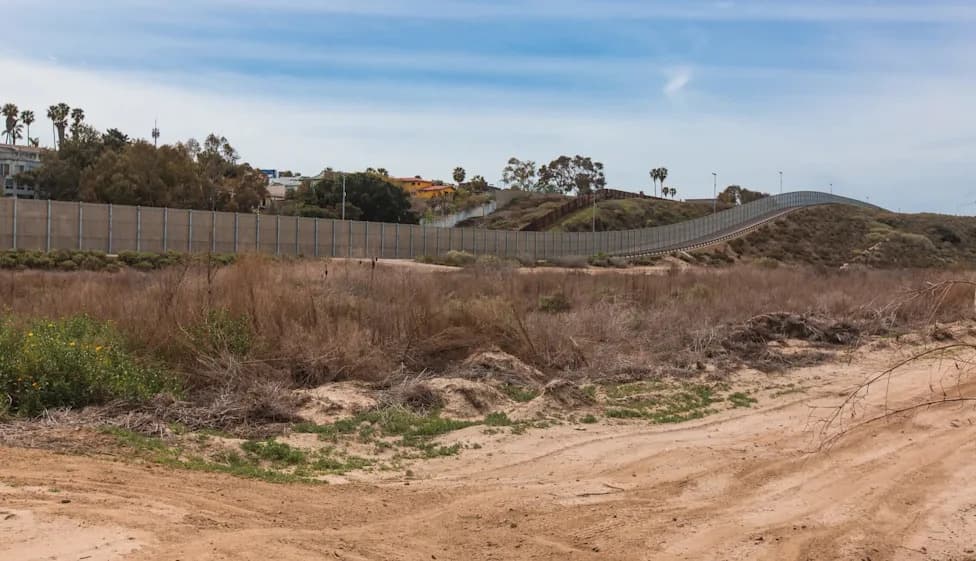
A June 2026 CBP planning document now calls for 17 miles of a "non-contiguous vehicle barrier system" with barriers alternating between four and six feet high, plus construction of 205 miles of patrol roads up to 24 feet wide. The plan also lists possible infrastructure including fiber-optic cabling, utility poles and power lines, surveillance cameras, access roads and utility shelters. The National Park Service did not respond to requests for comment.
Environmental And Legal Concerns
In February the administration waived 29 federal statutes to allow construction to proceed without the usual environmental reviews. The waivers included the Endangered Species Act, the Clean Water Act, the Clean Air Act, the Native American Graves Protection and Repatriation Act, and the National Environmental Policy Act (NEPA), the 1970 law that typically requires agencies to assess environmental impacts. A lawsuit challenging the legality of those waivers is currently pending in federal court.
"There are more effective, less destructive, and far less expensive ways to increase border security," said Bob Krumenaker, former superintendent of Big Bend and chair of Keep Big Bend Wild. "There's no logic. It looks like they're gonna do all sorts of things, which are almost the most destructive things that they can do for virtually no purpose."
"They have made it a mission to obfuscate and make this as confusing of a process as possible," said Laiken Jordahl, National Public Lands Advocate at the Center for Biological Diversity, criticizing repeated, undocumented changes to CBP's online maps.
Data compiled by the Washington Office on Latin America shows the Border Patrol's Big Bend Sector accounts for about 1.6% of CBP apprehensions since 1960. Conservationists and former park officials warn that building wide patrol roads, vehicle barriers and other hard infrastructure will cause lasting damage to fragile desert ecosystems and cultural resources.
Roughly 70 miles north, a related proposal in the West Texas town of Presidio would place a wall through part of the town's levee system; local leaders warn the work could increase flood risk. With legal challenges underway and continuing public protests, the dispute over border security and environmental protection in Big Bend remains unresolved.
What To Watch Next
- Federal court rulings on the challenge to the statute waivers.
- Further changes to CBP project maps and public disclosures about specific construction sites.
- Monitoring of on-the-ground environmental impacts and responses from federal agencies.
Help us improve.