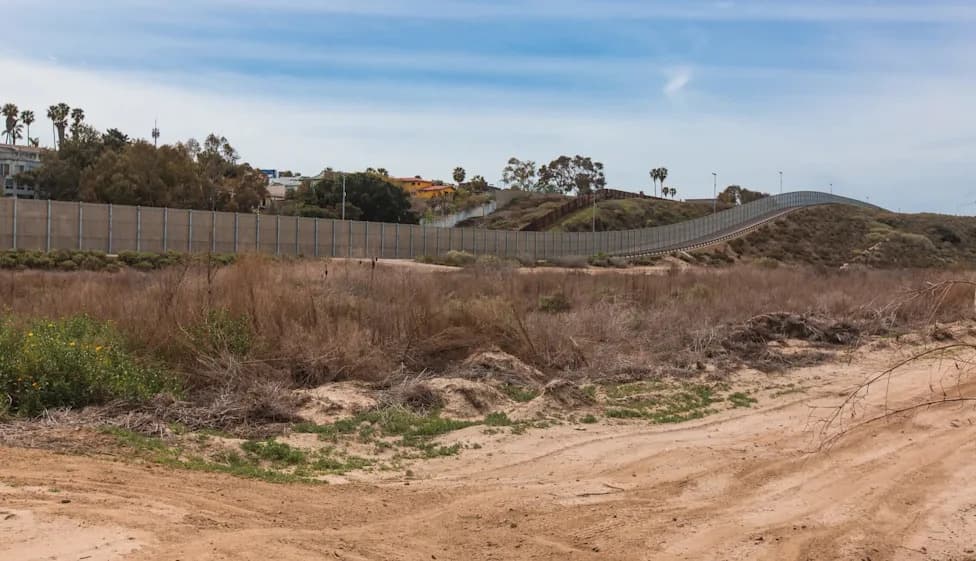
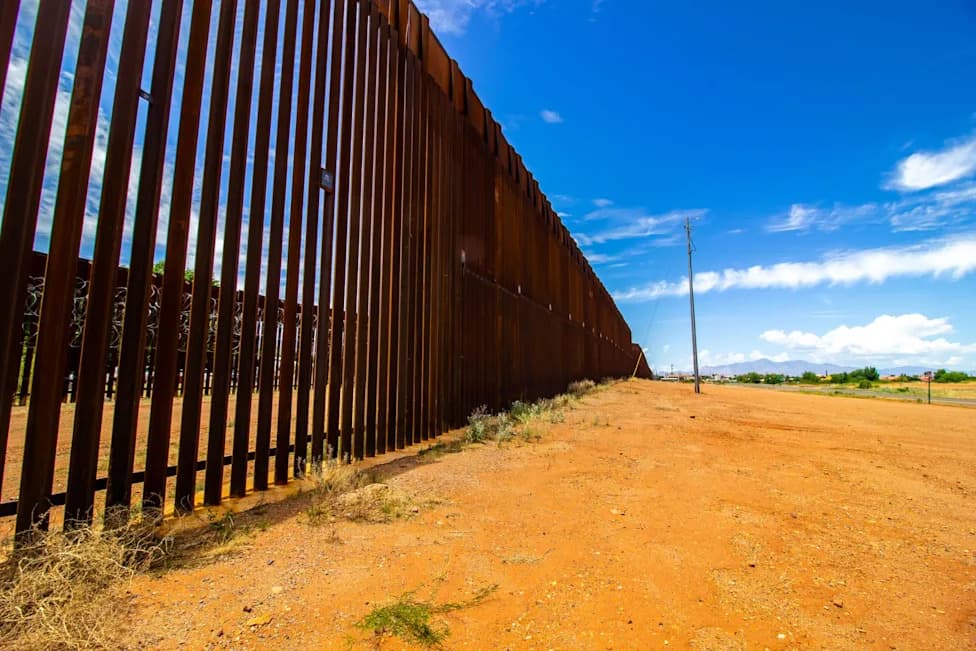
The Trump administration began installing 30-foot steel bollard panels in Hudspeth County on 15 September as part of a plan to expand a "smart wall" across West Texas's Big Bend region. CBP has offered signing bonuses to landowners while more than half of affected Rio Grande property owners have joined the No Big Bend Wall coalition to challenge eminent domain efforts. Legal disputes and public outcry—fueled by environmental and cultural concerns over damage to parks and ancient rock art—have created a patchwork of permissions and prompted a temporary pause in some construction activity.
Trump Administration Advances Controversial Big Bend Border Wall Despite Local Pushback
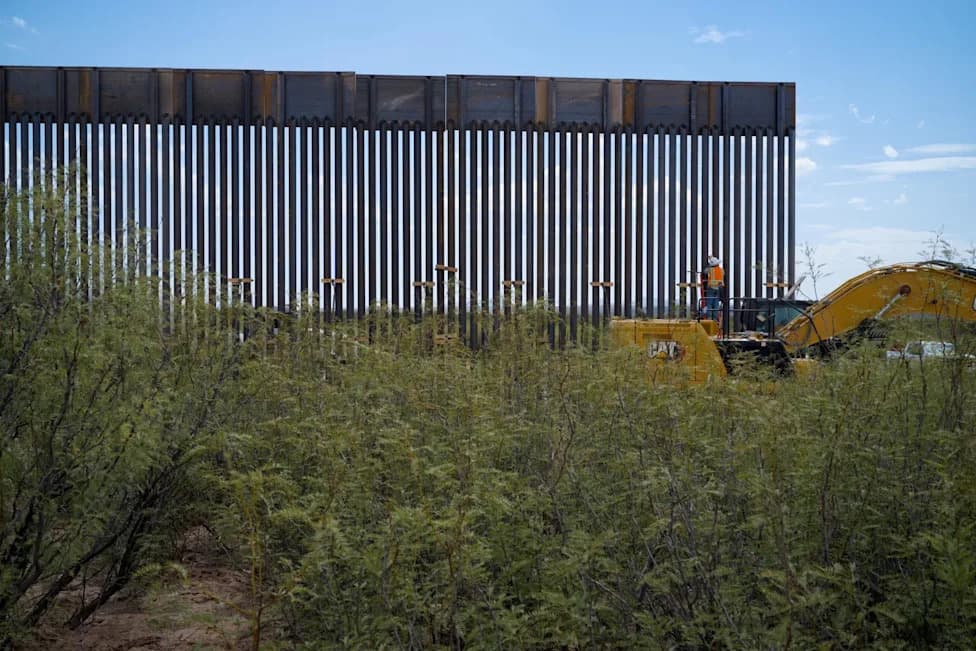
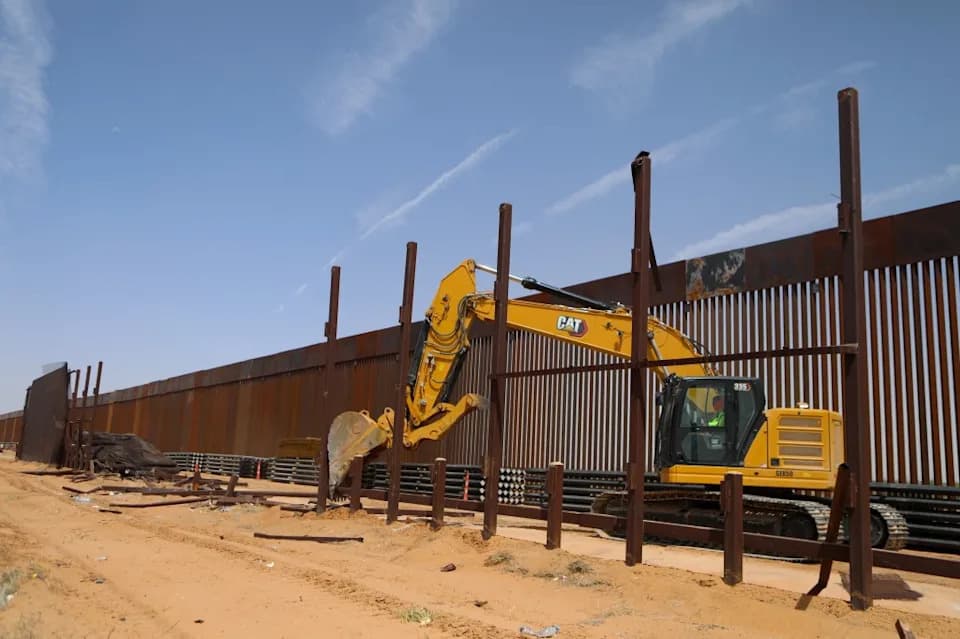
In this photo provided by Scott McWilliams, crews install the first sections of a new border wall in the Big Bend region of west Texas, on 16 September.Photograph: Scott McWilliams/AP
The Trump administration has begun installing 30-foot steel bollard "panels" in Hudspeth County as part of a broader effort to expand a so-called "smart wall" across the remote Big Bend region of West Texas. Customs and Border Protection (CBP) started putting up the first panels on 15 September, prompting sharp criticism from local landowners, conservation groups and some Texas lawmakers.
What Happened
CBP crews installed the initial sections of bollard fencing in Hudspeth County without a prior public announcement; a spokesperson confirmed the work by email and the Associated Press first reported the development. The agency has been asking landowners along the Rio Grande for permission to build and has offered signing bonuses intended to avoid eminent domain proceedings.
Why Locals Are Alarmed
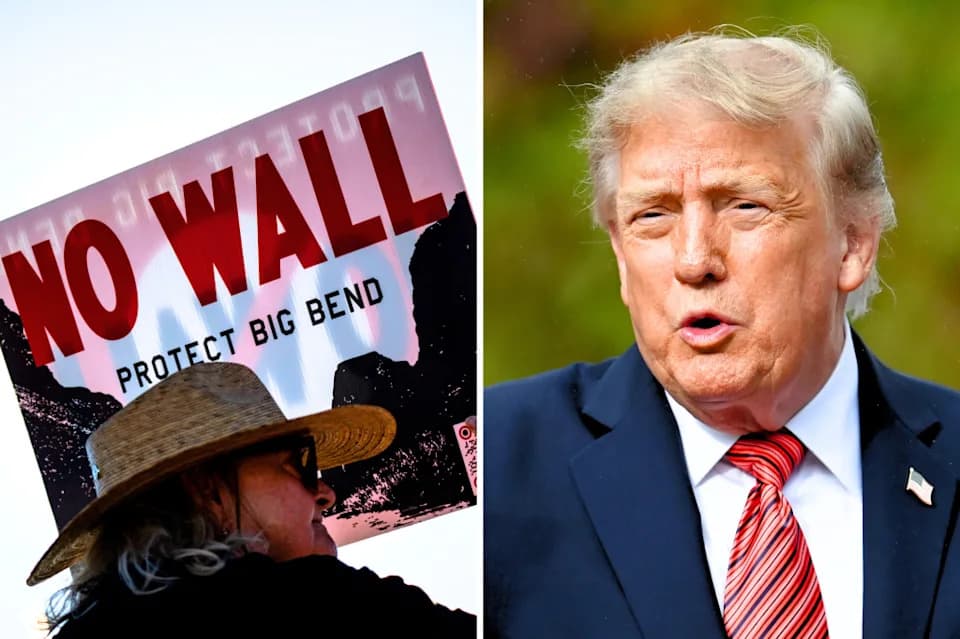
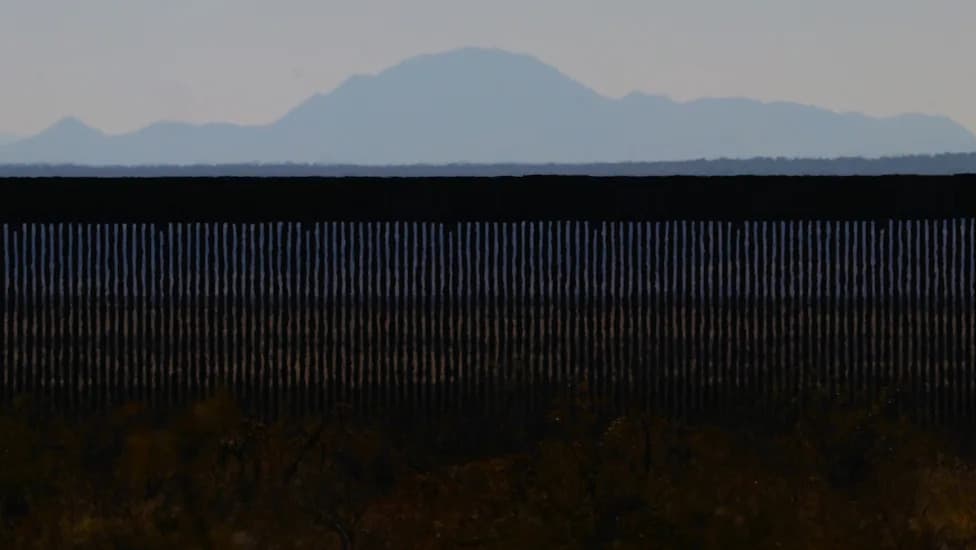
Photos obtained by the No Big Bend Wall coalition show isolated stretches of towering fencing that, in places, could be bypassed on either side. Clara Bensen, communications director for the coalition, estimates roughly 400 landowners hold title to riverfront properties where CBP seeks construction rights; more than half have joined the coalition and intend to contest the government's use of eminent domain.
"They're moving forward even if the plan is not fully baked," Bensen said. "They're just grasping on to whatever little plots of land they've managed to get so far."
Funding and The "Smart Wall" Plan
House Republicans inserted about $46.5 billion for border-wall expansion into a broad spending bill last year, providing CBP substantial funding to pursue its plan. The agency's "smart wall" concept combines 30-foot bollard fencing with vehicle barriers, patrol roads and sensors.
Environmental And Cultural Concerns
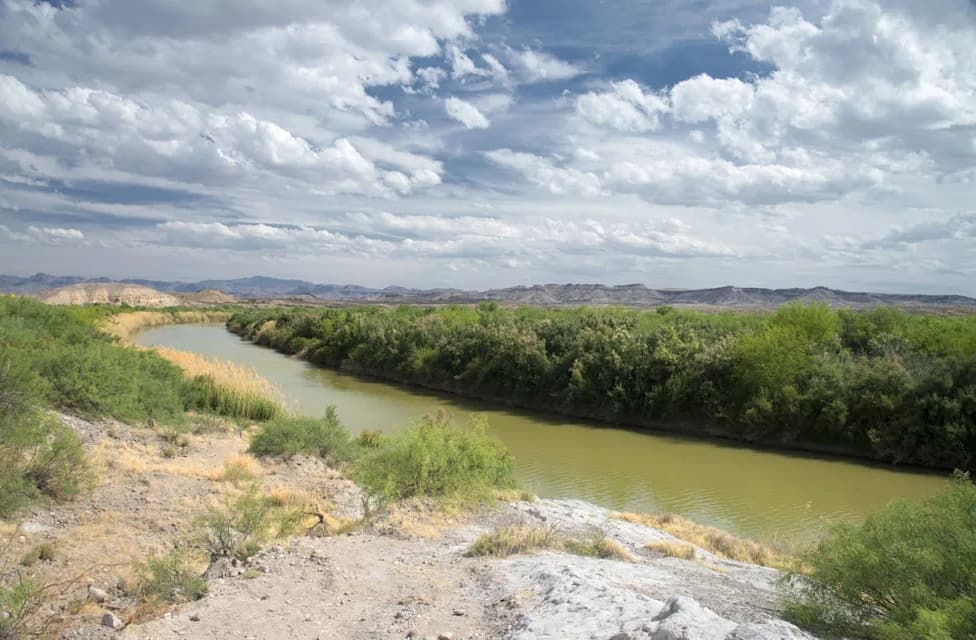
Big Bend has historically seen relatively few apprehensions—CBP says the roughly 500-mile (800 km) region accounted for less than 2% of illegal-crossing apprehensions—partly because its cliffs, desert terrain and the lack of settlements on the Mexican side are natural deterrents. Opponents fear that construction would scar iconic landscapes and harm protected areas, including Big Bend National Park, Big Bend Ranch State Park, the Black Gap Wildlife Management Area and the Amistad National Recreation Area.
Critics also warn that blasting and heavy construction risk damaging or destroying dozens of millennia-old rock-art murals and could restrict landowners' river access and grazing operations. Bob Krumenaker, former superintendent of Big Bend National Park and chair of Keep Big Bend Wild, said advocates plan to press lawmakers in Washington, D.C., to protect the park from intrusive infrastructure.
Agency Response And Current Status
Images of bulldozers clearing brush for a road sparked public outrage and provoked a temporary pause in construction ordered last month by CBP Commissioner Rodney Scott. Officials say legal disputes with landowners have left the project fragmented: without contiguous permissions across private parcels, CBP has in many places installed isolated fencing rather than a continuous barrier.
The debate illustrates the clash between a federally funded security initiative and local opposition centered on property rights, conservation and cultural preservation. Whether the patchwork of legal challenges and mounting public criticism will significantly alter CBP's timetable remains uncertain.
Help us improve.