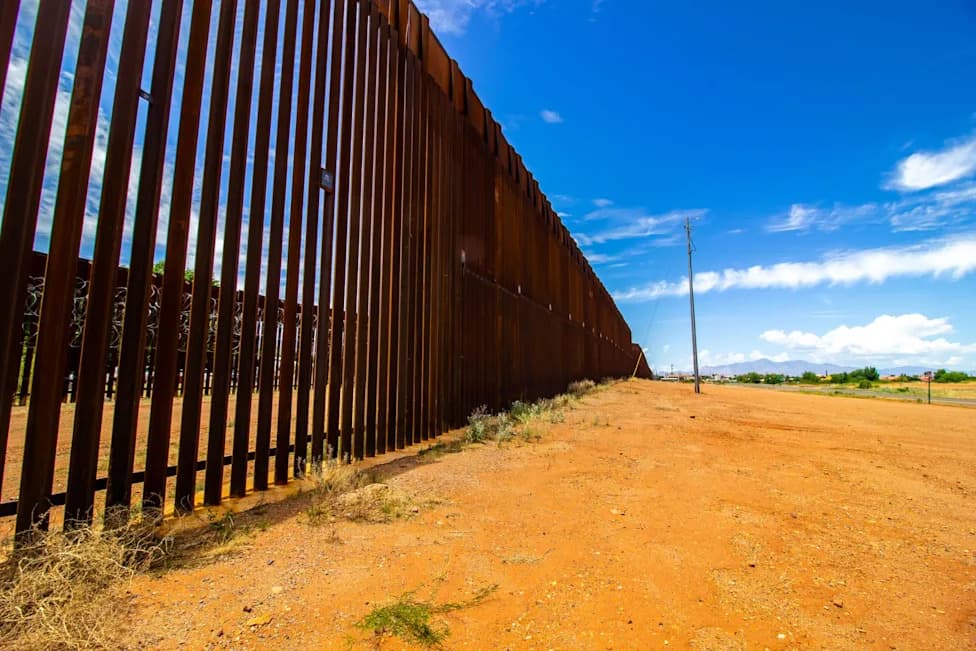
A new lawsuit filed by Conserve Big Bend and six landowners seeks to block proposed border-wall construction in West Texas, arguing DHS improperly used waiver authority in a region with low arrest numbers. Plaintiffs say the project—part of a roughly $46 billion plan—would threaten Rio Grande water access, cultural sites and wildlife habitat. The case spotlights broader concerns about environmental harm and community impacts from large-scale border infrastructure.
Big Bend Landowners Sue to Block Border Wall, Warn It Would Cut Off Rio Grande Water and Harm Ecosystems
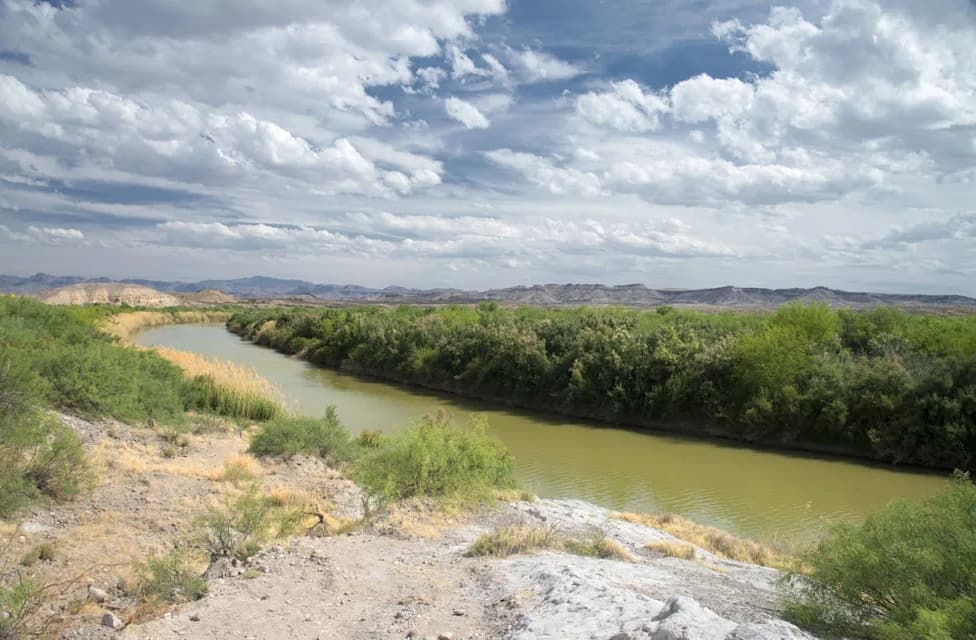
Photo Credit: iStock
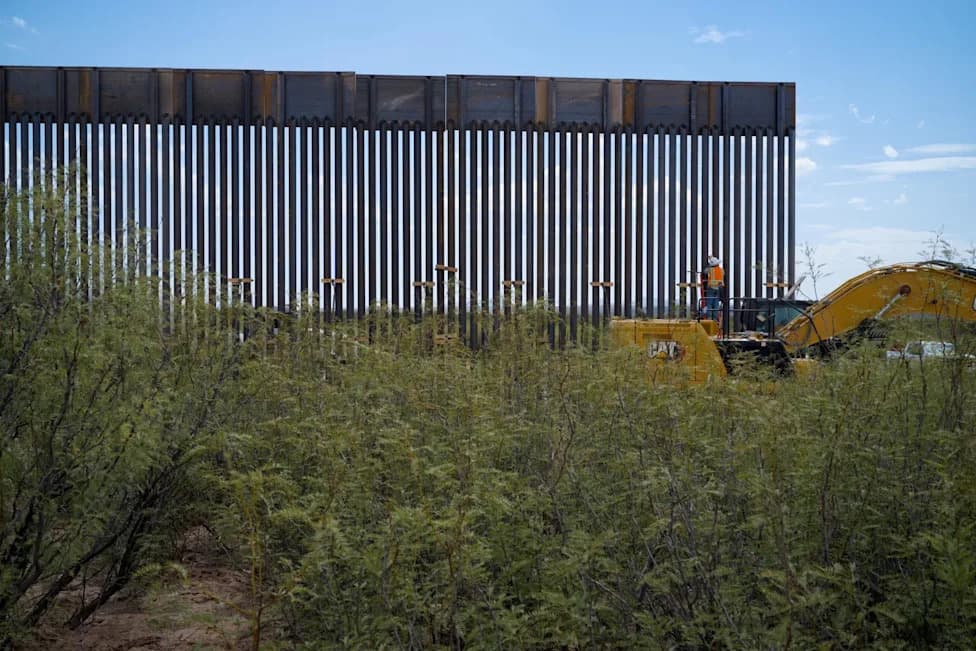
A coalition of landowners and conservationists in West Texas has filed a lawsuit to stop planned border-wall construction in the Big Bend region, arguing that the project would jeopardize water access from the Rio Grande, damage cultural sites and devastate sensitive wildlife habitat.
Conserve Big Bend joined six private landowners in the suit, which challenges the Department of Homeland Security's use of waiver authority to bypass environmental, archaeological and wildlife protections. Plaintiffs say the administration is overreaching by applying those waivers in a sector of the border that, they contend, does not face unusually high levels of illegal crossings.
What Plaintiffs Say
The complaint highlights arrest data to support its case: Big Bend covers roughly 500 miles of the U.S.-Mexico boundary—about one-quarter of the southern border—yet accounted for only about 1% of arrests. Plaintiffs argue that record undermines DHS's claim of "high illegal entry" and therefore does not justify sweeping waivers of protections.
"For us, the Big Bend is not an empty place on the map. It is our home," said David Keller, an archaeologist and longtime resident of the region.
At a press briefing, Laura Allen, a former county judge whose family ranch lies in the proposed wall's path, criticized the construction plan despite having voted for President Trump in the past: "Thank you, President Trump. You've secured the border. But now let it go. It's time."
Scope of the Project and Local Backlash
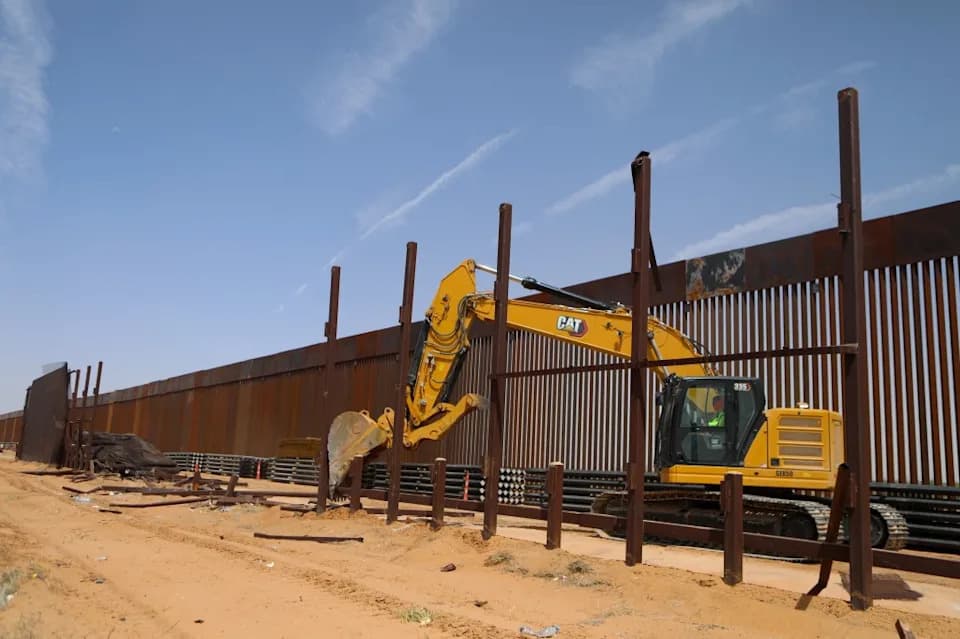
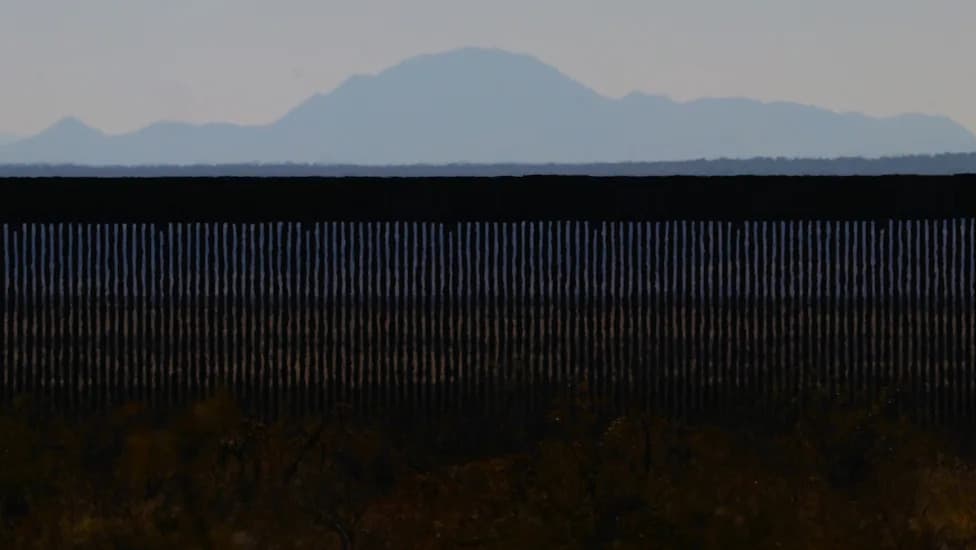
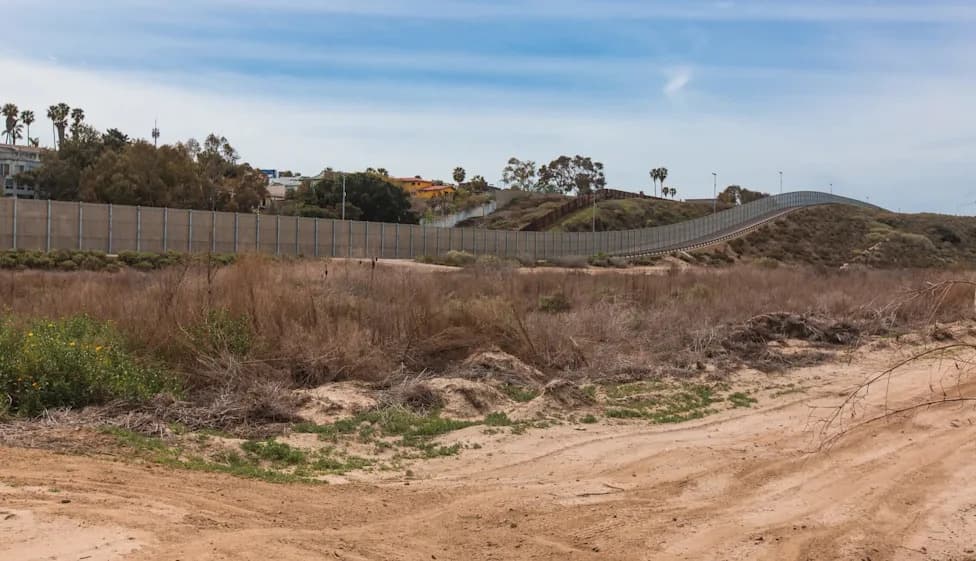
The lawsuit comes amid a roughly $46 billion federal initiative that, according to reporting, would include 30-foot steel bollard walls, vehicle barriers, new roads and surveillance technology across much of the U.S.-Mexico border. The program has already prompted multiple lawsuits in Texas and drawn bipartisan criticism from sheriffs, elected officials, landowners, environmental groups and local tour operators.
Opponents warn that bringing industrial-scale infrastructure into the remote, ecologically important Big Bend area would imperil ranching operations, tourism-based businesses, religious and cultural sites, and wildlife corridors. Big Bend National Park—known for its steep canyons and exceptionally dark night skies—could be directly affected by road-building, clearing and other construction activities.
Recent Events And Broader Context
Public alarm intensified after bulldozers were seen clearing land inside Big Bend National Park in August; Customs and Border Protection Commissioner Rodney Scott briefly ordered work in the park halted. Residents and advocates say a temporary stop is not enough and are pressing for lasting protections that reflect conditions on the ground while safeguarding water access and cultural heritage.
Legal experts and conservationists note this case fits into a nationwide debate over how border infrastructure can fragment habitats, block migration routes and increase wildfire risks. Previous disputes have involved endangered plants such as prostrate milkweed and internal government documents that warned border barriers could become a "deathtrap" for wildlife fleeing fires. Scientists across North America have warned that wall construction disrupts migration corridors for already stressed species.
Why It Matters: The suit raises questions about the balance between national security policy and local environmental, cultural and water-rights concerns—especially in an area where communities depend on the Rio Grande for livelihoods and ecosystems rely on intact migration pathways.
Help us improve.