Two grizzly cubs were killed in separate incidents at Katmai National Park in late July and early August, both captured on Explore.org live feeds. Park staff say an unusually high concentration of bears—more than 30 cubs plus 60–80 regular visitors at Brooks Camp—may have increased stress and conflict. One cub was pulled from a tree and later recovered; carcasses are removed from high-use areas to reduce risks and allow natural processes to recycle nutrients. The National Park Service does not intervene in wildlife deaths, and officials urged viewers to channel distress into positive local action.
Live Streams Show Two Grizzly Cubs Killed by Adult Females at Alaska’s Katmai National Park
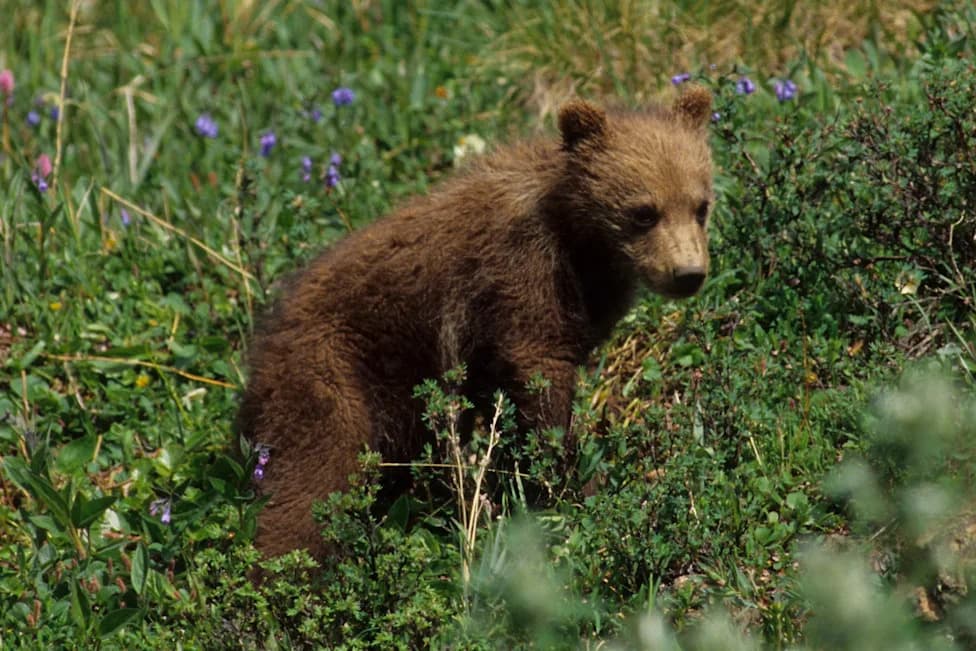
Park staff say the mother of one of the killed cubs has been seen "looking for her cub."
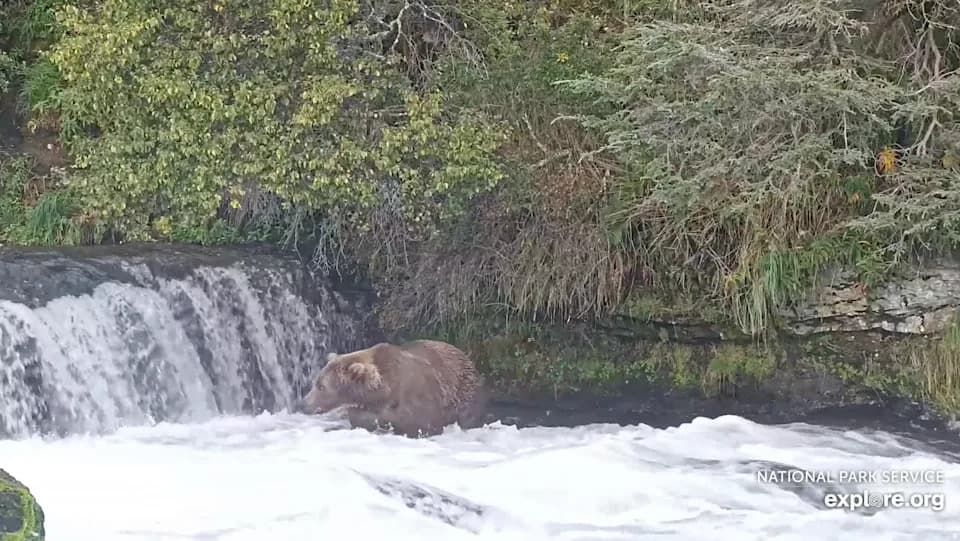
Wildlife viewers watching live feeds from Explore.org witnessed two separate incidents in which grizzly cubs were killed by adult female bears at Alaska’s Katmai National Park in late July and early August.
What happened
On July 28, park staff say an adult female bear killed and consumed a cub near a river at Brooks Camp. A few days later, on August 2, another cub was fatally injured after being pulled from a tree during a confrontation between two bears. Both events were captured on live stream and discussed by park staff during a public Q&A.
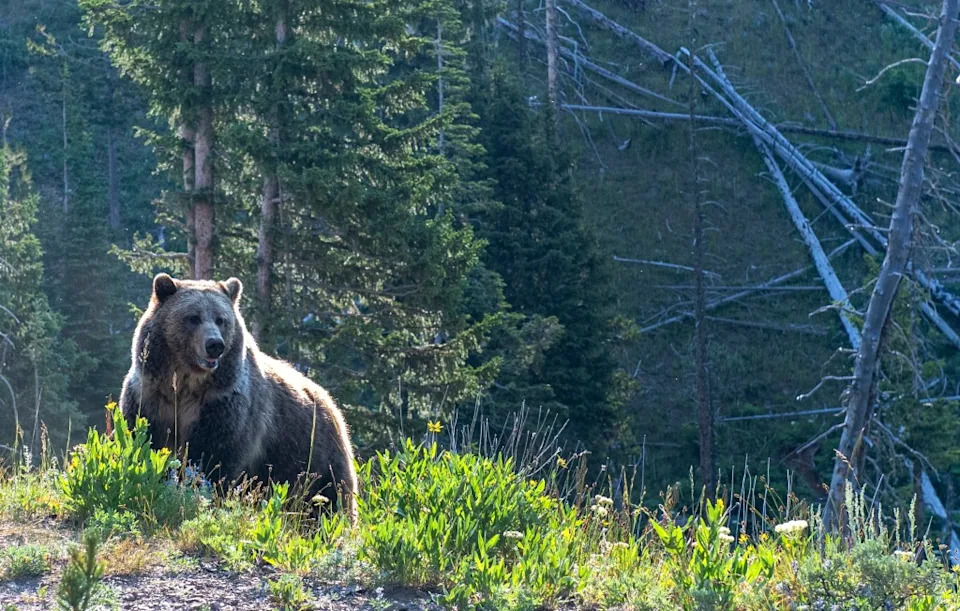
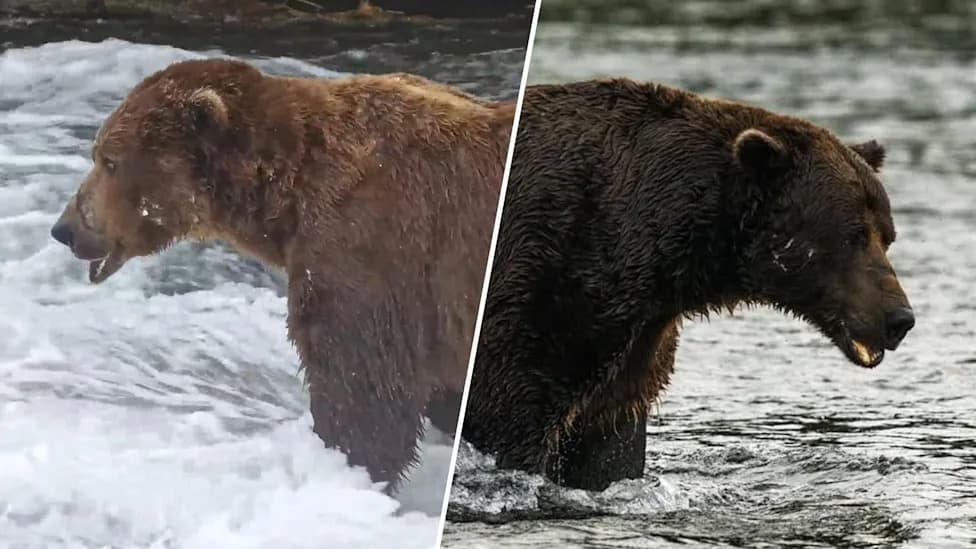
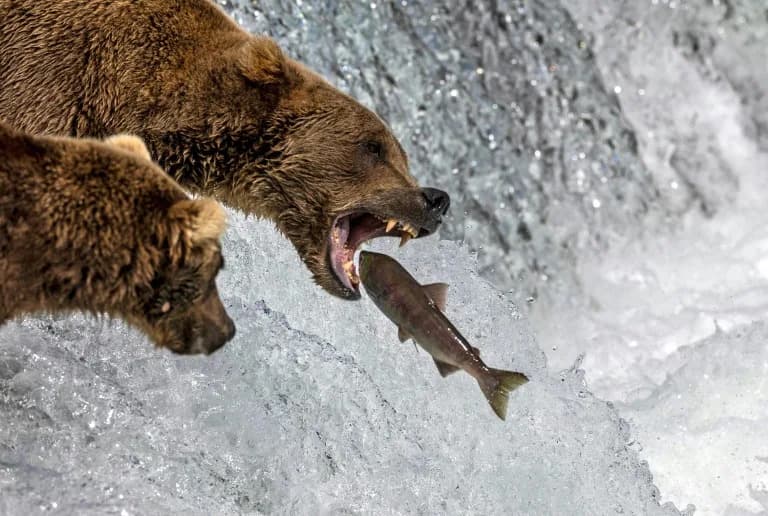
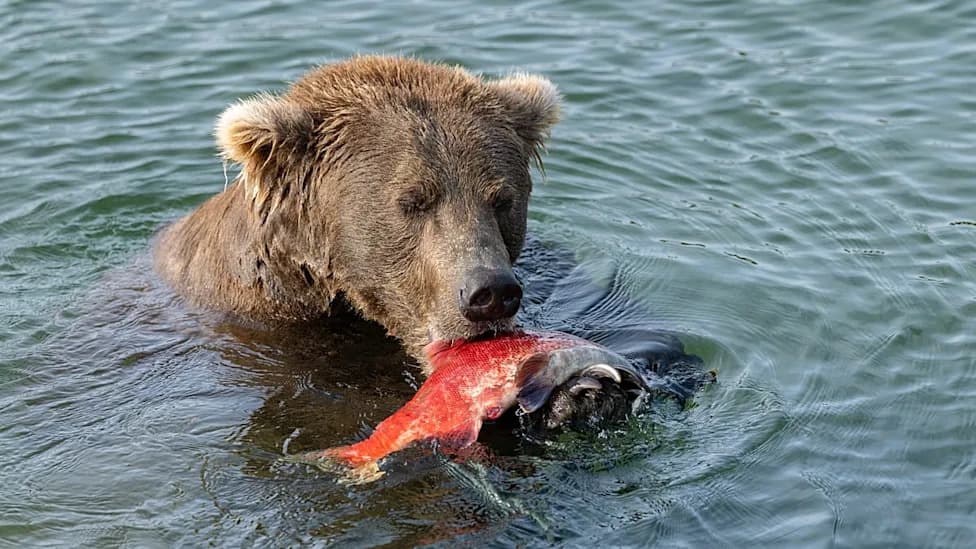
Two grizzly bear cubs were killed by adult female bears within days of each other at Alaska's Katmai National Park. Getty Images
Context and possible causes
Park ranger Sarah Bruce and other staff noted that this summer has been unusually crowded: more than 30 cubs were present alongside the 60–80 regular bears that visit the falls each year. That higher density may increase stress and competition, which can lead to aggressive encounters.
Details from the August 2 incident
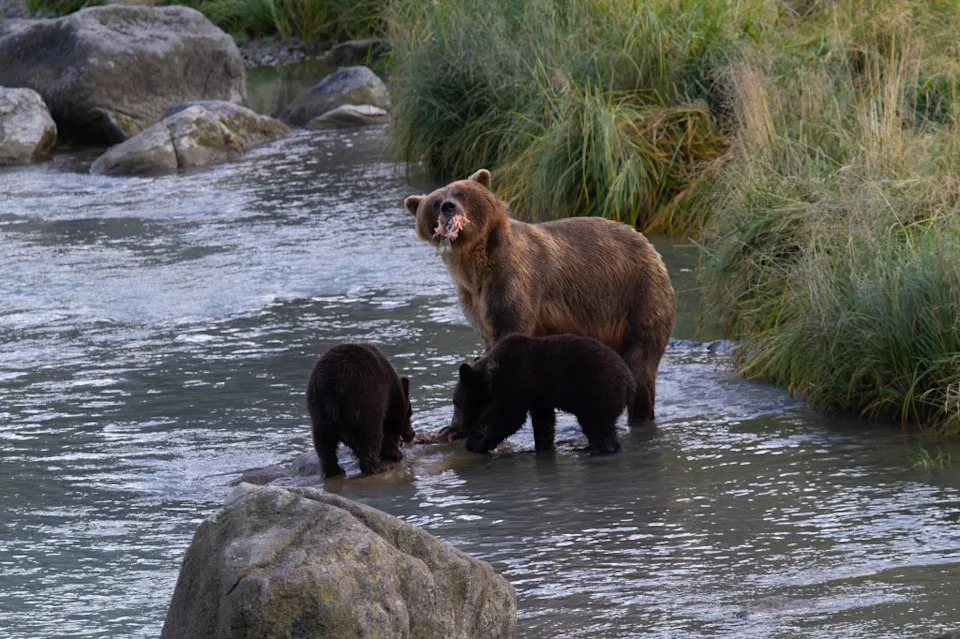
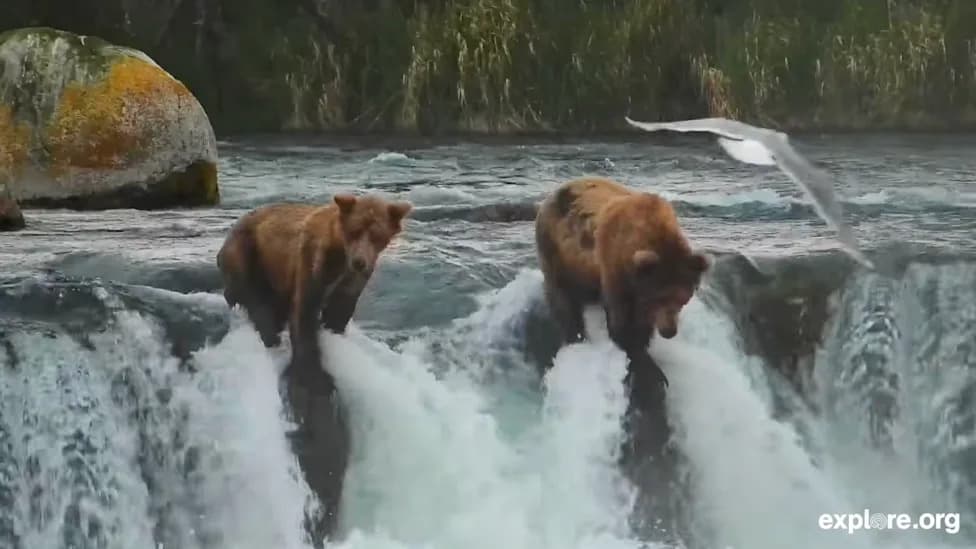
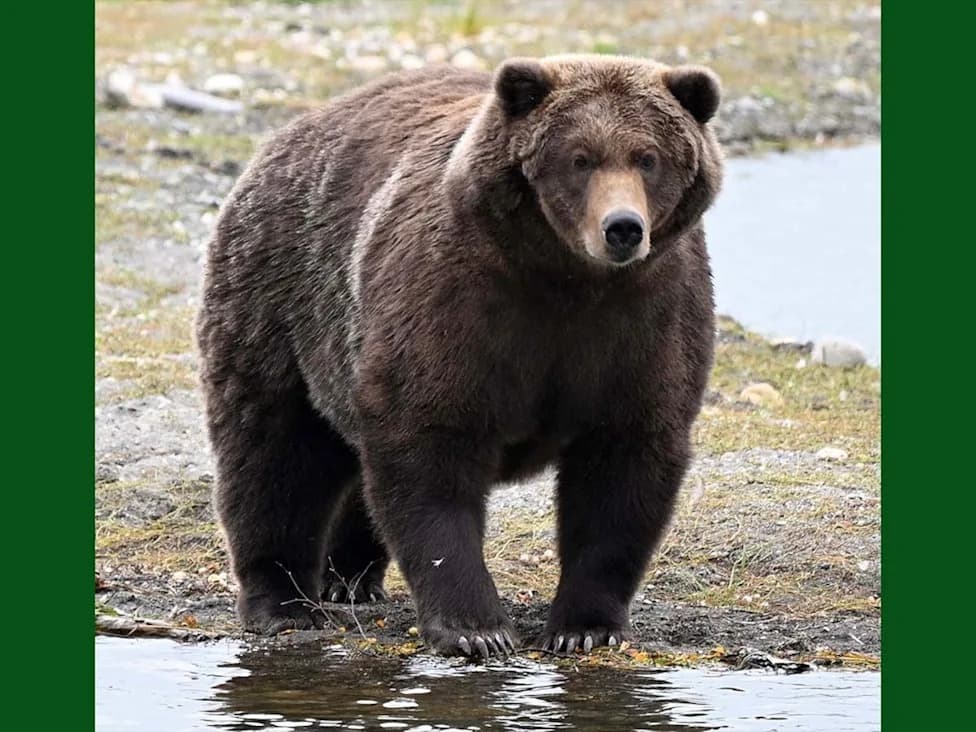
In Sunday's incident, an adult female bear dramatically pulled another bear's cub out of a tree, killing the tot. F&J McGinn – stock.adobe.com
According to the park’s account during the live session, three cubs belonging to one female climbed a tree and were followed by a cub from another female identified by staff as bear 355, who is believed to be about six years old and raising her first litter. The mother of the three cubs attacked the visiting cub, pulled it from the tree and inflicted severe injuries that proved fatal. Park staff later located the cub’s carcass and removed it from the river area to reduce risks to people and to prevent additional conflicts among bears.
Management approach and guidance
The National Park Service maintains a nonintervention policy for wildlife illnesses, injuries and deaths, preferring to allow natural processes to play out absent public-safety concerns. Officials said carcasses are relocated away from high-use areas so natural scavengers can reclaim the remains and nutrients return to the ecosystem, while minimizing hazardous human-bear interactions.
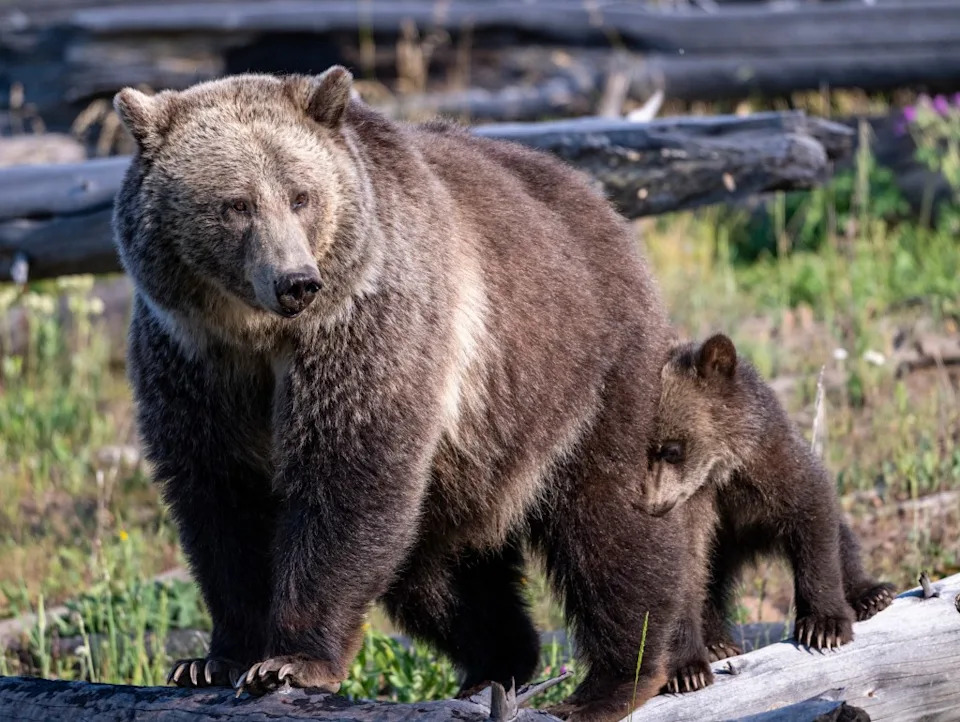
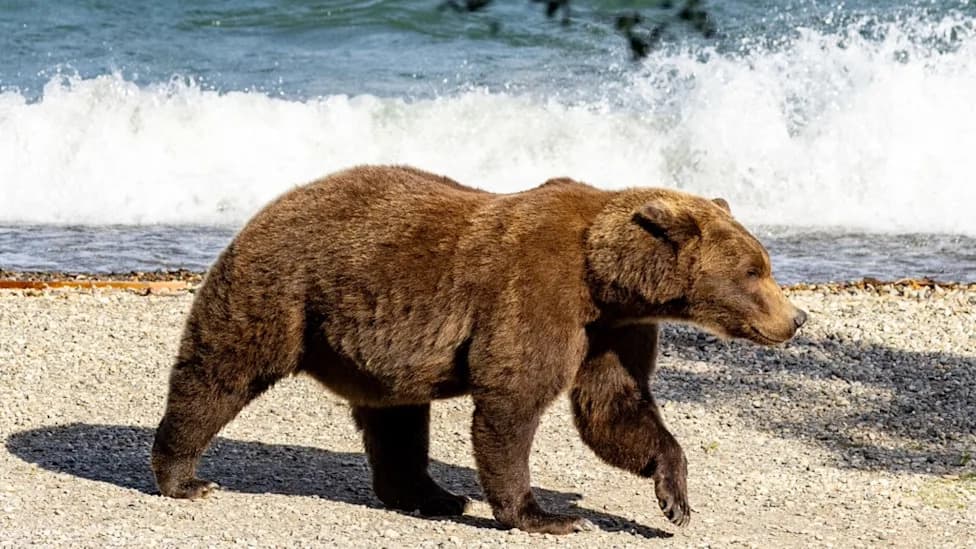
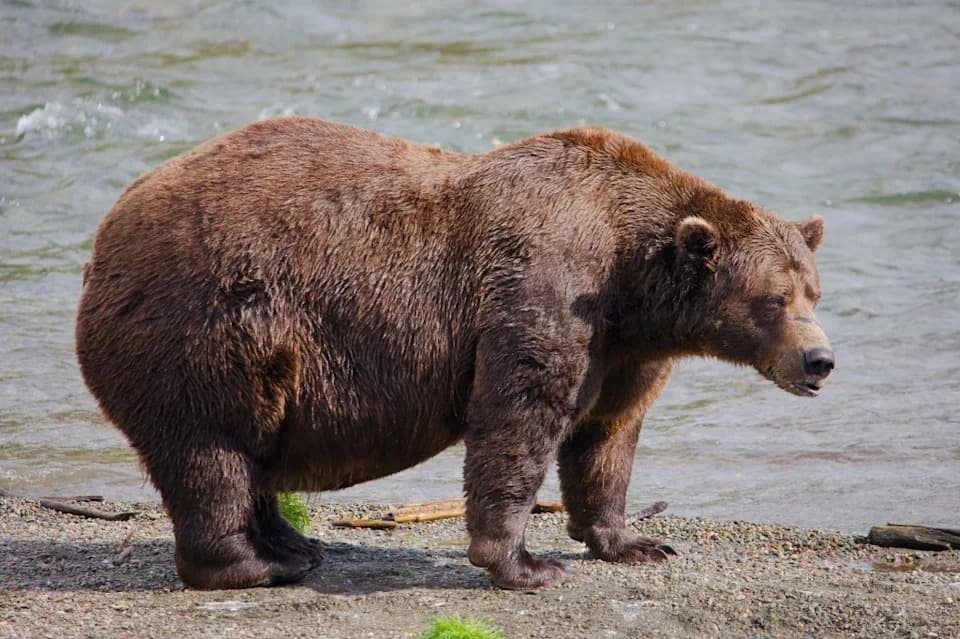
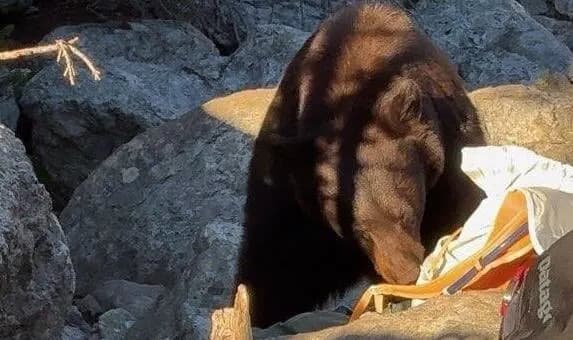
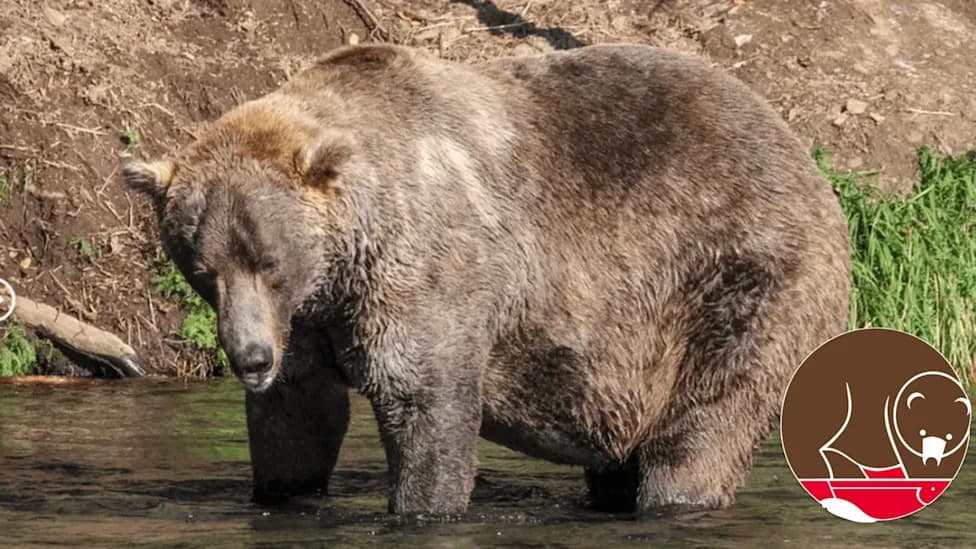
The grizzly murders come during a particularly crowded summer at the park, rangers say. Getty Images
Aftermath
Park staff reported that bear 355 has been seen with two surviving cubs and has been observed searching and huffing in the area, behavior the ranger described as part of a likely grieving process. Ranger Bruce acknowledged the emotional difficulty for viewers and encouraged people who feel helpless to channel their concern into constructive actions in their own communities.
“I want to acknowledge that this is not an easy thing to watch... It’s definitely not easy,” Ranger Sarah Bruce said during the live Q&A.
Note: some early reports included a numerical mismatch in bear identifiers (reported as 335 in one quote and 355 elsewhere). Park staff have identified the grieving mother as bear 355; minor inconsistencies in live reporting have been clarified by staff when possible.
Help us improve.