Fat Bear Week 2026 spotlights Katmai National Park’s largest brown bears as they bulk up on salmon ahead of hibernation. Reigning champion 32 “Chunk” returns after surviving a broken jaw, while challengers include ace fisher 164 Bucky Dent, veteran 151 Walker and offspring 903 Gully, descended from two-time winner 128 Grazer. The event highlights the importance of healthy salmon runs and habitat protection—threatened by climate change—and invites public voting from Sept 22 (noon ET) through Sept 29.
Fat Bear Week 2026: Who Will Take Katmai’s Crown? Meet the Top Contenders
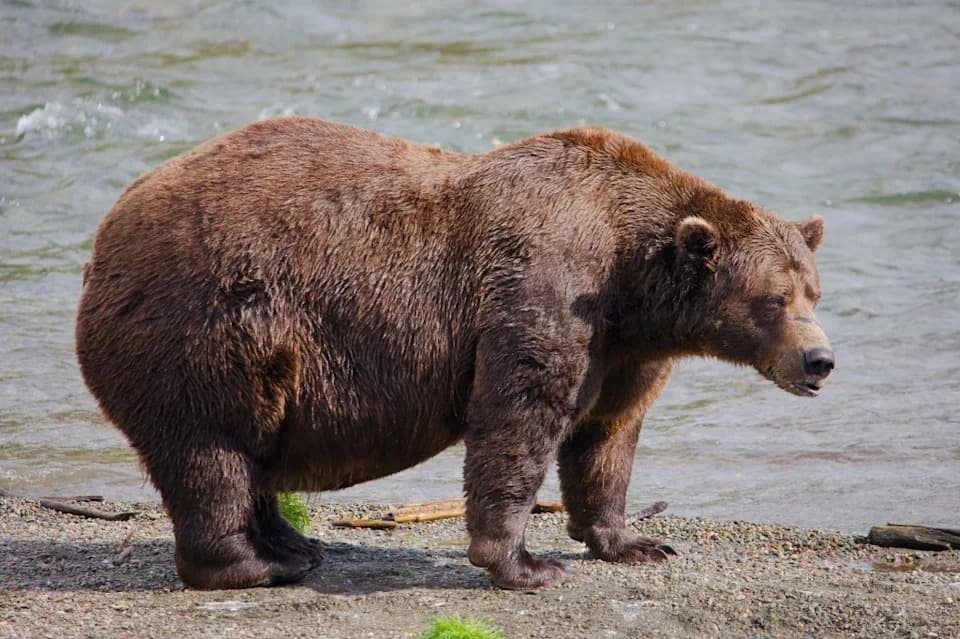
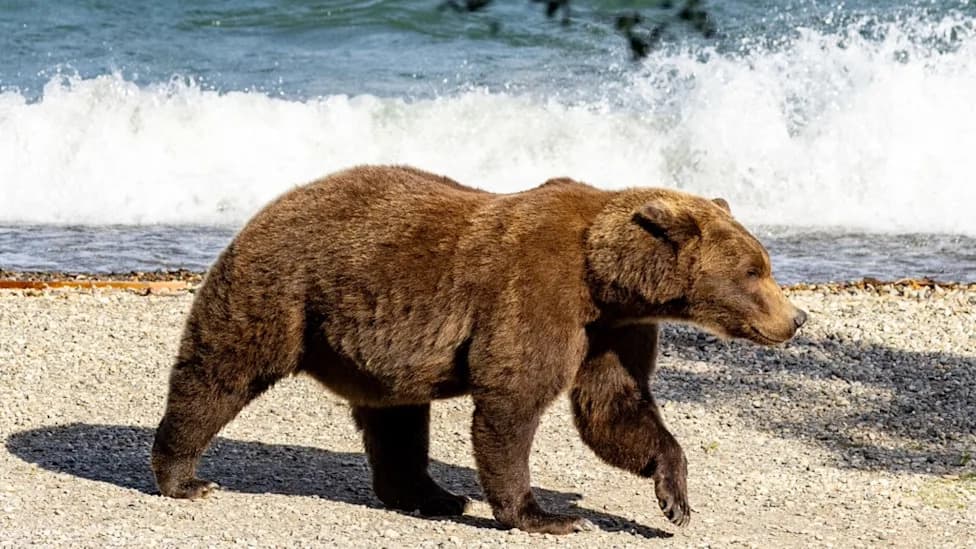
This image provided by the National Park Service shows bear 32 Chunk at Katmai National Park in Alaska on September 19, 2024. |E. Johnston/National Park Service via AP
Each autumn millions tune in to watch Alaska’s largest brown bears gorge on salmon as they fatten up for months of winter hibernation. What began as a quirky online poll has grown into an international wildlife event: Fat Bear Week, which highlights the annual salmon run at Katmai National Park and the ecosystems that support it.
Top Contenders To Watch
32 “Chunk”
Reigning champion 32, known as “Chunk,” is famous for dramatic seasonal weight gain. Photographs show him transforming from a lean summer bear into one of the river’s most massive fall contenders. Katmai Conservancy notes that after the 2025 season he returned with a broken jaw and missing teeth yet continued to feed successfully—an endurance story that helped him capture last year’s title.
164 “Bucky Dent”
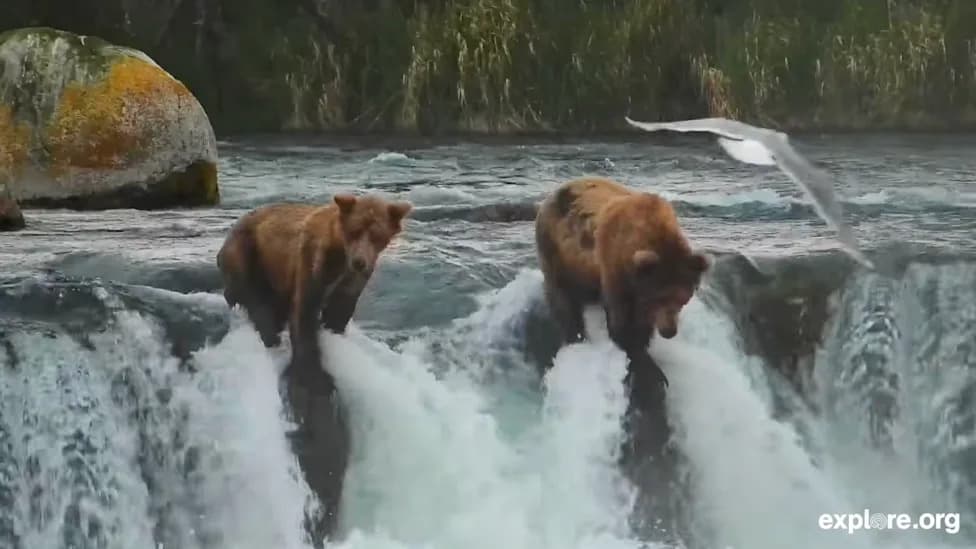
164 Bucky Dent has earned a reputation as an ace fisher. Younger than some veterans, he has rapidly become a fan favorite for his skill at catching salmon and his growing presence at Brooks River.
151 “Walker”
Walker is a long-standing dominant adult male at Brooks Falls. His size and assertive behavior often let him secure prime fishing spots, making him a perennial threat during Fat Bear Week voting.
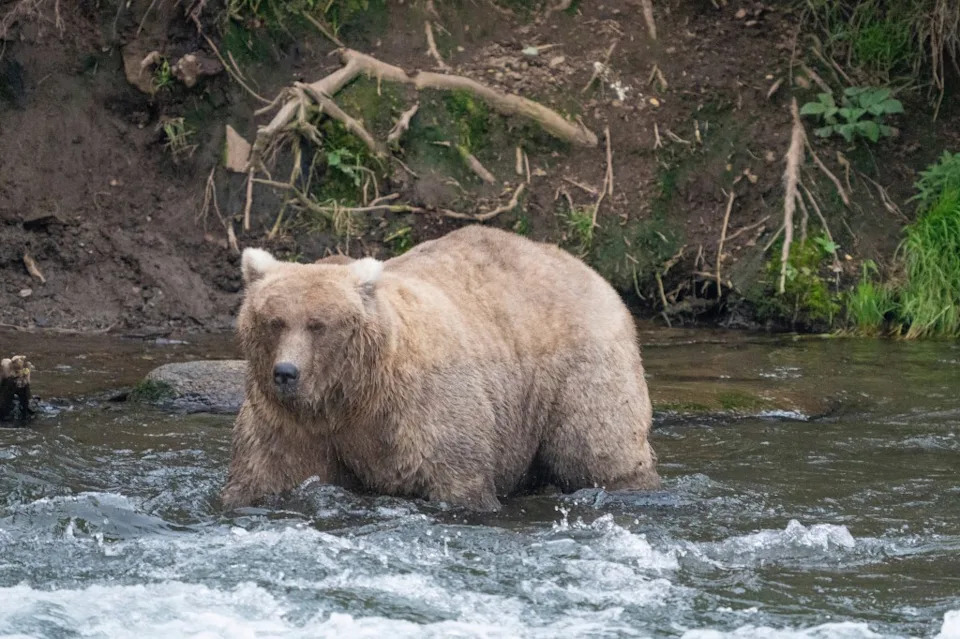
In this photo provided by the National Park Service is Grazer, the winner of the 2023 Fat Bear Contest, at Katmai National Park, Alaska, is seen on September 14, 2023. |F. Jimenez/National Park Service via AP, File
903 “Gully”
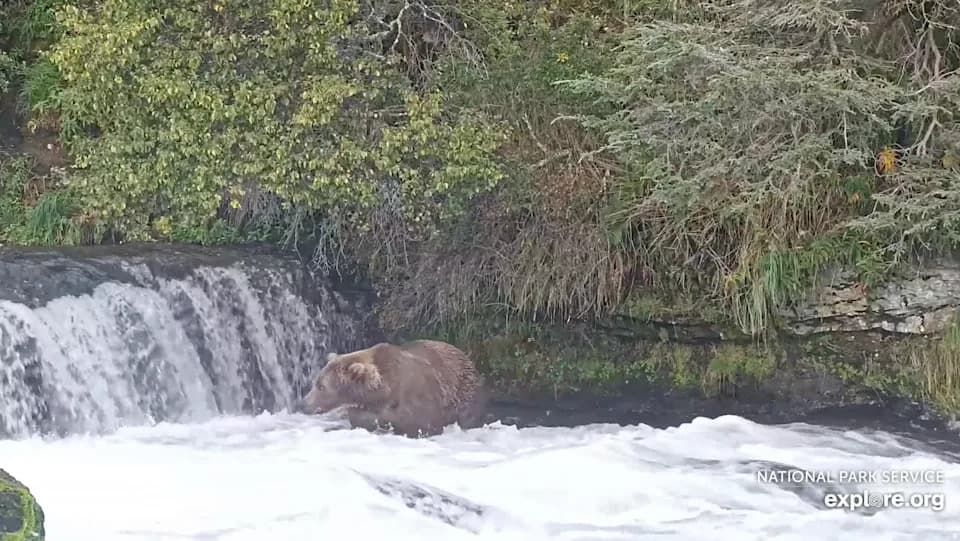
903 Gully, the offspring of two-time champion 128 Grazer, is known for supplementing salmon with gulls and for frequent competitions with larger males like Walker. Gully’s pedigree and bold behavior make him an intriguing contender.
Why The Contest Matters
Beyond the playful competition, Fat Bear Week draws attention to the ecological foundation that enables these bears to thrive. Healthy salmon runs are essential—abundant salmon allow bears to build fat reserves needed to survive months of winter dormancy. Any damage to spawning streams, water quality or habitat can ripple across Katmai’s food web, affecting not only bears but also fish, birds and other wildlife.
Climate change compounds these risks. Shifts in temperature and seasonal timing can alter salmon migration and bear hibernation cycles, potentially reducing how much weight bears can gain before winter and affecting survival and reproduction.
How To Watch And Vote
Fat Bear Week uses head-to-head matchups based on photographs from earlier in summer and on the fall feeding season. Voting opens Tuesday, September 22 at noon ET and runs through September 29. Each round narrows the field until a champion is crowned. Fans can vote online, follow live camera feeds (such as Explore.org’s Brooks River cams), and rally support on social media to turn the event into a friendly internet spectacle.
Photos provided by the National Park Service—including images of 32 Chunk (Sept. 19, 2024) and 128 Grazer (Sept. 14, 2023)—have helped introduce many viewers to these individual bears. Newsweek contacted the U.S. Department of the Interior for comment.
Help us improve.