Grand Teton National Park euthanized a black bear on Sept. 11 after staff concluded it had become food-conditioned by repeated human food rewards and frequent approaches to visitors near Delta Lake. Rangers found the bear unusually difficult to haze away, signaling it associated people with food. Park managers said translocation was not a safe or effective option in this case and that lethal removal was a last resort. Officials urged visitors to never leave food unattended to prevent similar incidents.
Grand Teton Euthanizes Black Bear After Repeated Food-Conditioned Encounters With Visitors
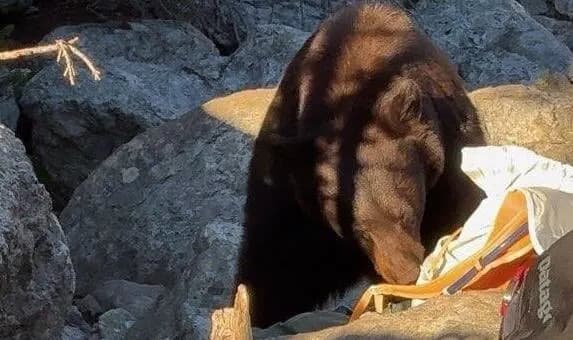
Grand Teton park forced to kill bear due to visitors' "poor decisions"
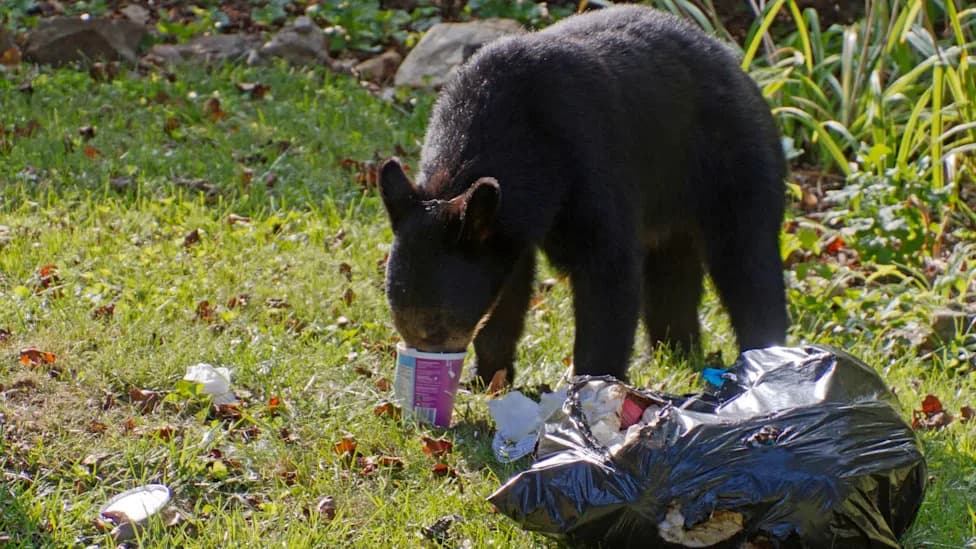
Grand Teton National Park euthanized a black bear on Sept. 11 after park staff concluded the animal had become food-conditioned by repeated human food rewards and frequent approaches to visitors in the remote Delta Lake area.
Park Officials Cite Visitor Behavior
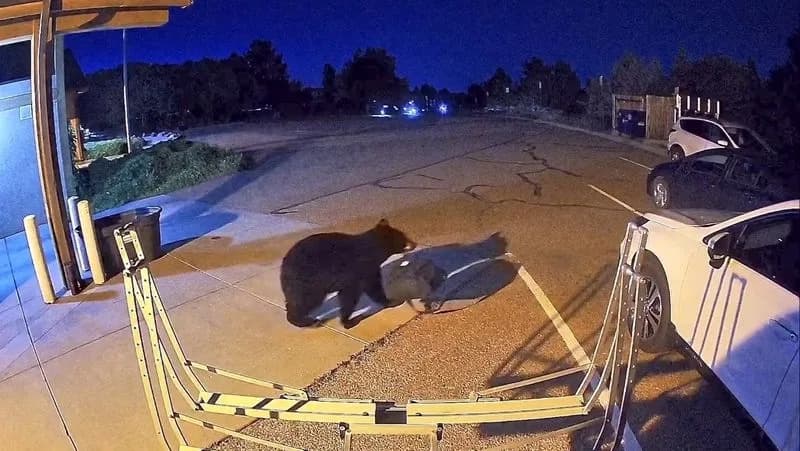
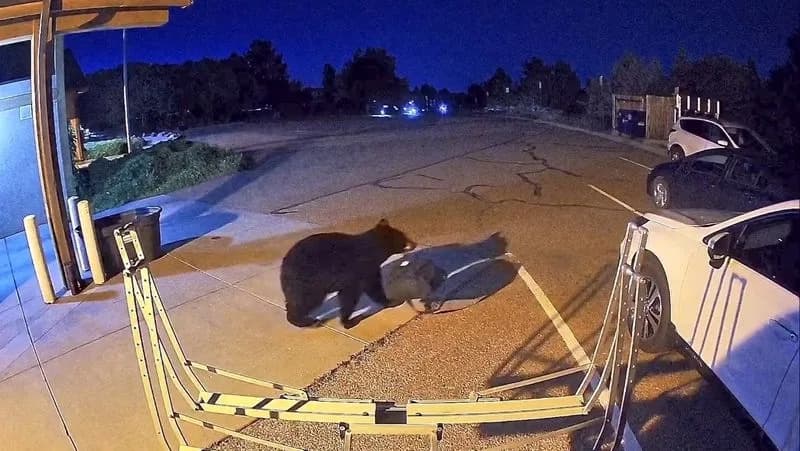
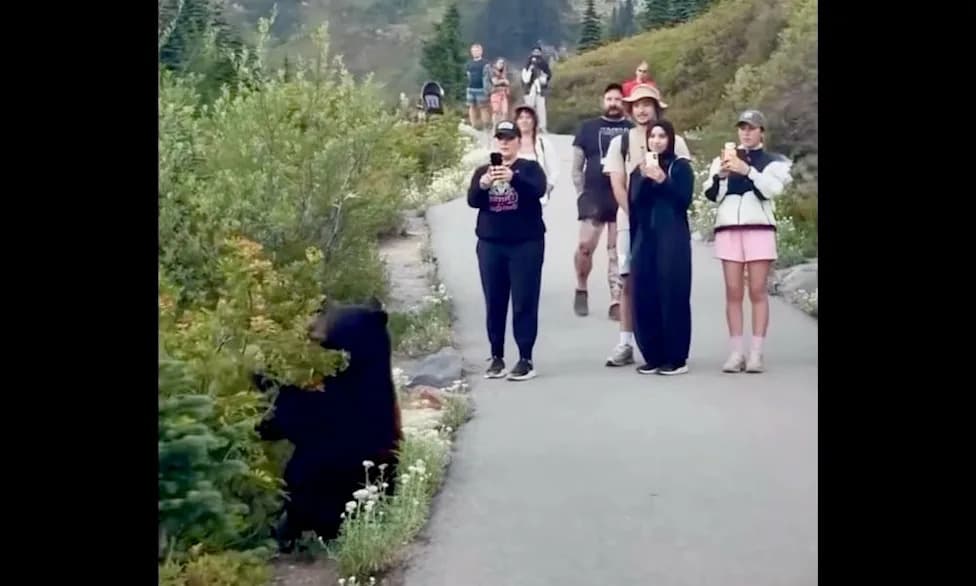
Park officials said staff observed "a concerning pattern of behavior, both from the bear and visitors," that escalated over several days. Rangers reported the bear repeatedly approached people and was "unusually difficult to haze away," an indication it had likely learned to associate people and campsites with food.
"We need to be clear—this bear was lethally removed because of poor decisions made by park visitors," the park said. "It is everyone's responsibility to help keep bears wild: Never leave food unattended, even for a moment."
Why Lethal Removal Was Chosen
Grand Teton managers said the bear's repeated food rewards and increasing proximity to visitors created an unacceptable safety risk. Staff euthanized the animal in the Delta Lake area and removed its carcass from the backcountry the following morning. The park explained that while translocation can be a management tool, it is not always safe or effective; in this case, wildlife managers determined other options had been exhausted and the bear posed a clear risk to human safety.
Preventing Food-Conditioning
The National Park Service warns that once a bear learns to link humans or human-used places (campgrounds, picnic areas, trailheads) with food, reversing that behavior is extremely difficult. Food-conditioned bears may aggressively pursue people and become a danger to visitors and staff. The park urged visitors to immediately seal and pack away food, never leave food unattended, and follow all bear-safety guidelines to help keep bears wild.
Key Takeaway: Small decisions—leaving food unattended or not securing scented items—can have fatal consequences for wildlife and people.
Help us improve.