The University of New South Wales used DNA "barcode" techniques on feral cat gut and scat samples and found many small or soft-bodied prey are missed by traditional visual surveys. As a result, cats may be preying on roughly twice as many mammal species and three times as many bird species as previously detected. Up to 200 of about 700 at-risk Australian species face direct threats from feral cats, prompting recommendations for fenced safe havens and improved monitoring.
Feral Cats Threaten Far More Australian Wildlife Than Previously Estimated
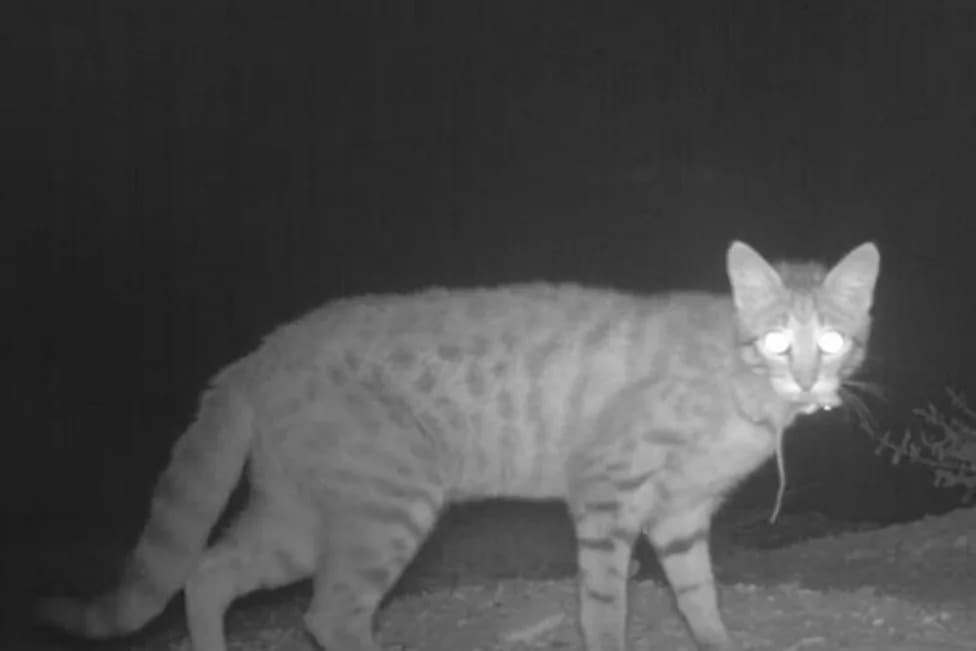
Cats are killing far more native Australian wildlife than previously thought
A new study from the University of New South Wales shows that feral cats are contributing to declines across far more Australian mammal and bird species than earlier research suggested. Using DNA-based forensic techniques to analyse gut and scat samples, researchers detected small and soft-bodied prey that traditional visual methods routinely miss.
DNA Barcodes Reveal Hidden Prey
Previous diet studies rely on visually identifying hair, bones, feathers and other durable remains in stomachs or scats. Those traces often break down in a cat's digestive tract, biasing results against small or soft-bodied animals. The UNSW team used a DNA "barcode" approach—matching short, species-specific genetic markers from gut and scat samples to reference sequences—to reveal prey items that would otherwise be invisible.
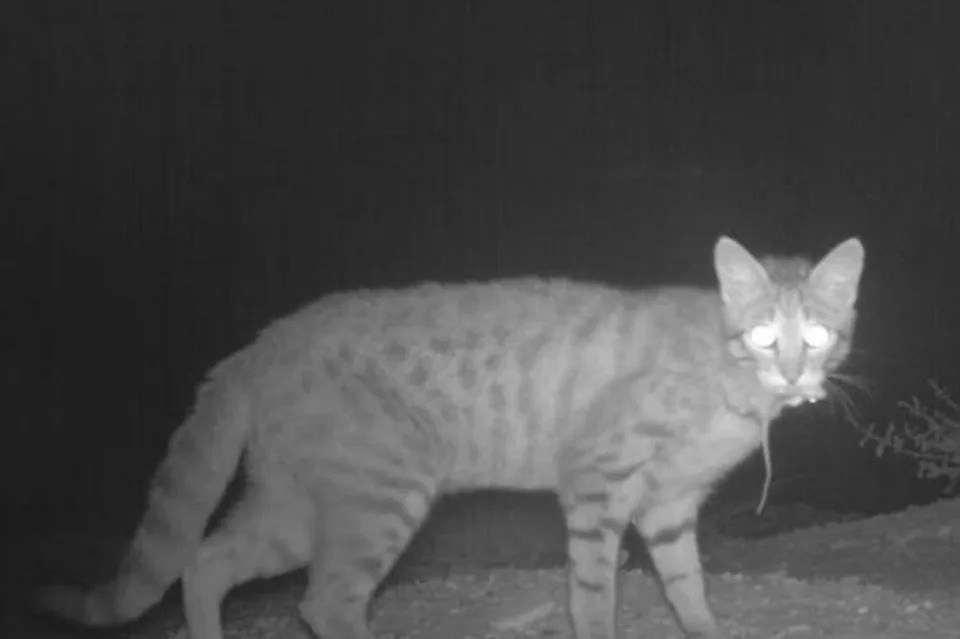
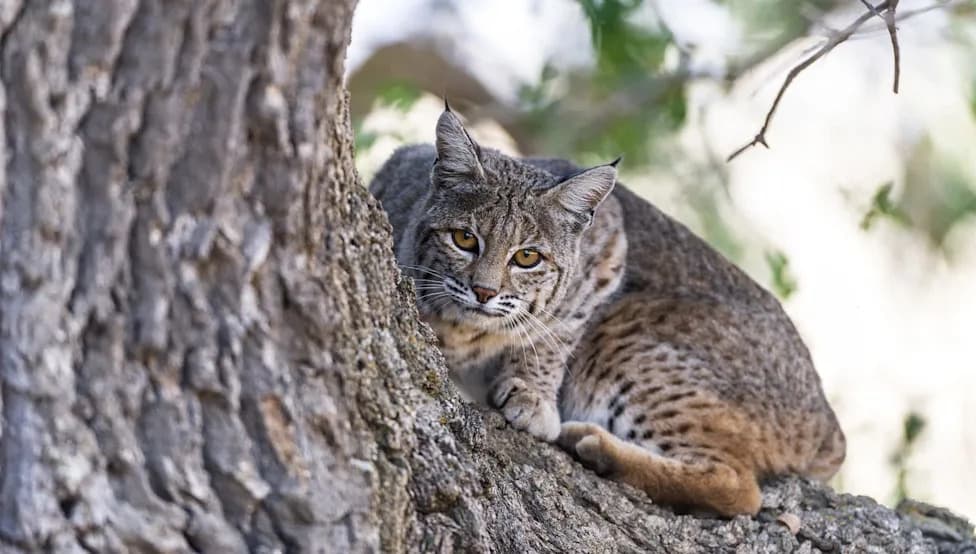
Feral cat (Katherine Moseby/UNSW)
The analysis, published in Wildlife Research, indicates Australian feral cats may be preying on roughly twice as many mammal species and three times as many bird species as earlier methods detected. The study also found soft-bodied animals, such as some frog species, appearing in diets more frequently than prior surveys suggested.
Scale Of The Problem
Australia has recorded more than 40 mammal extinctions in the last 250 years, and nearly 700 native species are currently considered at risk of future extinction. Researchers estimate that up to 200 of those at-risk species are directly threatened by feral cats, in addition to pressures from land clearing, other invasive predators and disease. An earlier synthesis of 100+ studies estimated wild cats kill almost 1.5 billion native animals each year; the new findings suggest that total may be substantially underestimated.
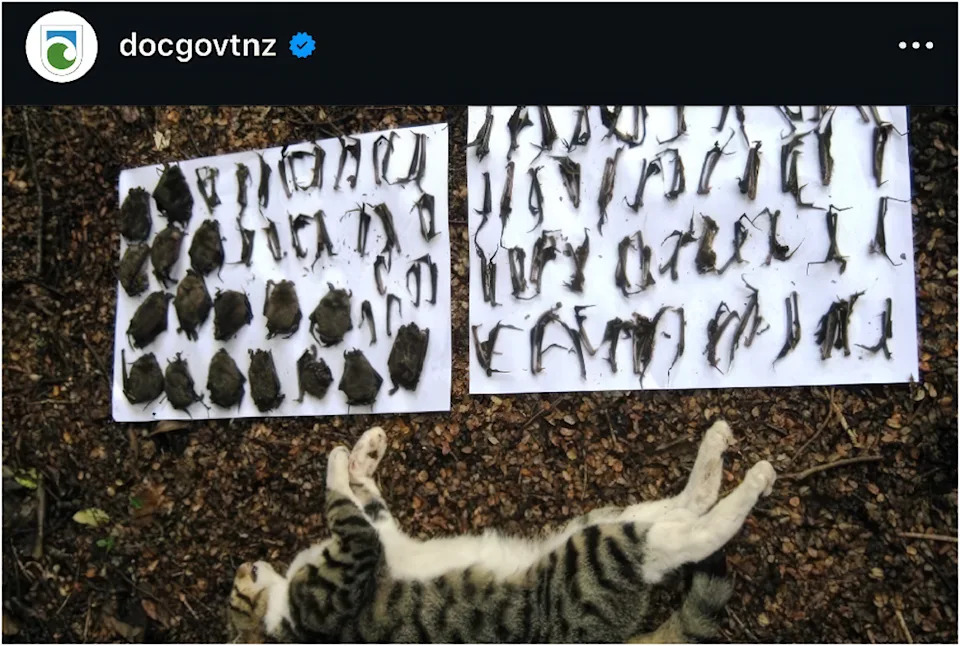
Cat responsible for killing over 100 bats (Department of Conservation, New Zealand)
"Overall, these findings have direct implications for invasive predator monitoring programs, as detection of rare species is crucial to effective monitoring and conservation."
Conservation Implications
To reduce extinctions, the authors recommend targeted interventions such as fenced "safe havens" that exclude cats, foxes and rabbits and recreate conditions closer to pre-colonial ecosystems. They also call for improved monitoring—especially at known roosts and during drier periods—to better understand predation pressure and to detect rare species more reliably.
What This Means: Forensic DNA methods can change our estimate of predator impact by revealing prey categories missed by visual examination. That improved understanding should inform prioritisation of conservation actions, including where to build predator-exclusion fences and how to monitor vulnerable populations.
Help us improve.