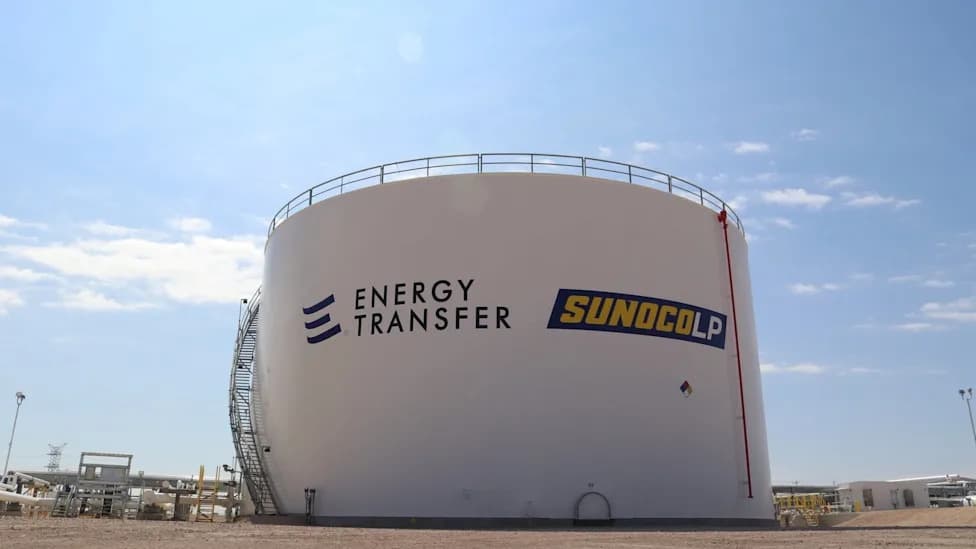
On June 29, 2026, Ohio authorized hydraulic fracturing on about 13,000 acres of Egypt Valley Wildlife Area, a formerly strip-mined landscape that has recovered into an important wildlife and recreation refuge. Conservationists warn fracking risks pollution, heavy water withdrawals from nearby Piedmont Lake, and disruptions to wildlife and hunting. Concerns are heightened by roughly 1,900 fracking incidents in Ohio (2015–2025) and a 2013 law that lets companies claim chemical formulas as trade secrets for up to 60 days.
Ohio Opens 13,000 Acres of Egypt Valley Wildlife Area to Fracking, Sparking Outcry
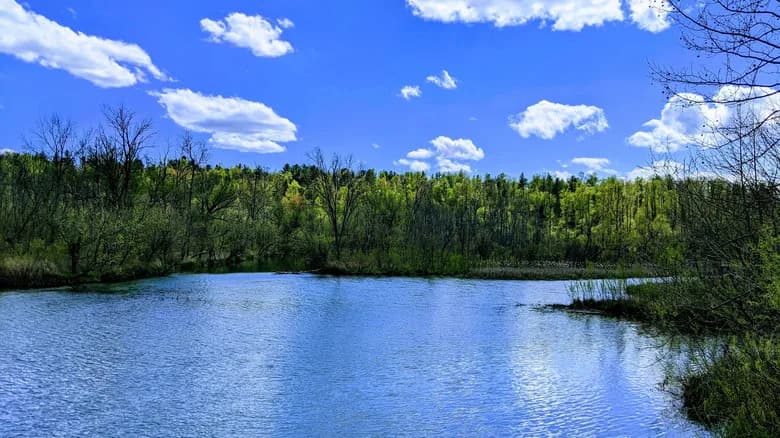
Kara LaFrankie/Google Maps
On June 29, 2026, the Ohio Oil and Gas Land Management Commission approved bids allowing hydraulic fracturing on roughly 13,000 acres of the Egypt Valley Wildlife Area — a recovering former strip-mining landscape about two hours from Columbus and roughly 90 minutes from Pittsburgh. The decision prompted immediate pushback from conservation groups and local outdoor users worried about long-term environmental and recreational impacts.
From Strip Mines to a Wildlife Refuge
Egypt Valley spent about 70 years scarred by strip mining that severely altered the land, reduced access to clean water and disrupted local farms. A 1970 New York Times report noted the mine produced nearly 5 million tons of coal a year and “nearly obliterated the township of Kirkwood.” In 1995 the Ohio Department of Natural Resources (ODNR) bought the land and began a long restoration: reintroducing species, allowing second- and third-growth forests to recover and converting the area into a public wildlife and recreation preserve.
Ecological Value Today
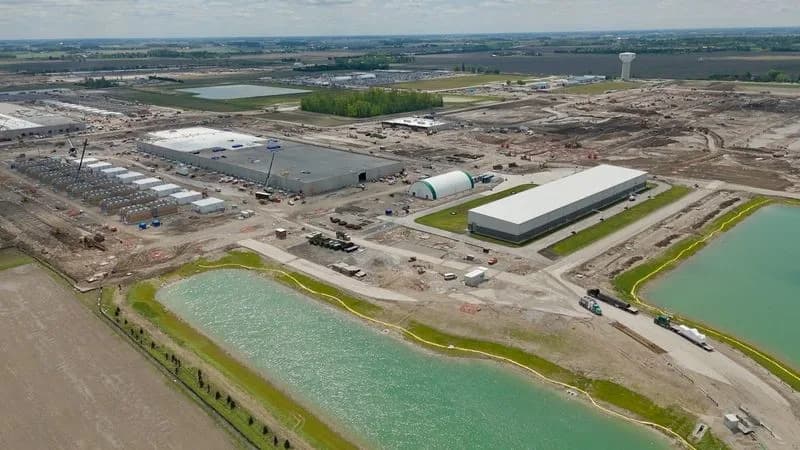
Today, reclaimed grasslands, brush, timber and ponds support diverse wildlife. Egypt Valley is home to a healthy river otter population reintroduced in the 1990s and serves as a stopover for migratory birds such as eagles and ospreys. Visitors report sightings of less common species for the region, including the short-eared owl and northern harrier. Deer, rabbits, ducks and other waterfowl also depend on its relatively quiet, low-traffic habitat.
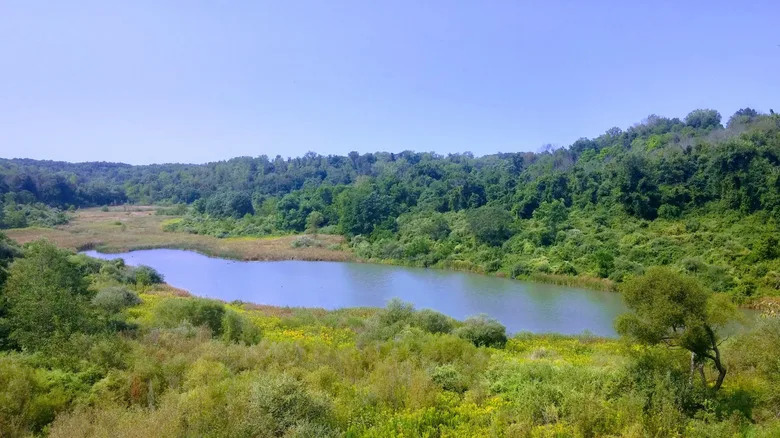
Chris Colvin/Google Maps
Fracking Risks and Documented Incidents
Opponents point to well-documented risks associated with hydraulic fracturing: the industry forces high-pressure mixtures of water, sand and chemicals underground to fracture rock and release oil or gas. Accidents can release air pollutants and allow contaminated wastewater to reach surface waters. FracTracker recorded about 1,900 incidents in Ohio between 2015 and 2025, many of them low-profile. High-profile events underscore the threat: a 2014 explosion at a Halliburton site released toxic chemicals into the Ohio River and killed an estimated 70,000 fish (Natural Resources Defense Council). A 2023 oil spill heavily contaminated the Tuscarawas River near Barberton.
Water Use, Recreation and Habitat Disruption
Fracking consumes large volumes of freshwater, much of which is not returned to the natural water cycle. Companies often source water from nearby lakes and rivers; in the Egypt Valley area, Piedmont Lake is a likely draw. Heavy withdrawals could lower lake levels, harm fisheries and reduce boating and angling opportunities — particularly during droughts. In 2024 the Muskingum Watershed Conservancy temporarily halted sales of Atwood Lake water to oil and gas companies after similar concerns arose.
Beyond water use, drilling operations bring bright lights, constant noise, heavy truck traffic and new infrastructure such as staging areas and access roads. Studies and reporting show such activity alters animal behavior and can push wildlife away from traditional habitats — undermining hunting, wildlife watching and the quiet character visitors expect.
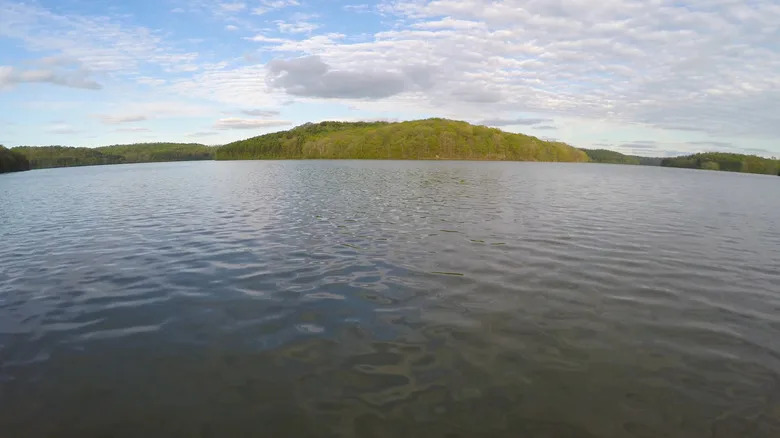
Eye in the Sky St.C/YouTube
Regulatory and Disclosure Concerns
ODNR has proposed measures intended to limit harm to wildlife during drilling, but regulatory limits complicate oversight. A 2013 Ohio law lets operators claim the chemical composition of fracking fluids as a “trade secret” and allows up to 60 days after operations finish to disclose the substances used, delaying timely assessment and response in the event of contamination.
Local Response and Outlook
Local conservation groups, anglers, hunters and outdoor enthusiasts have raised alarms that the area’s hard-won ecological recovery and recreational uses face a precarious future. Save Ohio Parks and other advocates argue that permitting fracking on restored public lands risks reversing decades of recovery and weakening protections for water, wildlife and public access.
What Happens Next
The approval opens the way for energy companies to develop wells on public land in Egypt Valley; whether extensive surface disturbance or serious incidents will occur remains uncertain. What is clear is that the move raises urgent questions about how to balance energy development with protecting restored ecosystems, freshwater supplies and outdoor recreation that local communities value.
Help us improve.