The Ohio Power Siting Board unanimously approved the Hamden Energy project in Vinton County, authorizing 149 MW of solar paired with 149 MW of battery storage on reclaimed coal-mine land. Choosing a brownfield instead of active farmland helped minimize local opposition, although community members remain concerned that reclamation must be completed before construction begins. Recurrent Energy says it will not start construction until remediation is finished; Cheyenne Resources holds responsibility for reclamation. Observers note reclaimed sites can be costlier due to remediation needs, even as they offer a way to redevelop legacy industrial land for clean energy and local revenue.
Ohio Approves 149-MW Solar and 149-MW Battery Project on Reclaimed Coal Mine
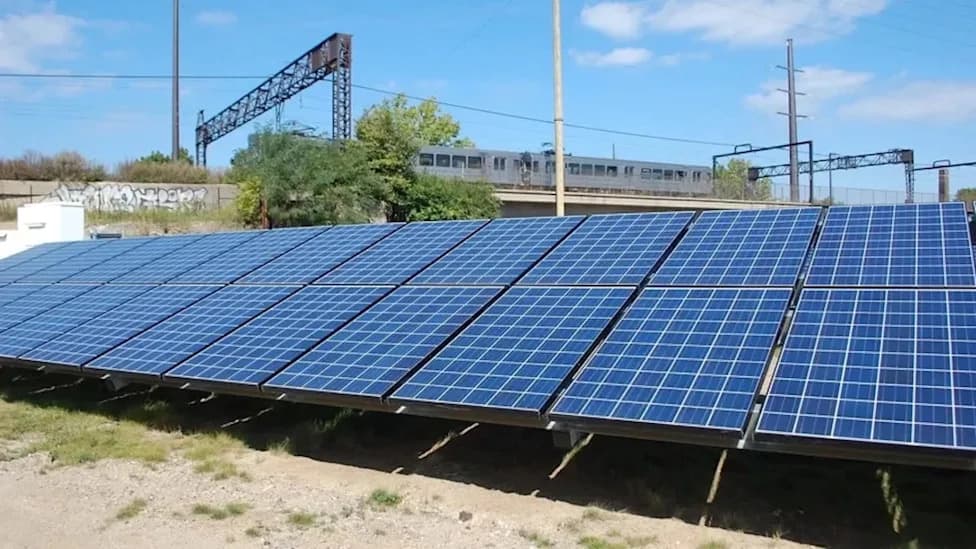
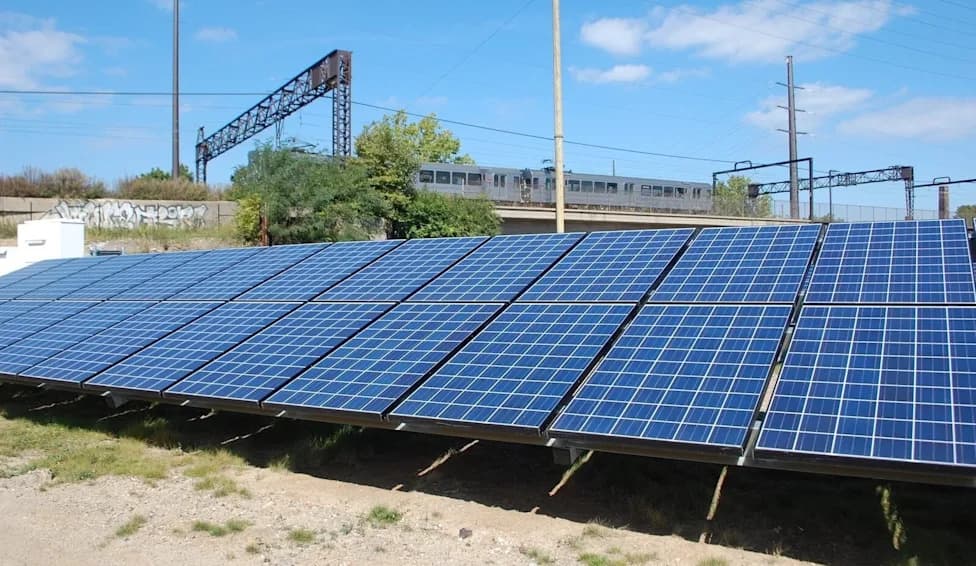
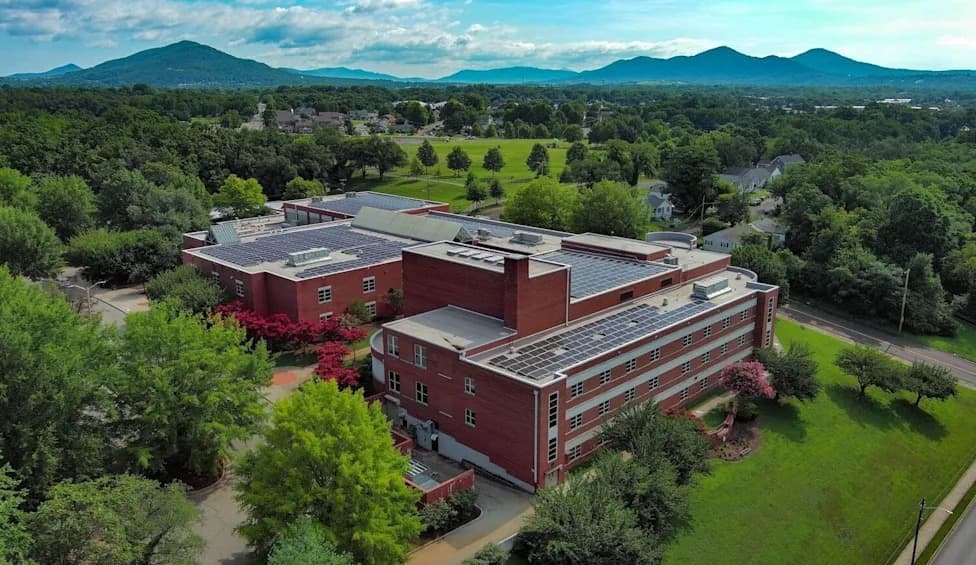
Photo Credit: Timothy Peshek / U.S. Department of Energy
The Ohio Power Siting Board unanimously approved the Hamden Energy project in Vinton County, clearing the way for 149 megawatts (MW) of solar generation paired with 149 MW of battery storage to be built on reclaimed coal-mine land, according to Canary Media.
Why The Site Choice Matters
Developer Recurrent Energy chose a brownfield — reclaimed mine land — rather than active farmland. That decision helped avoid a common flashpoint in Ohio, where opponents often oppose large-scale renewable projects for taking productive agricultural land out of service. Siting the array on previously disturbed industrial land reduced local resistance and sped approvals.
Local Context And Concerns
Vinton County sits in Appalachian Ohio, a region long affected by declines in coal, iron and clay industries. Canary Media reports roughly 19% of county residents live in poverty, and supporters say the project could provide supplemental tax revenue and jobs for a struggling community.
Public feedback has been mixed. The most frequent concern is whether reclamation of the mine site will be completed before construction begins. Recurrent Energy has committed to start construction only after reclamation is finished, and the Ohio Department of Natural Resources says Cheyenne Resources — the holder of the surface mining permit — is responsible for remediation work.
Costs, Trade-Offs And Precedents
While brownfield siting can ease permitting, it can also increase project costs. RMI, a clean-energy think tank cited by Canary Media, warns that reclaimed sites often require remediation and face challenging site conditions that can raise expenses compared with greenfield builds.
Examples from other jurisdictions show the trend: capped landfills, former coal mines and retired coal sites have been repurposed for solar and energy storage across the U.S. and abroad, helping to replace retiring fossil-fuel assets with cleaner alternatives.
Notable Examples
- In Mansfield, Ohio, officials approved solar arrays on old landfills to supply local power.
- In Illinois, a former coal mine now hosts roughly 16,000 solar panels, enough for about 7,000 homes.
- In Minnesota, Xcel Energy is redeveloping the Sherco coal site into a large solar-and-battery hub as coal units retire.
- In Scotland, planners are converting an old coal mine into long-duration energy storage intended to serve millions of homes.
"Developing a solar project on reclaimed land is an excellent opportunity to harvest another one of the area's abundant resources to power Ohio while providing supplemental tax revenue to support a legacy energy community," said Ali Trunzo, senior development manager for Recurrent Energy, as reported by Canary Media.
This project highlights a pragmatic approach to siting clean energy in regions with industrial legacies: it can reduce conflicts over farmland while offering economic benefits, but it also raises legitimate questions about remediation costs and timelines that stakeholders will continue to watch closely.
Help us improve.