Larry Sabato's Crystal Ball upgraded several races toward Democrats, most notably moving the Georgia Senate contest to "Likely Democratic." Analysts cite President Trump's declining poll numbers, policy controversies, and related political fallout as key headwinds for Republicans. Sen. Jon Ossoff's strong fundraising and GOP nominee Mike Collins' campaign turmoil helped tilt the seat, while 13 House districts were also moved in Democrats' favor. Sabato still rates 20 races as Toss-Ups, with Democrats favored to flip the House but Republicans retaining potential paths.
Sabato's Crystal Ball Shifts 14 Races Toward Democrats — Georgia Senate Now 'Likely D'
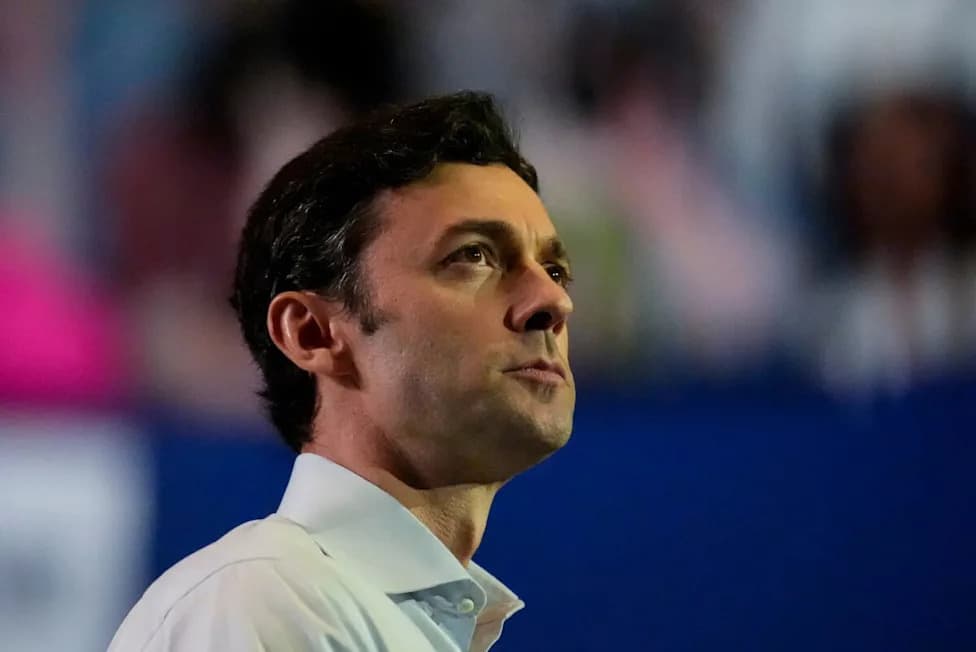
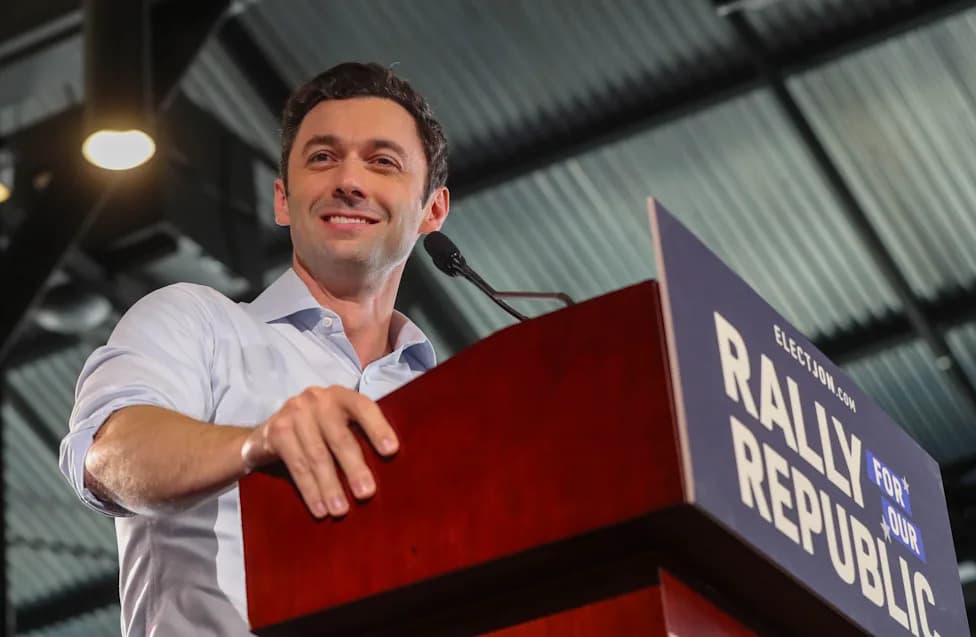
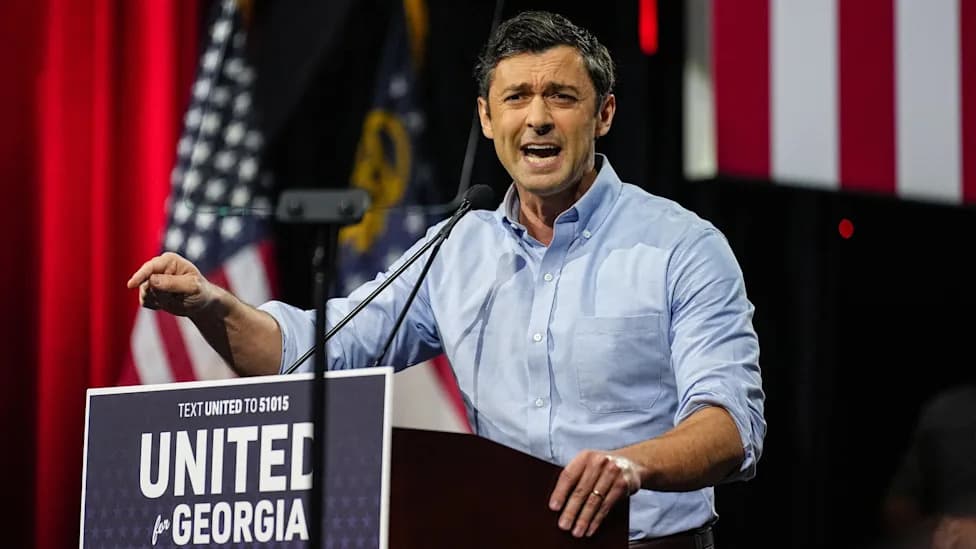
U.S. Sen. Jon Ossoff, D-Ga
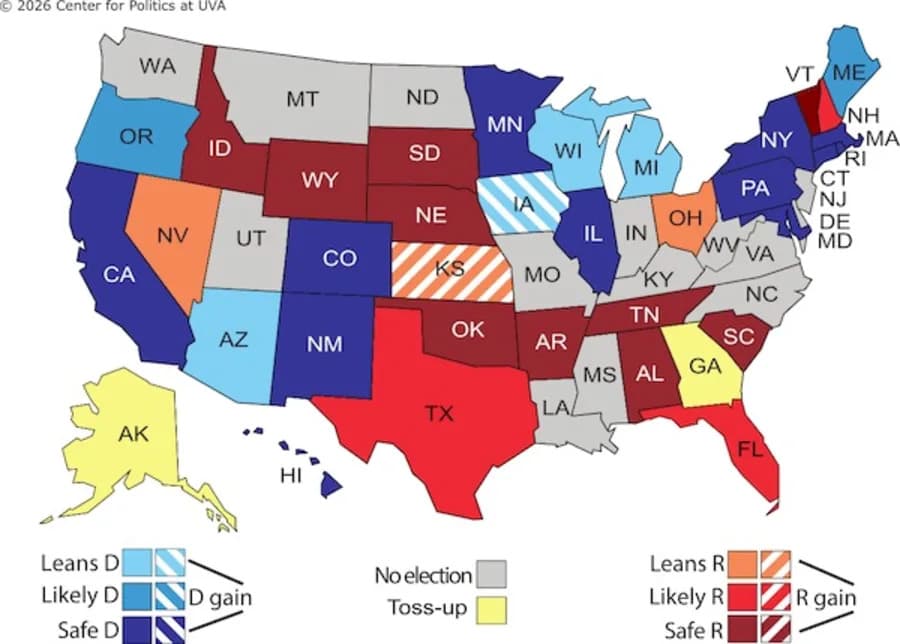
Larry Sabato's Crystal Ball at the University of Virginia Center for Politics shifted multiple competitive federal races toward Democrats on Thursday, most notably upgrading the Georgia U.S. Senate contest to "Likely Democratic." The move reflects growing Democratic optimism about November's midterms amid national political headwinds for Republicans.
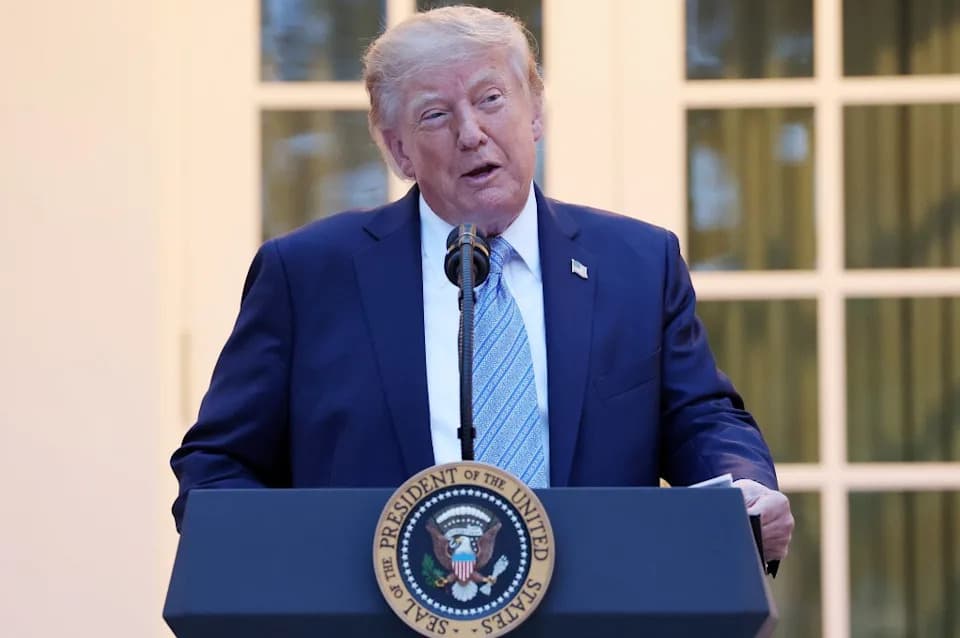
Analysts point to a series of developments weighing on Republican prospects: President Donald Trump's slipping poll numbers during his attempted second term, public backlash over immigration policies, controversy surrounding the handling of the Epstein materials, broad unpopularity related to the Iran war, and weakening approval on economic and inflation issues. Together, these factors are cited as pressuring GOP candidates in several battlegrounds.
Georgia Senate Race
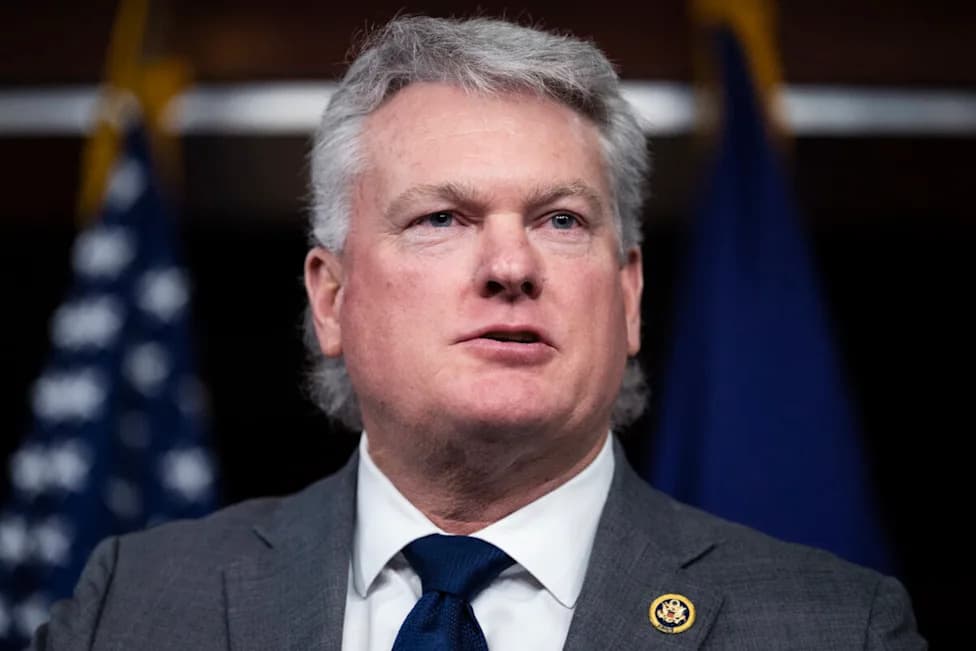
Sabato's change elevates Sen. Jon Ossoff's (D-GA) re-election bid from "Leans Democratic" to "Likely Democratic." Ossoff, who has served in the Senate since winning a runoff alongside Sen. Raphael Warnock on Jan. 5, 2021, now looks considerably more secure. The Republican nominee, Rep. Mike Collins (R-GA), is contending with a scandal involving white-nationalist posts by his son-in-law, which has complicated his campaign messaging.
J. Miles Coleman for Sabato's Crystal Ball noted that Ossoff "has proven to be one of the cycle's strongest fundraisers," while Collins exhausted resources in a primary and runoff, leaving the candidates in very different financial positions heading into the general election.
Coleman emphasized that although some polls showing Ossoff with large leads might have seemed "too good to be true for Democrats," the Crystal Ball team believes the race will likely be decided by a mid-single-digit margin and that it "would be a true shock if Ossoff actually went on to lose."
House Ratings Changes
Alongside the Georgia upgrade, Sabato's Crystal Ball moved 13 House seats to more favorable categories for Democrats. Kyle Kondrik cited an improved political environment for Democrats and midterm dynamics, even as mid-decade redistricting has provided some advantages to Republicans.
- Lauren Boebert (R-CO-4): Safe Republican → Likely Republican
- Jahana Hayes (D-CT-5): Likely Democratic → Safe Democratic
- Kathy Castor (D-FL-14): Leans Republican → Toss-Up
- Sharice Davids (D-KS-3): Likely Democratic → Safe Democratic
- Don Davis (D-NC-1): Leans Republican → Toss-Up
- Chuck Edwards (R-NC-11): Leans Republican → Toss-Up
- Nellie Pou (D-NJ-9): Leans Democratic → Likely Democratic
- Mike Lawler (R-NY-17): Leans Republican → Toss-Up
- Josh Riley (D-NY-19): Leans Democratic → Likely Democratic
- Max Miller (R-OH-7): Likely Republican → Leans Republican
- Rob Bresnahan (R-PA-8): Leans Republican → Toss-Up
- Open seat in SC-1: Safe Republican → Likely Republican
- Monica De La Cruz (R-TX-15): Likely Republican → Leans Republican
Overall Ratings Snapshot
Sabato's current topline ratings show 179 seats as Safe Republican and 208 seats rated Safe/Likely/Leans Republican. On the Democratic side, 181 are listed as Safe Democratic, and 207 are rated Safe/Likely/Leans Democratic. Twenty races remain Toss-Ups — 15 currently held by Republicans and five by Democrats. The Crystal Ball team continues to project Democrats as favored to flip the House majority, while acknowledging plausible paths for Republicans.
This update underscores how national political dynamics, fundraising advantages, and localized controversies can quickly reshape competitive ratings as campaigns move toward the general election.
Help us improve.