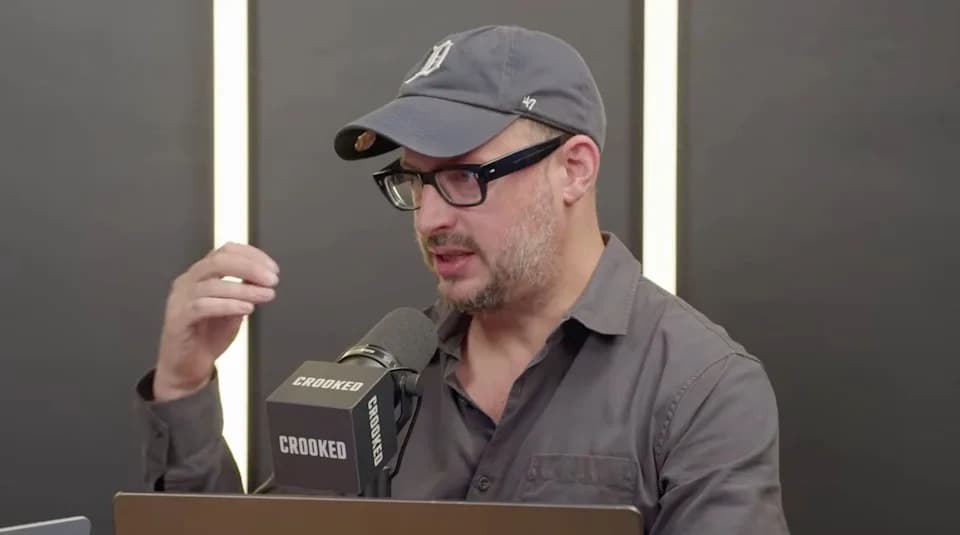
Recent polling shows Democrats mounting surprisingly strong challenges deep inside states that have trended Republican — even as their leads in some traditionally Democratic contests remain modest. Nate Silver calls the pattern "coherent, consequential and slightly weird," warning that geographically concentrated gains could bring outsized upside but also correlated risk if polling errors repeat across races.
Polling Paints A Wider Battlefield
Democrats now appear competitive in several states Republicans had long considered secure, expanding the map beyond the usual battlegrounds. Republican nominees in states such as Alaska, Iowa, Ohio and Texas face renewed pressure, while Democrats must hold slim margins in Maine, Michigan and New Hampshire to reach an outright Senate majority.
Key Race Snapshots
Ohio: Recent surveys show former Sen. Sherrod Brown ahead of appointed Republican Sen. Jon Husted. A Trafalgar Group poll (Sept. 14–16, 1,085 likely voters) put Brown at 45.4% to Husted's 41.5% (±2.9 points). An InsiderAdvantage poll (Sept. 8–9, 1,200 likely voters) had Brown 47% to 42% (±2.83 points). A Democratic win in Ohio would indicate gains that reach beyond suburban swing voters into parts of the working-class coalition that powered the state's GOP shift.
Iowa: The picture is mixed. A Coefficient survey (Sept. 14–16, 831 likely voters) showed Rep. Ashley Hinson ahead of state Rep. Josh Turek, 46% to 42% (±3.39 points). An earlier YouGov poll (Sept. 3–8) found Turek narrowly ahead among registered voters and stronger among a strict likely-voter group. The variation shows the state remains competitive but unsettled.
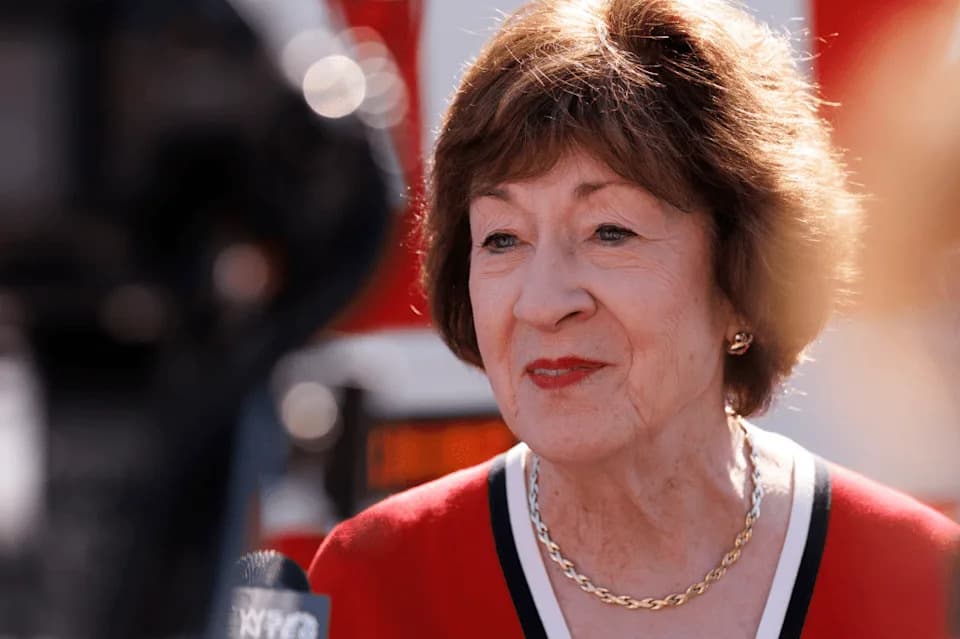
Maine: Senator Susan Collins offers a notable counterexample to Democratic momentum. A New York Times/Portland Press Herald/Siena survey (Sept. 15–22, 619 likely voters) placed Collins three points ahead of Democrat Troy Jackson, 49% to 46% (±4.9 points), a margin squarely within the poll's error range and thus statistically unresolved. Collins' personal popularity and history of winning crossover votes may explain her resilience.
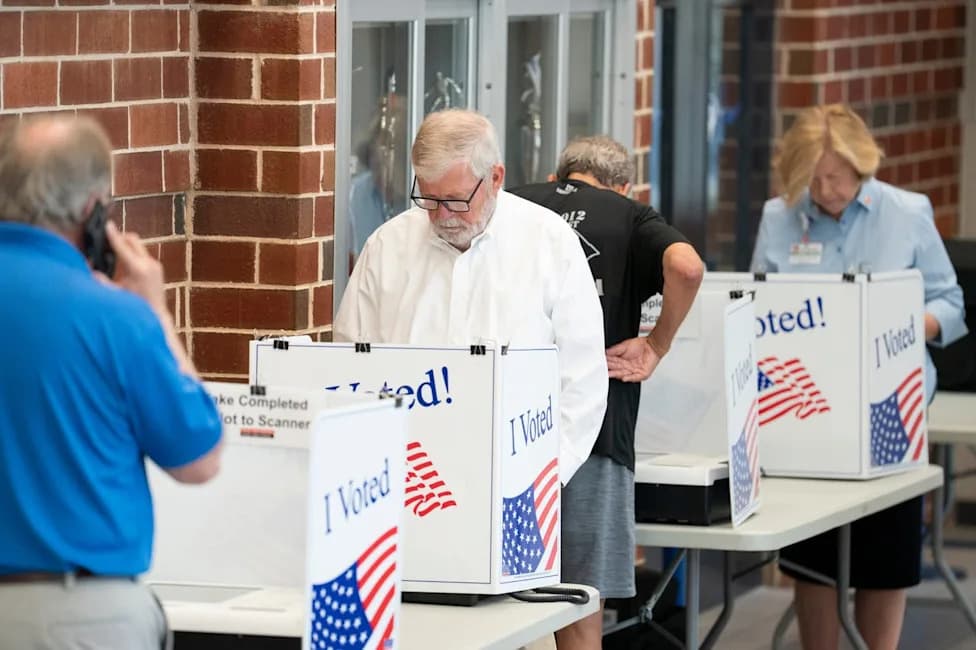
Stock image: A polling location sign for voting stands on the grass in the U.S.
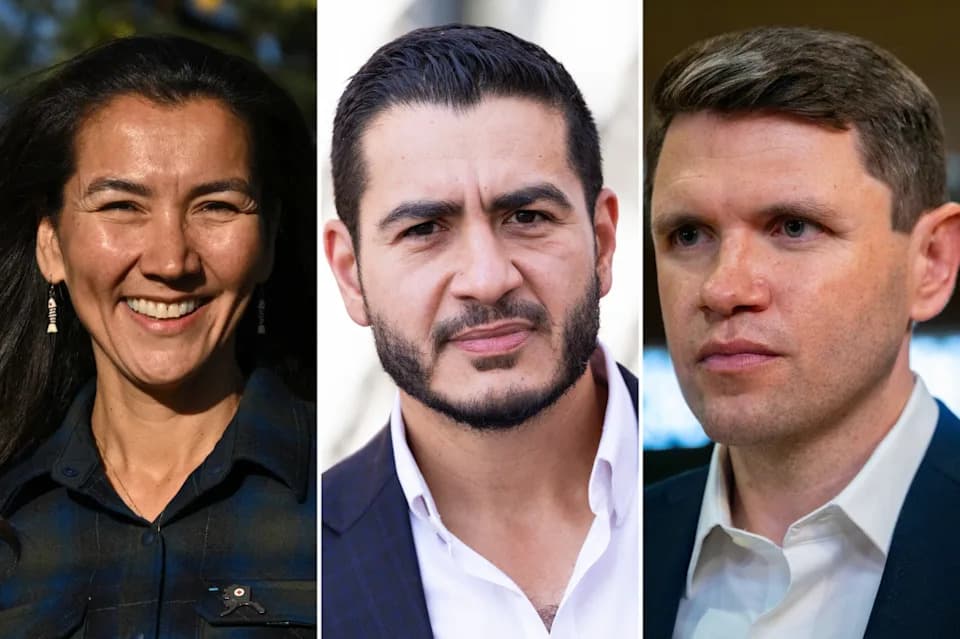
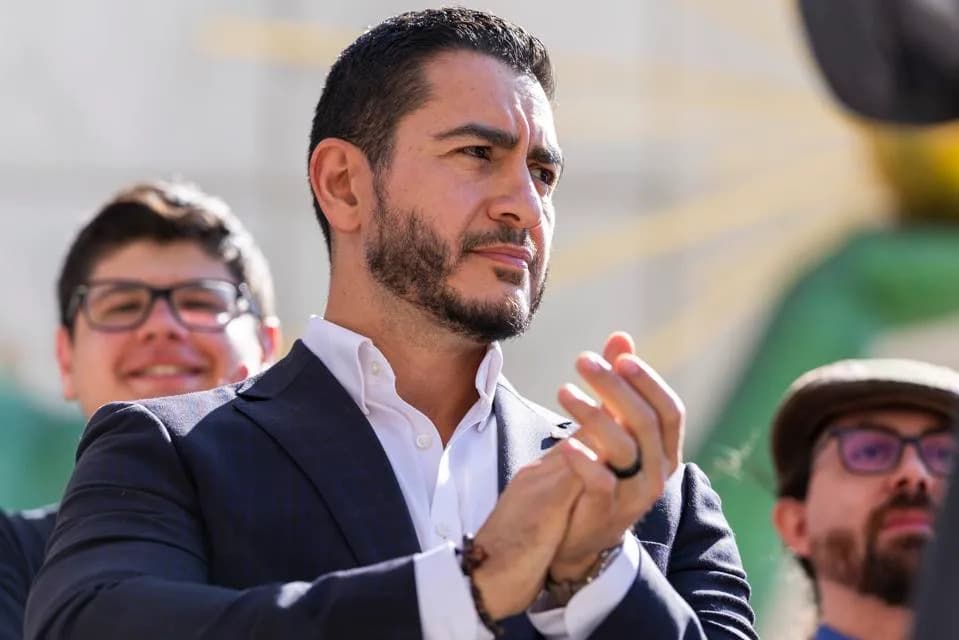
Other Toss-Up States: Siena polling released Sept. 24 showed Democrat Abdul El-Sayed up five points over Republican Mike Rogers in Michigan (49% to 44%) and Democrat Chris Pappas leading Republican John Sununu by 50% to 45% in New Hampshire — both described as slim leads.
Why Geography — And Polling — Matters
Silver's central point is a geographic one: white working-class and Hispanic voters supplied much of the GOP's gains in the Trump era. If those groups shift back toward Democrats, contests drawn around the assumption of permanent GOP gains could become unexpectedly competitive. That could turn aggressively drawn Republican maps into what Silver calls "dummymanders," leaving several seats vulnerable in a favorable year for Democrats.
'Since Labor Day, Democrats have been zooming ahead in pretty much every model or polling average or prediction market that you might want to look at,' Silver wrote. 'At times, it's literally been hard to find contrary data points to the hypothesis of a huge D sweep.'
But the same voters central to this theory are also among those polling has historically overestimated for Democrats. A geographically concentrated Democratic surge therefore carries more risk than a uniform national swing: a single shared polling error could erase multiple red-state opportunities at once.
What To Watch Next
Decisive evidence will depend on whether new surveys reproduce these patterns across pollsters and methodologies. For now, the data suggest a widened battlefield rather than a settled outcome: Democrats have found plausible paths into places that recently looked closed — but several of those paths may rise or fall together.
Bottom Line: Democrats need a net gain of four Senate seats for control of the chamber. Recent polls widen the map and offer upside, but correlated polling errors — especially among white working-class and Hispanic voters — could undo several apparent gains at once.
Contact Newsweek editors on this story: Sam Stevenson and James Debens.