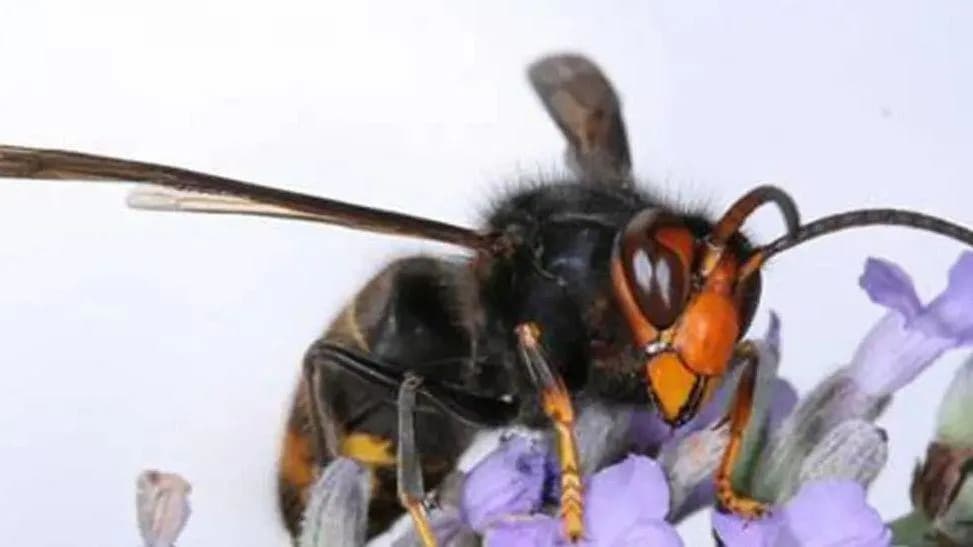
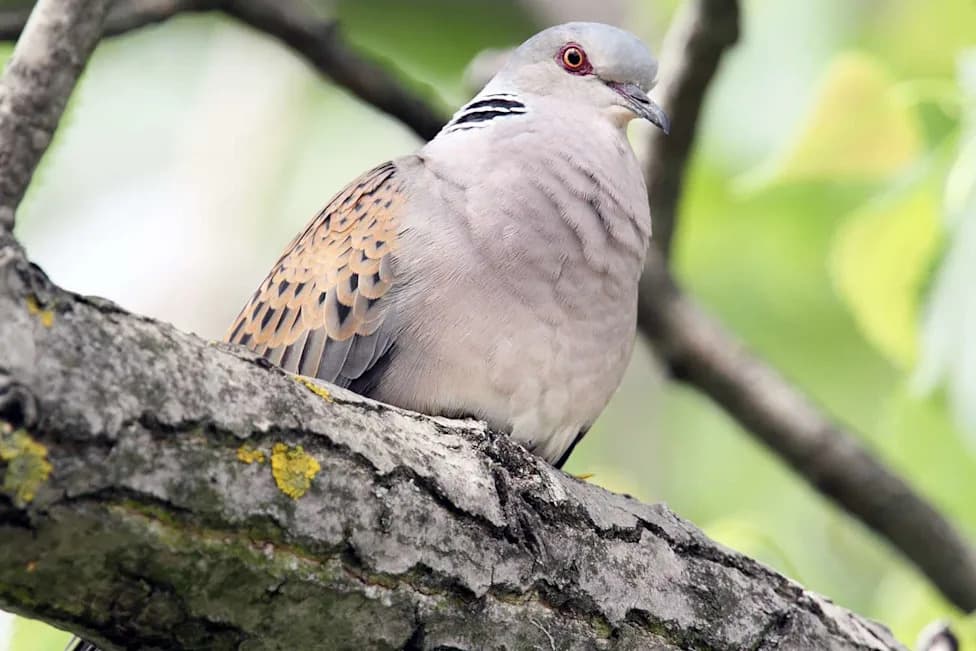
Conservationists say 15 years of habitat restoration at Hoe Grange Quarry in Derbyshire was set back after Longcliffe Quarries piled soil over wildflower areas during safety work. The site, managed by Derbyshire Wildlife Trust, hosts more than two dozen butterfly species, including the Wall butterfly, whose numbers have fallen 87% over 40 years. Volunteer surveys fell from about 200 butterflies in 2025 to roughly 20 in 2026 after the mounding. Longcliffe says the bunds, covering 4.5% of the five-hectare site, were necessary to stabilise rock faces and protect public safety.
Conservationists Devastated as Safety Work Smothers Rare Butterfly Habitat at Hoe Grange Quarry
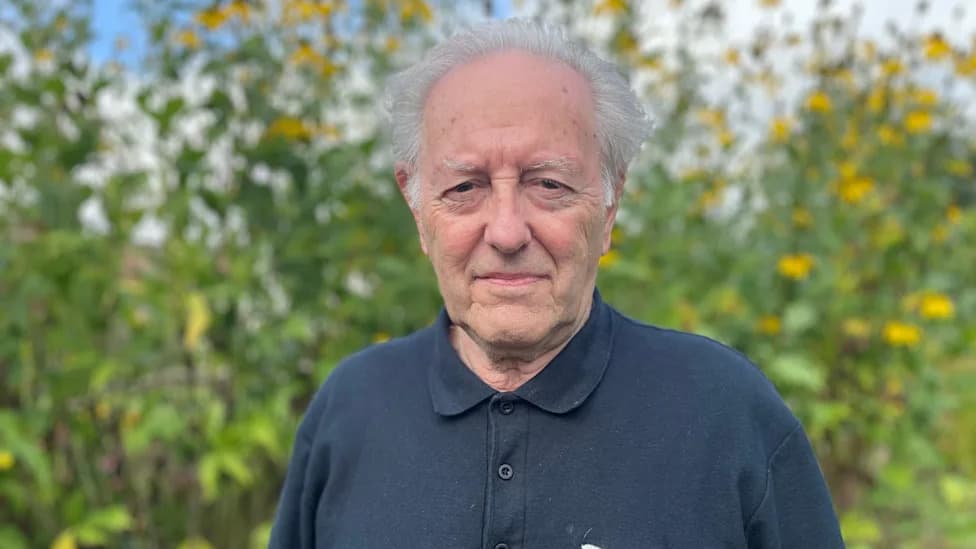
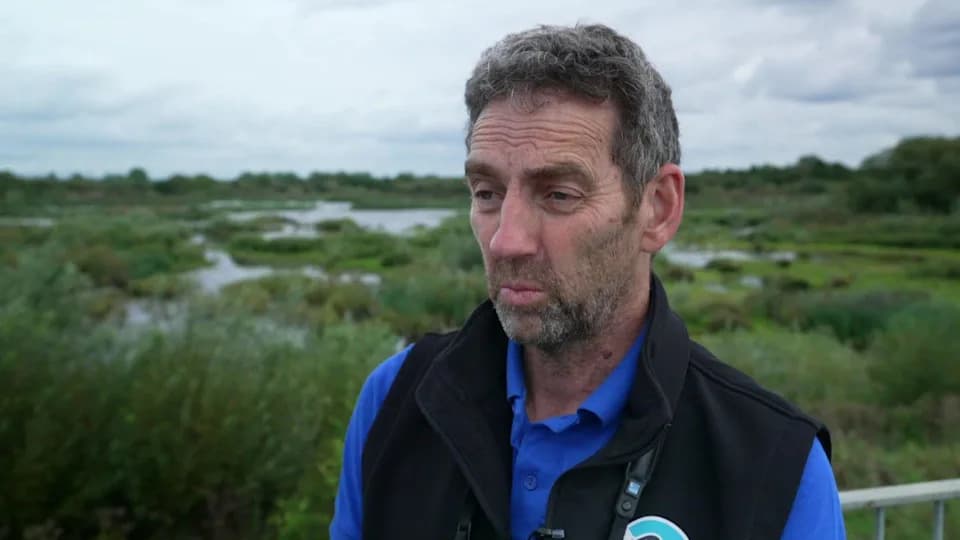
Ken Orpe, of East Midlands Butterfly Conservation, said volunteers were left distraught [BBC]
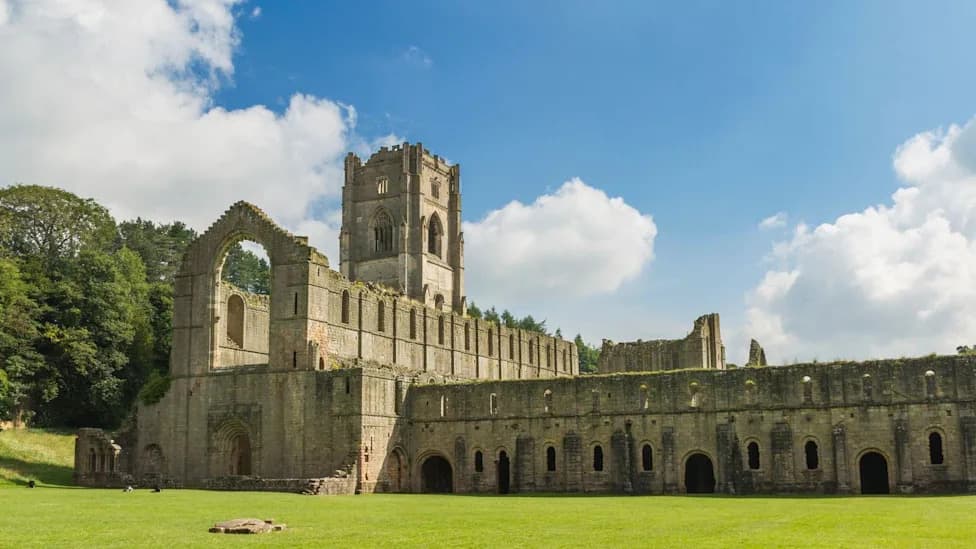
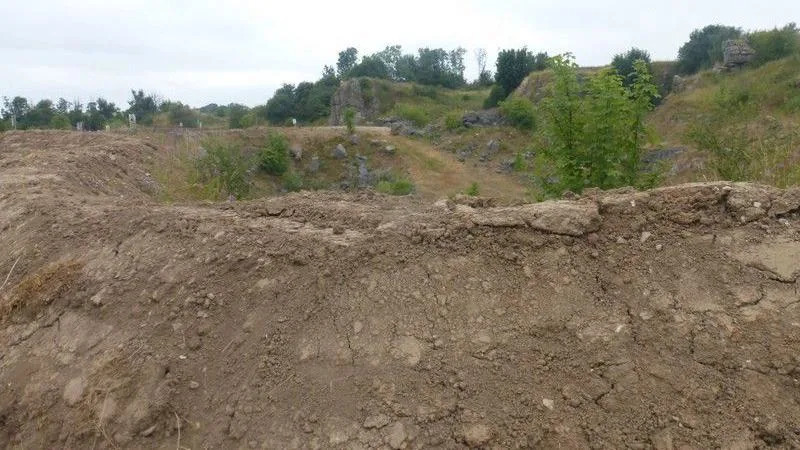
Conservationists say 15 years of careful habitat restoration at the former Hoe Grange Quarry in Brassington, Derbyshire, has been abruptly set back after Longcliffe Quarries placed mounds of soil over wildflower areas during remedial safety work.
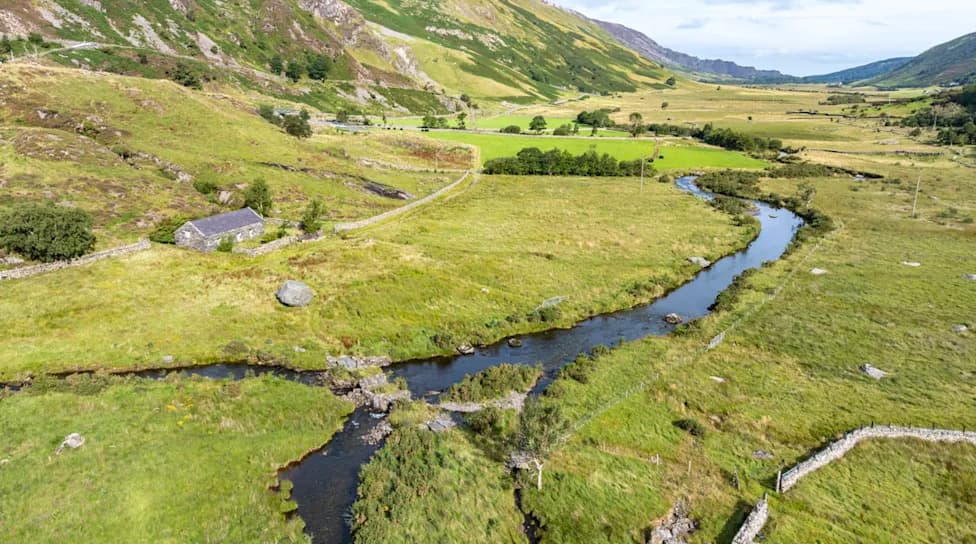
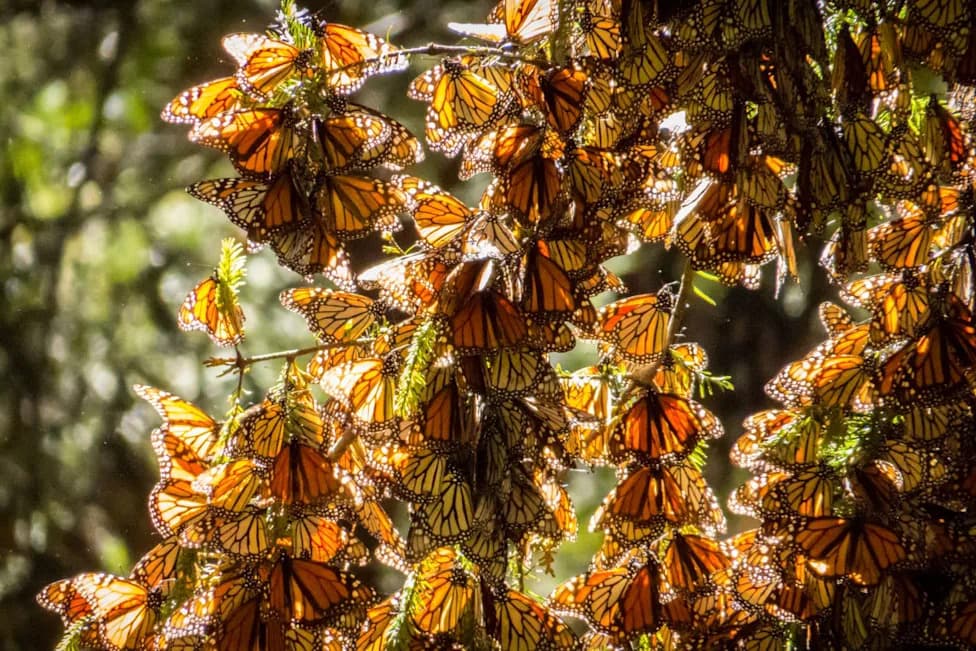
More than two dozen types of butterfly have been observed at Hoe Grange Quarry [Ken Orpe]
What Happened
Butterfly Conservation East Midlands (BCEM) reports that in January sections of the five-hectare site that had been sown with wildflowers were buried beneath piled earth. Hoe Grange, last worked in 1990 and managed for more than a decade by Derbyshire Wildlife Trust on behalf of Longcliffe Quarries, had become a nationally important spot for pollinators — with more than two dozen butterfly species recorded there.
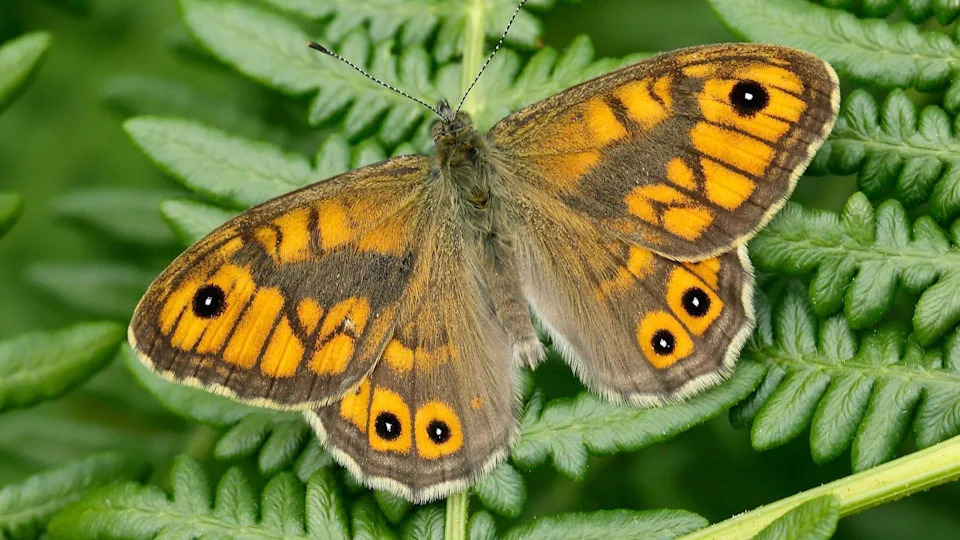
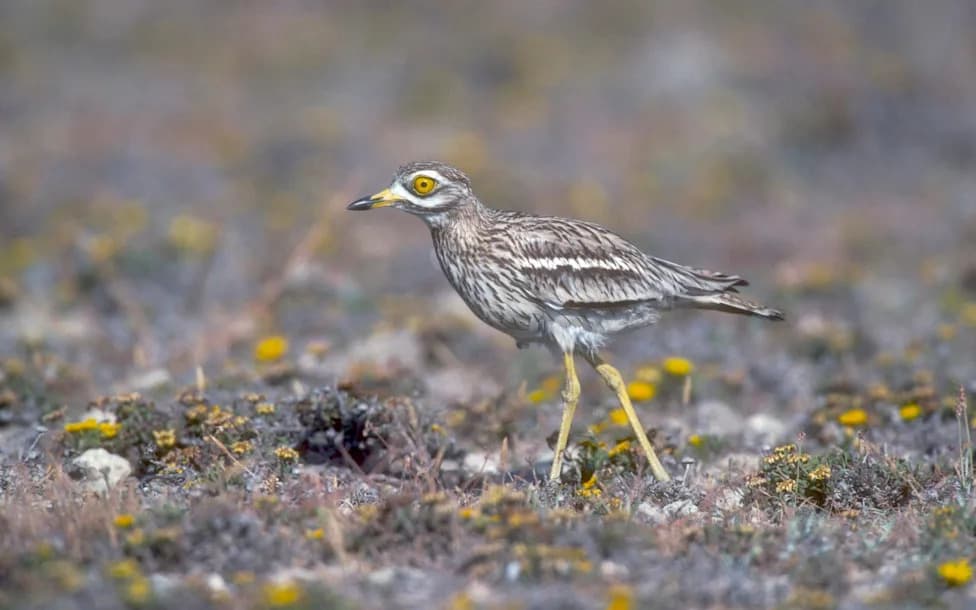
Wall butterfly numbers have been in steep decline over the past few decades [Iain H. Leach/Butterfly Conservation]
Impact On Butterflies
Among the species attracted to the quarry is the Wall butterfly, whose population has fallen by around 87% over the past 40 years. Volunteers who have nurtured the habitat say the loss is devastating: recent monitoring found roughly 200 butterflies during a 2025 survey but only about 20 in 2026, most observed on undisturbed buddleia plantings.
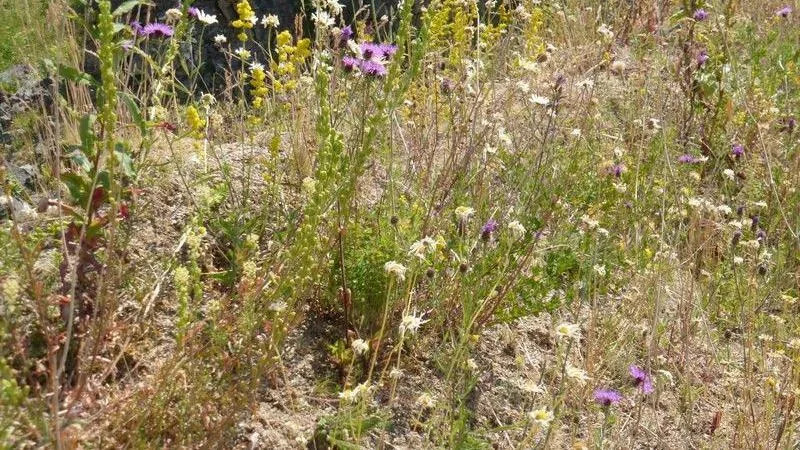
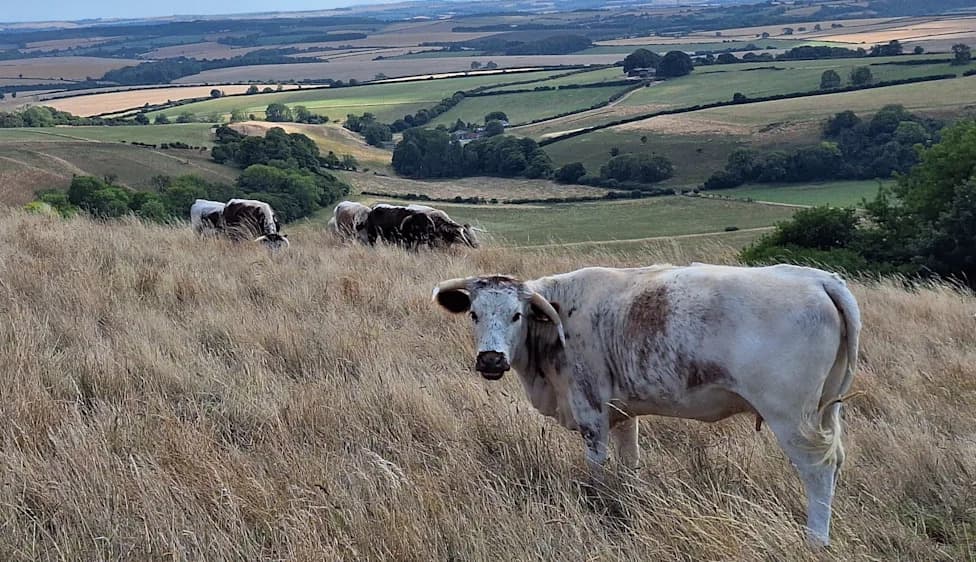
In previous years the site had been a haven for wildflowers which attract butterflies [Ken Orpe]
"There was a slight rockfall on the far side of the quarry last year and this has resulted in an over-reaction to resolve the issue," said Ken Orpe, Derbyshire butterfly recorder for Butterfly Conservation. "The area's been cut off and we've just wasted 15 years of our lives."
Responses From Organisations
Derbyshire Wildlife Trust's head of landscape recovery (north), Dave Savage, described the damage as "deeply disappointing," noting the trust has managed the site for more than 10 years to create rich wildflower and pollinator habitat. While the trust accepts that health and safety is paramount, it says the remedial work was carried out without adequate consultation and believes a less damaging solution was possible.
A spokesperson for Longcliffe Quarries Ltd acknowledged the conservation work at Hoe Grange but said safety was the company's priority after unstable rock faces and some rockfall were identified. Acting on advice from external geotechnical experts, the company said it closed the site and created bunds — mounds designed to contain future rockfall and restrict access to unsafe areas. Longcliffe added the bunds cover approximately 4.5% of the five-hectare site and that BCEM was informed that the site closure and remedial work were necessary.
"The site is now available again for Butterfly Conservation to host guided visits. Flora and fauna continue to thrive there and there is huge potential for it to continue to be a haven for biodiversity," the company said.
Outlook
Local conservationists say recovery will take time and call for a collaborative plan — combining safety requirements with ecological restoration — to restore the wildflower areas and support vulnerable species such as the Wall butterfly. The incident highlights tensions that can arise between public safety and habitat protection, and the importance of early consultation between landowners, geotechnical experts and conservation managers when sensitive sites require remedial work.
Help us improve.