WWF reports a 64% rebound in the eastern migratory monarch population after surveys found overwintering colonies occupied 7.24 acres in the 2025–2026 season, up 4.42 acres from the prior year. Habitat degradation between Feb 2024 and Feb 2025 totaled 6.3 acres (4.58 acres from illegal logging; the rest from fires and drought). Conservation efforts in Mexico and the U.S.—including sustainable tourism, tree nurseries, pesticide restrictions, and grassland restoration—are credited with helping the recovery, though monarchs remain well below their historic winter range of nearly 45 acres three decades ago.
Monarch Butterflies Surge 64%: Winter Colonies Expand to 7.24 Acres — Conservation Gains, But Challenges Remain
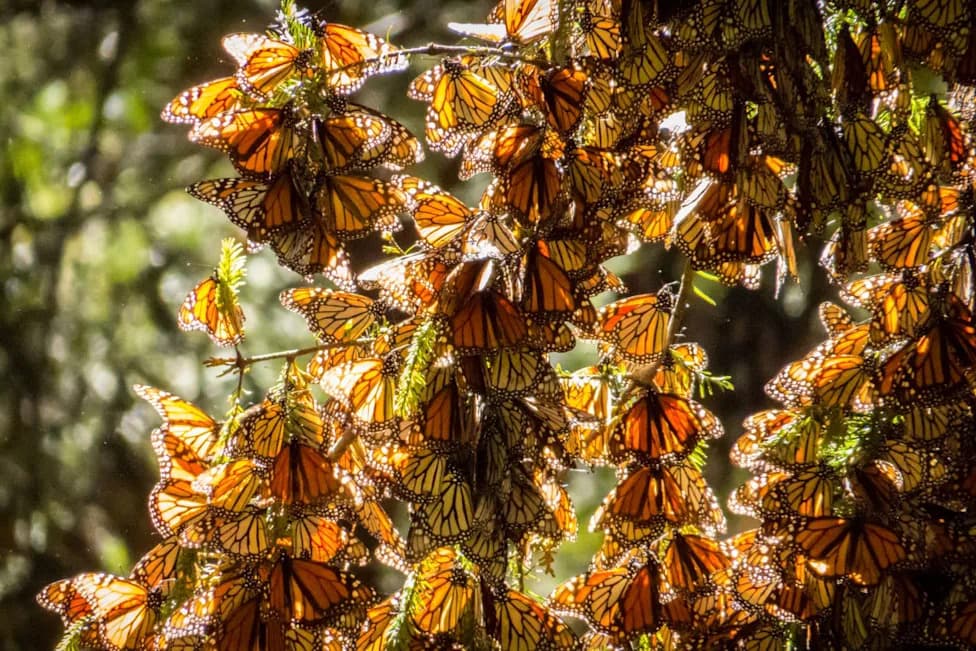
Photo Credit: iStock
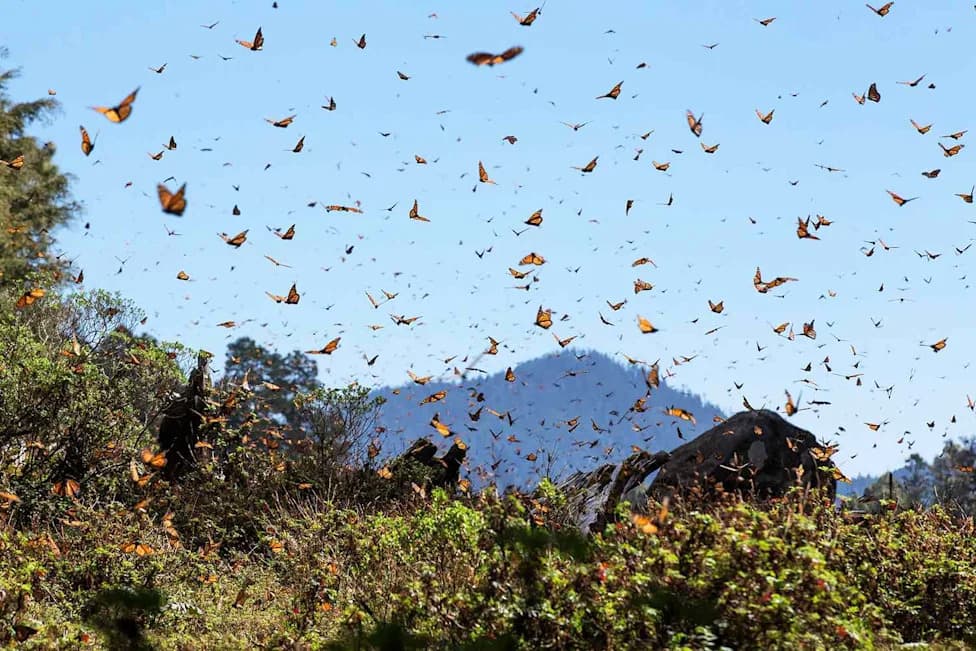
The World Wide Fund for Nature (WWF) reports a striking 64% increase in the eastern migratory monarch butterfly population after annual surveys found overwintering colonies occupied 7.24 acres of Mexico's oyamel fir forests in the 2025–2026 season — a gain of 4.42 acres from the previous year.
What the Data Shows
Two new reports from WWF-Mexico and partner organizations attribute the rise to ongoing conservation work, improved habitat conditions in some areas, and reduced forest degradation compared with the prior year. A separate analysis found 6.3 acres of winter forest were degraded between February 2024 and February 2025 — nearly three acres fewer than the year before. Of that loss, 4.58 acres resulted from illegal logging; the remainder was due to forest fires and drought.
Why This Matters
Although the increase is an encouraging sign, monarchs remain far below historical levels: WWF notes winter colonies once covered nearly 45 acres about 30 years ago. Scientists attribute the long-term decline to extreme weather across Canada, the U.S., and Mexico, shrinking breeding habitat in the United States, widespread herbicide and insecticide use (including neonicotinoids), and degradation of the oyamel fir forests that provide critical shelter during winter.
Conservation Actions Underway
Conservationists, government agencies, and local communities are pursuing a range of measures to support recovery:
- Promoting sustainable tourism in Mexico's Monarch Butterfly Biosphere Reserve to balance visitor access and habitat protection.
- Supporting tree nurseries and reforestation programs to restore oyamel fir stands and provide local economic benefits.
- Reducing neonicotinoid pesticide use and restoring former croplands on the Great Plains to pollinator-friendly grasslands in the U.S.
- Monitoring and enforcement efforts to curb illegal logging and prevent further habitat degradation.
Maria Jose Villanueva, Director General of WWF-Mexico, said: "Despite environmental challenges, today's announcement shows promising signs of recovery for the migratory eastern monarch butterfly population. These reports indicate conservation measures are going in the right direction. We also need to remain vigilant and not forget that this unique migration continues to face many challenges."
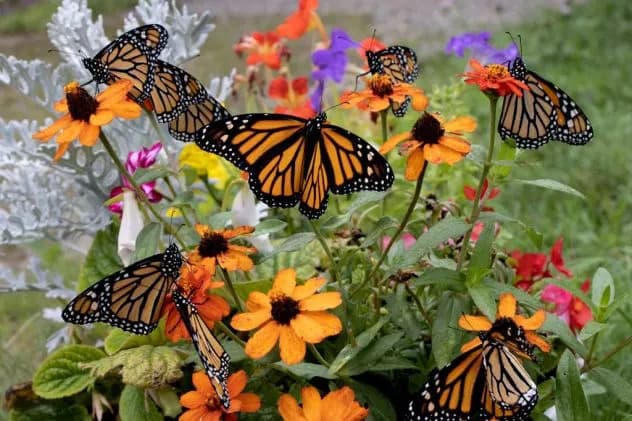
Additional grassroots and community-led actions are helping too: volunteers at monarch sanctuaries have made notable discoveries while protecting winter habitat; U.S. officials are considering endangered species protections for monarchs; and home gardeners are expanding breeding habitat by growing milkweed — even in pots.
While the recent uptick is reason for cautious optimism, experts emphasize continued coordinated conservation, habitat restoration, and pesticide management are essential to sustain and build on these gains.
Help us improve.