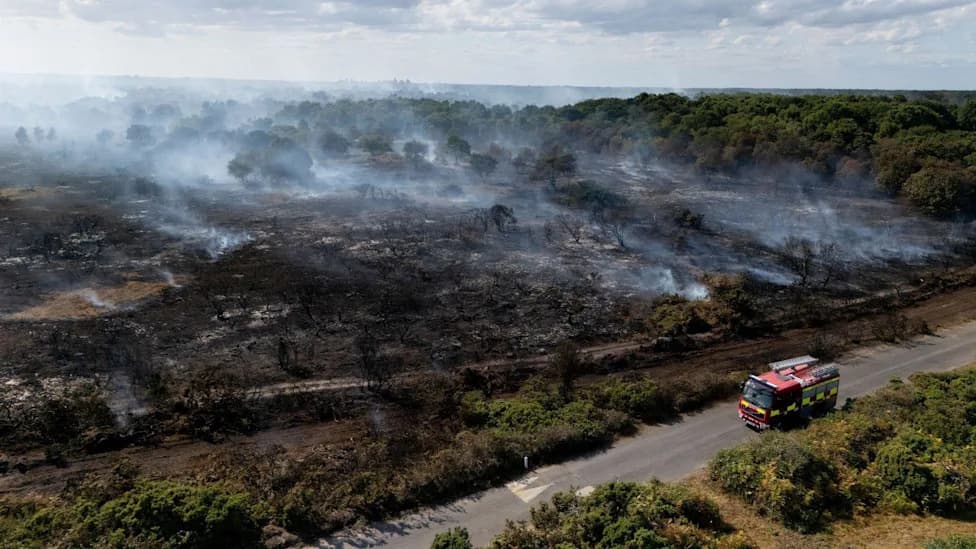
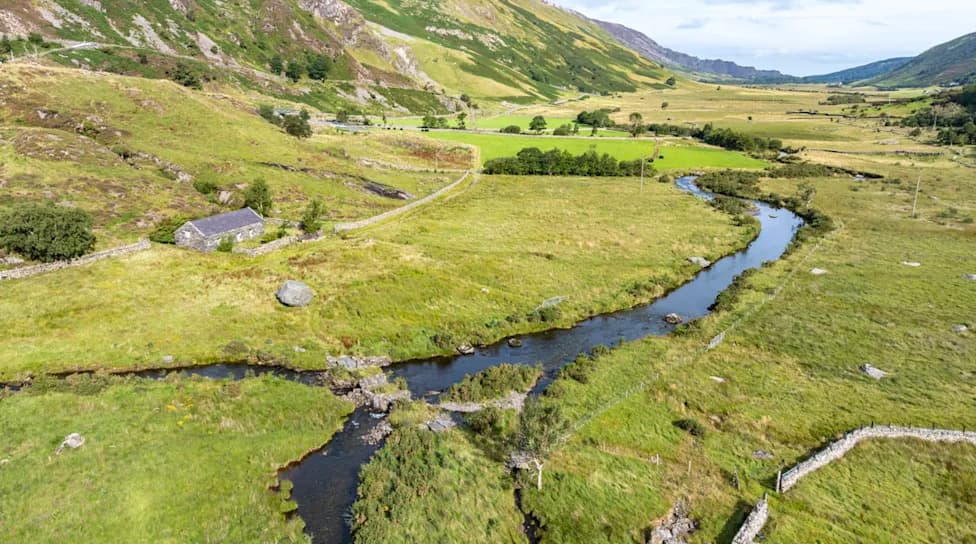
The National Trust warns climate change is already damaging gardens, moorland and historic buildings, and that it may be impossible to protect every site in its current form. Justin Scully described how heavy rain, freeze–thaw cycles and hotter, drier weather increase erosion, damp and wildfire risk. The Trust is modelling 40-year scenarios and planning measures — from larger drains to less manicured gardens — while calling for national coordination and sustained funding. Communities are urged to act now to reduce emissions and support resilience.
Some National Trust Sites May Be Lost to Climate Change, Warns Manager
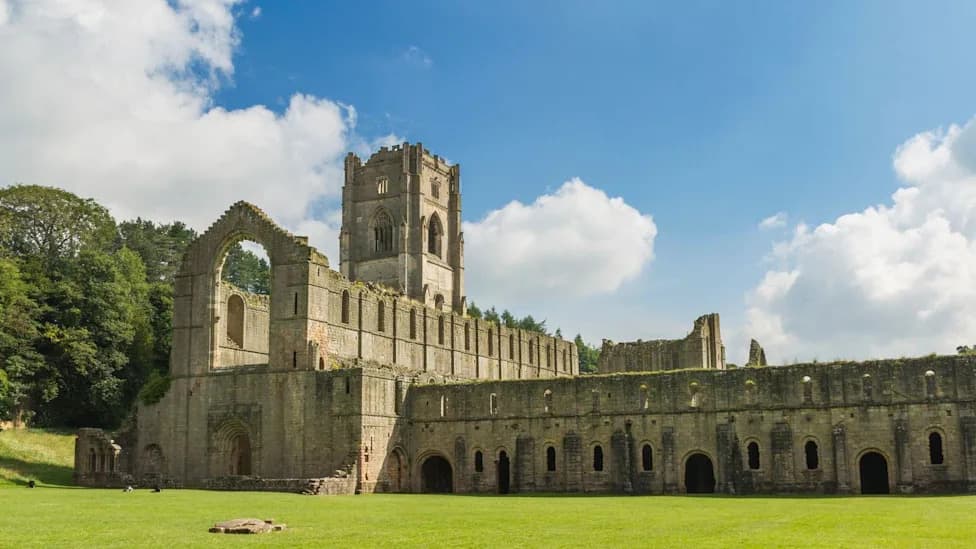
Fountains Abbey is feeling the impact of extreme weather, the National Trust says [Getty Images]
The National Trust has warned that climate change is already causing visible damage to historic houses, gardens and coastlines and that protecting every site in its existing form may no longer be possible.
Rising Risks at Fountains Abbey and Beyond
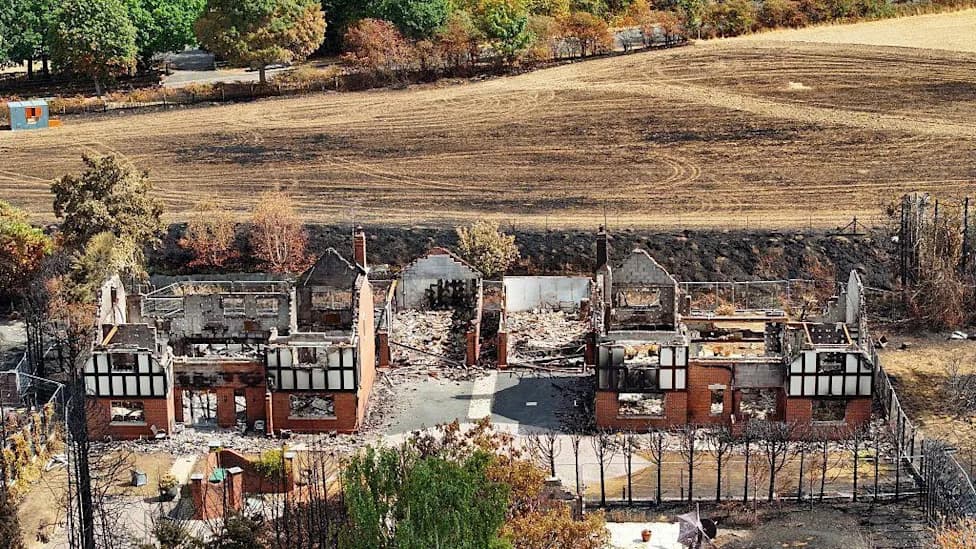
Justin Scully, manager of Fountains Abbey and Studley Royal, said hotter summers, heavier downpours and increased wildfire risk are affecting gardens, moorland and stonework across the Trust's estate. He described how intense rain can overwhelm drainage and get into walls, leading to damp and erosion, while repeated wetting and drying — and freeze–thaw cycles in winter — place stress on masonry.
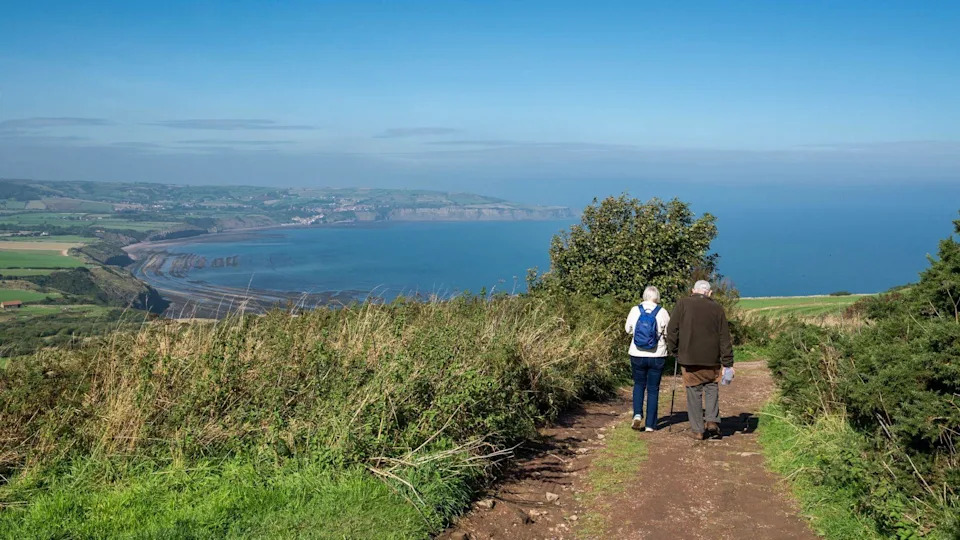
Coastal areas like Ravenscar are difficult to protect from climate change [Getty Images]
“Flooding can undermine foundations, and hotter, drier spells increase the risk of subsidence and wildfires,” Scully said. “These last two summers have really brought this home to ourselves and to our visitors. The threat is tangible.”
How the Trust Is Responding
The Trust is modelling scenarios over the next 40 years to test how properties and landscapes might change and to prioritise adaptive work. At Fountains Abbey, potential measures include enlarging drainage capacity, upgrading gutters and redesigning water management to cope with heavier rainfall. In gardens, conservation teams may allow some areas to become less formally manicured to improve resilience.
Coastal sites from Loftus to Filey — including locations such as Ravenscar — are highlighted as among the most vulnerable, facing erosion and rising sea levels. The Trust maintains buildings such as Beningbrough Hall, Nunnington Hall and Treasurer's House in York, while also monitoring miles of exposed coastline.
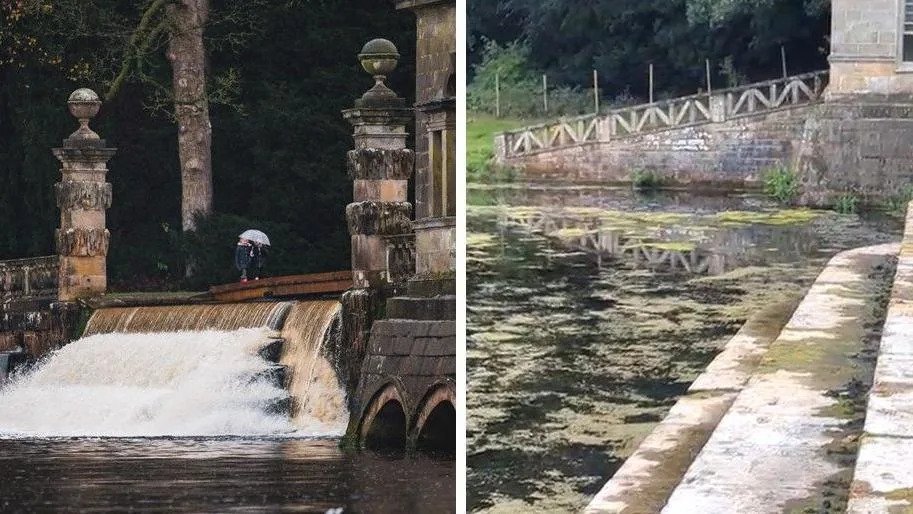
The water cascade into the Studley Lake ran dry during hot weather in 2025 [National Trust]
Funding, Policy and Community Action
As a charity without guaranteed government funding, the National Trust can apply for project grants but warned that some adaptation processes could be very costly. The organisation is calling for climate resilience to be a national priority, including a Cabinet-level minister to coordinate preparedness and support long-term investment.
Despite the scale of the challenge, Scully urged communities not to despair: small local actions to reduce carbon footprints and collective support for adaptation can make a difference over time. As a stark example of changing conditions, the water cascade into Studley Lake ran dry during hot weather in 2025.
What This Means: The Trust will have to make difficult decisions based on each site's significance, the benefits it provides to people, and whether long-term adaptation is sustainable. The organisation expects conservation practice to evolve as climate pressures increase.
Help us improve.