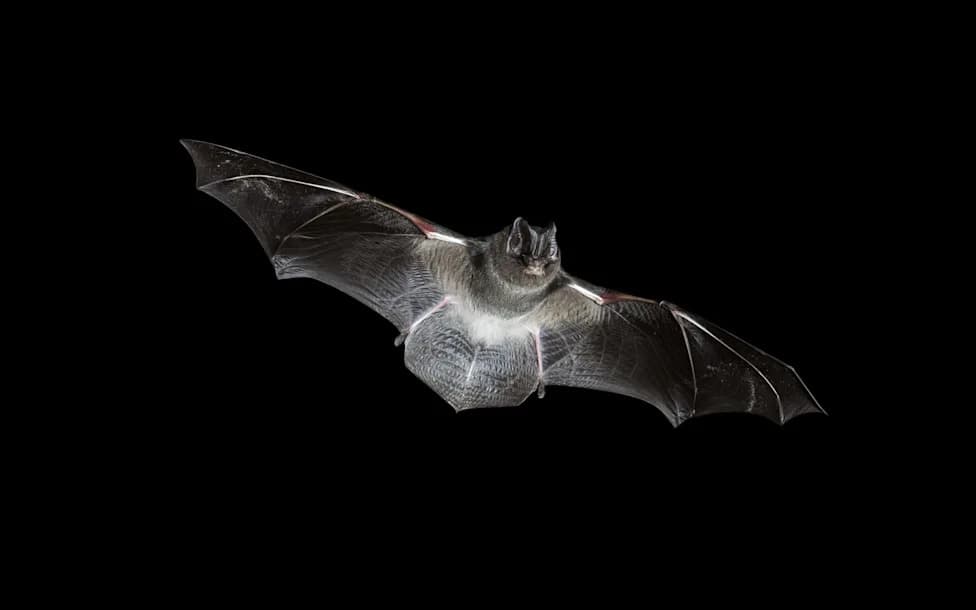
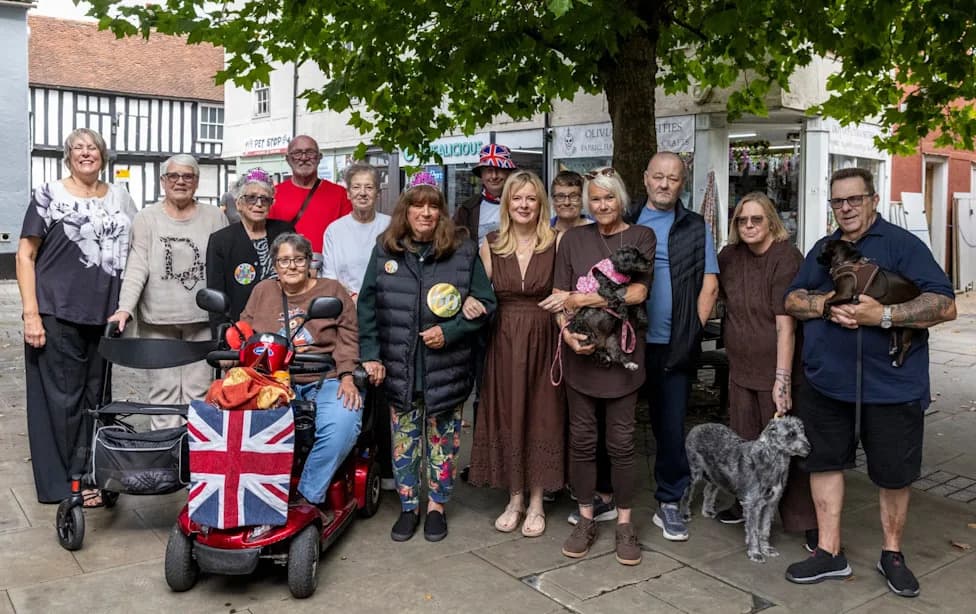
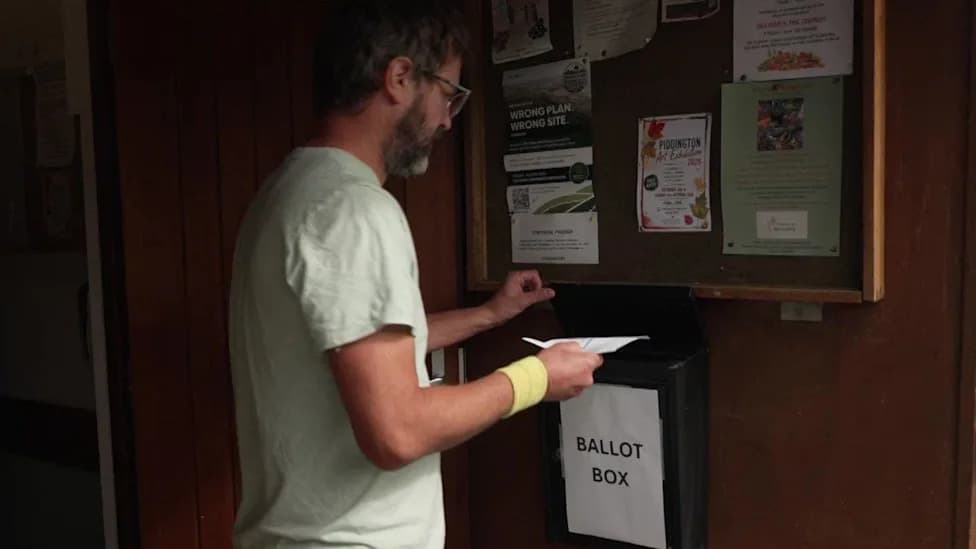
The Home Office's proposal to house 1,250 asylum seekers on a former RAF base at Barnham, Suffolk, faces a likely legal obstacle because the site lies within the Breckland Special Protection Area, home to more than 200 breeding pairs of stone curlews. Habitat Regulations (2017) effectively bar development within roughly a mile of their nesting sites unless it can be shown beyond reasonable scientific doubt there will be no harm. Local councils and residents — citing both legal and public-safety concerns — are coordinating with communities in Piddington, where protected newts and rare bats have threatened a separate migrant camp proposal.
Protected Stone Curlews Threaten Home Office Plan For Second Asylum Camp In Suffolk
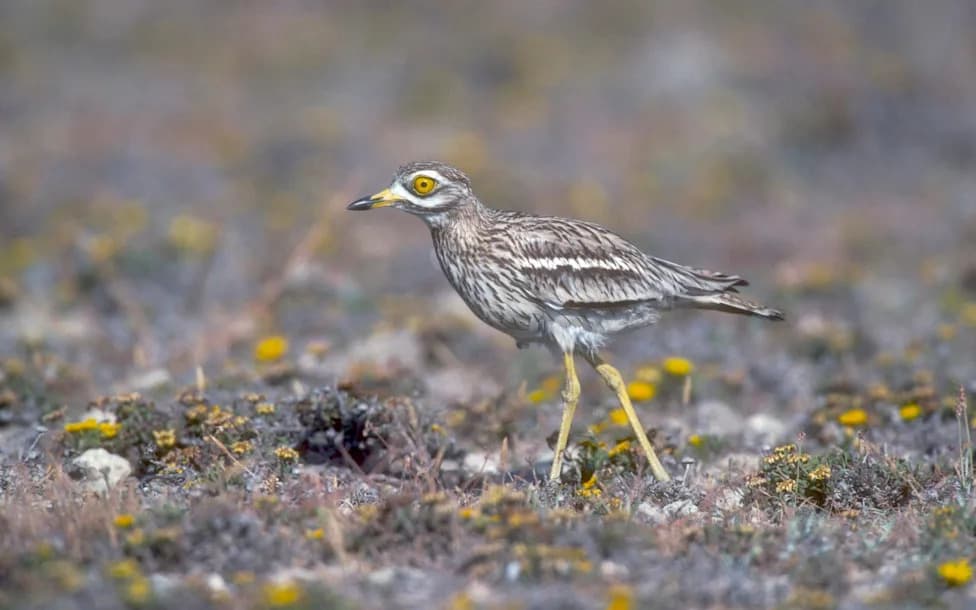
Rare stone curlews inhabit a former RAF base where an asylum camp is planned
Plans to house 1,250 asylum seekers on the former RAF base at Barnham, Suffolk, risk being blocked because the site lies inside the Breckland Special Protection Area — an internationally designated wildlife zone that supports more than 200 breeding pairs of stone curlews.
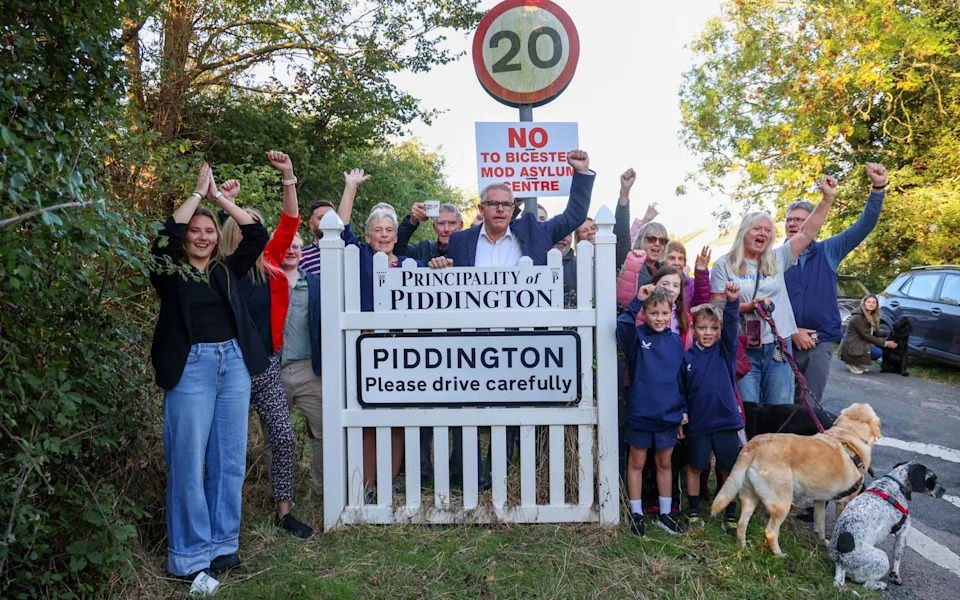
Residents of Piddington protested against plans to house asylum seekers nearby - John Lawrence
The proposed conversion of the military site has drawn opposition from local councillors and residents who say the protection afforded to stone curlews makes development legally unworkable. Conservation rules under the Habitat Regulations (2017) effectively prevent construction within just under a mile of the birds' nesting areas unless it can be demonstrated, beyond reasonable scientific doubt, that the project will cause no harm to the protected site.
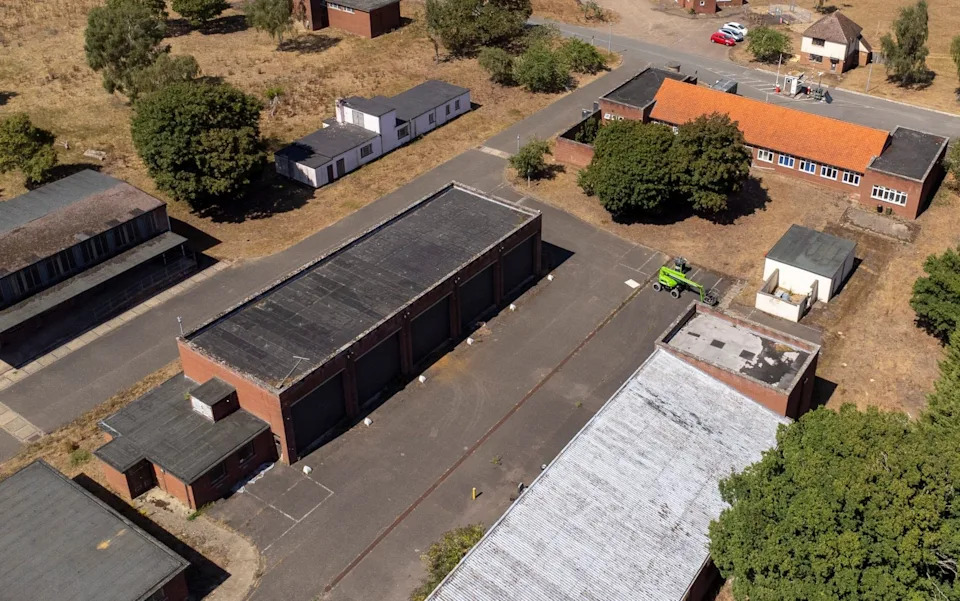
The MoD site in Barnham, Suffolk, lies within the Breckland special protection area, which hosts more than 200 breeding pairs of stone curlews - Jason Bye
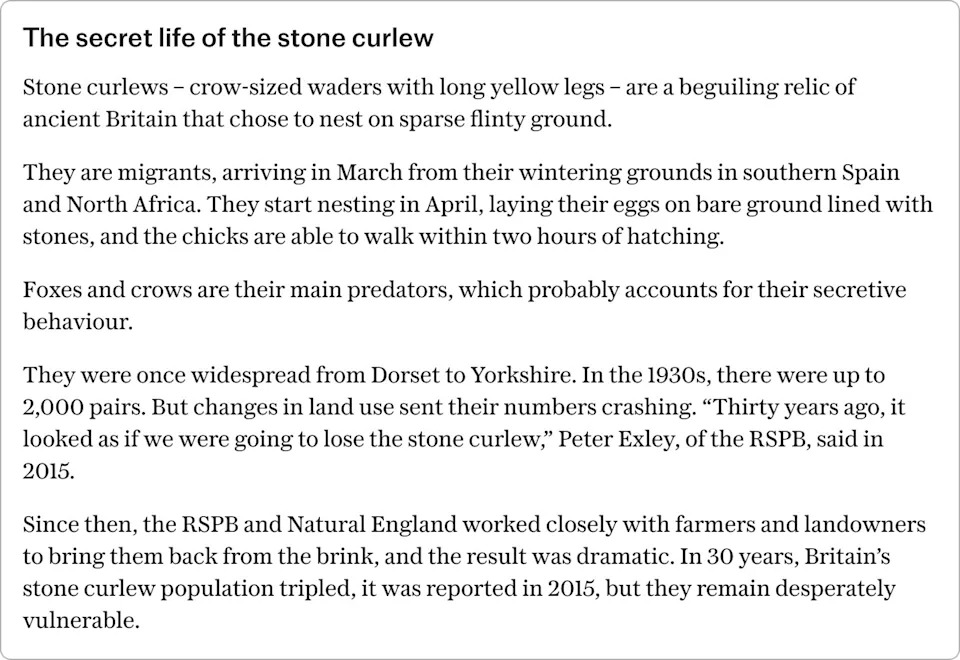
Stone curlews nest on the ground and rely on a mix of bare, stony ground and short, grazed grass to feed and rear chicks. The species is highly sensitive to human disturbance, and its protected status has repeatedly disrupted planning applications across Breckland.

Barnham residents have opposed plans for migrant camp - Martin Pope/Getty Images
“The exceptionally high legal threshold imposed by the habitats regulations... leads us to conclude that development here will not be possible,” said Cliff Waterman, Labour leader of West Suffolk Council, which opposes the asylum proposal.
John Bauer, chairman of Barnham Parish Council, added that the restrictions have already blocked multiple housing schemes in nearby villages and in the town of Brandon. He noted that while other protected species in the area — such as bats and great crested newts — can sometimes be mitigated by developers, the stone curlew presents particular constraints.
Residents say public-safety concerns voiced at community meetings — especially for women and children — have compounded opposition. Barnham’s councillors note that the proposed camp’s population of mainly adult males would be roughly double the village’s current population of about 600.
Wider Context
The Barnham dispute follows a similar controversy in Piddington, Oxfordshire, where plans for a 1,256-migrant camp were reported to be threatened by the presence of protected great crested newts and barbastelle bats, one of Britain’s rarest bat species. Officials in both locations are engaged in environmental assessments and planning discussions.
The Royal Society for the Protection of Birds (RSPB) began habitat conservation work for stone curlews in 1985, after numbers fell to fewer than 150 breeding pairs nationwide. RSPB efforts in eastern England — including Suffolk, Norfolk and Cambridgeshire — have helped local numbers recover; an RSPB officer reported 226 local breeding pairs last year.
A Home Office spokesman said: “The development has been designed to avoid adverse impacts on the environment. We are continuing to work through the relevant environmental assessments and planning processes.”
Barnham parish leaders have discussed coordinating with residents in Piddington and even the possibility of holding a symbolic referendum over leaving the UK as a form of protest. For now, the interaction between strong habitat protections and urgent accommodation needs highlights the legal and practical challenges of siting large migrant reception centres near sensitive wildlife areas.
Help us improve.