Delhi's updated net‑metering rules, effective July 16, simplify rooftop solar approvals and apply to pending applications. Domestic systems up to 10 kW now bypass pre-installation technical feasibility checks, while larger systems must complete feasibility within 15 days. The regulator cut a three-step approval into two, digitised agreements and requires verifications and net‑metering work to be completed quickly.
Delhi Cuts Rooftop Solar Red Tape — Feasibility Checks Waived For Homes Up To 10 kW
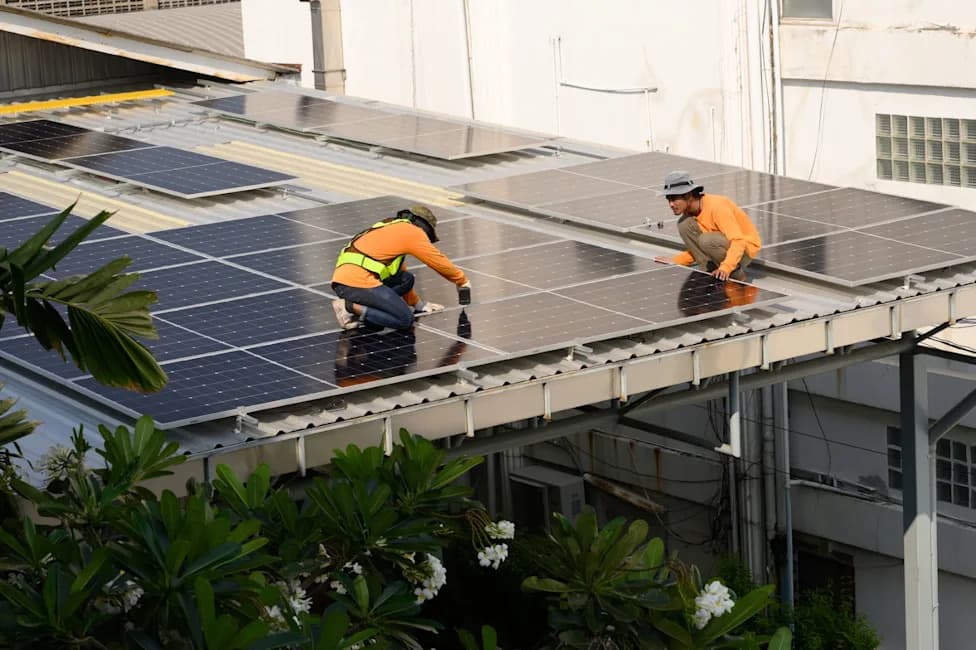
Photo Credit: iStock
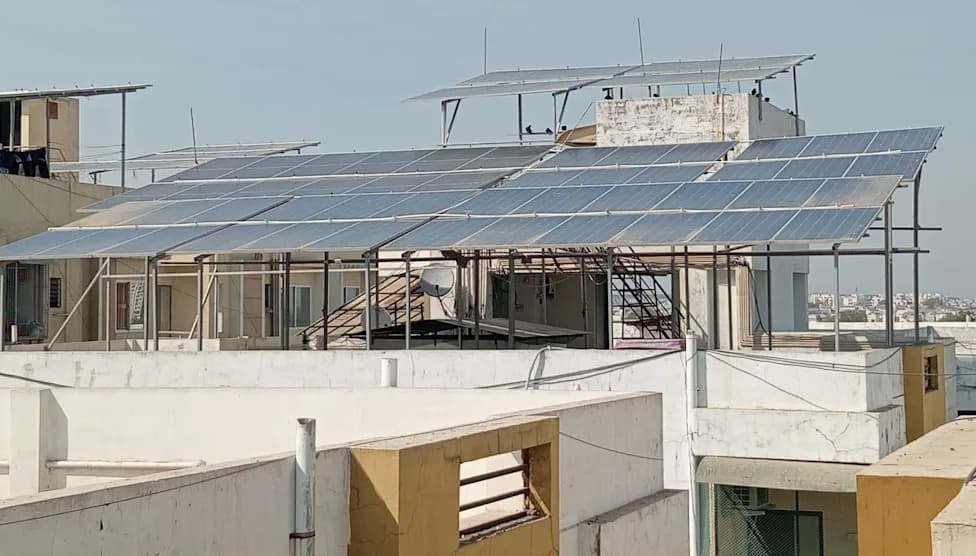
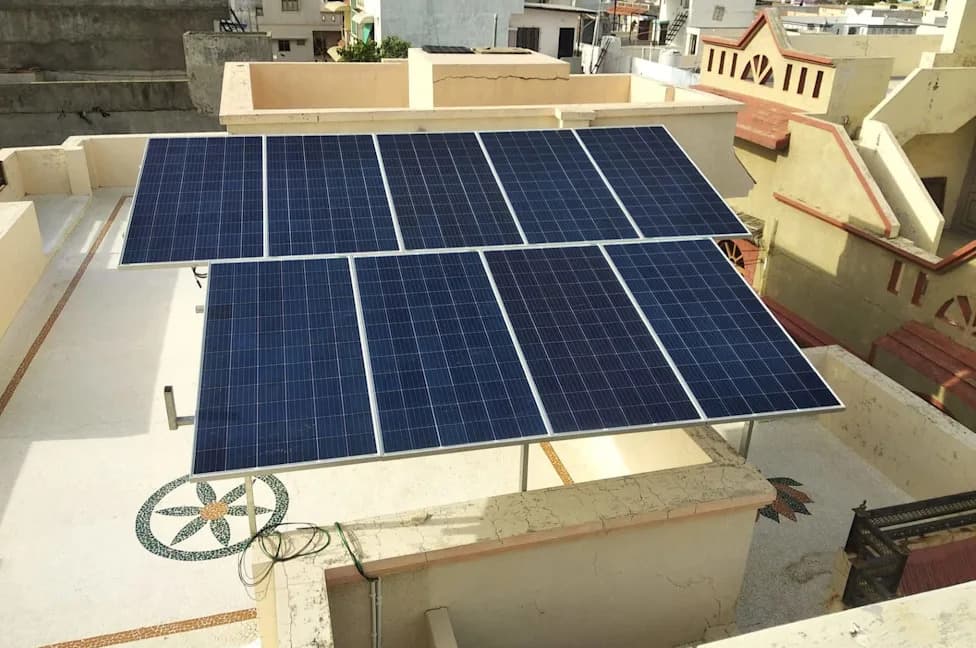
Delhi has overhauled its rooftop solar approval process to reduce paperwork, shorten timelines and remove a major procedural hurdle for many households.
The Delhi Electricity Regulatory Commission (DERC) introduced updated net‑metering guidelines that took effect on July 16 and apply to pending applications. The reforms aim to accelerate residential solar installations by simplifying approvals, digitising paperwork and setting firm deadlines for each step.
Key Changes
No Pre-Installation Feasibility For Small Systems: Domestic rooftop systems of the same supply type up to 10 kW no longer require a pre-installation technical feasibility assessment, removing a common source of delay for homeowners.
Simplified Workflow and Digital Agreements: The previous three-step approval process has been reduced to two steps. Connection agreements are now digital, and the entire application and approval workflow has been moved online to improve transparency and speed.
Timelines For Larger Systems: Systems above 10 kW still require a technical feasibility review, but DERC mandates that the review be completed within 15 days of receiving a fully submitted application. After installation and document upload, verification, inspection and net-meter installation must be finished within the next 10 days.
Faster Connections For Small Systems: For systems up to 10 kW, grid connection must be granted within 10 days of document submission. The revised framework merges document verification, physical inspection and net-meter installation into a single stage to cut repetitive steps and delays.
Support And Consumer Tools
The guidelines note that households can use government incentives such as the PM Surya Ghar Muft Bijli Yojana to plan installations and start saving sooner. Consumer platforms also provide comparison tools: for example, EnergySage offers free estimate and quote-comparison services and reports that competitive quotes and incentives can reduce purchase and installation costs by substantial amounts.
Battery Options: The article also highlights battery storage as a recommended option for homeowners who want outage protection, lower energy bills and the potential to move toward partial off-grid operation; consumer marketplaces can provide competitive installation estimates for batteries.
“For small residential rooftop systems, safety risks are generally low and can be managed through standard technical specifications. Requiring every homeowner to wait for a feasibility study was adding time and paperwork without delivering significant safety benefits.” — Delhi official
By digitising the process and enforcing clear deadlines, Delhi aims to make rooftop solar more practical and attractive for households while maintaining safety standards for larger installations.
Help us improve.