The Swiss study analyzed about 260,000 households in canton Bern (2008–2019) and found that nearby rooftop solar can reduce electricity use and increase neighbors’ likelihood of adopting solar and EVs. One additional installation 100 meters away corresponded to a 0.21% annual drop in consumption (~11 kWh/year); an installation within 10 meters corresponded to a 2.1% drop and much larger boosts in solar and EV uptake. The authors attribute these peer effects to visibility, reduced uncertainty, and economic and policy signals.
Swiss Study: One Rooftop Solar Installation Can Reduce Neighbors’ Power Use And Spur Solar And EV Adoption
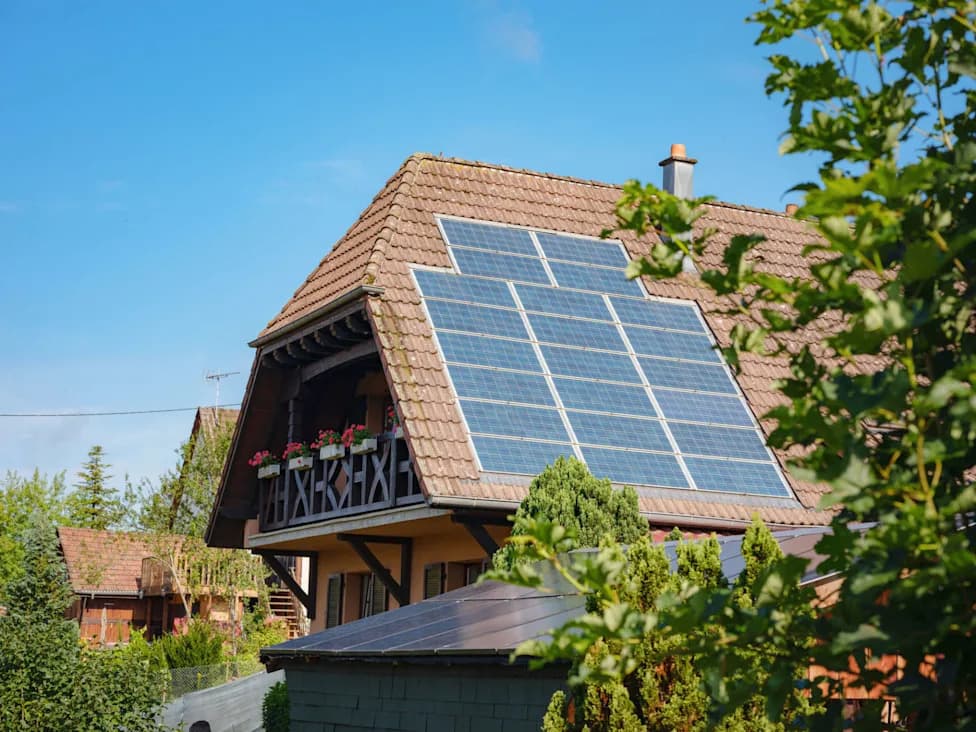
Photo Credit: iStock
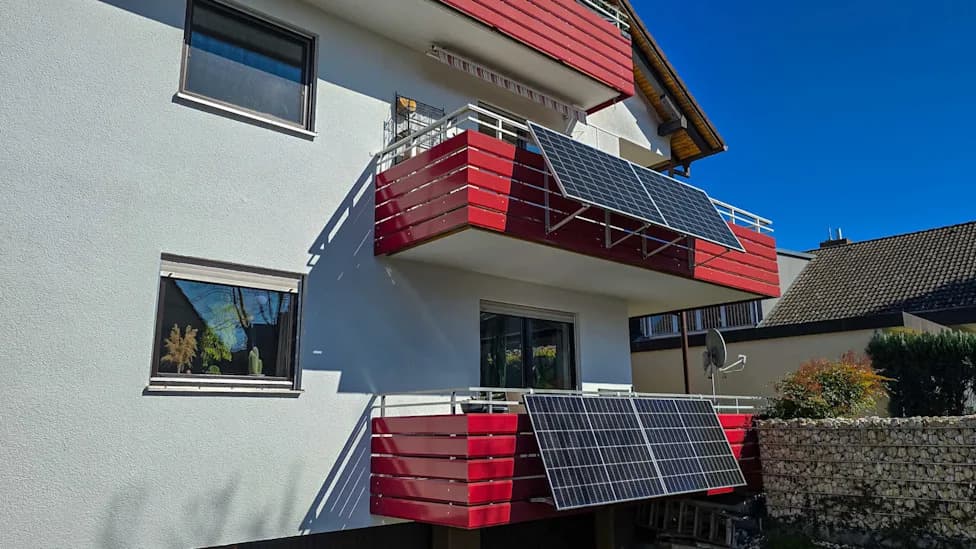
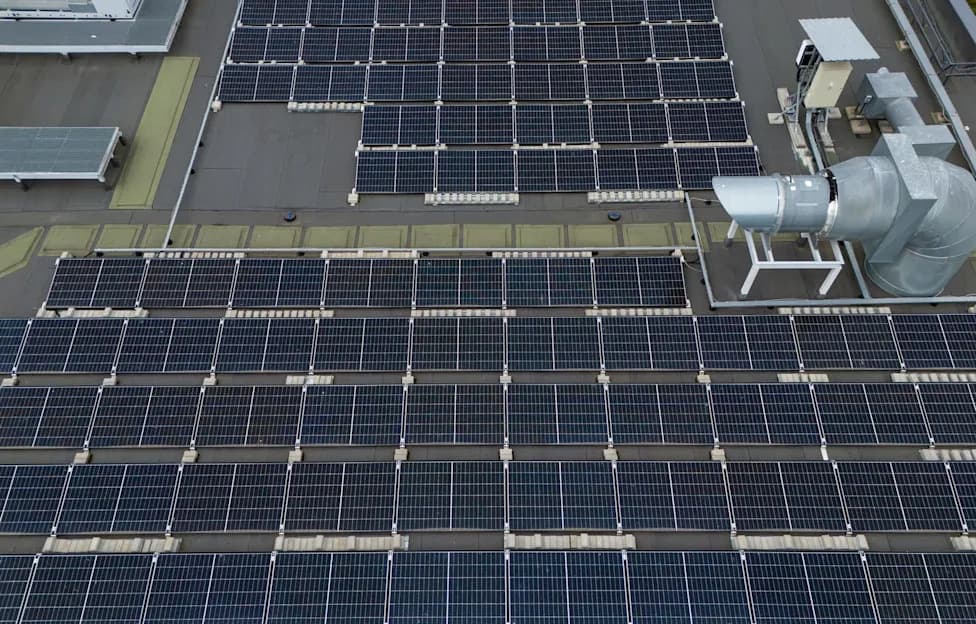
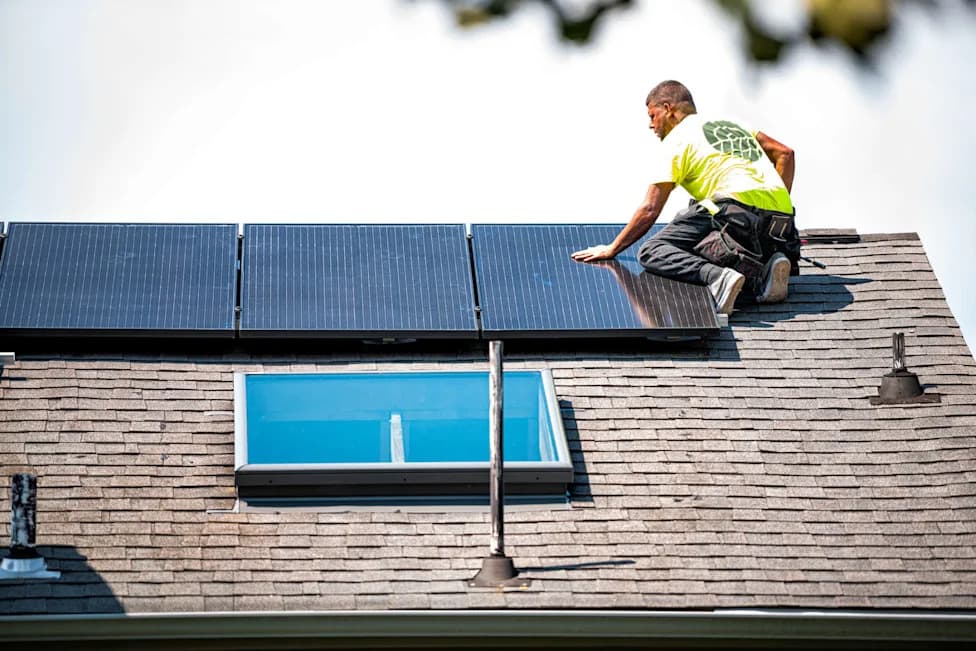
A new Swiss study finds that a rooftop solar array can influence behavior beyond the property where it is installed: nearby households tend to use less electricity and become more likely to install their own solar panels or buy electric vehicles.
Study And Methods
Researchers Benedikt Janzen (University of Passau) and Patrick Bigler (University of Lausanne) analyzed geocoded records for roughly 260,000 households in Switzerland's canton of Bern from 2008 to 2019 in the paper "Green spills: Peer effects in pro-environmental behaviors." By linking household electricity consumption, solar ownership, EV ownership, and basic household characteristics, they measured how proximity to existing rooftop PV installations related to subsequent household decisions.
Key Findings
Distance mattered. One additional solar installation 328 feet (100 meters) from a household was associated with a 0.21% annual decline in electricity use—about 11 kilowatt-hours saved per household per year. When a solar array was much closer, within 33 feet (10 meters), the effect grew: households showed a 2.1% annual reduction in consumption, and nearby solar or EV adoption rose substantially.
"Although the magnitude of these effects appears small, they are relatively large in comparison to the baseline probabilities of 1% for solar PV and 0.44% for EV adoption," the authors write. "Put differently, an additional solar PV installation at 100 meters distance to a household leads to a significant increase in both the probability of adopting a solar PV and an EV by 2% and 2.3%, respectively."
At the closer 10-meter range, the study linked a nearby installation to roughly a 20% increase in solar uptake and a 23% increase in EV adoption among neighbors—illustrating how visibility and proximity amplify peer effects.
Why Solar Spills Over
The authors suggest several mechanisms for these spillover effects. A visible rooftop array signals that the technology is practical, affordable and socially acceptable. Seeing a neighbor’s system reduces uncertainty about performance and costs, and it can make incentives and local market offerings feel more tangible. Policy incentives, equipment and labor costs, and local market conditions also remain central determinants of adoption.
Practical Notes For Homeowners
Rooftop panels are generally quiet and unobtrusive, which helps minimize neighborhood friction. Homeowners considering solar can also evaluate adding battery storage to improve resilience during outages and increase the share of self-consumed electricity. Services that compare installer bids and list available incentives can help households make better-informed choices and often reduce costs.
Conclusion
The research suggests residential solar PV adoption produces benefits beyond the household that installs it by encouraging neighbors to act more pro-environmentally. In short, a single rooftop array can create a ripple effect: visibility, economics and policy together influence whether nearby households reduce consumption or decide to install solar or buy EVs.
Help us improve.