California’s April 2024 rule sets a 10 ppb maximum contaminant level for chromium‑6 in drinking water. Five of six Coachella Valley suppliers estimate combined compliance costs exceed $525 million, with the Coachella Valley Water District’s share near $350 million. Deadlines vary by system size between Oct. 1, 2026 and Oct. 1, 2028, and some wells have already been taken offline while agencies await state approval of submitted plans. Customers may face higher rates as districts recover costs.
California’s Chromium‑6 Rule Could Raise Coachella Valley Water Bills by Hundreds of Millions
Photo Credit: iStock
A new California regulation limiting chromium‑6 in drinking water is forcing rapid upgrades across the Coachella Valley and could substantially raise local water bills.
What the rule requires
In April 2024, the State Water Resources Control Board adopted a maximum contaminant level (MCL) of 10 parts per billion (ppb) for chromium‑6 in delivered drinking water. State regulators classify chromium‑6 as a carcinogen, and California is reported to be the only U.S. state with a specific drinking‑water standard for this compound.
Local impact and costs
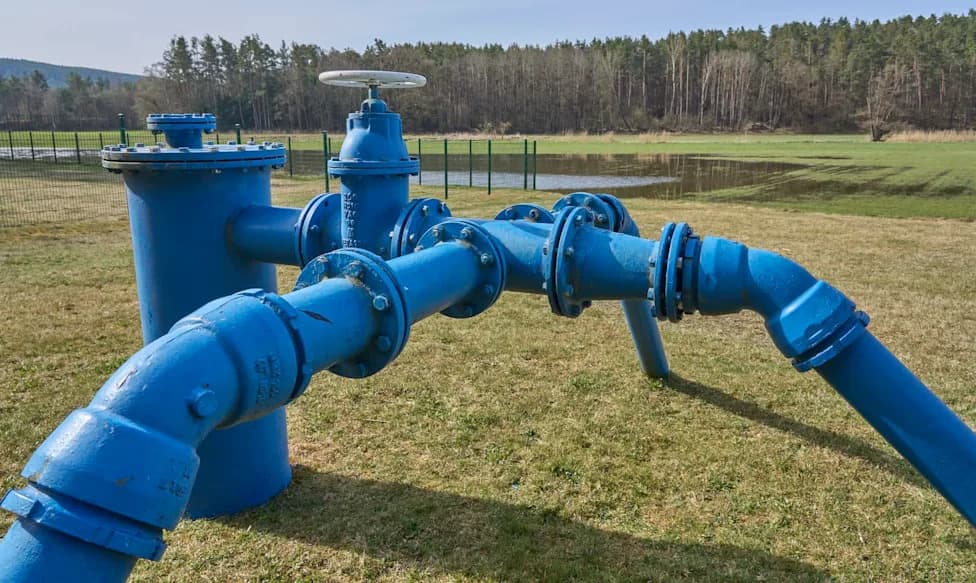
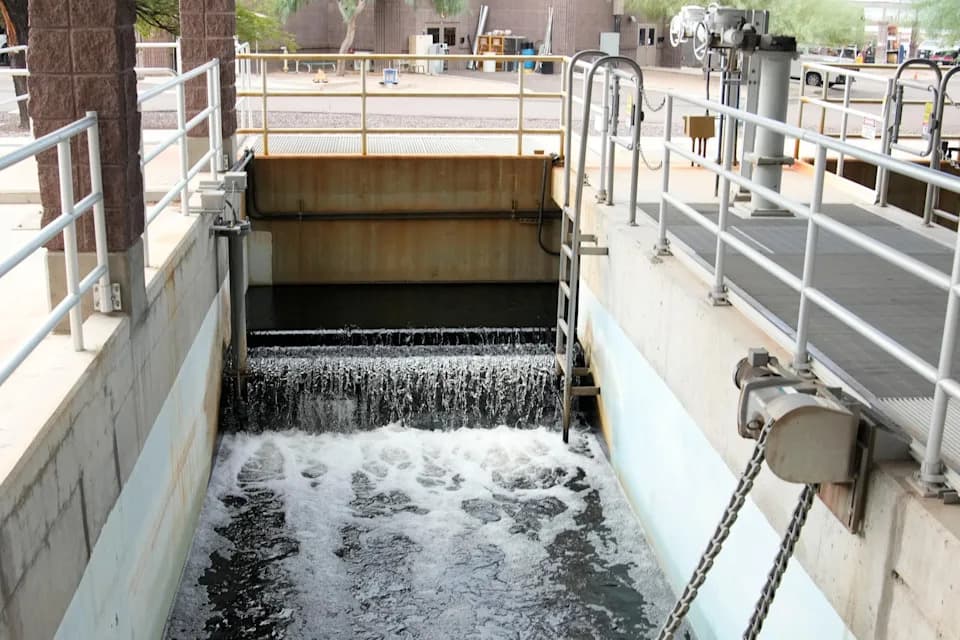
The Coachella Valley Independent reports five of the valley’s six water providers estimate combined compliance costs of more than $525 million. Those costs reflect new treatment plants, additional wells, connecting pipelines and other infrastructure to reduce chromium‑6 levels.
The Coachella Valley Water District (CVWD), the region’s largest supplier, says 34 of its 96 drinking water wells exceed the new limit and that its projected compliance cost has climbed to roughly $350 million. Lorraine Garcia, CVWD communications manager and public information officer, said, “This has been in the works for about 25 years. And there’s been a lot of conflict.”
Other providers’ estimates include:
- Indio Water Authority: about $130 million to address 13 affected wells.
- Mission Springs Water District: roughly $25 million in expected costs.
- Myoma Dunes Mutual Water Company: an estimated $10 million to $15 million.
Some of these expenses may be passed to customers through higher rates. CVWD plans to commission a new cost‑of‑service study to assess potential rate impacts.
Where systems stand now
Not all systems face the same challenge. Desert Water Agency, which serves Palm Springs and nearby communities, says it already meets the new standard. Victoria Llort, the agency’s public affairs and conservation director and public information officer, wrote, “The agency has not needed to make operational changes as a result of the chromium‑6 regulation.”
Several providers have already taken affected wells offline while they evaluate treatment options. Agencies submitted compliance plans in 2025 or early 2026 and are now awaiting state approval.
Deadlines and next steps
Compliance deadlines depend on system size:
• Systems serving more than 10,000 customers: Oct. 1, 2026
• Systems serving 1,000–9,999 customers: Oct. 1, 2027
• Systems serving fewer than 1,000 customers: Oct. 1, 2028
Once the State Water Resources Control Board approves submitted plans, agencies say they are prepared to move forward with infrastructure projects. Garcia emphasized that the chromium‑6 detected in the valley is naturally occurring and that the primary challenge is meeting the stringent 10 ppb MCL: “This is all naturally occurring chromium. It’s been here since we’ve all been here, and even before that. The challenge is the 10 parts per billion MCL.”
Bottom line: The new chromium‑6 standard aims to protect public health but carries steep upfront costs that could affect rates and require major upgrades across the Coachella Valley water systems.
Help us improve.