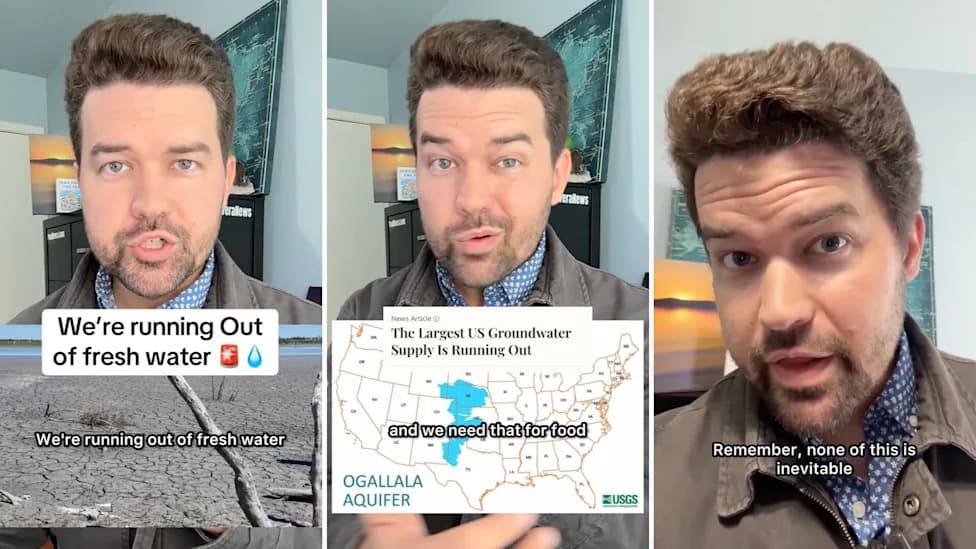
California's State Water Resources Control Board has approved new fees for "good guy" exemption applications under SGMA, setting charges from $50,000 to $250,000 based on pumping volume. The fees aim to cover the Board's review costs, but critics warn such high prices could dissuade legitimate requests and limit agencies' ability to avoid probation-related state charges. Only the Tule and Tulare Lake subbasins are currently on probation; the Board has issued about $7 million in invoices in Tule, with roughly $2 million collected so far.
California Imposes Up to $250,000 Fee for 'Good Guy' SGMA Exemptions — Critics Warn It Could Chill Appeals
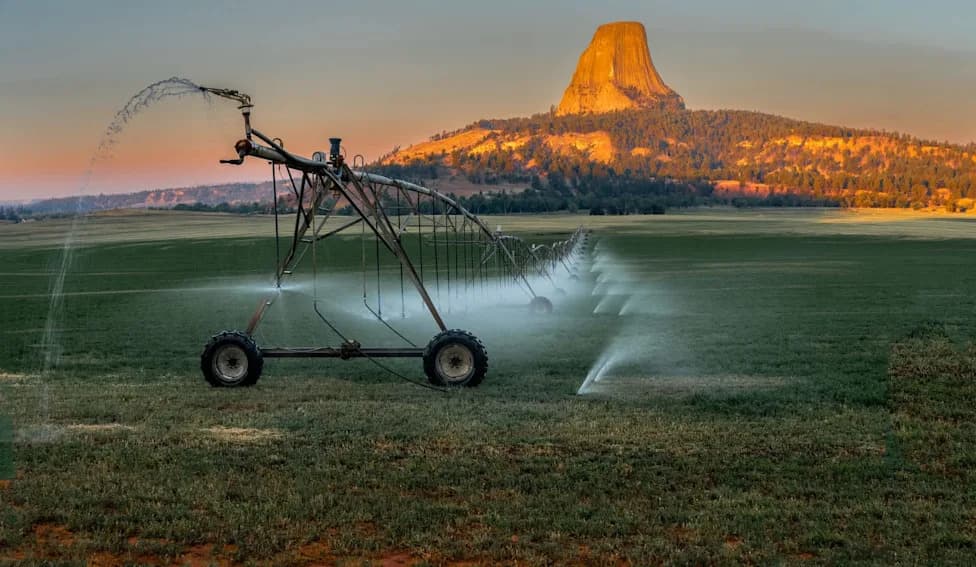
Photo Credit: iStock
California groundwater agencies that want to avoid state probation under the Sustainable Groundwater Management Act (SGMA) now face a sharply higher cost to seek a so-called "good guy" exemption. The State Water Resources Control Board on Sept. 15 approved an application fee schedule that ranges from $50,000 to $250,000 depending on how much groundwater an agency pumps from a subbasin.
What the Fee Change Means
The new fee is intended to cover the Board's staff time and review costs associated with evaluating exemption requests. David Ceccarelli, Branch Chief with the Division of Water Quality, told the board the charge is meant to "cover appropriate staff expenditures while avoiding discouraging legitimate exclusion requests," adding that, without the fee, those costs would be borne by all SGMA fee payers.
Why Agencies Seek Exemptions
If the State Water Board places a subbasin on probation for lacking an adequate groundwater sustainability plan, landowners and growers in that area may face a suite of state-imposed charges: annual well registration and metering requirements ($300 per meter) and a state pumping fee of $20 per acre-foot on top of local groundwater fees. Winning a "good guy" exemption is the primary way for individual groundwater sustainability agencies (GSAs) to avoid those probation-related state charges.
Local Impacts: Tule And Tulare Lake Subbasins
So far only two San Joaquin Valley subbasins — Tule and Tulare Lake — have been placed on probation. In the Tule subbasin, only two GSAs secured exemptions: Kern-Tulare Water District and Delano-Earlimart Irrigation District. Eight other Tule agencies applied and were denied. The Water Board said it spent roughly $1.3 million reviewing all exemption requests in Tule.
Delano-Earlimart has been described as a "net-positive" district because it imports more surface water than its growers pump from underground. Public comments indicate both Delano-Earlimart and Kern-Tulare will pay ongoing annual review fees of $12,500 each to maintain their exclusions.
Collections And Disputes
In August the Board issued about $7 million in invoices related to probation enforcement in the Tule area; slightly more than $2 million has been paid so far. Reports show 85 farmers are formally protesting bills totaling $3.265 million, while roughly $1.9 million from 107 landowners remains outstanding. In neighboring Tulare Lake, fewer than 35% of farmers reported their pumping; invoicing there is paused pending a court hearing scheduled for Oct. 6.
Broader Context And Reactions
SGMA was designed to curb chronic overpumping that can dry wells, damage ecosystems and threaten drinking water supplies in agricultural communities already stressed by drought. Supporters of the fee say it prevents the administrative burden from being shifted to all SGMA fee payers. Critics argue the steep application costs could deter smaller or fiscally constrained GSAs from seeking legitimate exclusions, effectively penalizing groups that are responsibly managing groundwater.
"Those costs are effectively borne by all SGMA fee payers," Ceccarelli said, explaining the rationale for the fee. Opponents counter that a $250,000 cap could chill appeals and reduce local agencies' access to due process.
What To Watch Next
Key developments to monitor include the outcome of the Oct. 6 court hearing in Tulare Lake, whether further subbasins are placed on probation, and any administrative or legislative responses to concerns that the fee schedule is punitive. The dispute is part of a broader push for tighter water oversight across California and the West, including tougher wetland enforcement, permanent urban water restrictions in some jurisdictions, and limits on groundwater pumping in the Southwest.
Help us improve.