Global investment in renewable power is accelerating—IEA projects about $665 billion by 2026, including $365 billion for solar. While wind and solar are crucial to cut emissions, large projects can fragment habitats, increase collisions for birds and bats, and alter local ecosystems. Smarter siting, AI-driven monitoring, seasonal turbine curtailment, habitat-friendly solar management and stronger environmental assessments can reduce harm. The energy transition must pair carbon reduction with active biodiversity protection to be truly sustainable.
The Hidden Wildlife Costs of the Renewable Energy Boom — How to Make Clean Power Nature-Positive
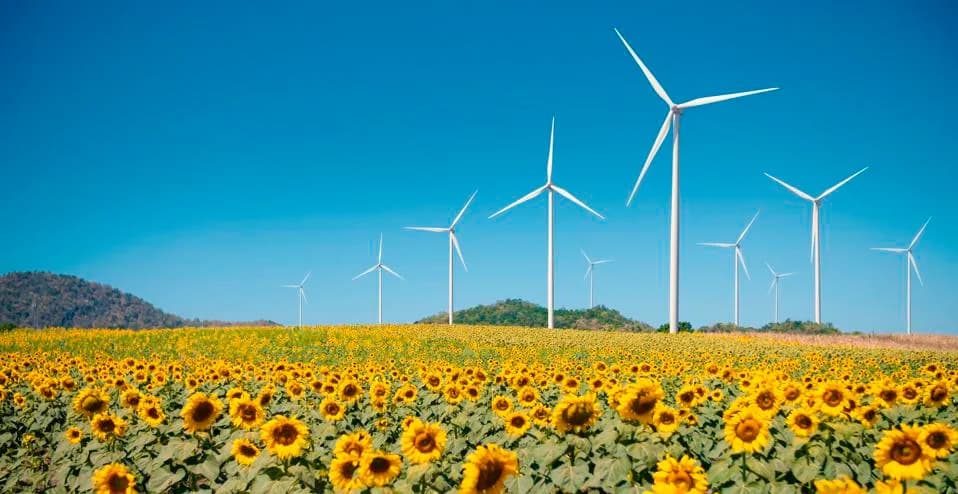
Wind turbines in a sunflower field set against a blue sky.getty
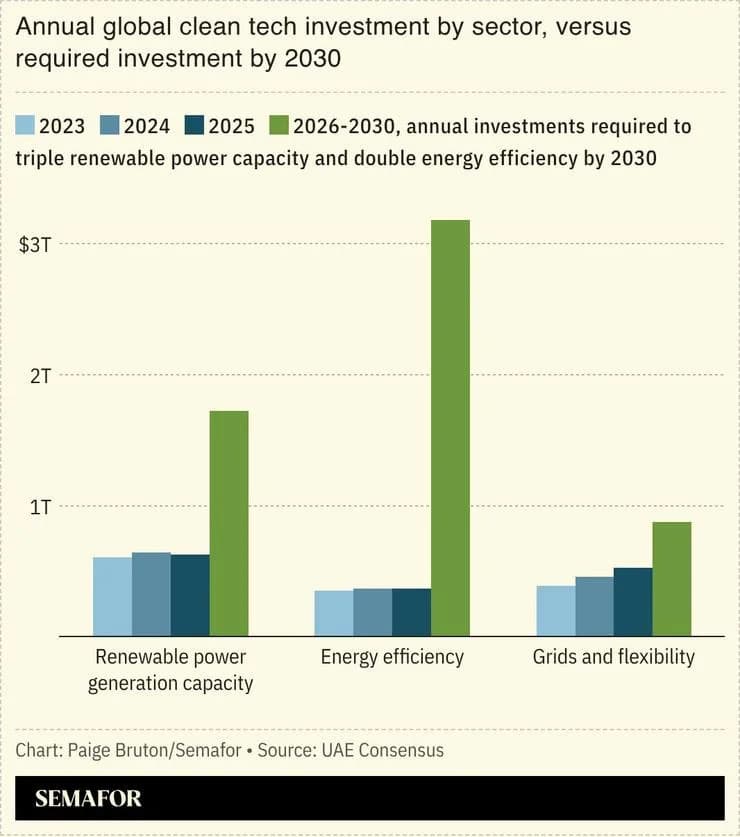
Global investment in renewable energy has surged as nations race to cut greenhouse gas emissions. The International Energy Agency (IEA) expects spending on renewable power projects to reach about $665 billion in 2026, with roughly $365 billion directed to solar alone. Wind farms, solar arrays and related infrastructure are vital for decarbonization, but their rapid expansion raises a pressing question: how do we scale low-carbon energy without degrading biodiversity?
Wildlife Risks From Wind Energy
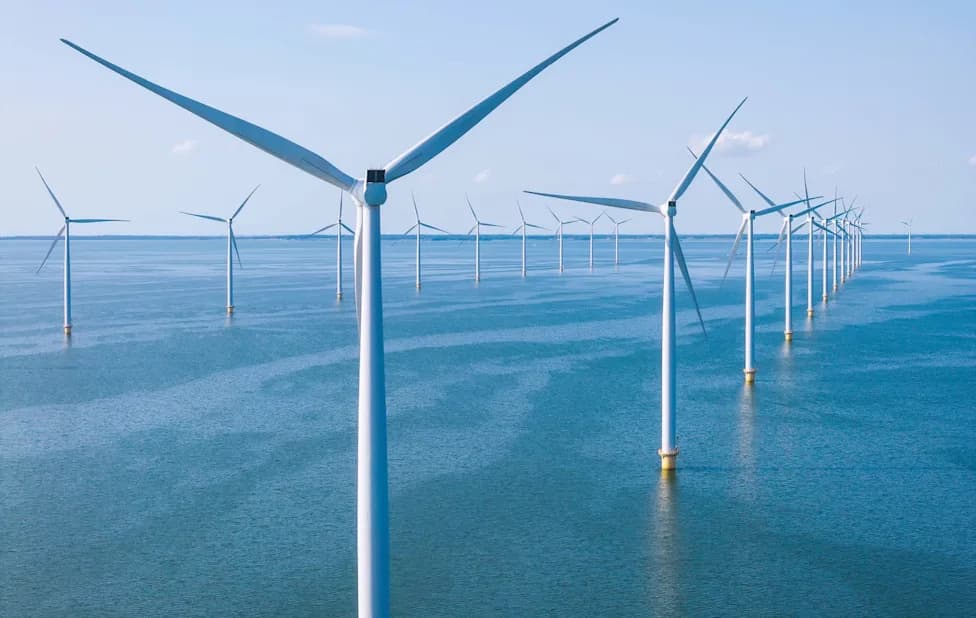
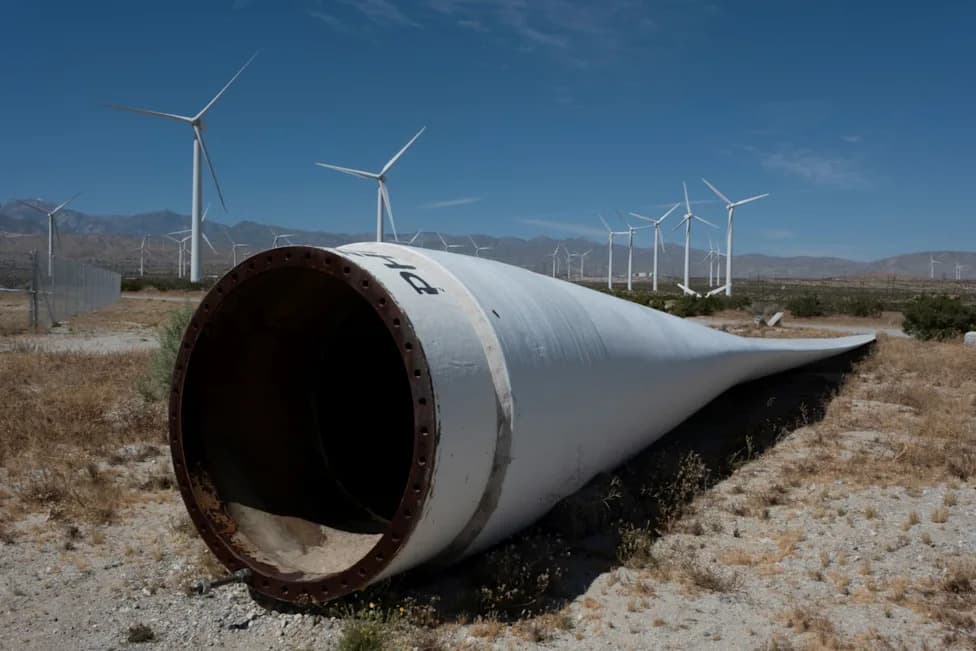
Wind turbines have substantially reduced fossil-fuel dependence, yet poorly sited or designed projects can harm birds and bats. Large raptors and soaring waterfowl—such as golden eagles, griffon vultures, cranes and pelicans—are vulnerable because they fly at rotor height and often cannot evade fast-moving blades. Nocturnally migrating songbirds (passerines) may become disoriented in poor weather or low light and collide with turbines. Bats face both direct collision risks and barotrauma—sudden pressure changes near blades that can cause lethal lung injury. Migratory tree bats that traverse many regions are especially exposed, and declines in bat populations can ripple through ecosystems by reducing natural insect control.
Solar Power: Land Use, Optics and Microclimates
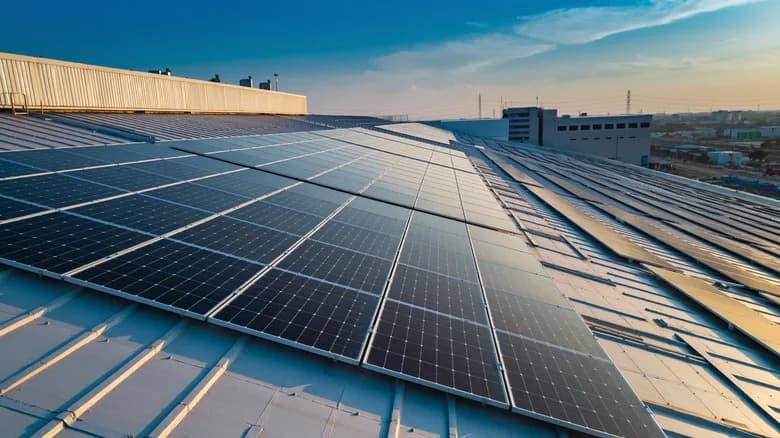
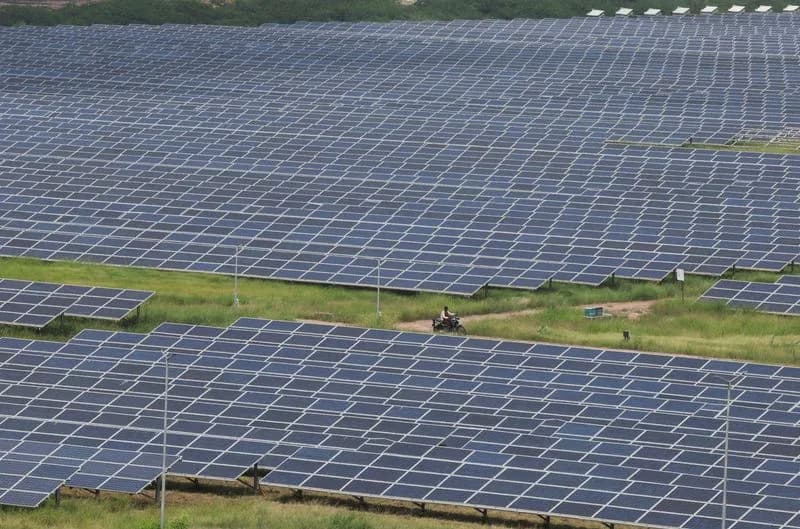
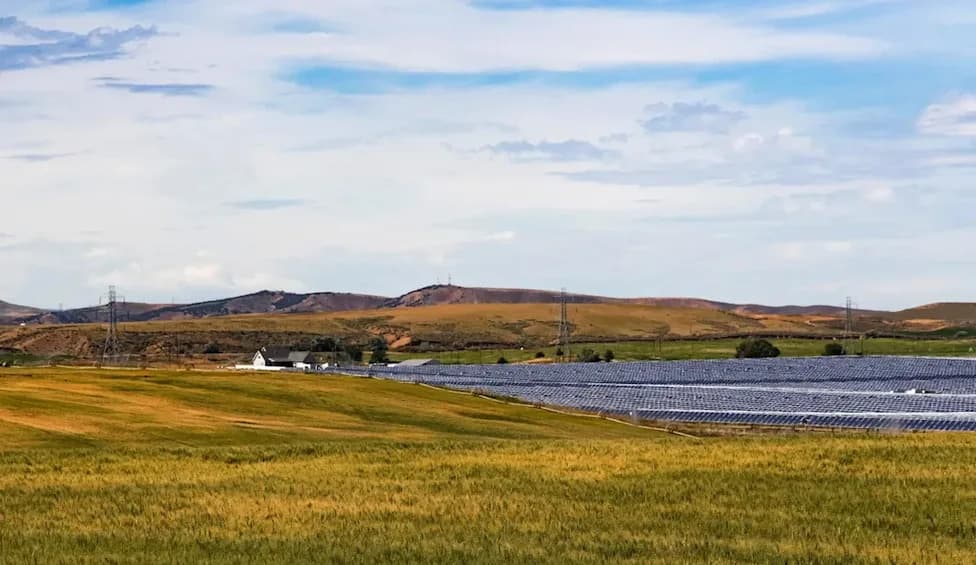
Utility-scale photovoltaic (PV) farms require large tracts of land, often in deserts, grasslands or other biodiverse landscapes. Clearing and fencing these areas can fragment habitat and block movement corridors for ground-dwelling species. PV panels can also create optical and acoustic traps: reflected polarized light can trick waterbirds into mistaking arrays for water, and the smooth horizontal surfaces act as "acoustic mirrors" that deflect bat echolocation, causing them to mistake panels for open water and collide.
Research from the University of Bristol indicates bat activity can fall by up to two-thirds in the centers of some solar fields. Panels also change microclimates and understorey vegetation, often reducing local insect abundance and degrading food resources for insectivorous birds and bats.
Concentrated Solar Power (CSP) Risks
CSP systems focus sunlight with vast mirror fields onto a central receiver, producing extremely hot focal zones. These concentrated beams can fatally burn or vaporize insects and birds that cross the focal area. During construction, heavy machinery, dust, soil compaction and new access roads further disturb habitats and extend impacts beyond the project footprint.
Reducing Harm: Smarter Planning, Technology and Management
Reducing the ecological footprint of clean energy does not mean slowing deployment. Instead, the emphasis should be on smarter, nature-sensitive development:
- Siting and Design: Prioritize degraded or lower-value lands, avoid migration corridors, wetlands and other sensitive habitats, and maintain buffer zones and wildlife corridors.
- Operational Measures: Use temporary curtailment—slowing or stopping turbines during peak migration or high bat-activity periods—and adjust operations seasonally.
- Monitoring and Detection: Deploy AI-driven cameras, radar and acoustic sensors to detect wildlife and predict collision risk in real time.
- Habitat Integration: Manage solar sites for biodiversity by planting native wildflowers to support pollinators and using managed grazing (e.g., sheep) to control vegetation with low impact.
- Technology & Deterrents: Test visual and acoustic deterrents for birds and bats, and implement blade-painting, lighting adjustments and other design tweaks that reduce attraction and collisions.
- Policy & Monitoring: Strengthen environmental impact assessments, require evidence-based mitigation, and mandate long-term post-construction monitoring to measure outcomes and adapt practices.
Toward a Nature-Positive Energy Transition
A truly sustainable energy transition must be both low-carbon and nature-positive. That means measuring success not only by emissions avoided but also by impacts on land use, species and ecosystem resilience. Renewable projects that cut carbon but destroy critical habitats are incomplete solutions. By integrating biodiversity data into planning, deploying technology to reduce collisions, and committing to long-term monitoring and adaptive management, developers and policymakers can help ensure clean energy coexists with—and even enhances—local ecosystems.
Bottom line: Renewable energy is essential for tackling climate change, but its expansion must be guided by careful siting, smarter operations and policy safeguards to protect wildlife and ecosystems.
Help us improve.