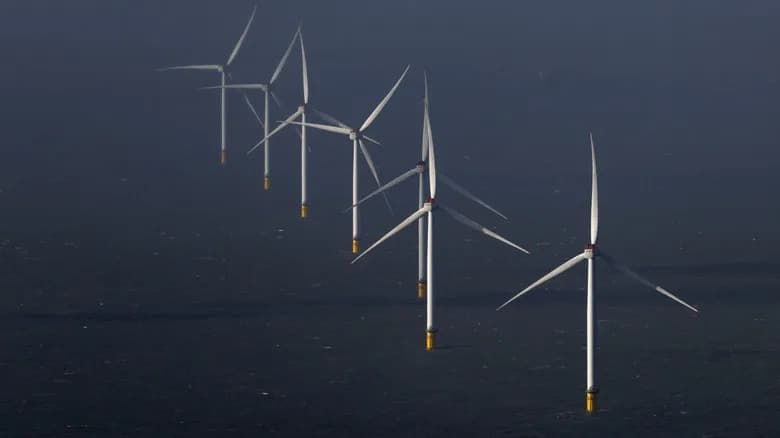
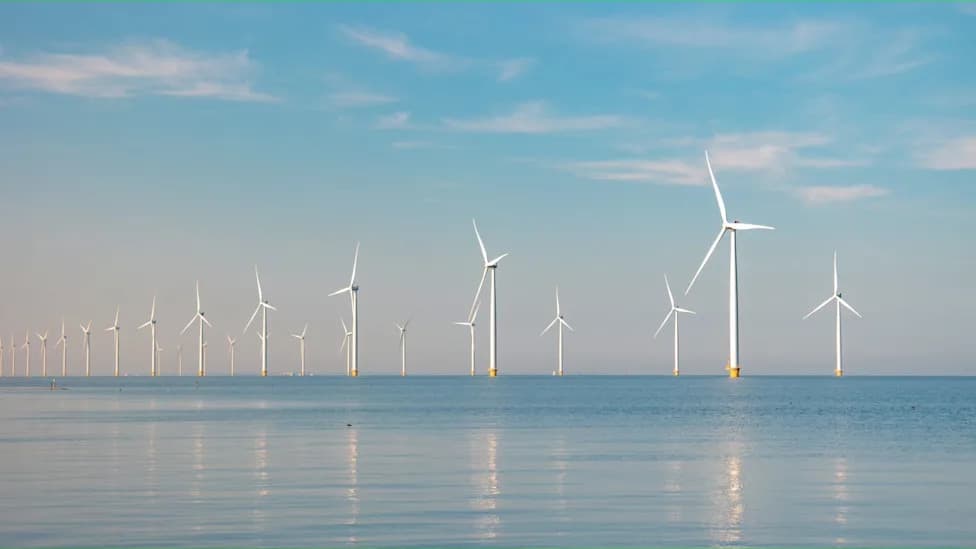
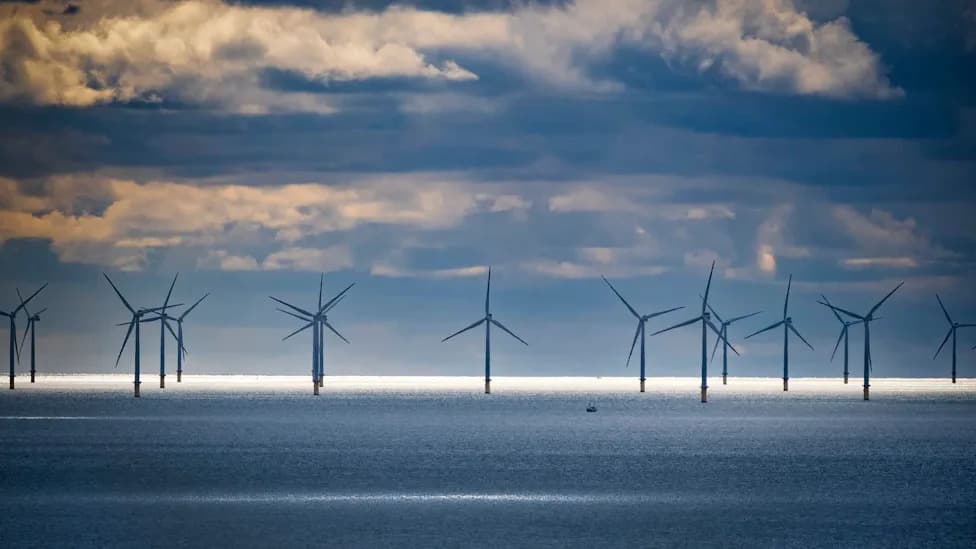
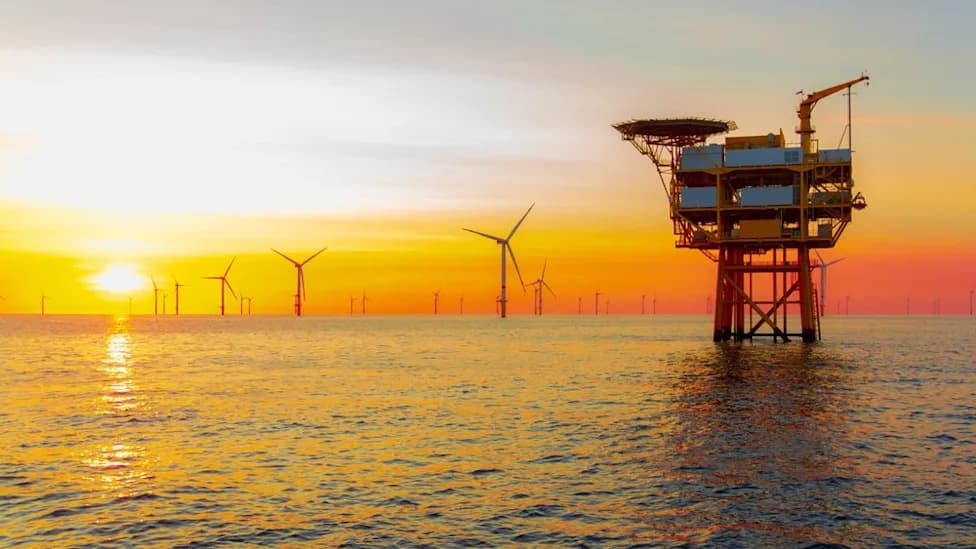
Offshore wind is scaling up worldwide as a key low‑carbon electricity source and can sometimes benefit marine life by reducing destructive fishing and creating artificial reef habitat. However, a 2025 review found about 86% of the sector’s potential impacts on ecosystem services remain unknown. Known risks include seabird and bat collisions, construction noise that can disturb marine mammals, altered water circulation and localized warming; experts call for ecosystem‑based siting, mitigation measures and much more research.
Offshore Wind May Shield Marine Life and Cut Pollution — But 86% Of Ecological Impacts Remain Unknown
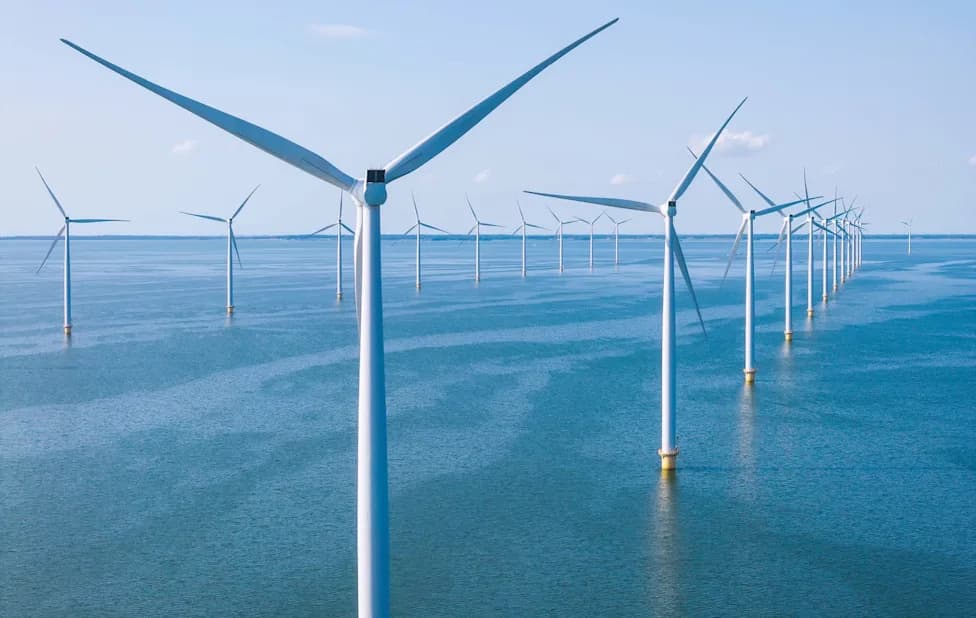
Photo Credit: iStock
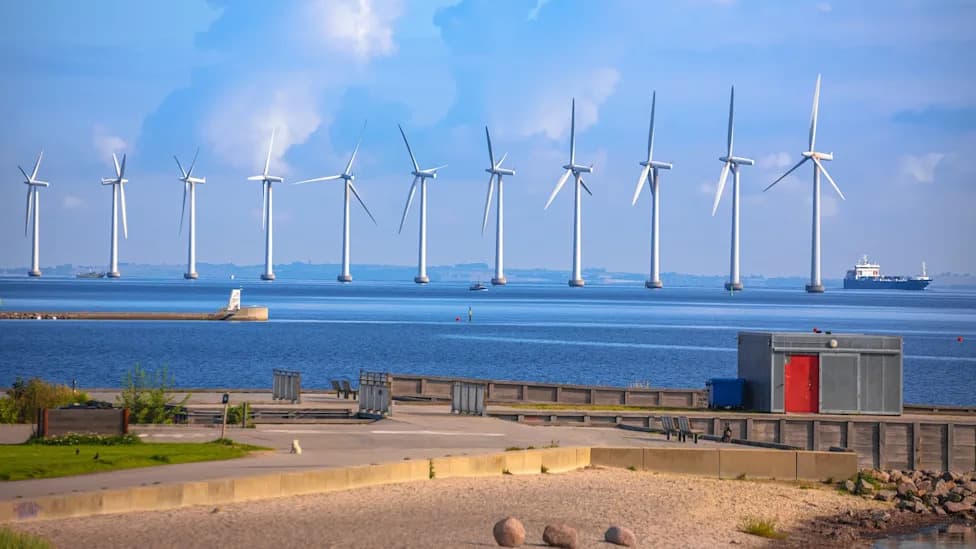
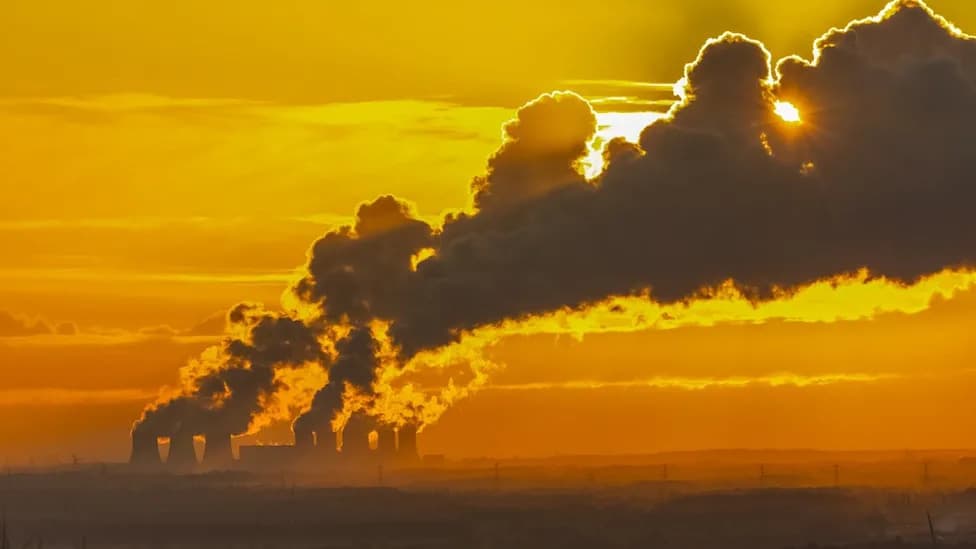
Around the world, offshore wind is expanding fast as a major low‑carbon source of electricity. It promises large reductions in air pollution and greenhouse gas emissions by displacing fossil fuels, but scientists warn that the full ecological consequences for ocean ecosystems are still poorly understood.
What We Know
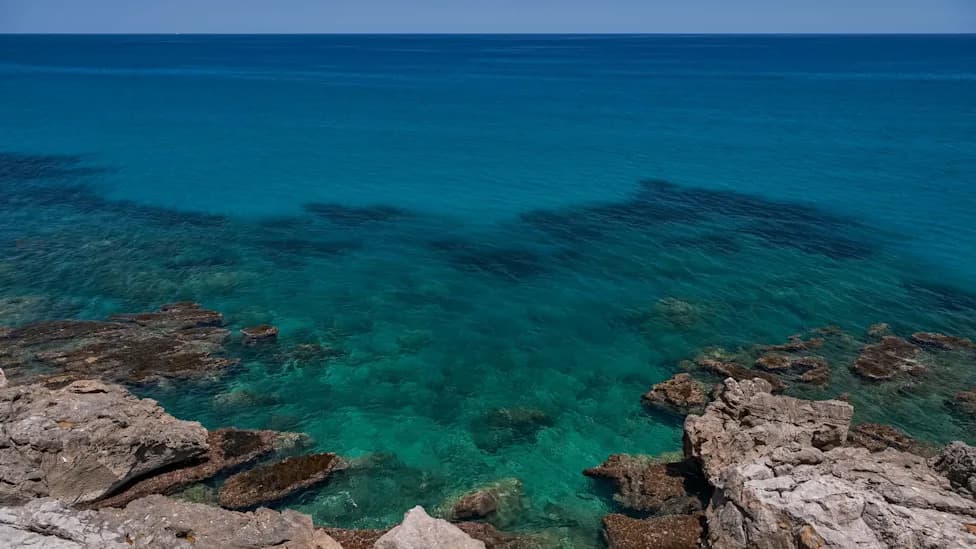
Offshore wind farms can provide environmental benefits in some contexts. Turbine foundations often act as artificial reefs, attracting sharks, rays, fish and crustaceans, and exclusion zones around farms can reduce damaging fishing practices such as bottom trawling. These effects may create local refuges for marine life while supplying renewable power to crowded coastal grids.
What We Don’t Know
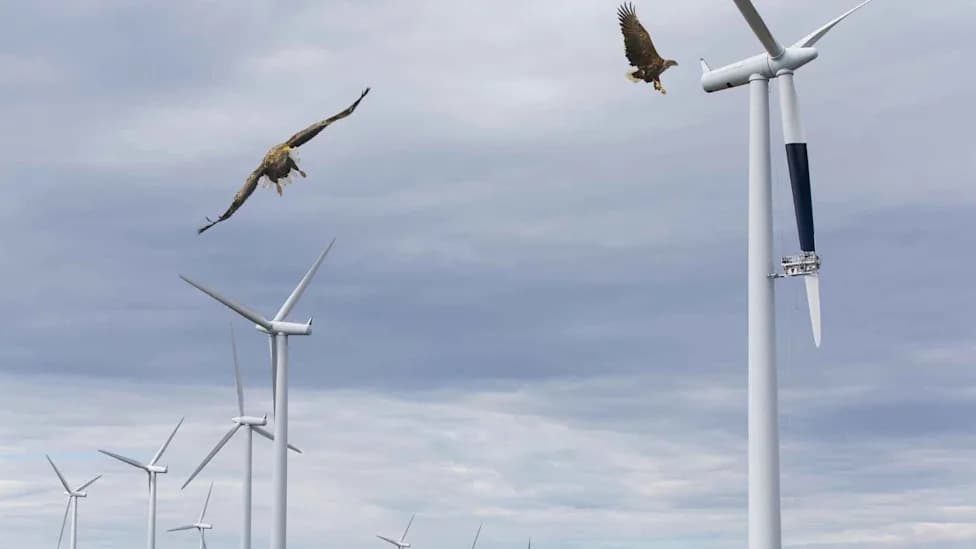
A 2025 review found that roughly 86% of potential impacts from offshore wind on ecosystem services remain classified as unknown. Researchers have identified a mix of clear risks and open questions: birds and bats may lose habitat or collide with structures; construction noise can disturb whales and other marine mammals; and turbines may alter physical processes such as water circulation, sediment transport and ocean stratification.
“We cannot make a simple judgment whether it’s good or bad at the moment. It’s still under discussion, so there’s no consensus yet,” said Wenyan Zhang at the Helmholtz Centre, summarizing the current scientific uncertainty.
One study reported a long-term surface warming of about 0.36 degrees Fahrenheit near wind farms, illustrating that even small, localized physical changes are possible and merit further study.
Mitigation, Planning and Opportunities
Many risks can be reduced through better planning and design. Experts emphasize ecosystem-based marine spatial planning to avoid sensitive habitats, and organizations such as BirdLife International have developed sensitivity maps to guide siting decisions. Developers are trialing mitigation measures including bubble curtains to dampen construction noise, monitoring for floating-cable and anchor impacts, and alternative materials or foundation designs that are more wildlife-friendly.
Some projects are testing habitat restoration around foundations, for example placing stones to help rebuild oyster reefs. But researchers caution these measures are not panaceas and should not be treated as a substitute for careful siting and strong monitoring.
The Trade-Offs Ahead
The scale of buildout is large: in the North Sea, turbines could grow from roughly 4,000 today to as many as 19,400 by 2050. That scale offers major climate benefits but also raises hard questions about cumulative impacts across crowded ocean space, trade-offs with fishing and other uses, and gaps in scientific knowledge, especially outside Europe.
Bottom line: Offshore wind is a powerful tool for decarbonization and can bring local conservation co-benefits, but careful, ecosystem-based planning, robust monitoring and more global research are essential to manage risks and reduce uncertainty.
Help us improve.