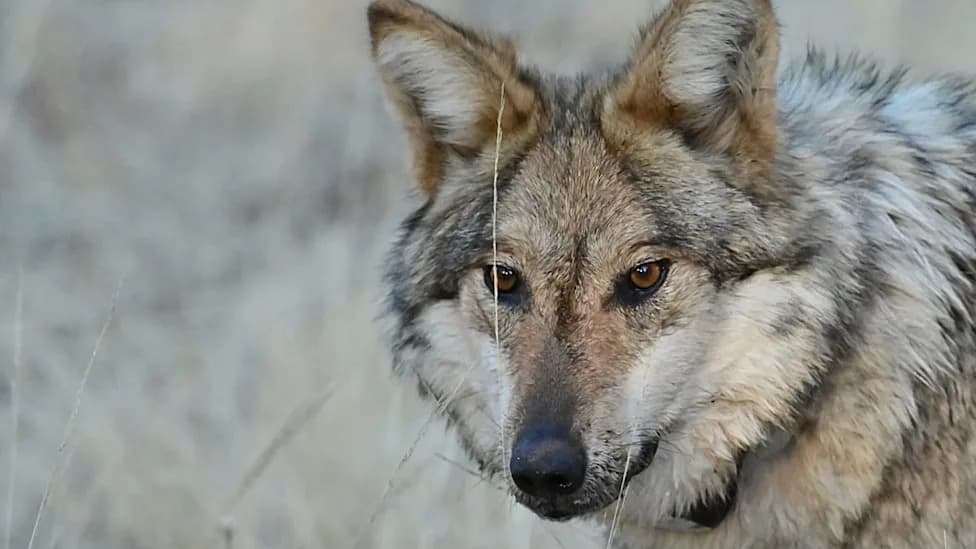
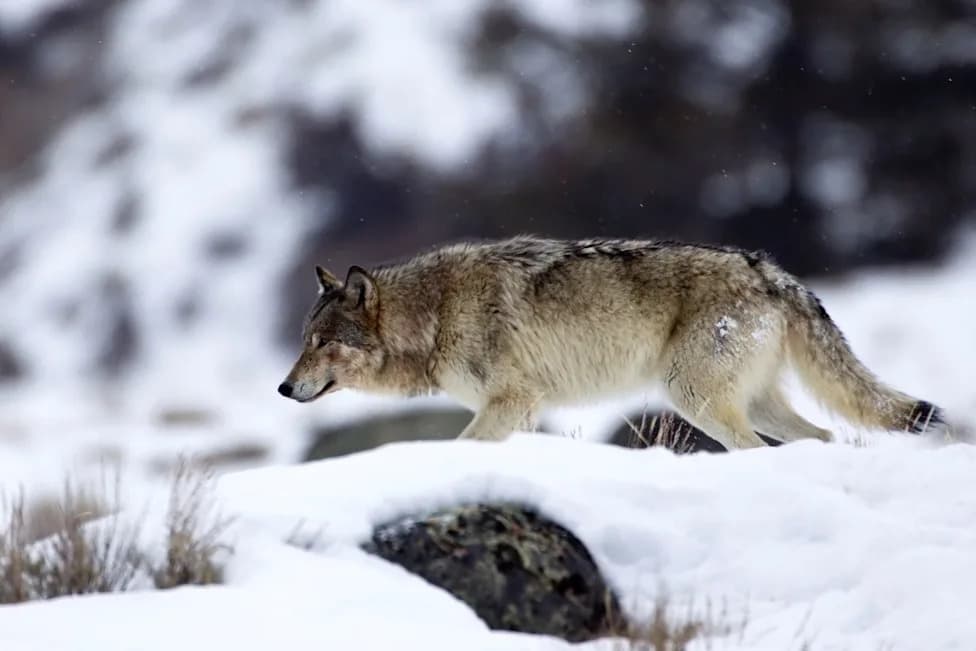
In 2026 North Carolina recorded four red wolf litters — three in the wild and one on private land — producing 23 pups, the most births since 2013. The wild population remains critically small at about 22–26 adults, so each breeding season is crucial. Captive programs (295 wolves) and fostering help bolster genetic diversity, but threats such as vehicle collisions, hybridization with coyotes, and illegal shootings persist. State-funded wildlife underpasses and coexistence incentives aim to reduce road deaths and reconnect habitat.
Hope for Red Wolves: 23 Pups Born in North Carolina — Biggest Year Since 2013
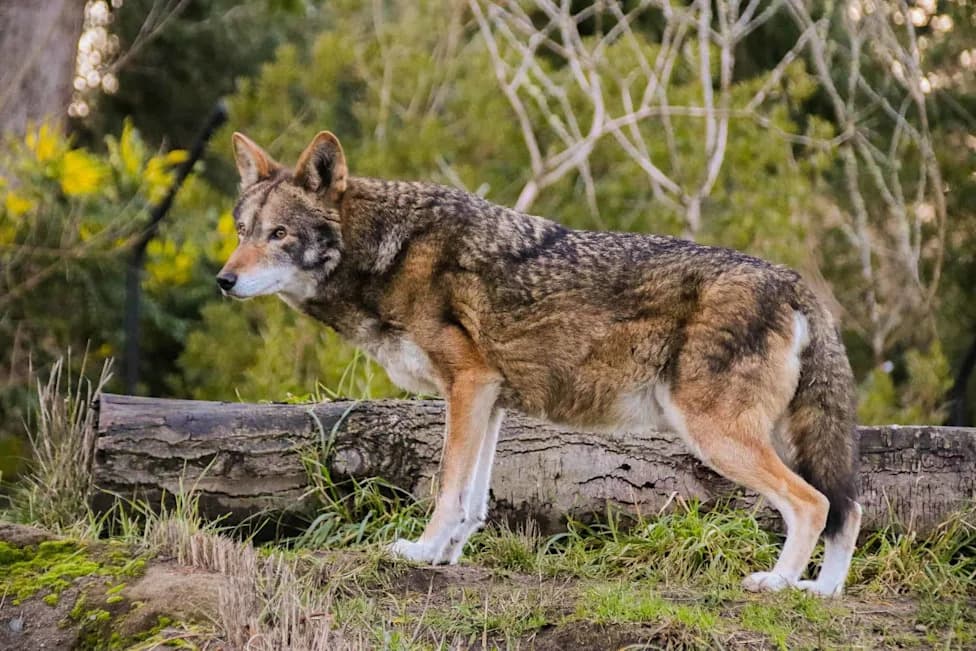
© Joanna Wu/Shutterstock.com
North Carolina's tiny population of critically endangered red wolves received a meaningful boost in 2026 when four litters produced a total of 23 pups across the state. While modest in absolute terms, these births represent the best single-year tally since 2013 and offer cautious hope for a species that has teetered on the brink of extinction for decades.
From Extirpation to Reintroduction
The red wolf is the rarest wolf species in the world and is listed as Critically Endangered by the IUCN. Once widespread across the southeastern United States, red wolves were hunted nearly to extinction by the 1970s and were declared extinct in the wild by 1980. The Red Wolf Recovery Program (RWRP), established in 1973, used captive breeding to keep the species from vanishing entirely. In 1987 four captive-bred pairs were reintroduced into North Carolina — the first successful reintroduction of a carnivore that had disappeared from its native wild range.
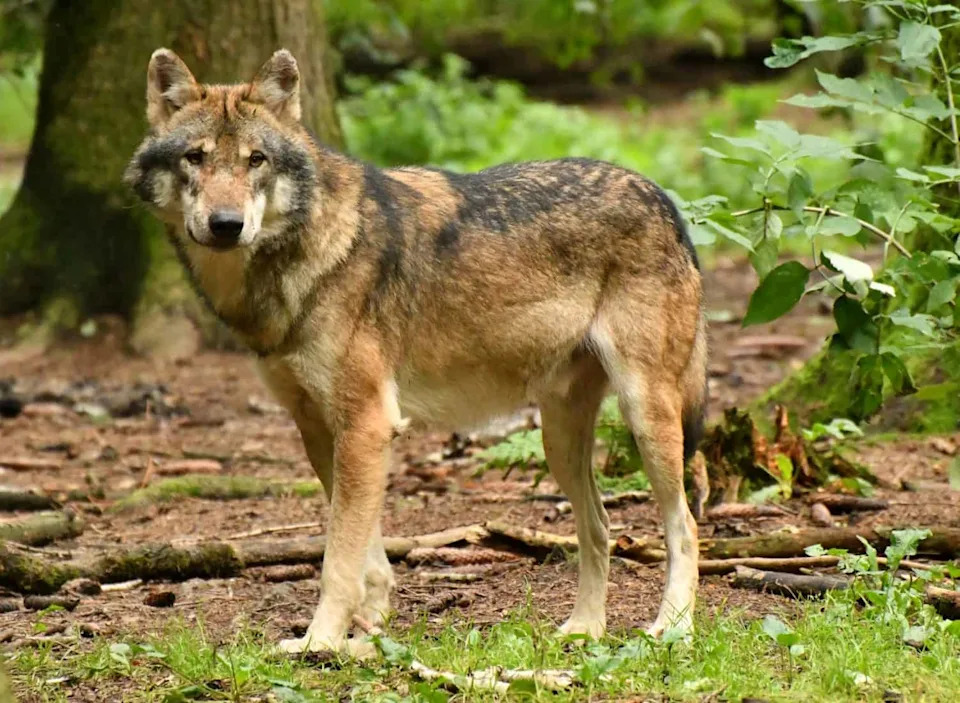
Red wolves were once extinct in the wild.©Iftikhar Ahmad Khan/Shutterstock.com
Recent Population Trends
The reintroduced population initially recovered, reaching roughly 130 individuals by 2011, but numbers later fell due to a combination of threats. Human-wildlife conflict led to illegal shootings, and hybridization with coyotes emerged as a significant problem in the early 1990s.
2026 Litters and What They Mean
In 2026 three litters were born in the wild and one on private land through the Prey for the Pack Program, which pays landowners who allow red wolves on their property. Of the 23 pups born, conservationists estimate approximately 12–16 will survive the vulnerable first months — a period when young wolves face threats from predation, disease, vehicle collisions and human conflict. The 2026 births mark the highest annual total since 2013, when 34 pups were recorded.
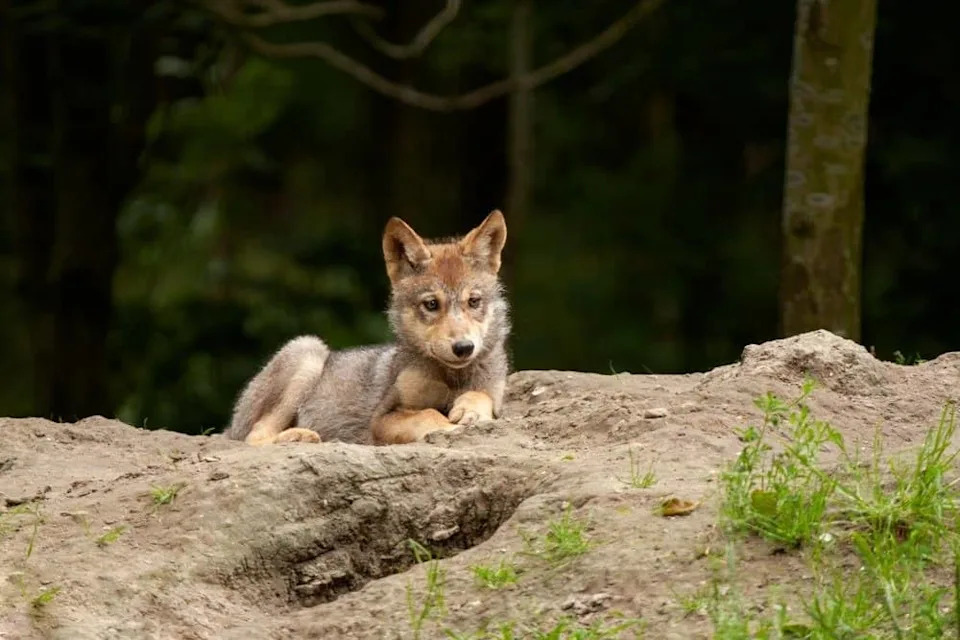
Captive red wolf pups are fostered into the wild litters to aid the growth of the population.©schaef71/Shutterstock.com
Role of Captive Breeding and Fostering
Beyond the wild population, 295 red wolves are held in captivity. These animals are essential to recovery efforts: managers use captive-bred wolves to boost genetic diversity in the wild population. One widely used technique is fostering — when captive litters coincide with wild litters, some captive pups are placed in wild dens so the wild mother raises them alongside her own offspring.
Ongoing Threats and Conservation Actions
Despite these gains, red wolves remain vulnerable. They are no longer widely hunted, but other threats persist. Vehicle collisions have killed eight red wolves in the past six years, and habitat fragmentation, continued risk of illegal killings, and hybridization with coyotes remain critical concerns.
To reduce road mortality and reconnect fragmented habitat, North Carolina has committed funding to construct wildlife underpasses beneath major roads. These crossings will allow animals to move more safely between habitat patches, improving chances for wolves to find mates and establish territories and benefiting other native species such as black bears and river otters. Programs that incentivize coexistence with landowners, like Prey for the Pack, also play an important role.
Outlook: The 2026 litters provide cautious optimism, but long-term recovery will require continued protections, improved habitat connectivity, stronger coexistence measures with local communities, and careful management to minimize hybridization with coyotes.
Help us improve.