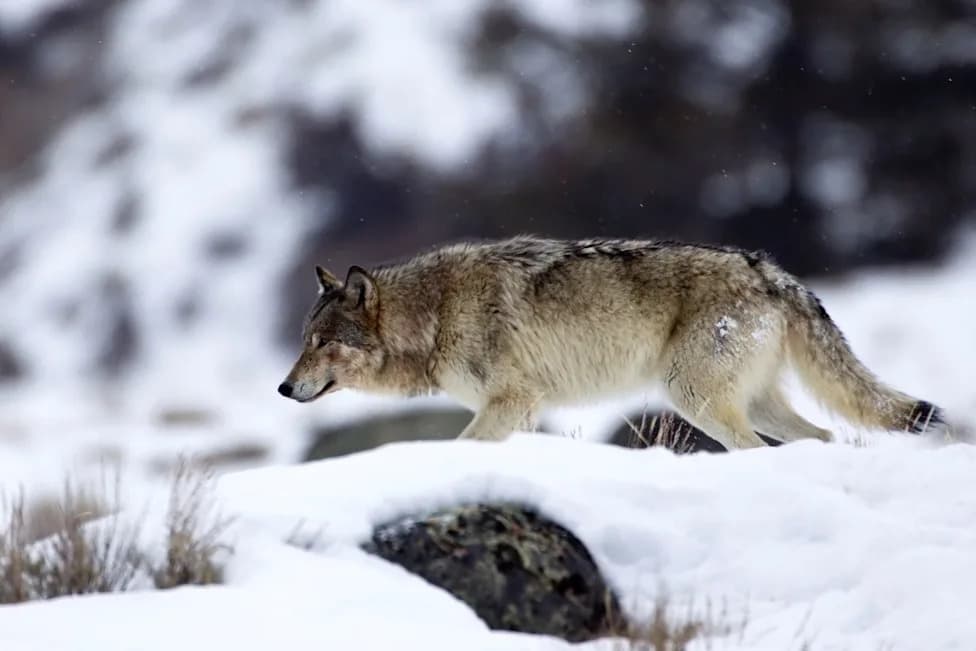
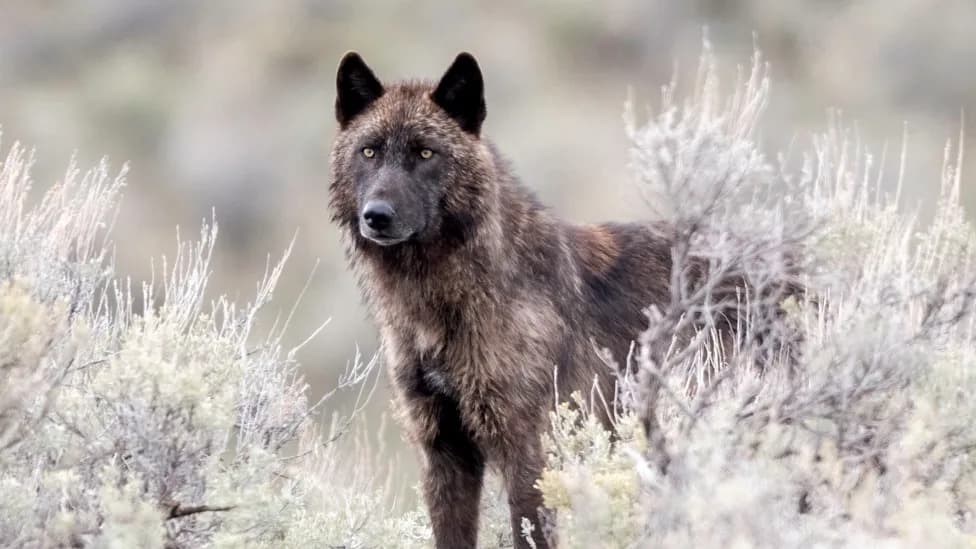
Key points: Ispra's 2018–2022 monitoring estimates about 3,500 wolves in Italy, with a modest rise since then concentrated in the Alps. Italy transposed the EU's 2025 directive in March 2026, reclassifying wolves from 'highly protected' to 'protected', which simplifies procedures but has provoked debate. Wolf attacks on people are extremely rare — 19 incidents from 2017–2024 involved just seven animals — and experts stress prevention (guardian dogs, fencing, waste management) is more effective than widescale culls.
Italy and Wolves: Separating Facts From Fear as Populations Rise
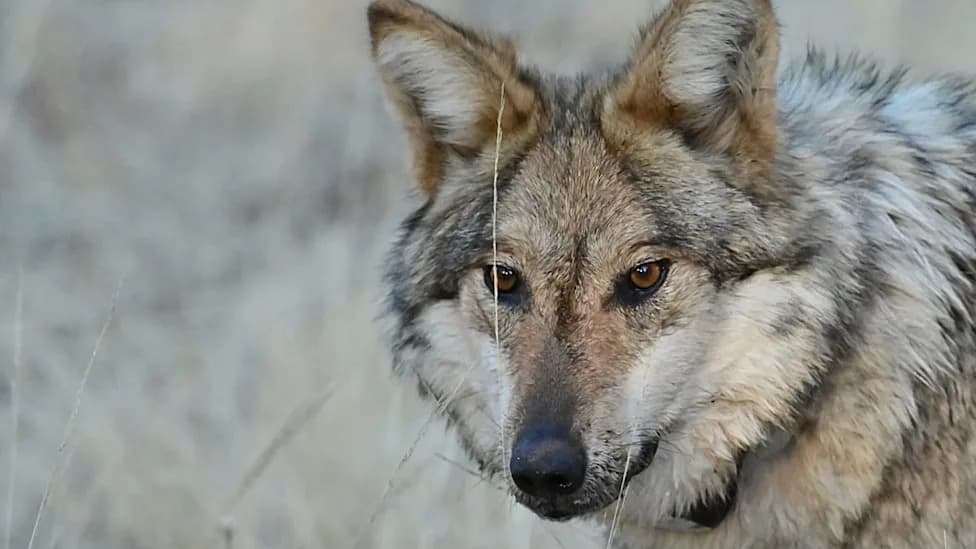
Italy and wolves: living with a growing population amid myths and alarmism
The summer of 2026 in Italy saw renewed public alarm over wolves, driven by reports of attacks and sightings from Puglia to Emilia-Romagna, Umbria and Lazio. Experts say the reaction often mixes valid concerns with misplaced fear. Clear data, consistent monitoring and targeted prevention, they argue, are the best tools for safe coexistence.
Population and Monitoring
According to a national monitoring exercise carried out by Ispra (the Higher Institute for Environmental Protection and Research) between 2018 and 2022, Italy's wolf population is estimated at about 3,500 animals. Since that survey the population has increased by roughly 150 individuals, largely in the Alpine region. Ispra used a standardised sampling protocol and advanced statistical methods, and experts regard the 3,500 figure as an accurate estimate rather than a conservative minimum.
Why Wolves Are Appearing Near Towns
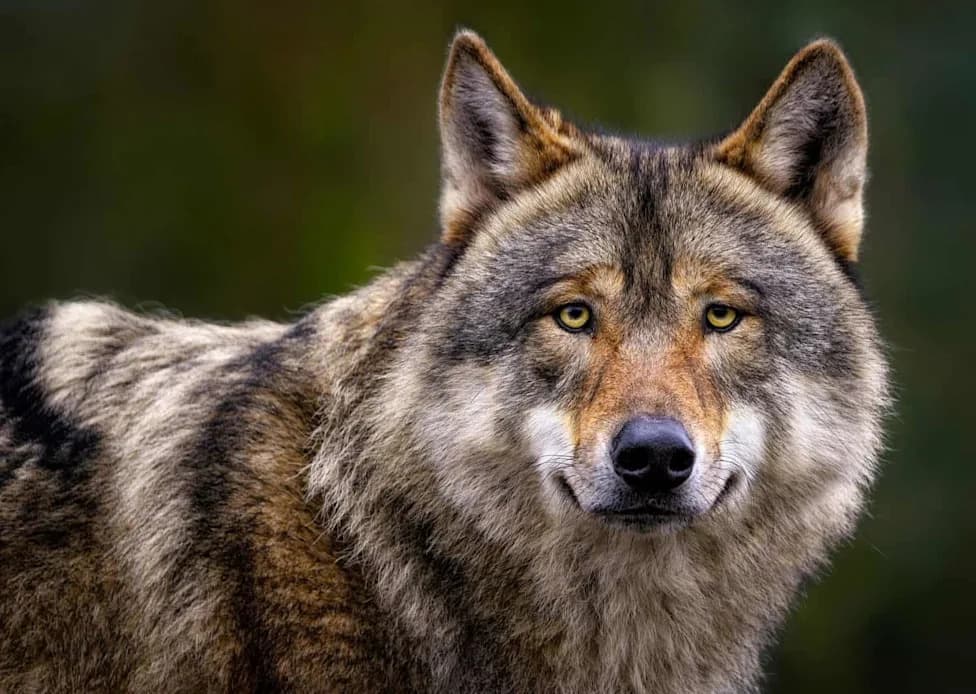
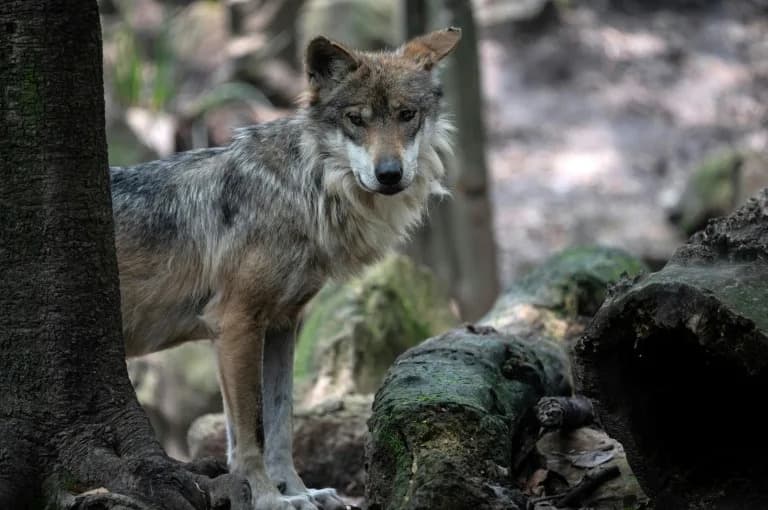
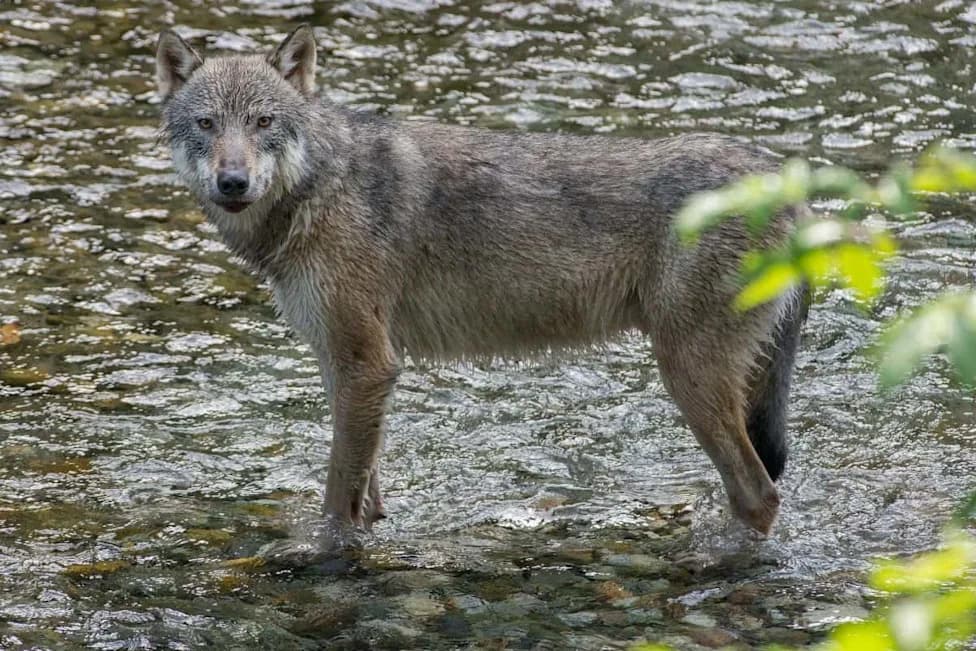
Wolves are highly adaptable, territorial pack animals that tend to colonise available habitats. Over the past 50 years the species has rebounded from near extinction to being present across diverse environments—from alpine foothills to coastal areas and river valleys. This adaptability helps explain why sightings near urban and peri-urban areas are increasingly reported.
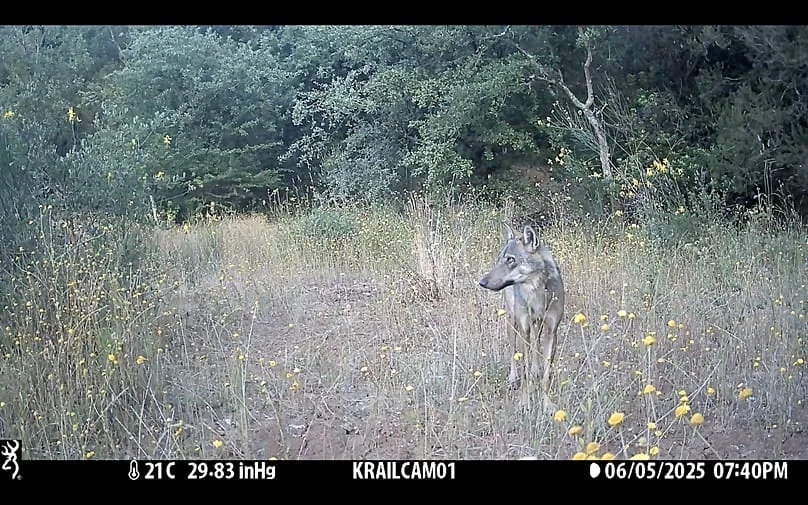
Image of a wolf captured by a camera trap - Foto concesse dall'Istituto di Ecologia applicata, in collaborazione con il progetto Life Wild Wolf
Attacks, Risk And Behaviour
Ispra and the EU-funded Life Wild Wolf project recorded 19 incidents of wolf attacks on humans in Italy between 2017 and 2024. Crucially, those incidents were attributable to just seven individual wolves, and a single female was responsible for 11 of the cases. Specialists say such episodes reflect abnormal behaviour in a few animals rather than a broader change in species behaviour.
Piero Genovesi, head of Ispra's wildlife coordination service, notes: 'Wolf attacks remain an extremely rare phenomenon. We monitor these incidents closely, but there is no widespread risk to people.'
Most wolves are shy, largely nocturnal and avoid humans. Ispra has developed a protocol that classifies urban or 'confident' wolf behaviour by risk level, distinguishing harmless sightings from permanent, problematic settlement that can lead to predation on domestic animals or, rarely, aggression.
Legal Change And Political Debate
In March 2026 Italy transposed the EU's 2025 directive on wolf protection, reclassifying the species from 'highly protected' to 'protected.' Although the wording change is small, it simplifies national procedures: regions can now act with greater autonomy while still relying on technical advice. Critics view the move as politically driven by agricultural lobby pressure, while supporters note it streamlines decision-making in conflict situations.
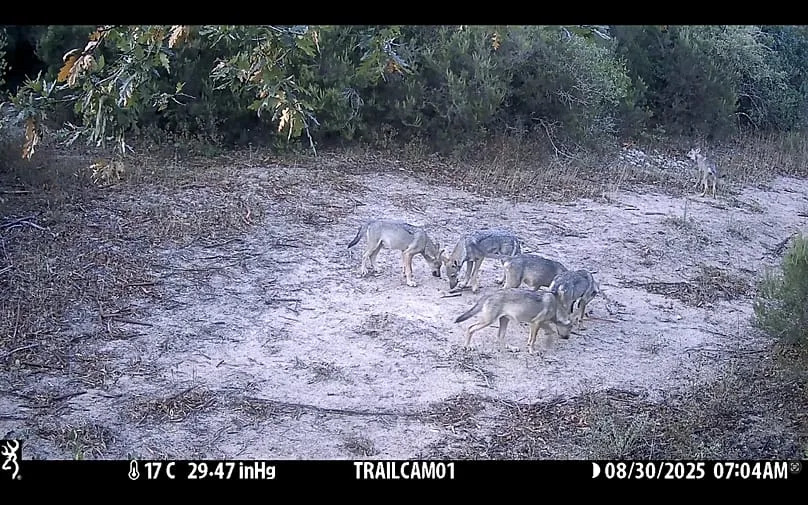
Pack of wolves monitored by camera traps for the Life Wild Wolf project - Foto concesse dall'Istituto di Ecologia applicata, in collaborazione con il progetto Life Wild Wolf
Livestock Losses And Prevention
Over the past decade wolves are estimated to have caused about 0.6% of livestock losses across Europe, with similar figures in Italy. While numerically small, such losses are significant for affected farmers. Experts emphasise that prevention strategies are more effective than widescale culls. Proven measures include:
- Livestock Guardian Dogs (for example, Italy's Maremma-Abruzzese breed)
- Electrified or Buried Fencing
- Elevated Night Shelters and other secure housing for stock
- Compensation Schemes Coupled With Technical Support
Culling may be justified for individual animals that develop abnormal, dangerous behaviour, but broad culls are rarely the most effective long-term solution.
What Citizens Can Do
Urban residents can reduce risky encounters by managing waste responsibly, avoiding leaving pet food outdoors, and not leaving pets unattended in areas with frequent sightings. Local authorities and national agencies can also help by communicating clear, evidence-based guidance and supporting preventive measures for farmers.
Conclusion
The debate over wolves in Italy combines science, politics and emotion. Objective monitoring and targeted prevention — rather than alarmism — offer the best path to coexistence. As Luigi Boitani, emeritus professor at La Sapienza, puts it: coexistence requires compromise and better public knowledge beyond myths and polarised opinion.
Image credits: Istituto di Ecologia Applicata, in collaboration with the Life Wild Wolf project.
Help us improve.