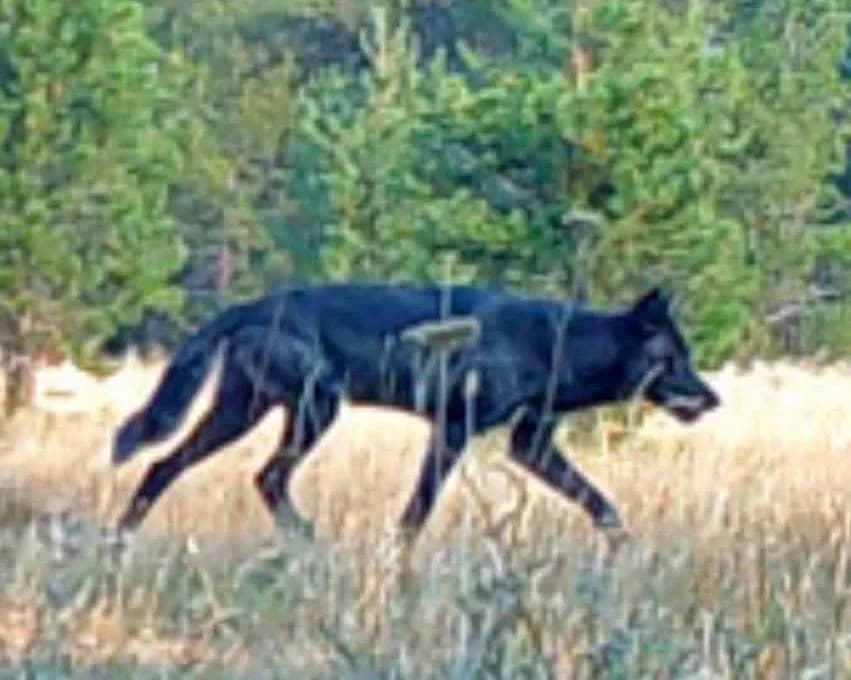
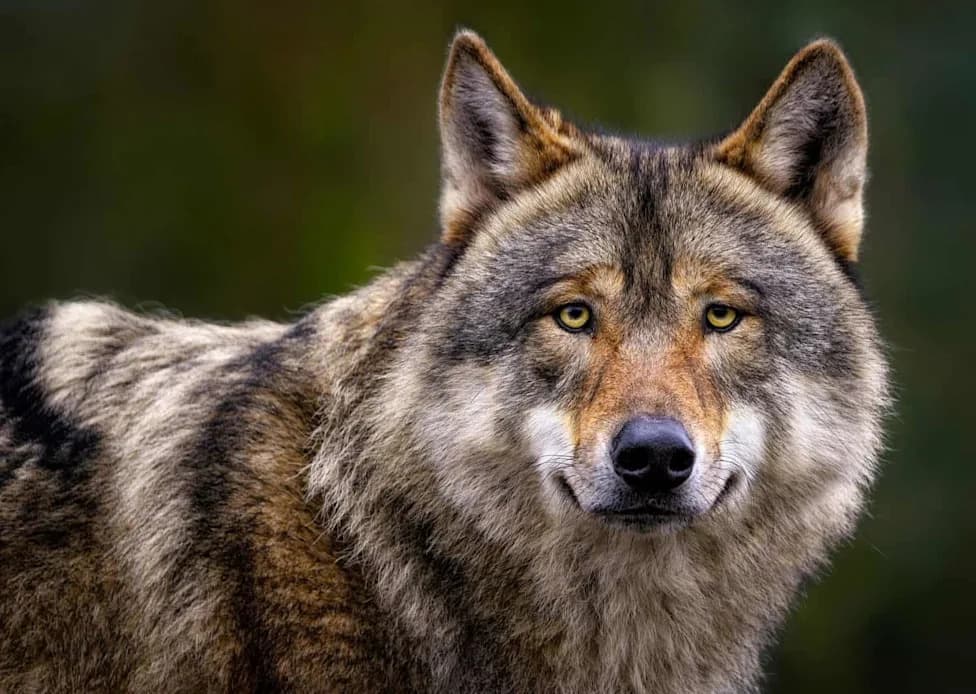
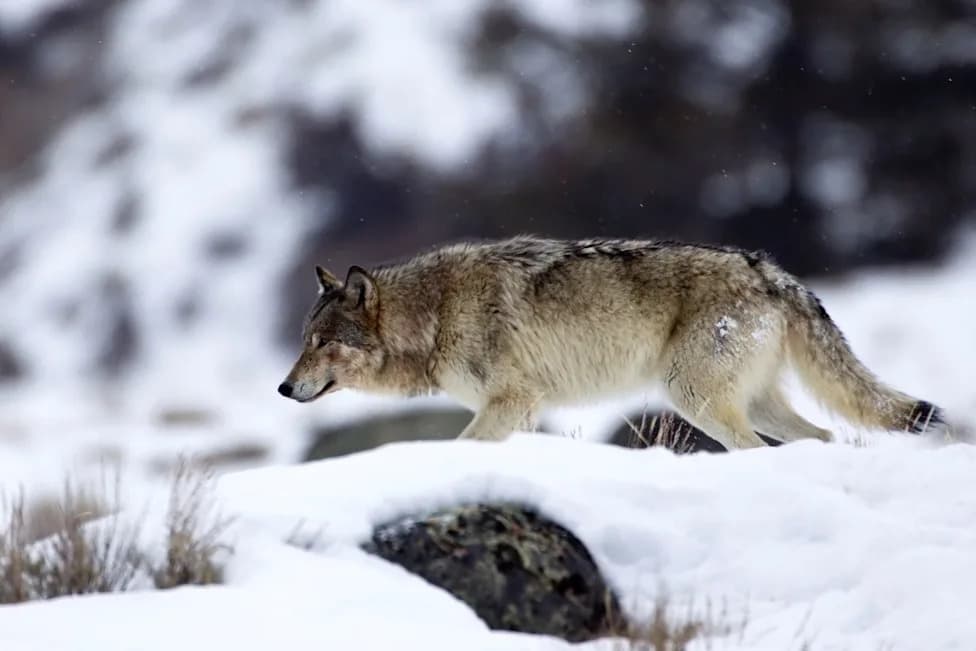
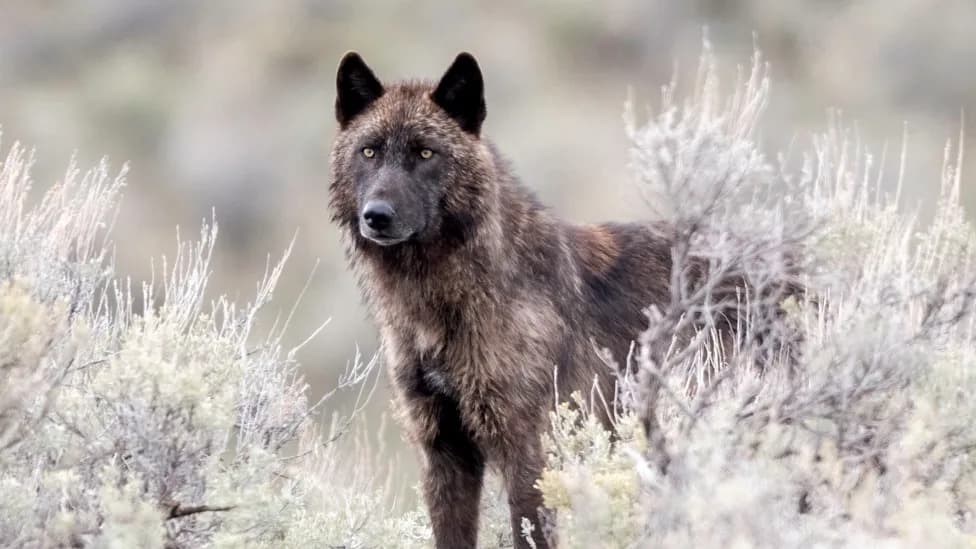
BEY03F, a three-year-old female gray wolf born to the Beyem Seyo Pack, crossed into Sequoia National Park on May 17 — the first wild wolf recorded there in over 100 years. Tracked by a GPS collar, her hundreds-mile dispersal included century-scale firsts in Los Angeles and Inyo counties. Wildlife biologists say dispersal is a natural search for mates and territory, and BEY03F's arrival highlights the ongoing, natural recovery of wolves in California.
Three-Year-Old Gray Wolf BEY03F Enters Sequoia National Park — A First In Over 100 Years
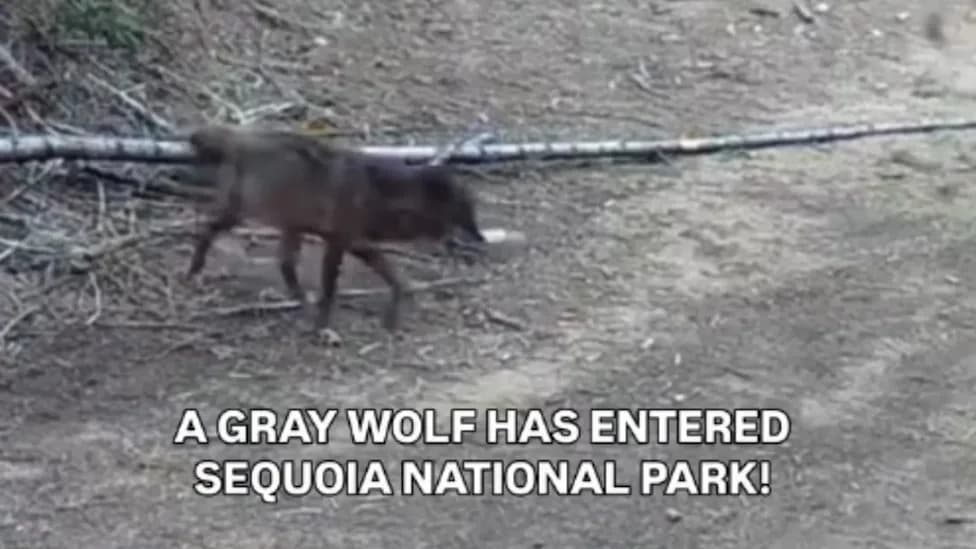
Image Credit: nationalparknews on Instagram.
BEY03F — a three-year-old female gray wolf — crossed into Sequoia National Park on May 17, marking the first documented presence of a wild wolf in the park in more than a century. The milestone was recorded by data from her GPS tracking collar rather than by an on-site witness.
Born in 2023 to the Beyem Seyo Pack in far northeastern California, BEY03F has traveled hundreds of miles across the state. Wildlife personnel fitted her with a collar in 2025 after capturing her briefly while she moved through Yowlumni Pack territory in the southern Sierra Nevada.
Dispersal and Behavior
Biologists call the long-distance movement of young wolves "dispersal": a purposeful search for mates and territory that can span hundreds of miles. "Until they find a mate—that is their goal in life—she'll just keep looking," wildlife biologist Hunnicutt told the Los Angeles Times.
BEY03F's journey already produced other notable firsts: tracking data showed she was the first wild wolf documented in Los Angeles County in more than a century earlier this year, and she later recorded a century-scale first in Inyo County before continuing south toward Sequoia.
Historical Context and Recovery
Gray wolves historically ranged across California, but the California Department of Fish and Wildlife says the species was likely extirpated from much of the state during the 1920s after decades of hunting and trapping. Wolves have returned on their own in recent years as individuals dispersed from neighboring populations; they were not reintroduced by people.
One early example of natural recolonization was OR-7, a male that crossed into California from Oregon in 2011 and became the state's first documented modern wild wolf. Other dispersers followed, and California's first modern wolf packs formed in subsequent years.
What Comes Next
State and federal wildlife agencies continue to monitor BEY03F via her collar. If she finds a mate and suitable territory, she could help establish or expand wolf presence farther south. Wildlife managers emphasize that dispersal is normal behavior and that monitoring helps officials balance recovery with public safety, livestock protections and community outreach.
"Dispersal is a purposeful phase; traveling great distances is often necessary to find territory and partners," a U.S. Fish and Wildlife Service spokesperson said.
BEY03F's movements are both a remarkable natural milestone and a reminder of how wildlife can gradually reclaim historical ranges. Agencies will continue tracking her path — and the next chapter of California's wolf recovery — as it unfolds.
Help us improve.