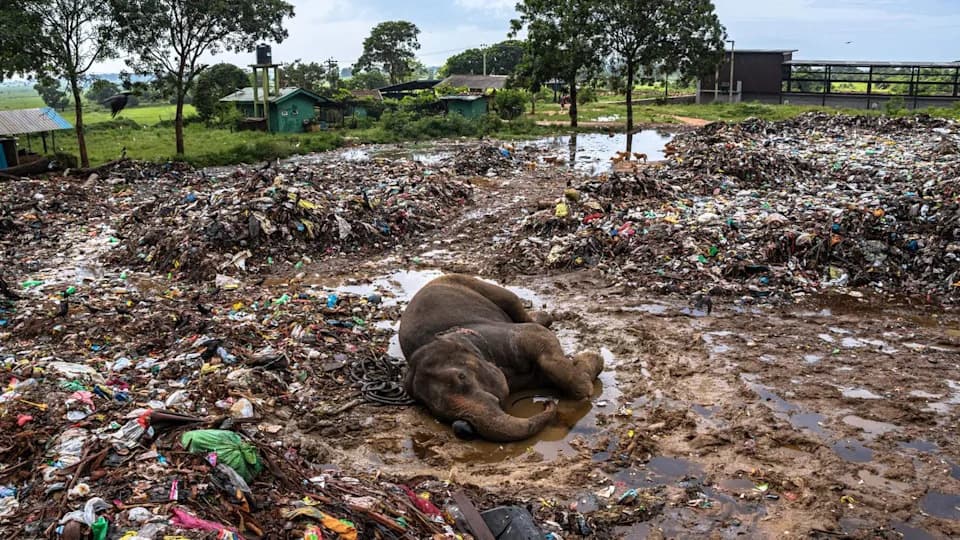
Easa Lebbe Muhammed Jamsith's photograph of a female Asian elephant dying after ingesting plastic at a garbage dump in Oluvil, Sri Lanka, has earned an honorable mention in the Patagonia Photo Contest. The image previously won the 2022 Environmental Photography Award and was runner-up in the Earth.org contest. The elephant died three days after the incident; about 20 elephants in Sri Lanka are known to have died from eating plastic at dumps between 2016 and 2022. Muhammed hopes repeated recognition will press authorities and communities to improve waste management near wildlife habitats.
Award-Winning Photo of Elephant Dying in Sri Lankan Dump Wins Again — But the Crisis Remains
Credit: Easa Lebbe Muhammed Jamsith
Four years after capturing one of Sri Lanka's most heartbreaking conservation images, photographer Easa Lebbe Muhammed Jamsith (Muhammed) has once again received international recognition — and the result is bittersweet.
Credit: Easa Lebbe Muhammed Jamsith
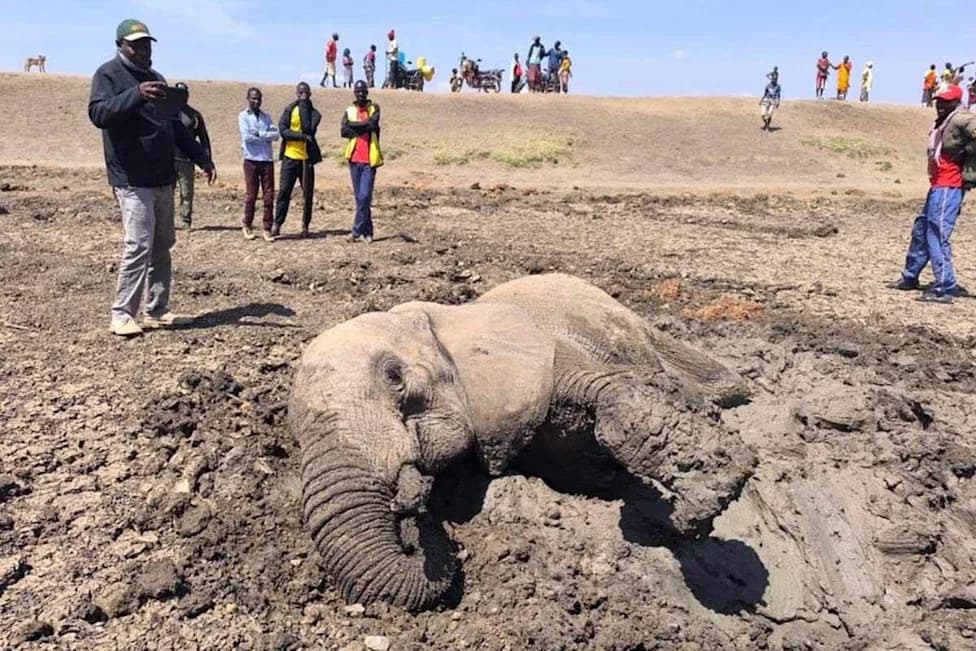
Muhammed's photograph of a female Asian elephant dying after ingesting plastic at a garbage dump earned an honorable mention in the Last Wild Places category of the Patagonia Photo Contest. The image, which previously won the 2022 Grand Prize at the Environmental Photography Award and was a runner-up in the Earth.org Photography Competition, has become one of the most widely seen conservation photographs from Sri Lanka.
The scene dates to the morning of January 5, 2022, when Muhammed rushed to a dump on the forest edge near the coastal village of Oluvil in eastern Sri Lanka after reports that an elephant was dying there. He said he went intending to help and had taken his camera only 'in case it was needed.' Instead, he documented an image he felt needed to be seen as evidence.
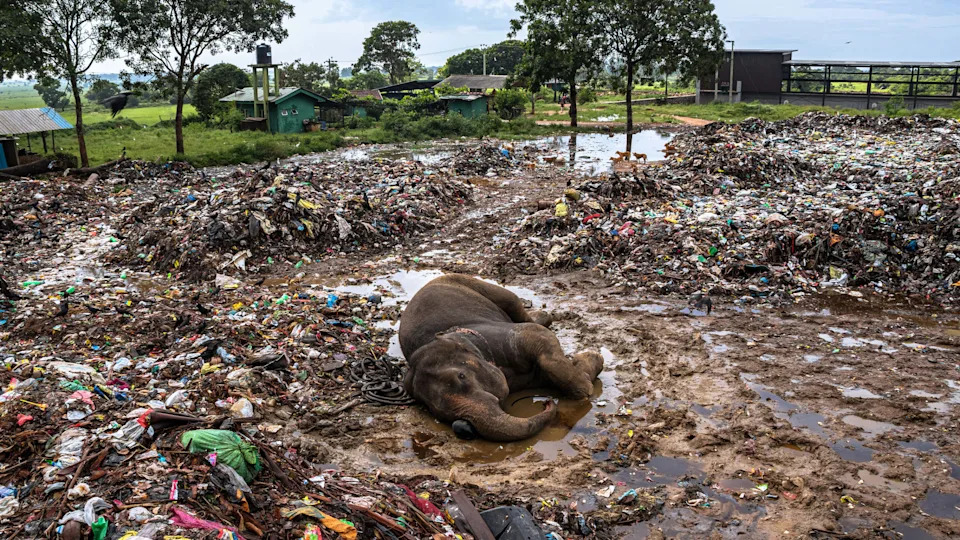
The elephant sadly died three days after Muhammed took the award-winning photo | Credit: Easa Lebbe Muhammed Jamsith
'I kept pursuing this path because I believed this level of recognition could create real impact and eventually lead to a solution. That's why, even now, I continue to put this image forward.'
A veterinarian who examined the female elephant found her esophagus obstructed by plastic wrapped around food scraps she had eaten. Although she was still alive when Muhammed arrived and received veterinary treatment, her condition was beyond saving; she died three days later. Between 2016 and 2022, around 20 elephants are known to have died in Sri Lanka after consuming plastic at open dumps.
Why the Photograph Resonates
Muhammed shot the scene with a Canon EOS 80D and a Canon EF-S 18-135mm f/3.5-5.6 IS USM lens (f/8, 1/200 sec, ISO 100, 18mm). By choosing a wide-angle perspective, he emphasized the overwhelming scale of the surrounding waste and the visual imbalance between the suffering animal and the human-created rubbish that contributed to her death.
'That contrast — a living, suffering animal dwarfed by waste — became the composition without me consciously designing it,' Muhammed said.
Still A Call For Action
For Muhammed, repeated awards mean little unless they spur concrete change. He hopes the photograph's continued recognition will push authorities and communities to adopt better waste-management practices near wildlife habitats and to close or better manage open dumps that attract animals.
As this image collects accolades around the world, the environmental emergency it documents remains unresolved — and the photograph stands as both a memorial to a preventable loss and a call for lasting solutions.
Help us improve.