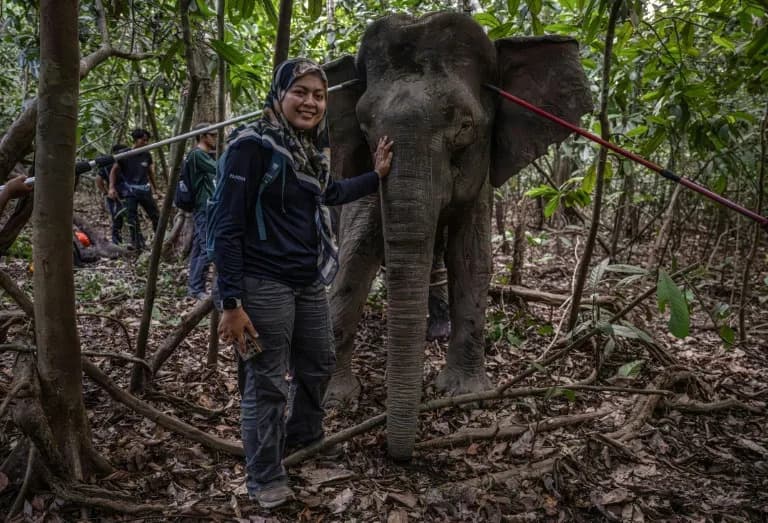
Researchers who interviewed eight Sabaot Indigenous experts near Mount Elgon report that wild African elephants consume 35 plant species and four minerals, with 87% of those resources also used in local human medicine. The study identifies eight plants that sick elephants appear to target and includes eyewitness descriptions of mothers mixing chewed plant material with milk for calves — described as "a kind of immunization." Authors call for pharmacological testing and long-term behavioural tracking, and warn that habitat loss could erase these natural pharmacies.
Kenyan Elephants May Seek Medicinal Plants — Mothers Could Be Preparing Remedies for Calves, Study Finds
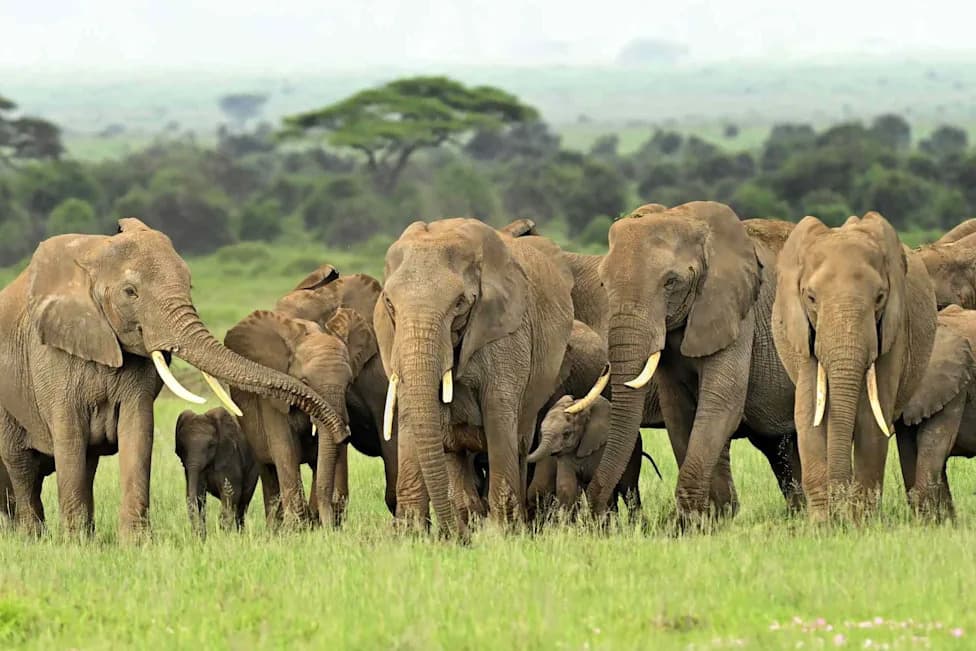
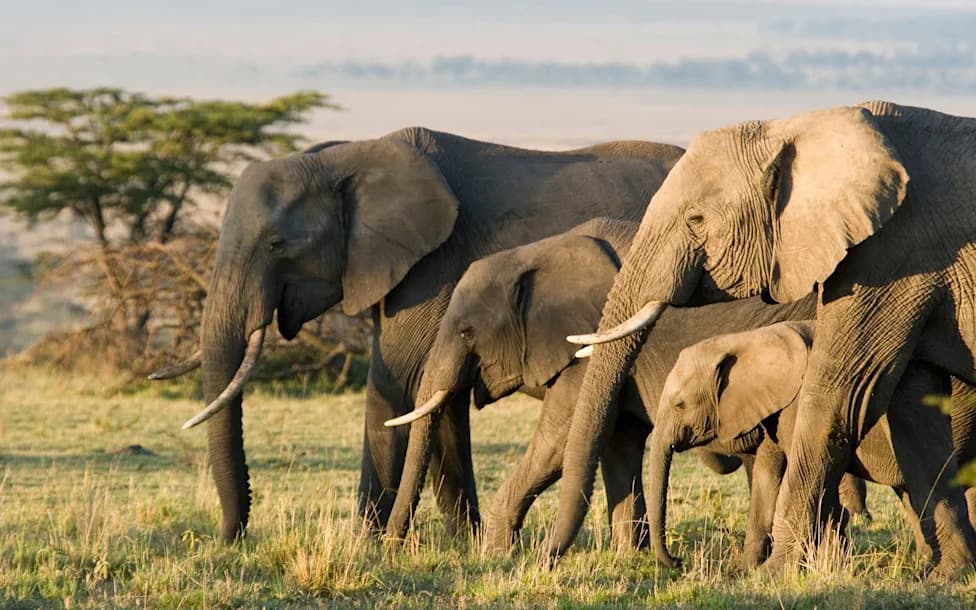
A group of African elephants standing in a grassy fieldCredit: Getty
New field research from the Mount Elgon region of Kenya suggests African elephants may deliberately seek out particular plants and minerals when unwell — and in some cases mothers may prepare and share medicinal mixtures with their young.
Study and Methods
The study, published in Scientific Reports on Sept. 24, is based on structured interviews with eight members of the Sabaot Indigenous community — including wildlife scouts, guides, elders and a retired ranger — each with decades of direct observation of local elephant behaviour. Researchers combined these long-term eyewitness accounts with botanical and ecological knowledge to identify resources elephants are reported to consume.
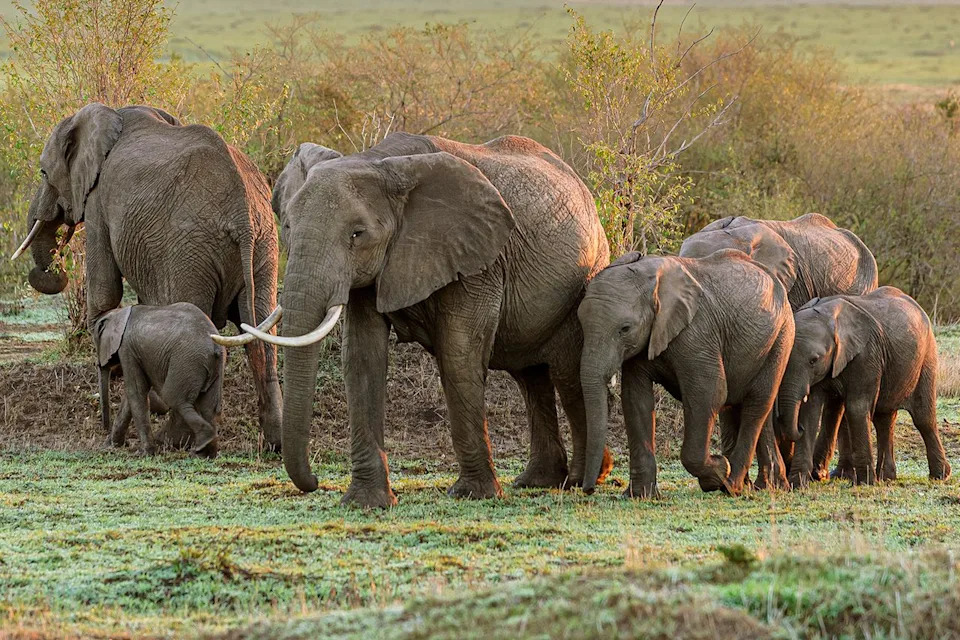
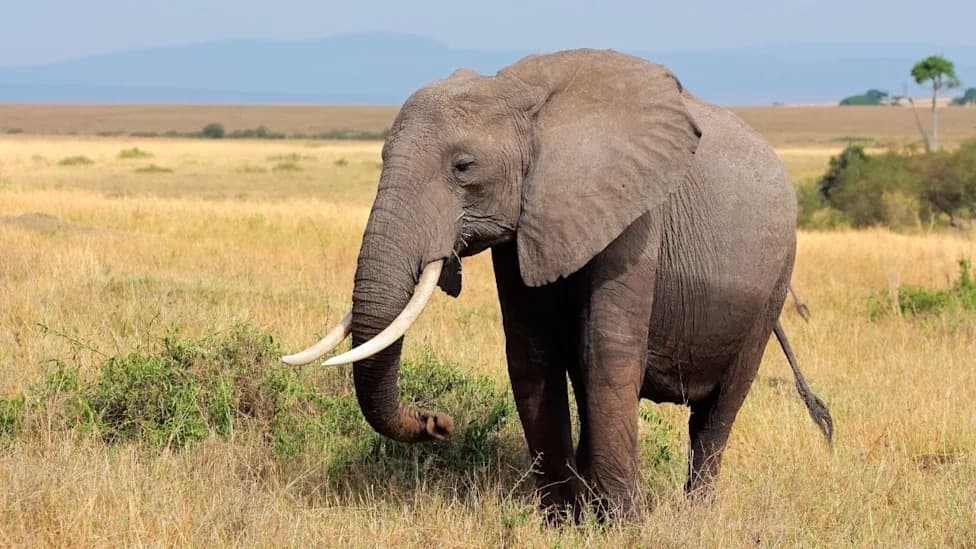
Herd of African elephants (Loxodonta africana) walking across the savanna of the Massai Mara.Credit: Getty
Key Findings
The informants reported that elephants in the Mount Elgon area consume 35 plant species and four types of soil or mineral. The researchers found that 87% of these resources are also used in local human traditional medicine. Of the plant species reported, eight were singled out as being targeted by sick elephants — the strongest observational evidence the authors present for intentional self-medication.
Notable behaviours described by local experts include:
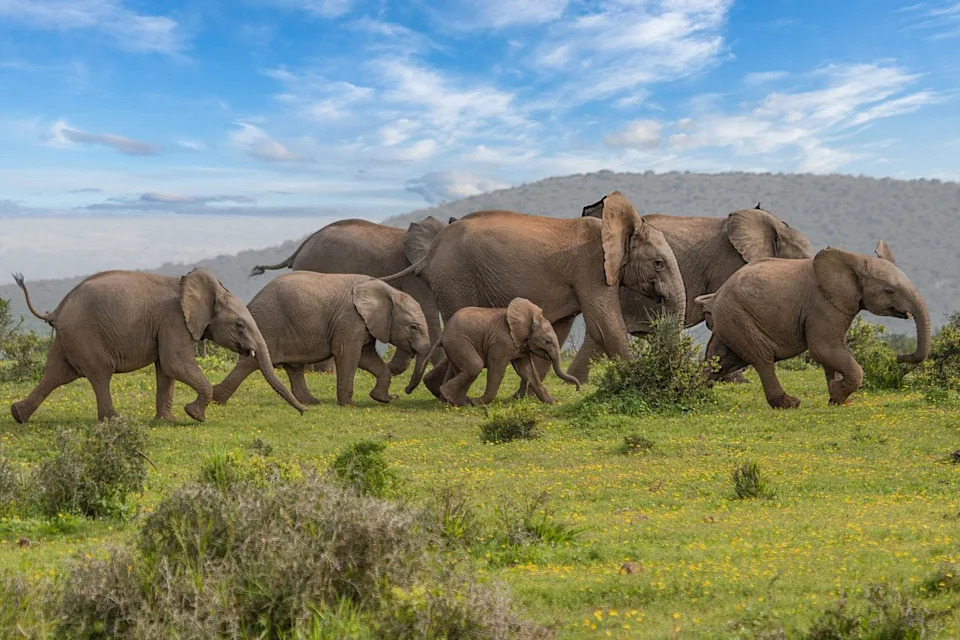
Elephants at Addo National Park, South AfricaCredit: Getty
- Female elephants reportedly chewing specific roots and leaves, mixing the chewed material with milk, and feeding it to their calves — a behaviour informants compared to "a kind of immunization."
- Use of plants in the genus Dombeya to aid digestion and soften dung, and other species given to calves to stimulate appetite.
- Continued use of mineral-rich salts and clays mined from caves — now seen as part of a broader landscape-level use of pharmacological resources.
Context, Cautions and Conservation
Study co-author Elodie Freymann of Brown University emphasized the conservation implications: if forests and plant communities are lost, elephants could lose access to a range of natural remedies that serve both animal and potentially human medicinal interests.
"There are medicine-producing organisms on this planet that have this incredible capability," Freymann told BBC News, describing the plants as "medicine factories."
Experts not involved with the study urged caution. Michael Huffman, a primatologist at Nagasaki University, described the calf-feeding reports as "tantalizing" but said stronger evidence is required to prove intentional, targeted medical treatment. The authors themselves acknowledge the observational nature of the evidence and call for pharmacological testing, systematic behavioural observation, and long-term GPS tracking to confirm intentional self-medication.
Why This Matters
The research adds elephants to a growing list of species documented for self-medication — a field known as zoopharmacognosy — and highlights how protecting habitats preserves not only biodiversity but also the natural "pharmacies" on which wildlife depend.
Next steps: pharmacological analysis of the reported plants and soils, quantitative behavioural studies, and conservation measures to protect habitat and traditional ecological knowledge.
Help us improve.