Mother Earth Foundation, founded by five women in Manila in 1998, is a 2026 Earthshot Prize finalist for its village‑level waste systems that prevent plastic and organic waste from reaching landfills, rivers and the ocean. The group targets the sachet problem—an estimated 164 million sachets used daily in the Philippines—by training waste collectors, running refill partnerships with sari‑sari stores and helping San Fernando achieve an 89% waste diversion rate. The foundation also conducts brand audits to push producers to reduce problematic packaging and advocates legal protections for waste workers, aiming for 90% of Philippine cities to run zero‑waste systems by 2030.
Could A Village‑Level Model Solve The Philippines’ Ocean Plastic Crisis? Mother Earth Foundation Makes Earthshot Final
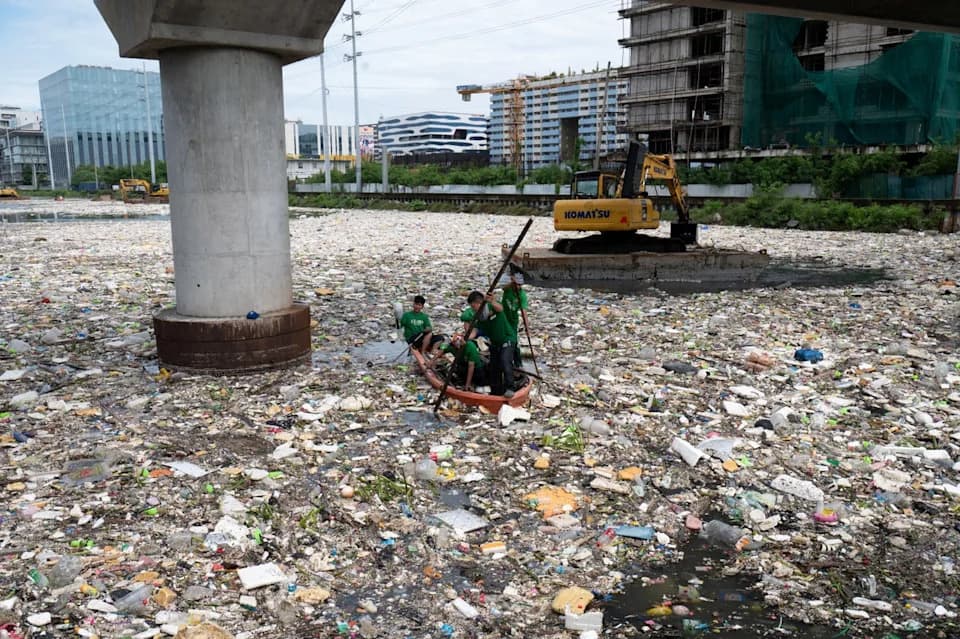
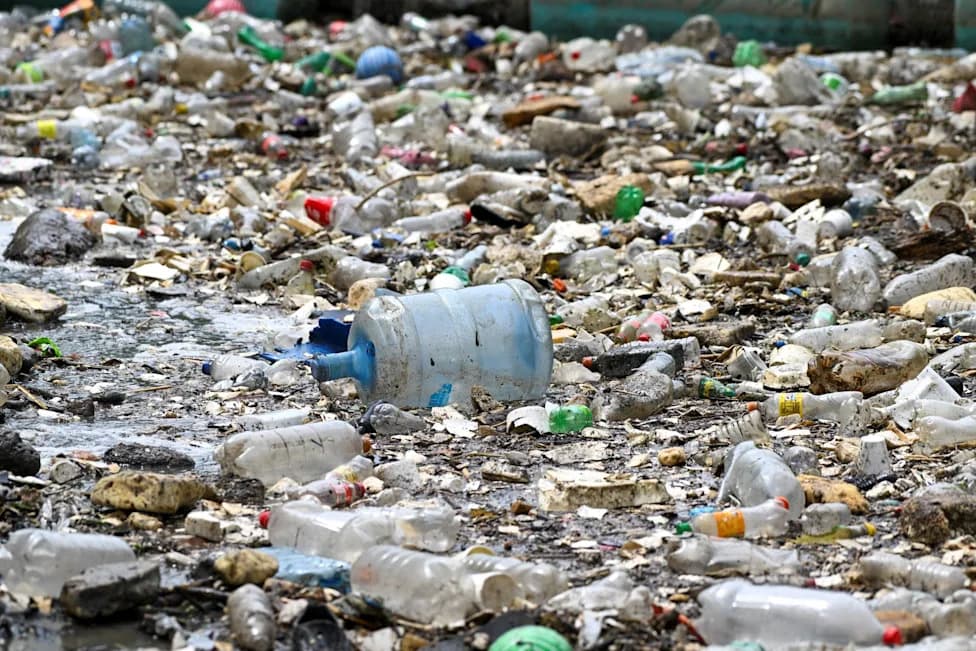
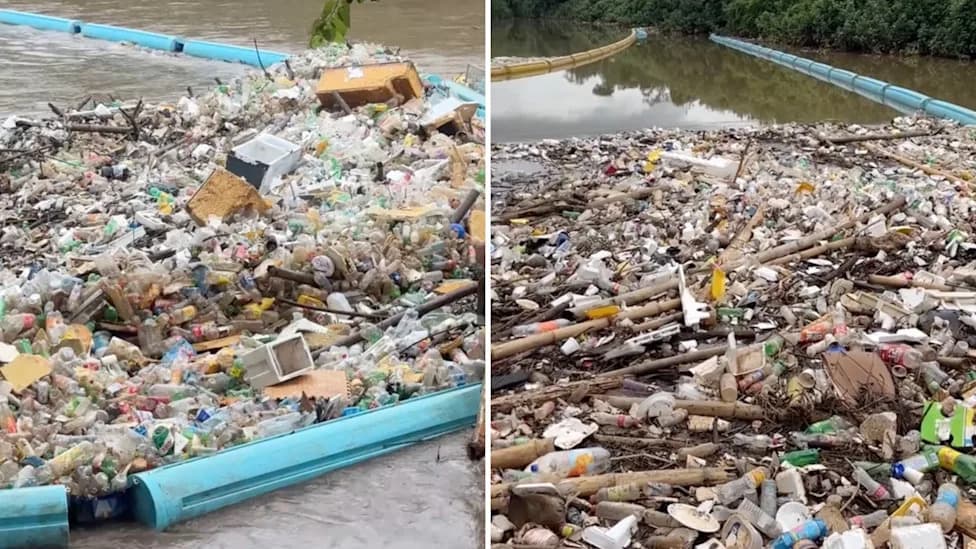
Workers on a plastic boat collect rubbish from a river in Paranaque City, suburban Manila, Philippines (AFP/Getty)
A Philippine charity that began when five women cleared a vacant lot in Manila in 1998 has become a finalist for the 2026 Earthshot Prize for its community‑led systems that keep plastic and organic waste out of landfills, rivers and the ocean.
Turning Villages Into Working Waste Systems
Mother Earth Foundation has spent nearly three decades building an approach that manages waste where it is generated—at the village level—rather than relying on centralised municipal systems that too often fail dense, narrow communities. "The people are made responsible for the waste that they generate," says Sonia Mendoza, the foundation's co‑founder and chair.
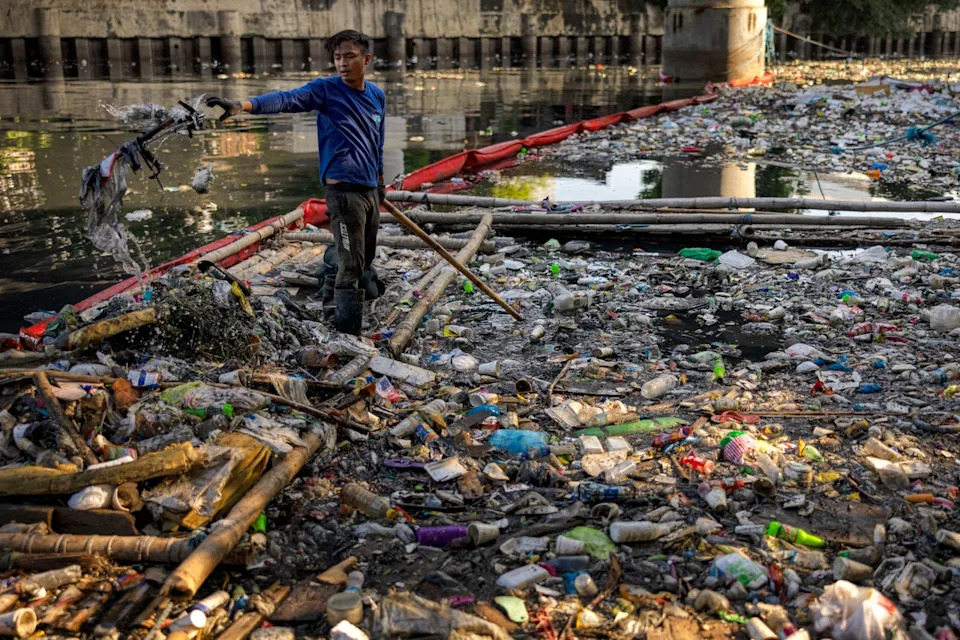
A 'river warrior' collects plastic waste from San Juan river in Manila, Philippines (Getty)
The foundation trains local waste collectors to teach households how to sort their rubbish and to collect only properly segregated loads. Small, low‑cost vehicles—pushcarts, pedicabs and motorised tricycles—reach narrow lanes that large municipal trucks cannot. In areas where residents refuse to segregate, unsorted waste is left uncollected until households comply, creating a direct incentive to participate.
San Fernando: A Model City
Partnering with San Fernando city (population ~350,000) since 2012, Mother Earth helped the local government achieve an 89% diversion rate from landfill—the highest in the Philippines. According to the foundation, 63% of the city's waste is composted or otherwise processed to prevent methane emissions, 30% is sent to materials recovery facilities for recycling, and the small residual stream is made up largely of single‑use plastics that cannot currently be recycled or composted.
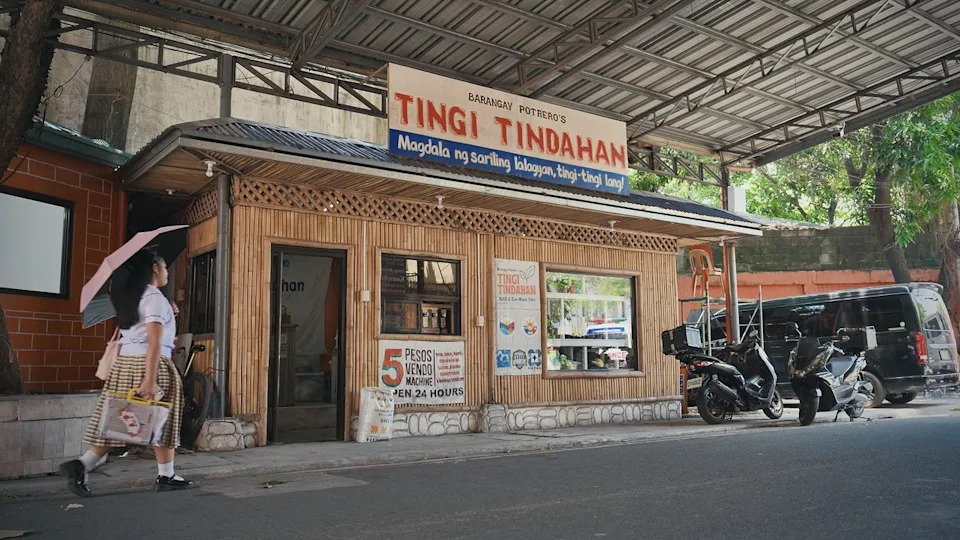
A refill store in Barangay Potrero, Malabon, where local residents buy goods in bulk rather than in single-use sachets (Mother Earth)
"You prevent this plastic waste from being brought by storms, by the water and wind, to the rivers where they will finally be brought to the ocean." — Sonia Mendoza
The Sachet Problem
A major driver of ocean‑bound plastic in developing countries is the single‑use sachet: a low‑cost way to buy small quantities of liquid products such as shampoo and cooking oil. Globally, an estimated 855 billion sachets are discarded each year, concentrated in parts of Asia, Africa and the Middle East. A study by the Global Alliance for Incinerator Alternatives (using data from Mother Earth) estimates the Philippines uses roughly 164 million sachets daily, and about 70% of Filipinos lack adequate access to disposal services.
Most sachets are neither recyclable nor compostable, and they have little value to informal waste buyers, which means many end up in drains, rivers and ultimately the sea—especially during storm seasons that regularly overwhelm clogged systems.
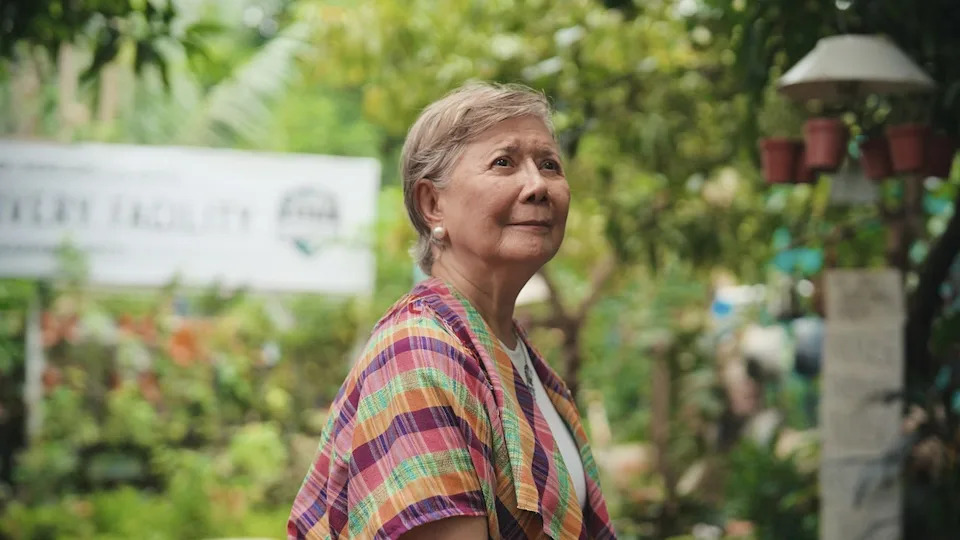
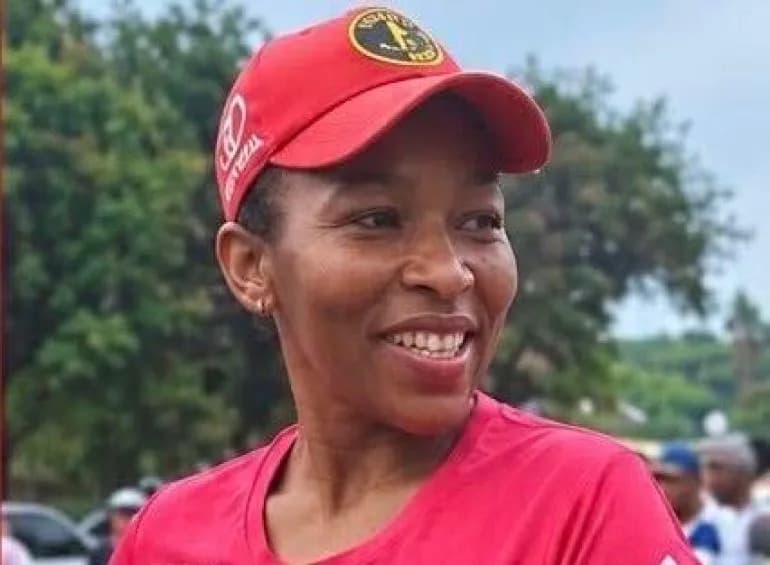
Sonia Mendoza founded Mother Earth Foundation with four other women in 1998 (Mother Earth)
Refill Shops And Behavioural Solutions
Mother Earth works with sari‑sari stores—small community shops ubiquitous across the Philippines—to encourage bulk dispensing and refill practices. Since January 2024, 40 partner stores have reportedly diverted more than 671,000 pieces of plastic waste, including some 288,000 sachets, by asking customers to bring their own containers.
One pilot outlet in Malabon uses a vending machine donated by the foundation to dispense goods in exchange for a five‑peso coin when customers bring a container. The approach revives older local habits of buying staples by measure rather than in single‑use packaging.
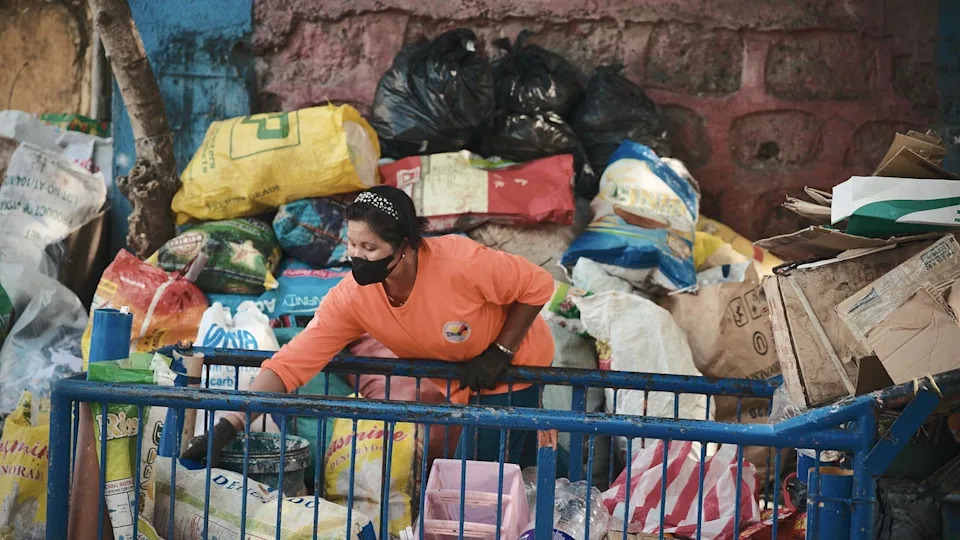
A waste worker sorts recyclables by hand in Manila (Mother Earth)
Upstream Pressure And Brand Audits
Recognising that local systems can be overwhelmed by products produced elsewhere, Mother Earth collaborated with GAIA Asia Pacific and the global Break Free From Plastic movement to develop a "waste assessment and brand audit" methodology. These audits identify not only the types of plastic collected in cleanups but also the brands responsible. The audits have named 10 companies as top plastic polluters in the Philippines.
However, Mendoza cautions that public naming has had limited impact so far: many corporate responses amount to greenwashing, such as labeling programs "plastic negative" while sending packaging to cement kilns to be burned as fuel. The foundation argues producers must reduce or stop production of problematic packaging.
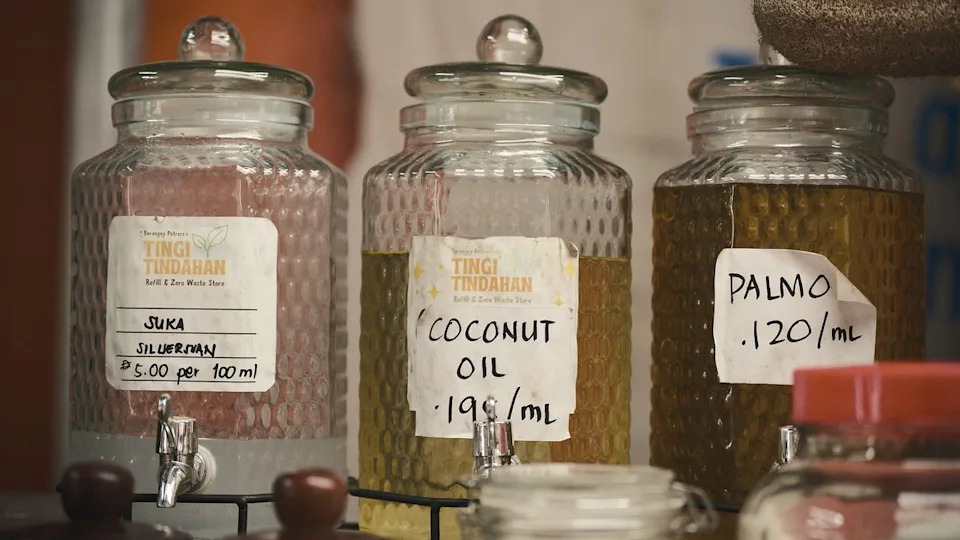
Bulk refill jars at a store where customers bring their own containers to buy vinegar, coconut oil and other everyday staples by the millilitre, rather than in single-use sachets (Mother Earth)
Supporting Waste Workers
Waste collectors and sorters are central to the system but are often under‑recognised and undercompensated. Mother Earth helped draft the proposed "Magna Carta of Waste Workers," a bill that aims to standardise working conditions and provide protections such as hazard pay, health insurance and job security; the measure is currently pending in the Philippine Senate.
Global Context And Ambition
Plastic production has ballooned from around 2 million tonnes a year in 1950 to more than 400 million tonnes today (UN Environment Programme). International negotiations on a global cap on plastic production have repeatedly stalled; advocates hope talks will resume and secure stronger upstream limits.
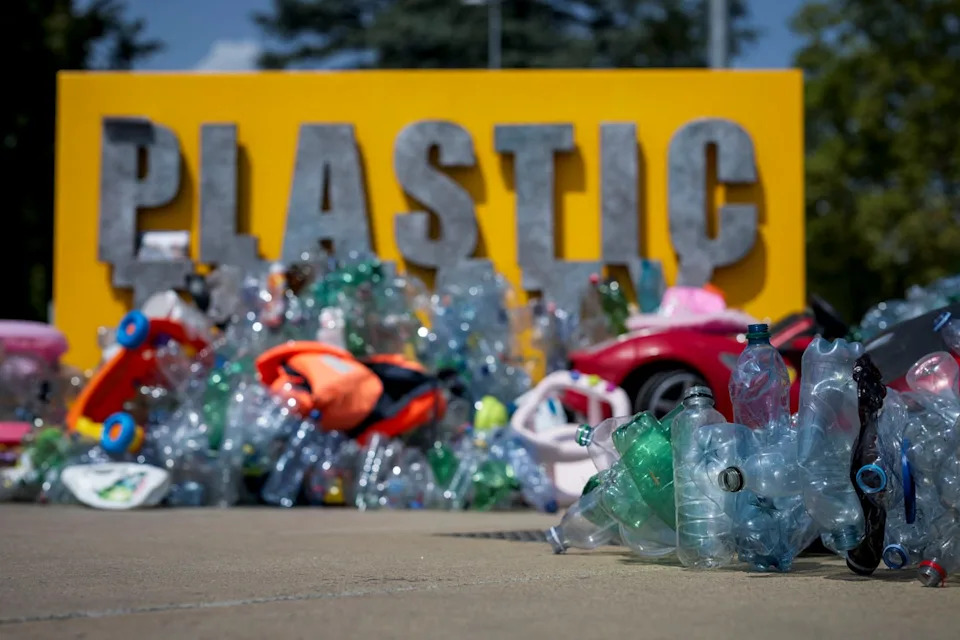
An artwork in front of the UN Offices in Geneva in 2025 (AFP/Getty)
Mother Earth’s immediate focus remains scaling low‑waste village systems and advocating for reusable alternatives—cloth bags, refillable bottles and tumblers—alongside legal and corporate reforms. The foundation aims for 90% of Philippine cities to operate zero‑waste systems by 2030 and is expanding its Zero Waste Academy, which has already trained participants from Tanzania, Indonesia and Vietnam.
Why It Matters: Local, low‑cost solutions can dramatically reduce the flow of plastic to rivers and oceans, but lasting change also requires producers to stop making problematic single‑use packaging and for international rules to limit plastic production.
Help us improve.