A 617‑lb (280‑kg) sea lion at Race Rocks Ecological Reserve was found with a plastic packing band deeply constricting its neck. Veterinarian Dr. Martin Haulena and a rescue team dart‑sedated the animal so they could remove the band, collect a blood sample, and attach ID tags. The wound should heal though it may scar. The case underscores how discarded plastic endangers marine mammals and how complex field rescues can be.
617‑Lb Sea Lion Freed After Dart Sedation Removes Tight Plastic Packing Band
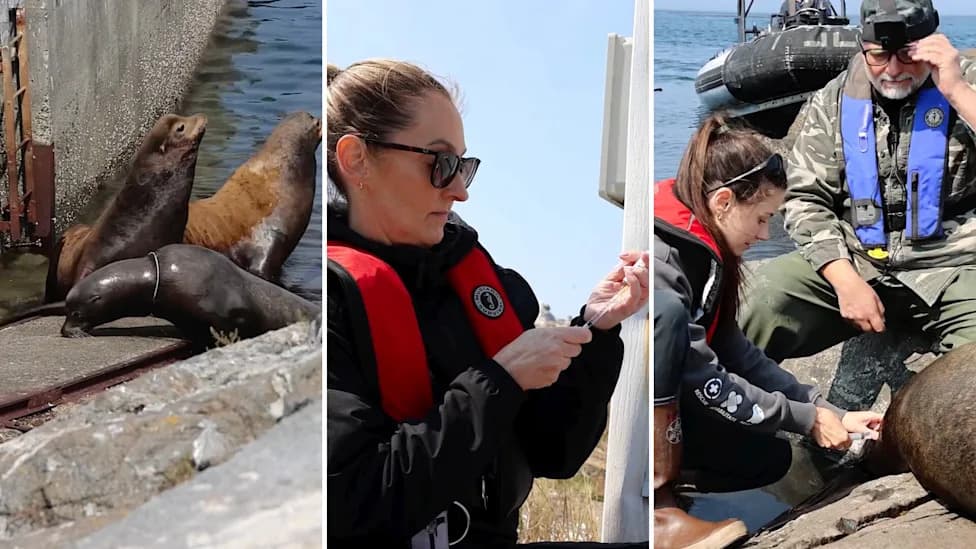
Photo Credit: Vancouver Aquarium Marine Mammal Rescue Society
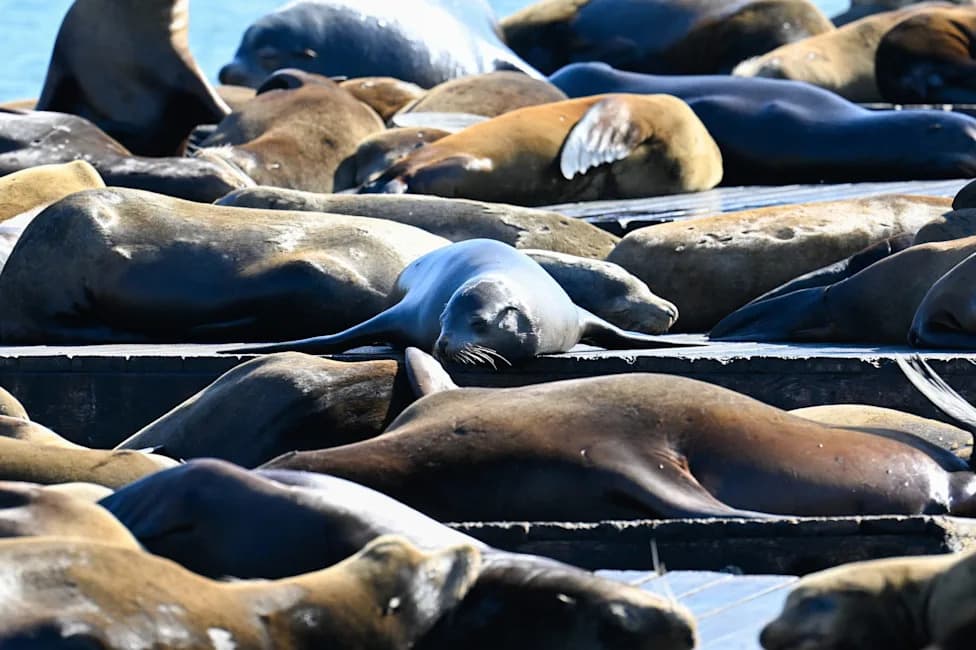
A 617‑pound (280‑kg) adult sea lion was rescued after a plastic packing band became tightly lodged around its neck at Race Rocks Ecological Reserve, near Metchosin, British Columbia. The entangling band threatened the animal's health until a trained response team intervened, according to CP24.
The rescue required calm weather and careful planning. Once conditions allowed, veterinarians used a dart to administer a sedative so rescuers could approach the wild animal safely. Dr. Martin Haulena, head veterinarian for the Vancouver Aquarium Marine Mammal Rescue Society, led the sedation and field procedure.
The Field Operation
Team members waited for the sedative to take effect, then worked on exposed coastal rock to remove the constricting packing band. While the sea lion remained under sedation, rescuers collected a blood sample, attached identification tags, and monitored the animal until it recovered from the drug.
Injuries and Outlook
Rescuers expect the wound to heal well but likely leave a scar. They emphasized that entanglement from discarded plastic remains one of the clearest, most persistent threats to marine mammals: bands or loops can tighten as animals grow, cut into tissue, restrict movement, and eventually impair feeding or swimming.
Why This Rescue Matters
This intervention highlights how complex and resource‑intensive marine rescues can be. Field operations with sedated wild animals require specialist training, equipment, patience, logistical coordination, and funding. Rapid reporting by the public and timely response by trained teams are often critical to preventing worse outcomes.
Other recent incidents underscore the broader problem of marine plastic and risky human interactions:
- Responders used drone footage to coordinate a Steller sea lion rescue from plastic waste.
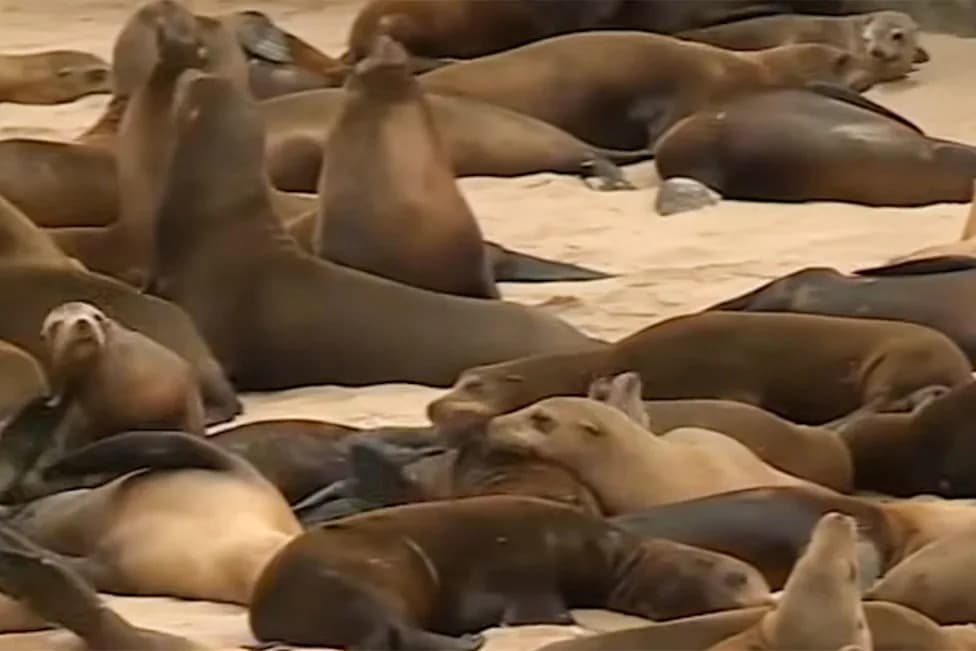
- In Namibia, conservationists found young seals tangled in plastic and intervened before serious injury occurred.
- Off a fishing vessel, fishermen attempted to bait a wild sea lion, drawing public criticism.
Source: CP24.
Help us improve.