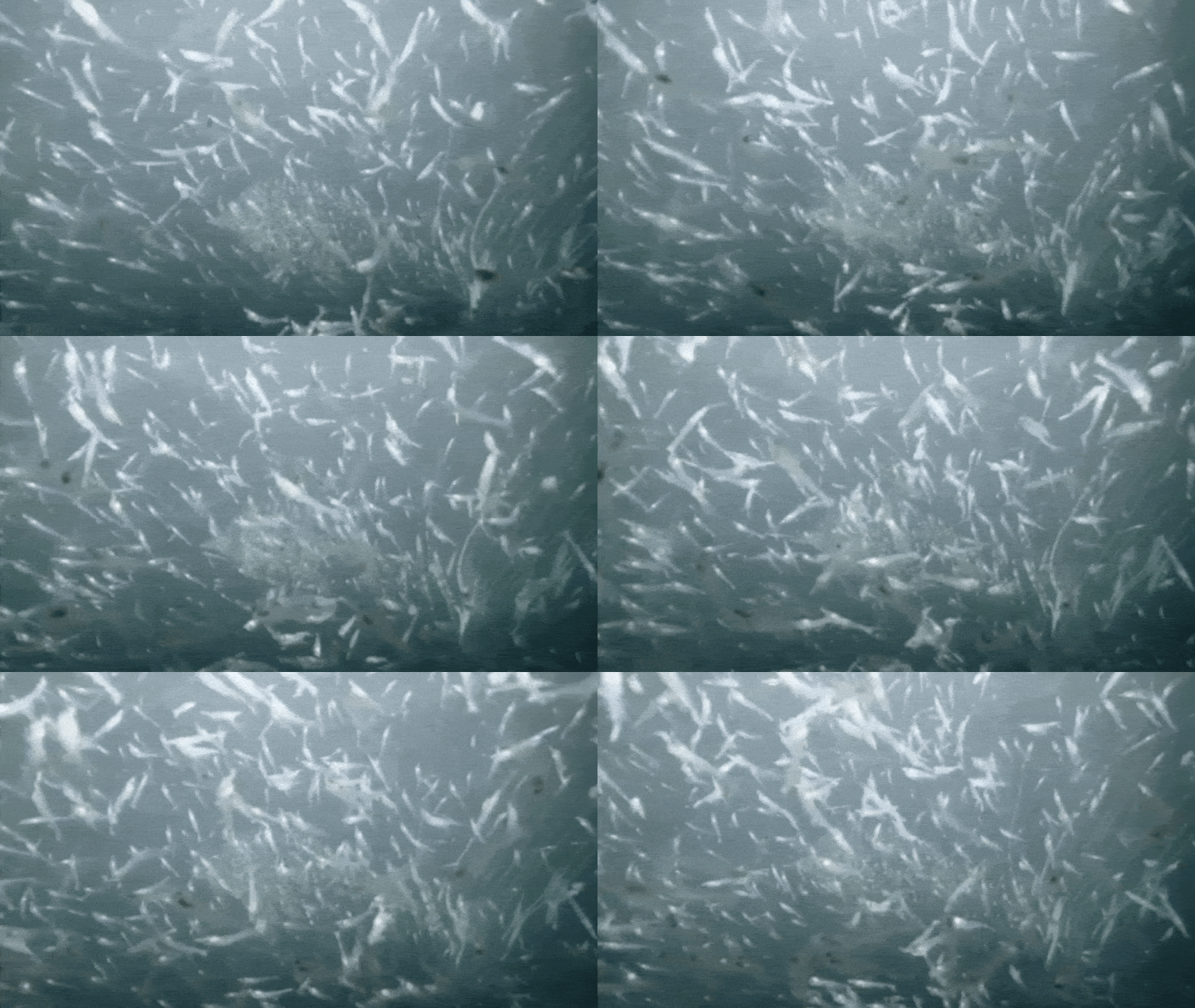
Researchers used 30 years of NASA/USGS satellite imagery plus field samples to map Adélie penguin guano and track dietary shifts across Antarctica from 1984–2013. By identifying a guano 'spectral signature' and applying stable isotope analysis, the team estimated changes in fish versus krill consumption. They found thicker sea ice correlates with more fish in the diet, while ice loss is linked to greater krill reliance — a change that could harm penguin health and signal broader disruptions to Antarctic and global ocean systems.
Satellites Trace Penguin Guano: Warming and Shrinking Sea Ice Are Rewriting Antarctica’s Food Web
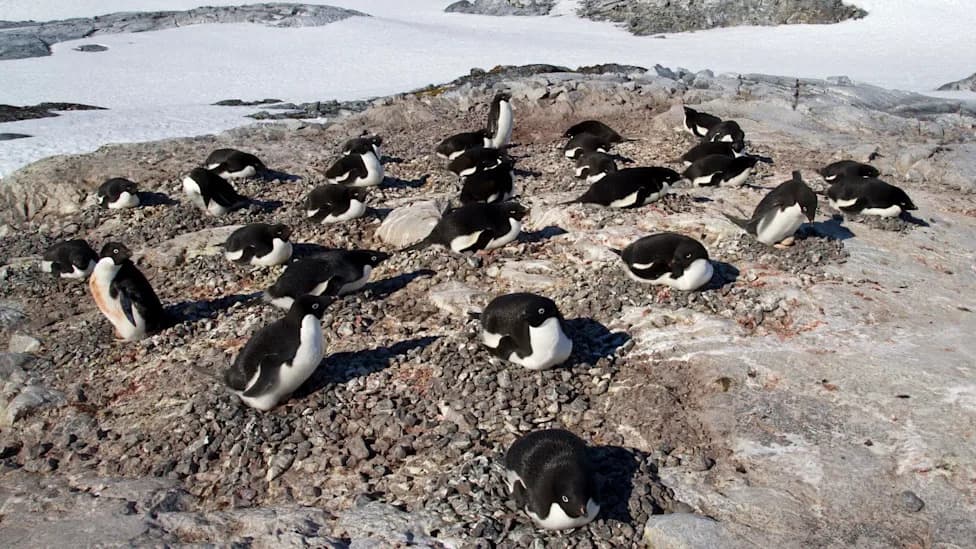
Photo Credit: iStock
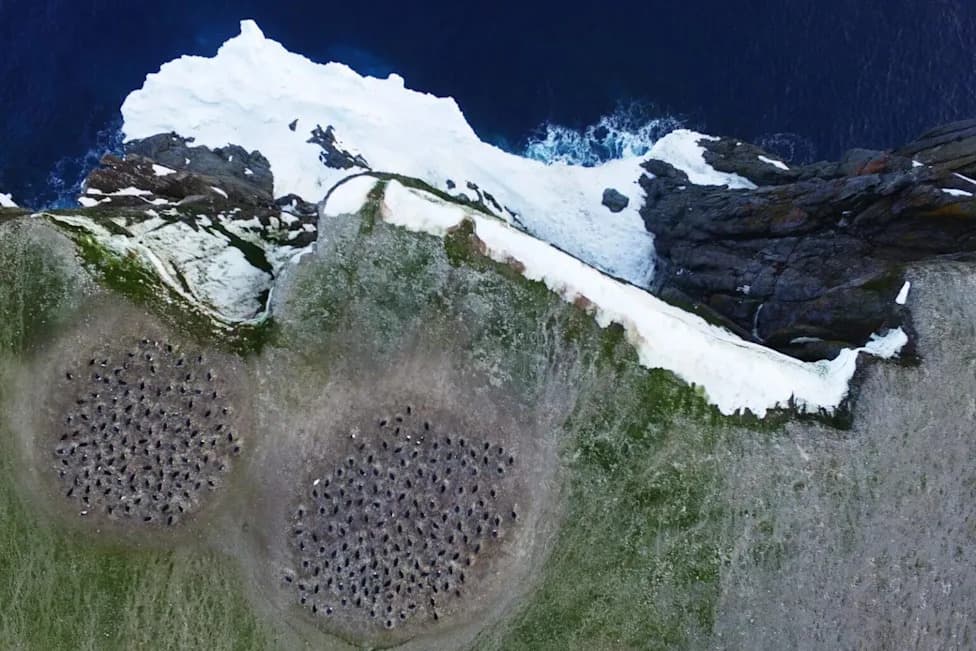
Scientists combining three decades of NASA/USGS satellite imagery with field samples report that the color and distribution of Adélie penguin guano — visible from space — reveal continent-scale shifts in penguin diets driven by warming and shrinking sea ice.
How The Study Was Done
A Clemson University–led team used a 30-year archive of satellite images (1984–2013) to map Adélie colonies across Antarctica. Researchers identified the guano’s distinctive spectral signature in visible and infrared bands, then paired those satellite observations with physical samples and stable isotope analyses to estimate the relative contribution of fish versus krill in penguin diets over time.
Key Findings
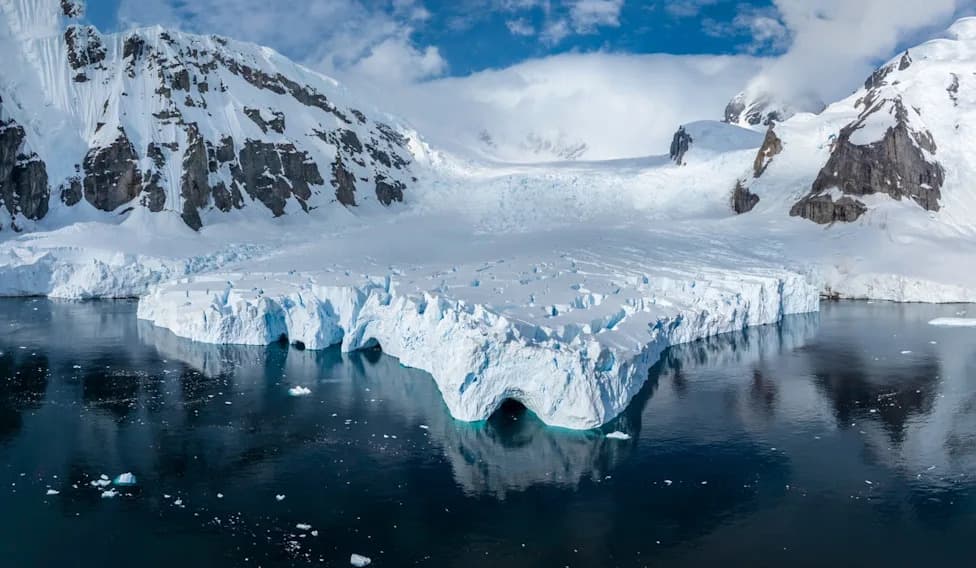
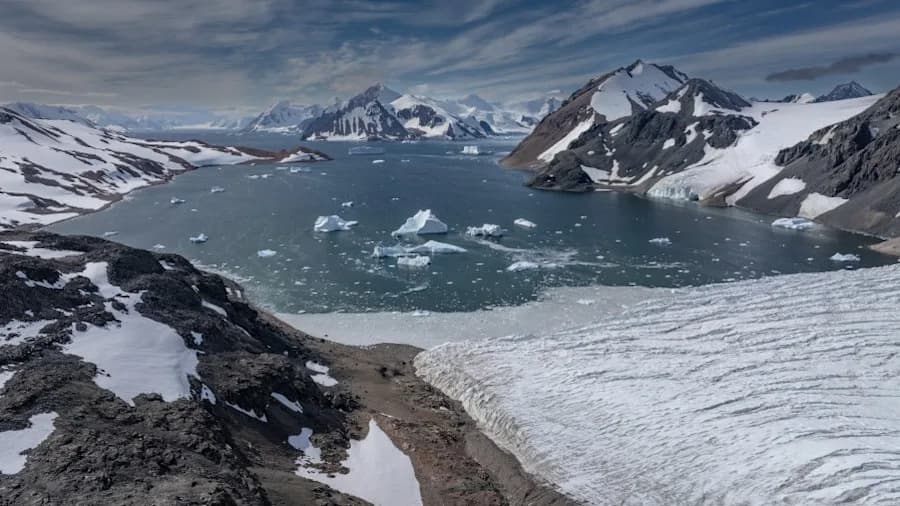
The study shows a clear link between sea-ice conditions and diet: colonies in areas with thicker, more persistent sea ice tended to consume more fish, while colonies where seasonal ice retreated relied increasingly on krill. The authors describe this work as 'the first use of satellite observations to capture trophic dynamics at continental and decadal scales.' The satellite approach made it possible to monitor diet shifts across vast and remote areas that are difficult to sample frequently in the field.
Why It Matters
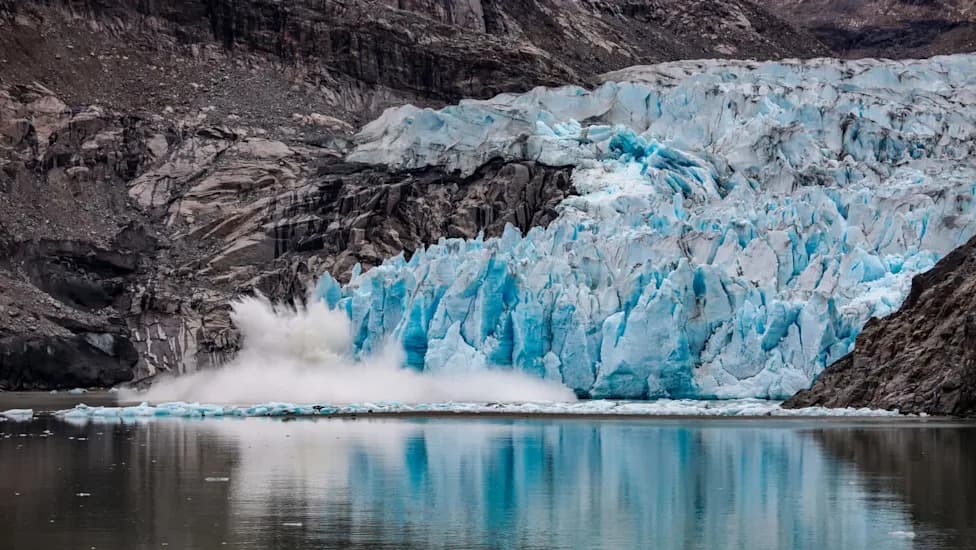
Warming waters and changes in predator-prey relationships — including recovering seal and whale populations that also eat krill — may make krill a less reliable food source in some regions. If record-low sea-ice conditions continue, more Adélie colonies could shift toward krill-dominated diets, which may undermine penguin body condition and long-term survival in affected populations.
Broader Implications
Antarctica plays a central role in regulating global climate and ocean circulation. Disruption of its marine food webs can serve as an early warning for cascading impacts on coastal stability, weather patterns, and wider marine ecosystems. Observing trophic changes from space offers a powerful tool for monitoring ecosystem responses to climate change at continental scales.
Study Period: 1984–2013 | Published In: Current Biology
Note: The research combined remote-sensing detection of guano color with on-the-ground isotope measurements to make continent-wide inferences about diet and trophic shifts.
Help us improve.