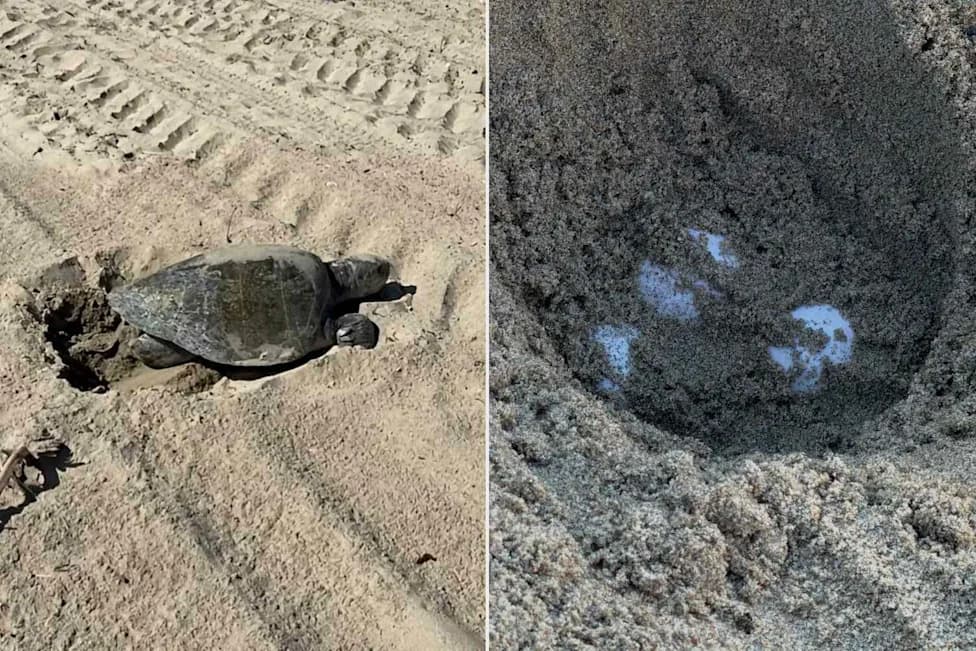
Sanibel and Captiva in southwest Florida are poised to break the single-season loggerhead nesting record as officials count 4,640 hatchlings that have already reached the Gulf. The current record is 1,177 nests; roughly 100 more nests could push the islands past that mark. Conservationists warn that threats such as boat strikes, artificial lighting and beach disturbances remain serious, and they emphasize dune protection, dark beaches and slower boating as key protections.
Sanibel and Captiva Near Loggerhead Nesting Record — 4,640 Hatchlings Race Into the Gulf
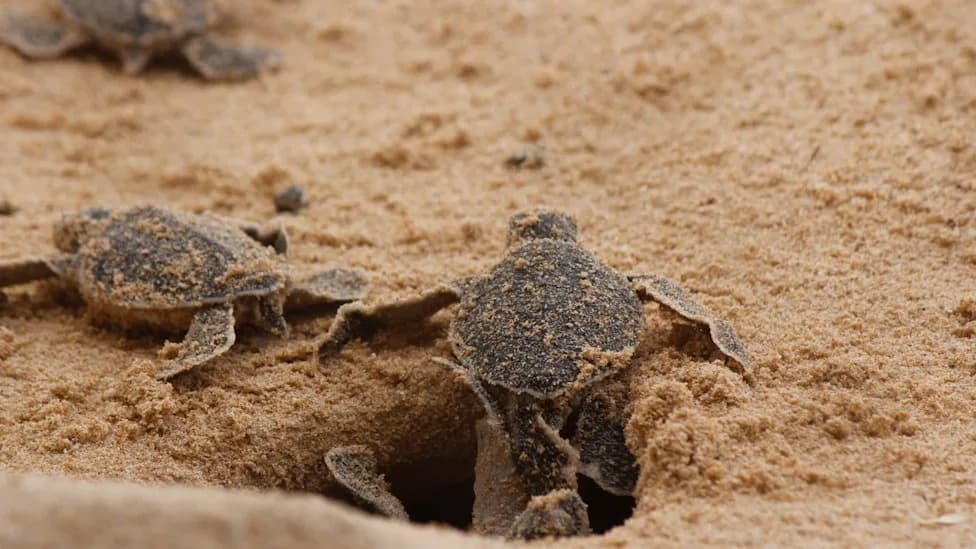
Photo Credit: iStock
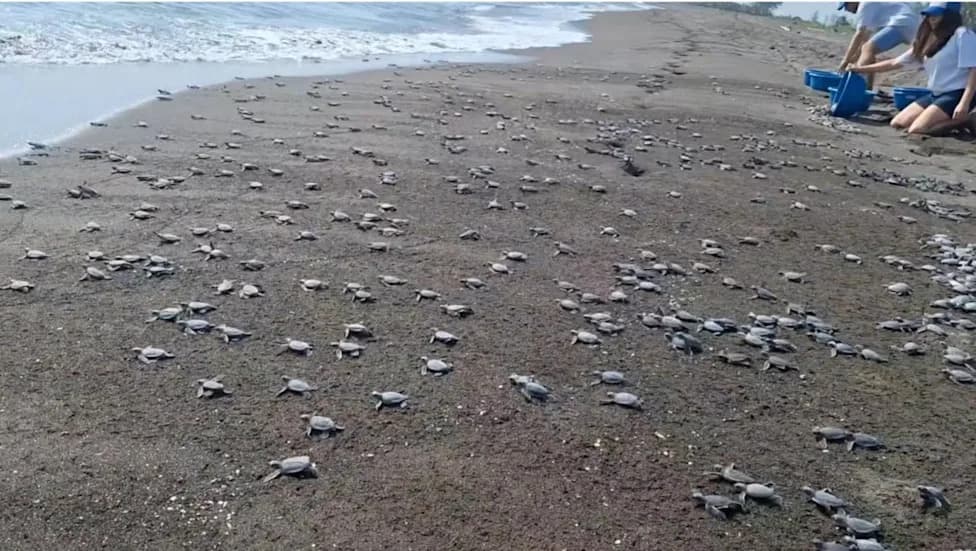
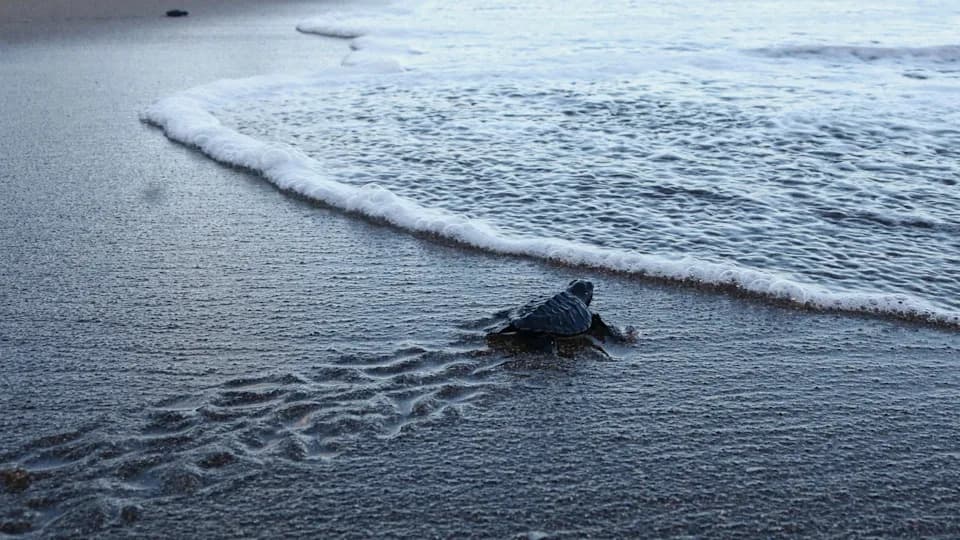
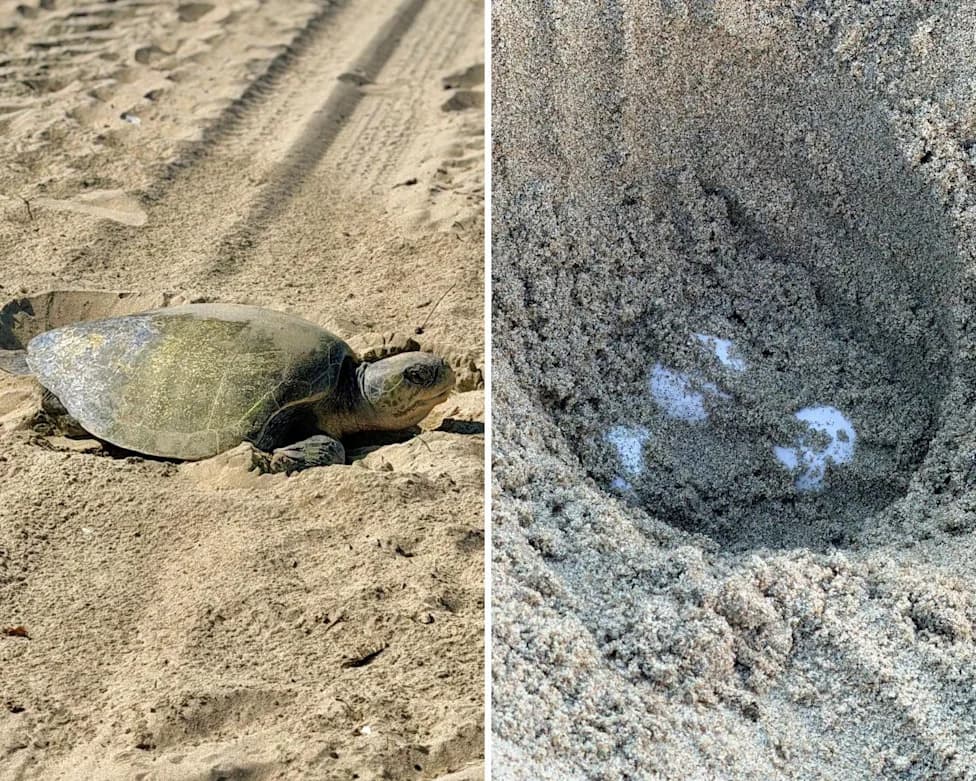
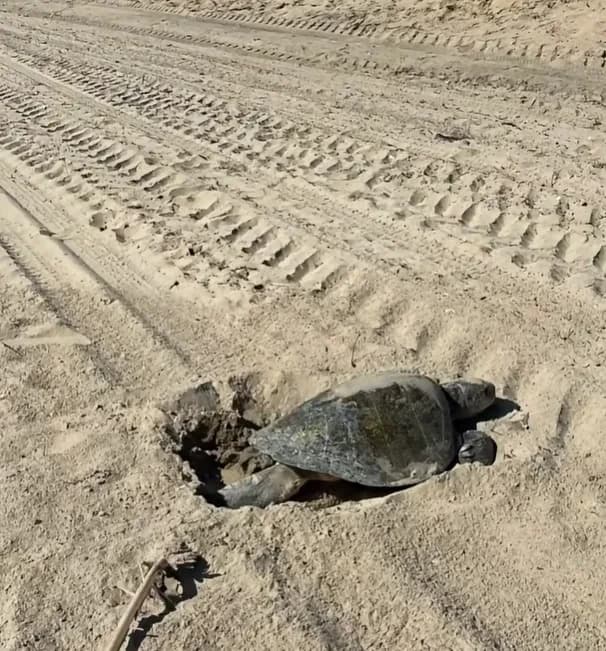
Weeks before nesting season ends, Sanibel and Captiva — two barrier islands off southwest Florida — are closing in on a single-season record for loggerhead sea turtle nests, and thousands of hatchlings have already scrambled across the sand and entered the Gulf of Mexico.
Nesting Numbers and Hatchlings
Local monitors report the standing single-season record is 1,177 loggerhead nests. If roughly 100 more nests are recorded before the season concludes, the islands could surpass that mark. By mid-July, some of the earliest nests were hatching, and officials counted 4,640 hatchlings that had made their way from nest chambers to the Gulf.
Threats and a Recent Fatality
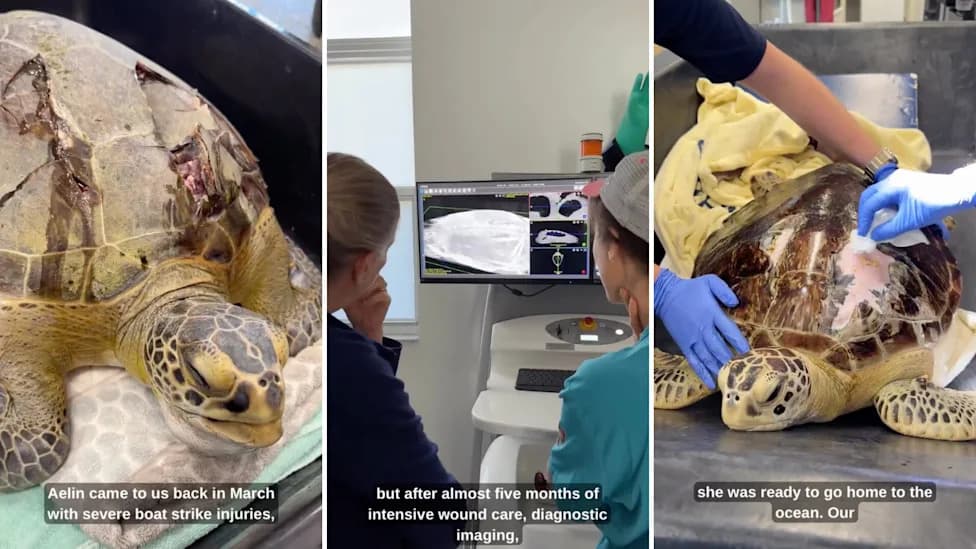
Despite the encouraging numbers, loggerheads still face serious nearshore dangers. One adult female, nicknamed for 1980s rock star Pat Benatar, was recently found dead after suffering catastrophic injuries in a boat strike and being discovered without her hind section. Boat collisions, along with predators, artificial lights and shoreline obstacles, take a heavy toll on both nesting adults and hatchlings.
Why Nesting Counts Matter
Nesting activity is a key indicator of coastal ecosystem health: successful nesting depends on dark beaches, stable shorelines and relatively safe nearshore waters where turtles can surface and forage. The same beaches that support turtle nesting also provide recreation, tourism value and natural storm protection for local communities.
Conservation In Practice
Long-term monitoring by the Sanibel-Captiva Conservation Foundation provides essential data to track trends, identify threats and evaluate the effectiveness of protection measures. On-the-ground actions that improve survival include:
- Nighttime lighting reduction to keep beaches dark for nesting females and emerging hatchlings
- Dune protection and limiting beach disturbances that can collapse nests or block hatchling paths
- Marking and monitoring nests, and educating residents and visitors about responsible beach behavior
- Encouraging boaters to slow down and stay alert in nearshore waters to reduce vessel strikes
- Removing chairs, gear and filling holes before leaving the beach to avoid trapping hatchlings
While no measures can remove every danger, community cooperation and practical protection steps measurably improve the odds for adult turtles and hatchlings. Sanibel and Captiva’s near-record season highlights how sustained local stewardship can yield tangible results for wildlife and people.
Help us improve.