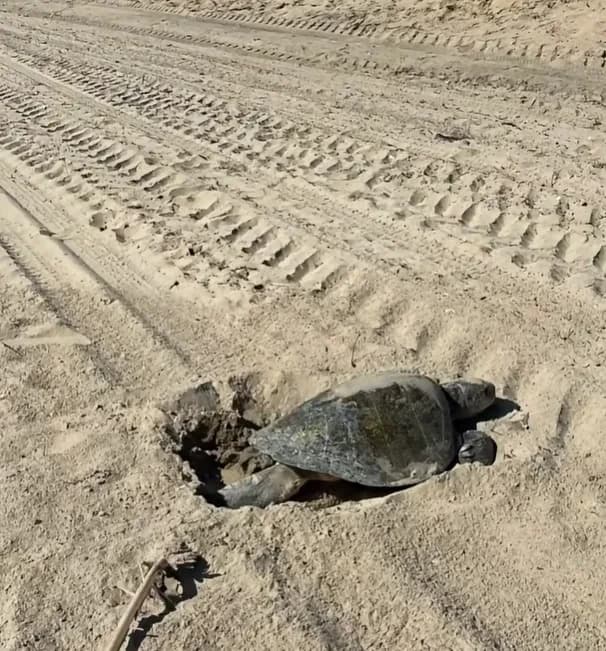
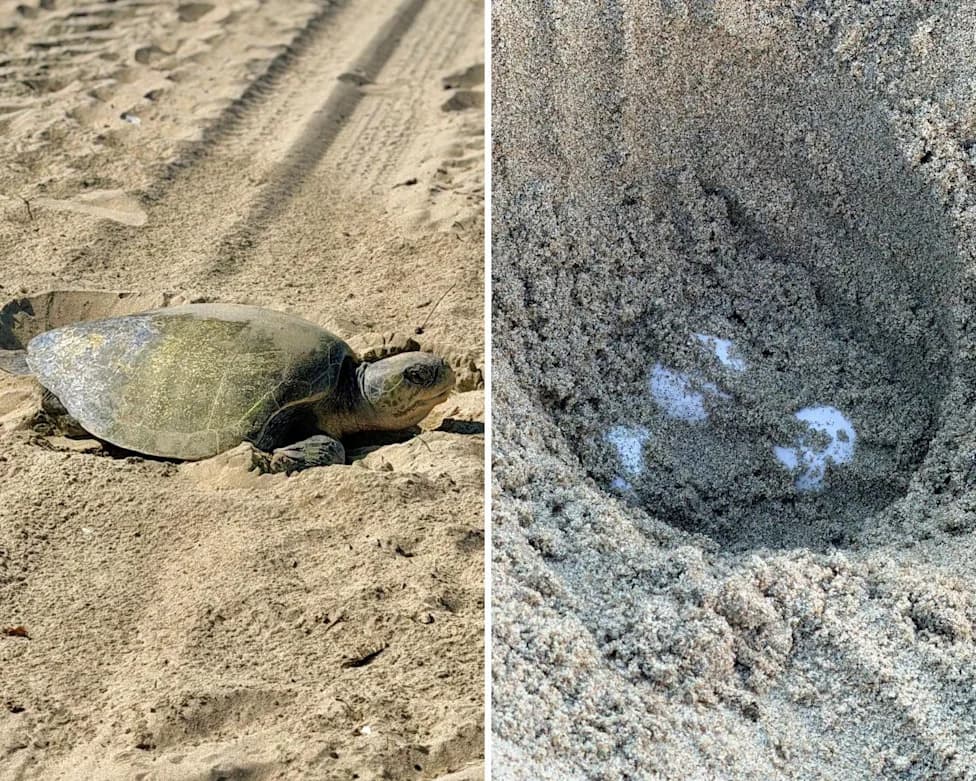
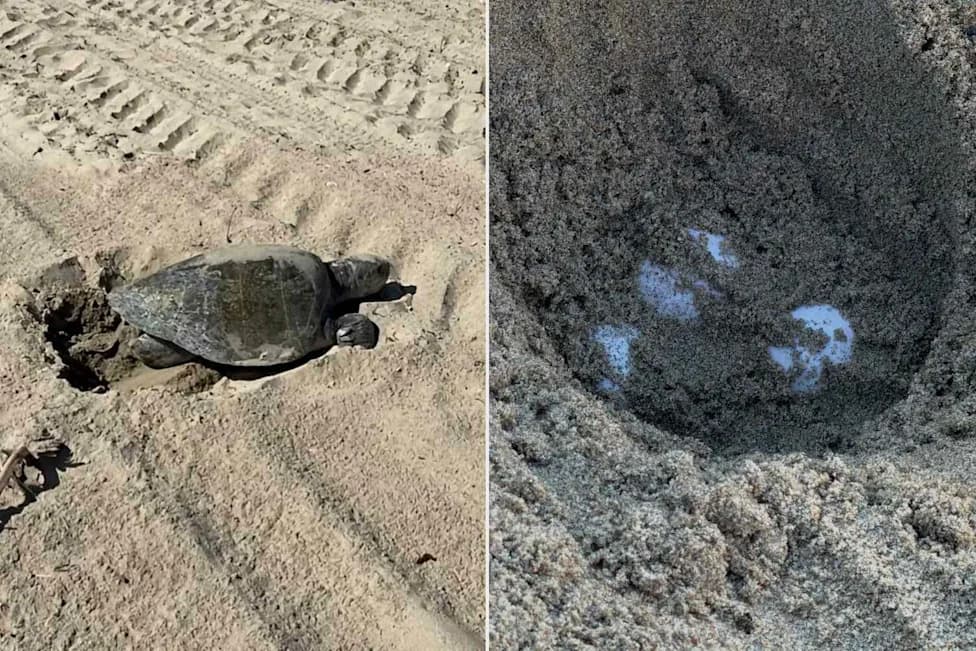
Photographs and expert analysis confirm that at least two olive ridley sea turtles nested on Southern California beaches in mid-September — the first recorded natural sea turtle nesting on the US West Coast. Dr. Cali Turner Tomaszewicz compared shell patterns and concluded the nests came from different females. Officials have closed the sites and multiple agencies are monitoring the eggs while NOAA urges the public to report sightings and avoid disturbing nests.
Photos Confirm First-Ever Olive Ridley Turtle Nests On US West Coast — At Least Two Mothers in Southern California
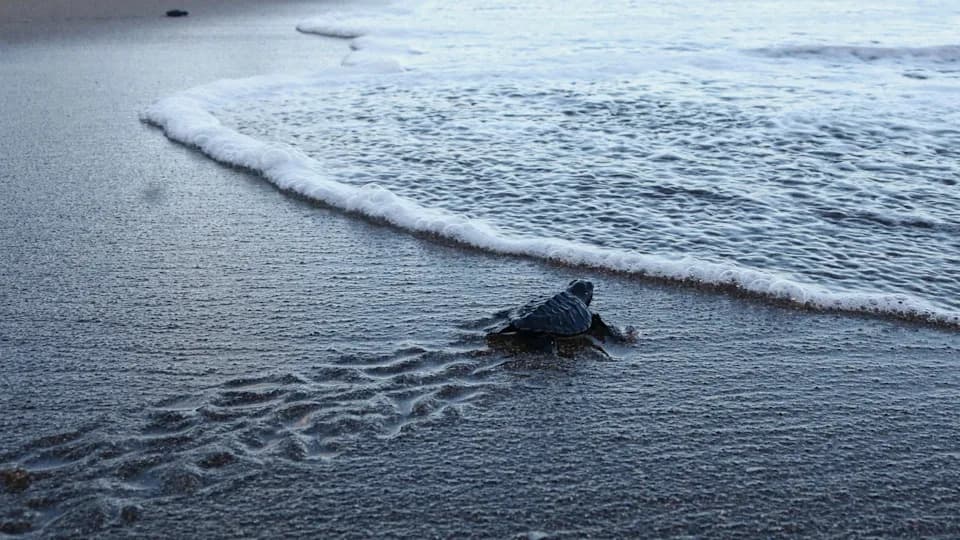
Credit: Getty Images
Beachgoers who spotted a sea turtle on the sand in Southern California this week expected an injured animal. Instead, authorities documented what the National Oceanic and Atmospheric Administration (NOAA) calls the first recorded natural nesting by any sea turtle species on the US West Coast.
On September 16, a sea turtle was observed laying eggs near Saal Beach in Orange County. A few days later, another olive ridley was seen digging a nest near Huntington Beach Pier. Initial uncertainty about whether the two observations involved the same turtle has been resolved by photo analysis.
Photo Analysis Confirms Two Different Mothers
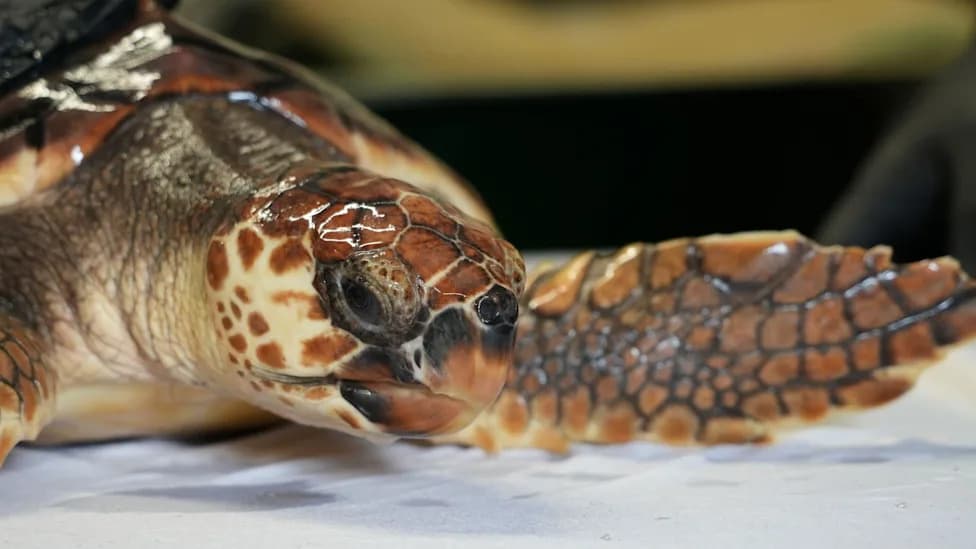
Research biologist Dr. Cali Turner Tomaszewicz compared photos from both sites and examined carapace shape and scute patterns. Her review concluded the markings differ, supporting the finding that at least two separate female olive ridleys nested on Southern California beaches within the same period.
Why This Matters
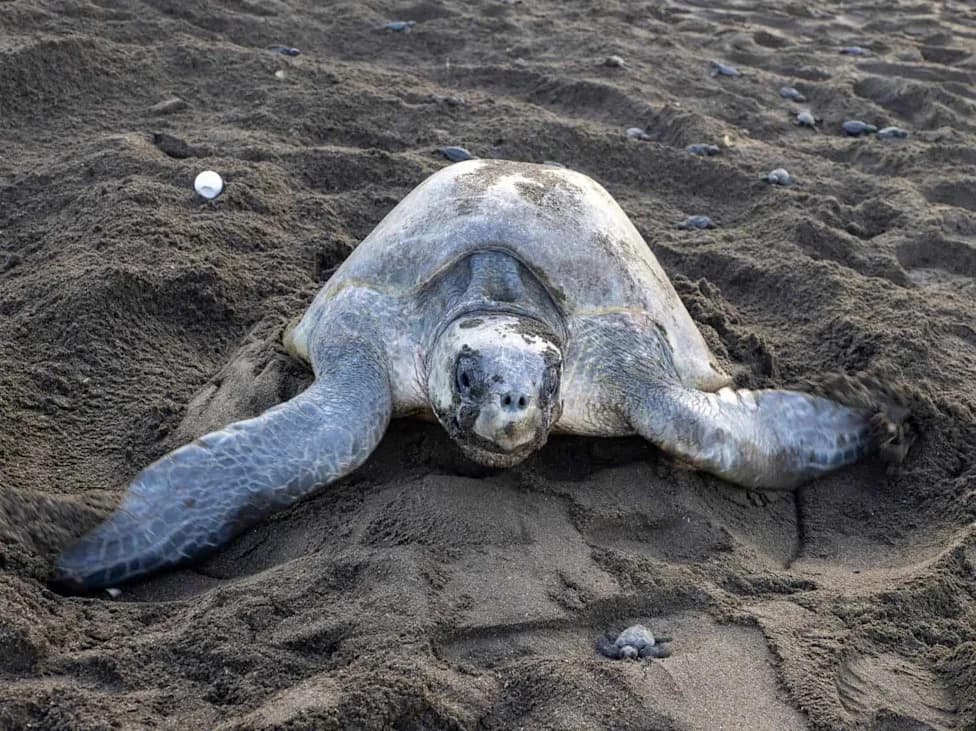
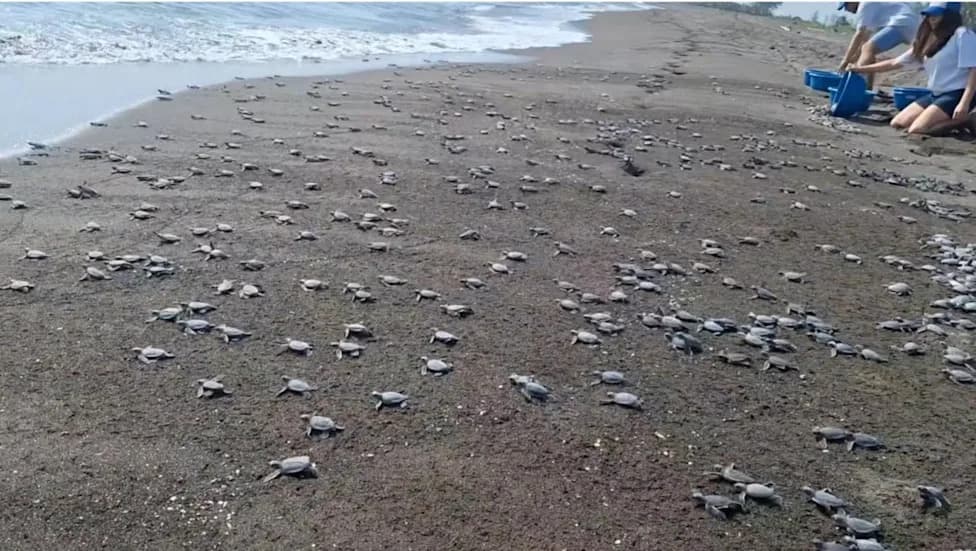
Olive ridley turtles are best known for synchronized mass-nesting events—sometimes bringing thousands of females ashore—at traditional sites in Costa Rica and Mexico. The recent California nests represent the farthest-north documented nesting activity for the species and raise questions about whether this is an isolated incident or an early sign of a shifting nesting range.

The lifeguard in this photo, Andrew Mackie, observed the turtle laying its eggs while on patrol and now keeps an eye on the nest. | Credit: Allen J. Schaben / Los Angeles Times via Getty Images
Possible Causes and Ongoing Monitoring
Scientists are weighing several explanations, including anomalously warm coastal waters linked to El Niño and broader environmental changes. Multiple government agencies and conservation organizations have closed the nesting areas to public access and are monitoring the eggs and habitats to protect the nests and collect data.
What the Public Can Do: NOAA asks people to report any West Coast sea turtle sightings, keep their distance from nesting turtles and nests, avoid using lights or flash photography at night, keep dogs leashed, and refrain from digging, touching, or otherwise disturbing nests or hatchlings.
Species Notes: The olive ridley (Lepidochelys olivacea) is one of the smaller sea turtle species. Females typically lay one to three nests per year, with each clutch averaging about 100 eggs. Compared with many other sea turtles, olive ridleys are relatively abundant, but nesting events remain ecologically significant and sensitive to disturbance.
Photo credit: Allen J. Schaben / Los Angeles Times via Getty Images. Lifeguard Andrew Mackie observed one turtle laying eggs and has been helping to monitor the nest.
Help us improve.