Two separate olive ridley sea turtles were confirmed nesting on Orange County beaches — the first recorded nesting of this species on the U.S. west coast. Researchers say causes may include warmer coastal waters, El Niño effects, or hurricane displacement. Nests have been fenced but face threats from predators, human interference and storm swells; eggs usually incubate for 45–60 days. Officials advise staying at least 50 ft away and reporting sightings to lifeguards or NOAA.
First Recorded Olive Ridley Sea Turtle Nests Found on California Beaches
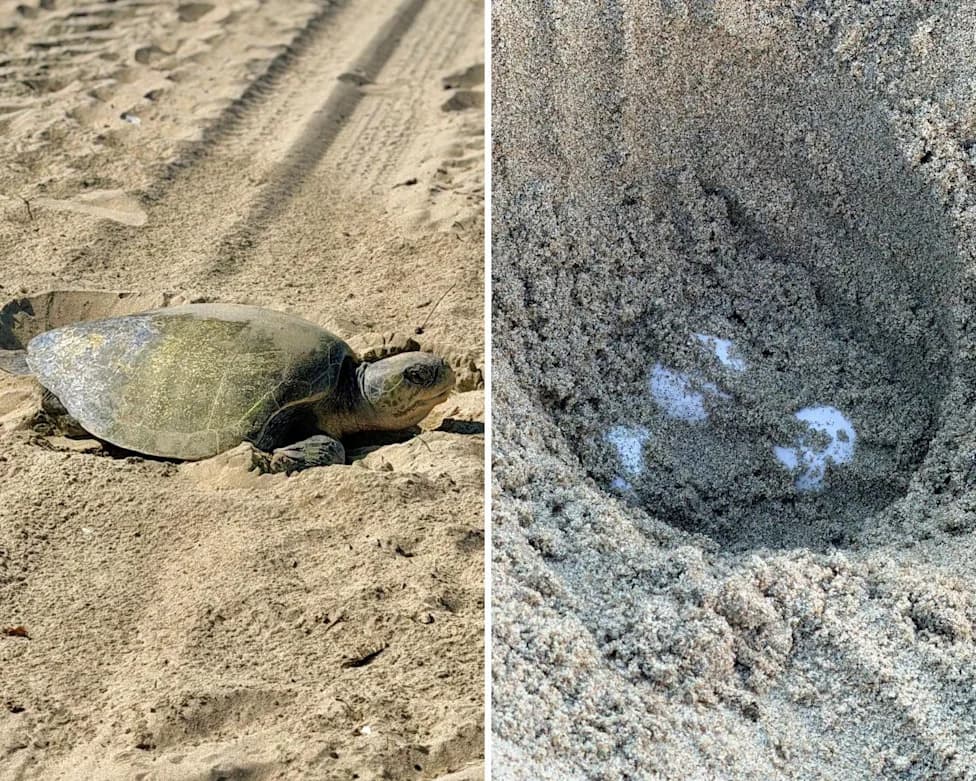
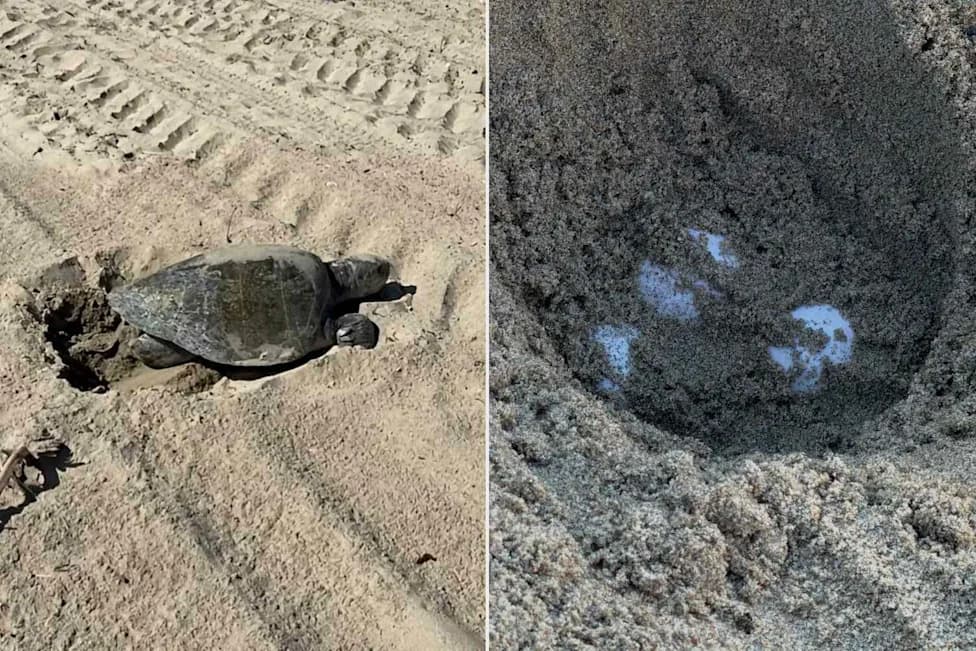
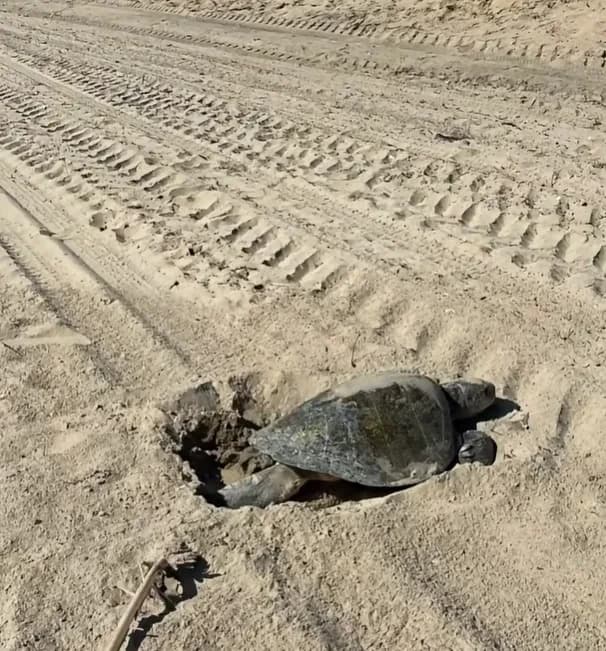
An olive ridley sea turtle was observed laying eggs near Seal Beach in California on 16 September 2026.Photograph: City of Huntington Beach via Facebook
Late last weekend a female olive ridley sea turtle crawled onto a southern California shore at dusk and began depositing eggs in the sand — one of two separate nesting events documented in Orange County within the same week.
Two Distinct Turtles, One Historic First
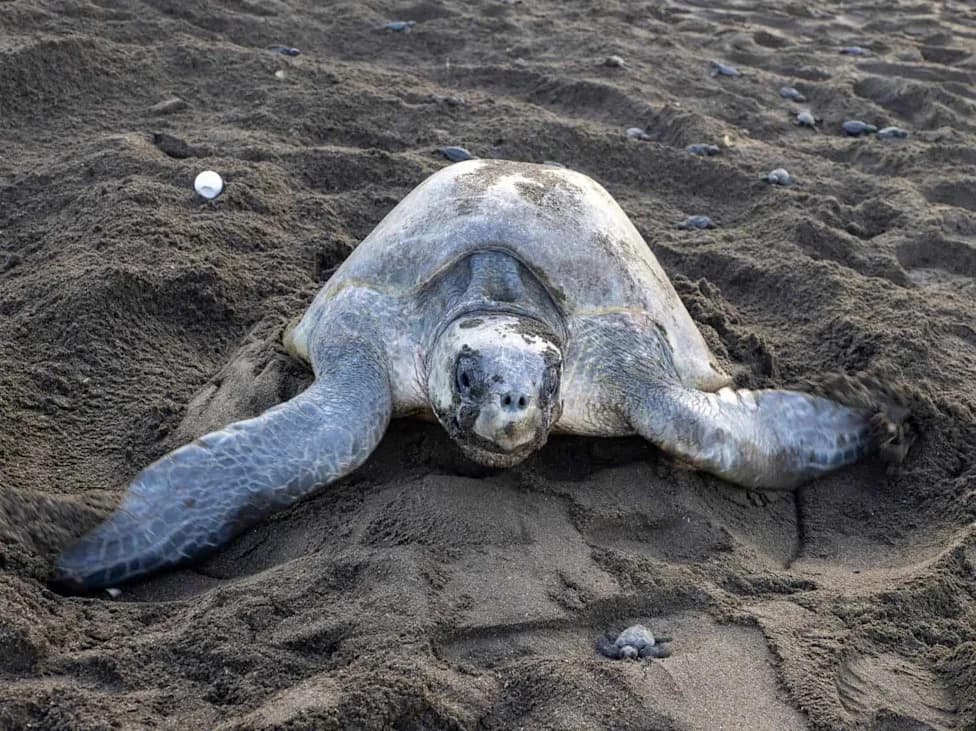
Observers at Huntington Beach and Seal Beach were surprised and excited to see the animals. Federal scientists with the National Oceanic and Atmospheric Administration (NOAA) confirmed that two different olive ridley turtles were responsible, based on comparisons of shell shape and barnacle patterns. This marks the first documented nesting of olive ridleys on the U.S. west coast.
"This is the first documented case of a turtle nesting on the west coast," said Justin Viezbicke, NOAA’s California stranding coordinator.
Why This Matters
Olive ridley turtles typically lay eggs on beaches in Mexico and Central America. Researchers are investigating possible causes for these northward nesting events, including unusually warm coastal waters, El Niño-related ocean changes, or displacement by recent hurricanes and storm activity. "There's been a lot of activity in the Pacific Ocean," Viezbicke noted.
Biological Concerns
Temperature at the nest strongly influences hatchling sex: warmer nests produce more females. As Aquarium of the Pacific veterinarian Lance Adams explained, "After about 87.8 F, they're almost all female." If nesting shifts northward, access to cooler beaches may be important to maintain a balanced population.
Protection and Risk
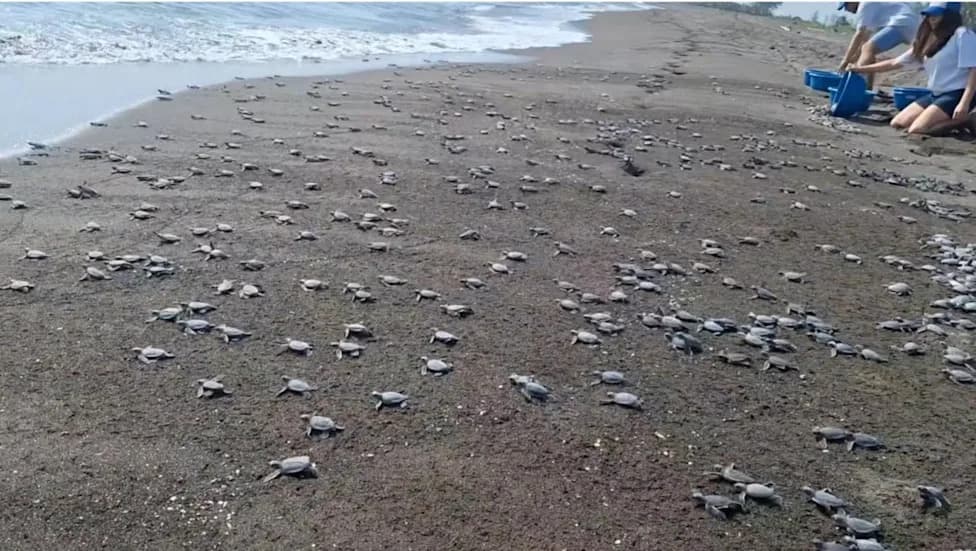
Local officials have fenced off the newly discovered nests to reduce disturbance. Eggs typically incubate for about 45 to 60 days. Nevertheless, nests remain vulnerable to predators (for example, coyotes), human interference, and incoming storm swells and high tides that could wash away the nesting area.
What The Public Should Do
Officials urge beachgoers not to approach nesting turtles and to stay at least 50 ft away. If you spot a sea turtle, notify a lifeguard or call NOAA’s marine animal stranding hotline to report the sighting. Observing fenced nesting sites up close is discouraged; aquariums with rehabilitation tanks provide safer viewing opportunities for rescued turtles.
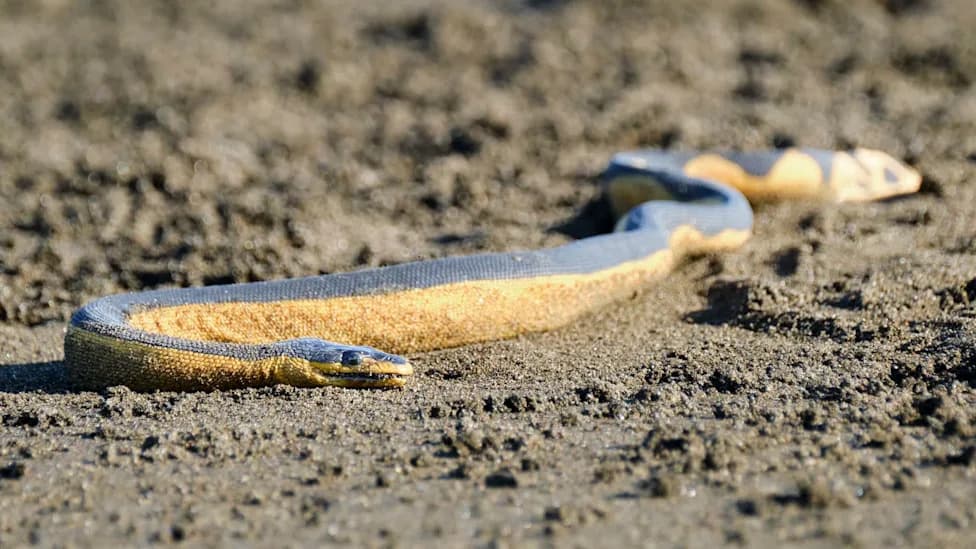
Although olive ridleys are among the most numerous sea turtle species globally, they remain protected under the U.S. Endangered Species Act. Warmer ocean temperatures have also produced other unusual California sightings, such as uncommon sharks, rays, seahorses and the venomous yellow-bellied sea snake, underscoring a broader pattern of shifting marine life distributions.
Note: Because olive ridleys often lay multiple clutches during a nesting season, scientists expect additional nesting attempts could occur in the next 30 to 90 days.
Help us improve.