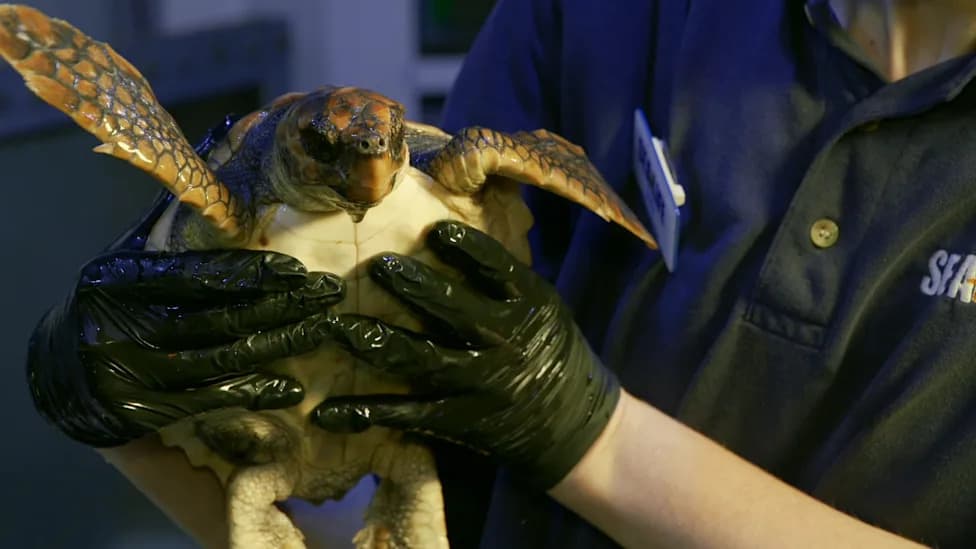
Aelin, a young green sea turtle, survived a severe boat strike and was released after five months of intensive care at Loggerhead Marinelife Center. Her treatment included dry docking, vacuum-assisted wound therapy, surgery to remove damaged bone and tissue, and ongoing wound management. Though part of her shell will remain scarred and not as hard as before, it is covered by firm tissue and expected to strengthen. The center used the release to urge boaters to "Go Slow for Those Below" and to follow the Sea Turtle Protection Zone during nesting season.
Aelin the Sea Turtle Survives Severe Boat Strike — Released After Five Months of Intensive Care
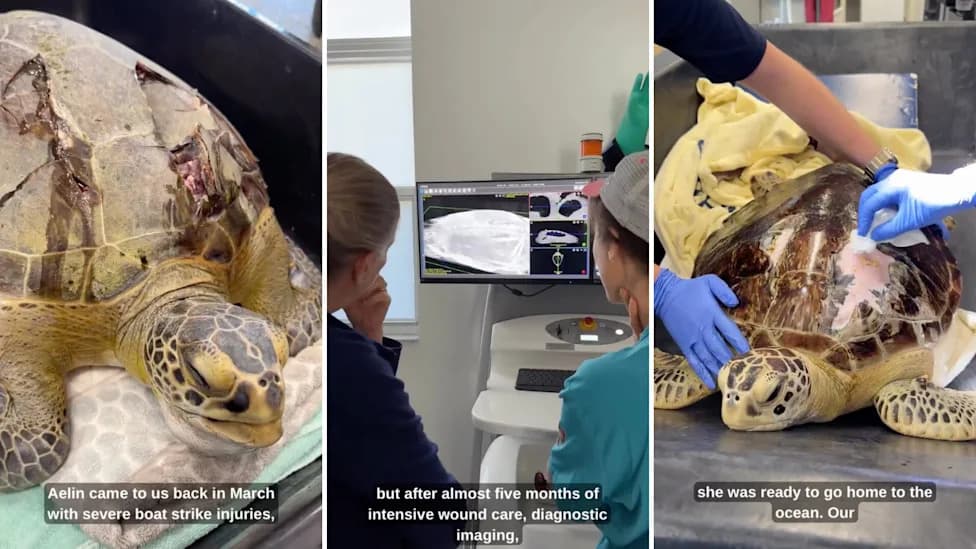
Photo Credit: Loggerhead Marinelife Center
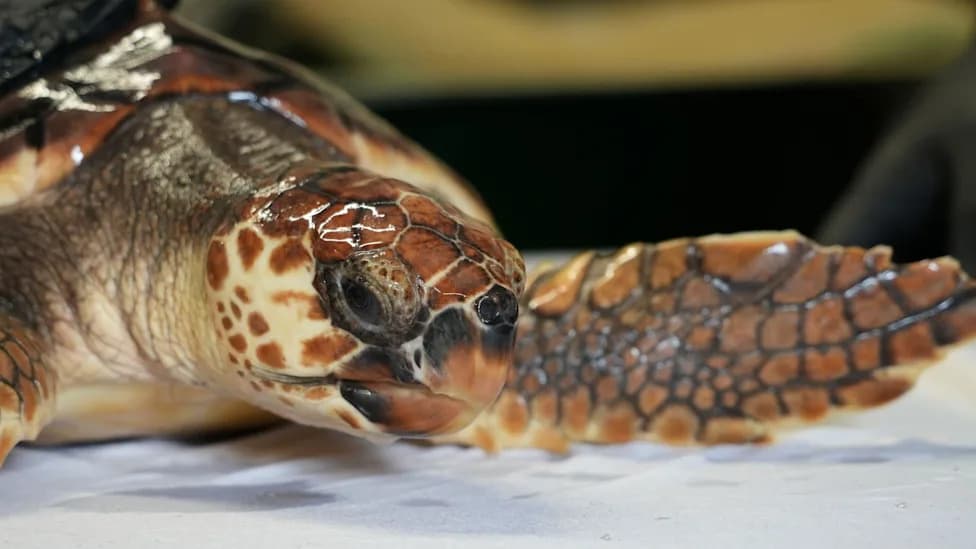
A young green sea turtle named Aelin has been returned to Florida waters after surviving a severe boat strike that badly damaged her shell. Her recovery and release highlight both the dedication of wildlife rehabilitators and how simple choices by boaters can prevent similar injuries.
Recovery and Treatment
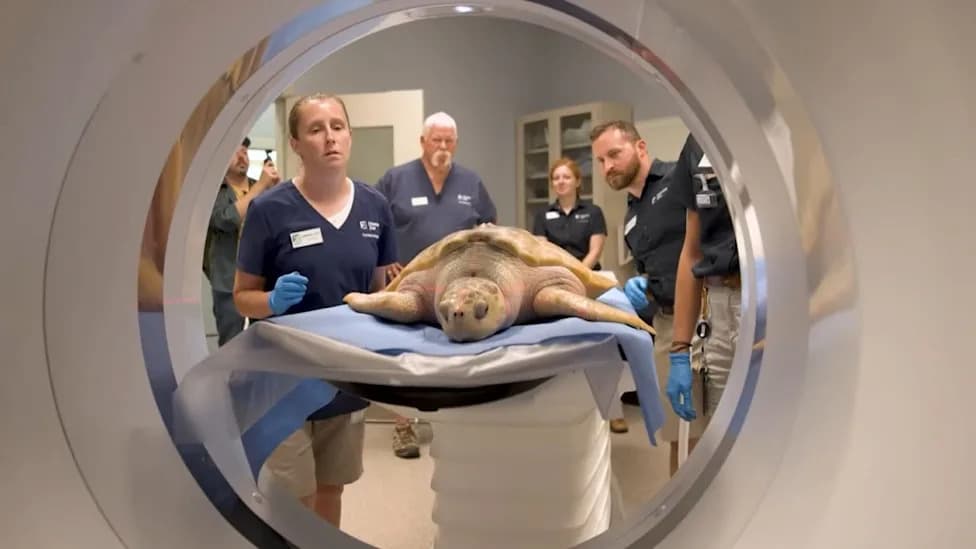
After the collision, Aelin was taken to the Loggerhead Marinelife Center, where veterinarians and staff provided an intensive five-month rehabilitation program. Treatments included dry docking, vacuum-assisted wound therapy, surgical removal of damaged bone and tissue, regular wound management, and continued veterinary monitoring.
The team reports that the damaged area of Aelin’s shell is already covered by firm tissue and will continue to harden as scar tissue fills the gap. While that section will not regain the exact hardness of the original bone, it is expected to protect her and allow a return to a normal life in the wild.
"Healing looks good on you, Aelin. Now, the ocean looks even better." — Loggerhead Marinelife Center
Why Boat Strikes Matter
Boat strikes are a significant threat to sea turtles because turtles must surface regularly to breathe, making them vulnerable in busy waterways. Injuries from propellers and hull impacts can cause long-term disability or death and often require complex, time-consuming rehabilitation efforts.
How Boaters Can Help
To reduce risks to sea turtles and other marine life, the center urged boaters to "Go Slow for Those Below." Recommended actions include:
- Reduce speed in shallow or crowded waters and in designated protection zones.
- Wear polarized sunglasses to improve visibility of animals near the surface.
- Use a wildlife spotter on the bow to watch for surfacing turtles.
- Follow local regulations such as the Sea Turtle Protection Zone (STPZ), which asks boaters in Palm Beach County to travel slowly from the shoreline to one mile offshore during nesting season.
Context and Similar Cases
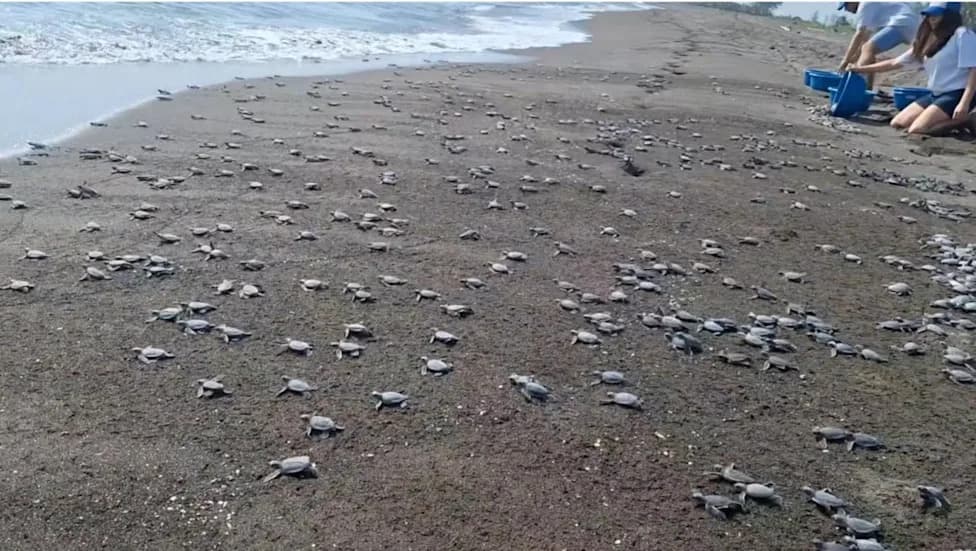
Aelin’s release is one of many recent rescues and rehabilitations that show the frequency and severity of human-caused injuries to sea turtles. Other notable responses include rehabilitation after propeller strikes in Delaware, releases following recovery in North Carolina, disentanglement of a juvenile in Florida, and rescue and treatment of turtles affected by plastic debris in the Canary Islands.
Thanks to rapid response and ongoing care, turtles with shell defects can often survive and thrive for years in the wild. Aelin’s recovery is a hopeful example of that possibility — and a reminder that simple precautions by boaters can prevent future injuries.
Help us improve.