The American chestnut was once a dominant Appalachian forest tree but was decimated by chestnut blight after 1904. Traditional hybrid-breeding efforts have been slow, and an early genetic-engineering strategy using the wheat OXO gene initially showed promise but later revealed health problems in field trials. New genomic tools — genome-guided breeding, omics analyses and precise gene editing such as CRISPR — offer complementary paths to restore resistance, though technical, regulatory and market barriers remain. Continued research aims to refine transformation methods and use surviving resistant trees to guide restoration.
Genomics and Gene Editing Offer New Hope — Can They Restore the American Chestnut?
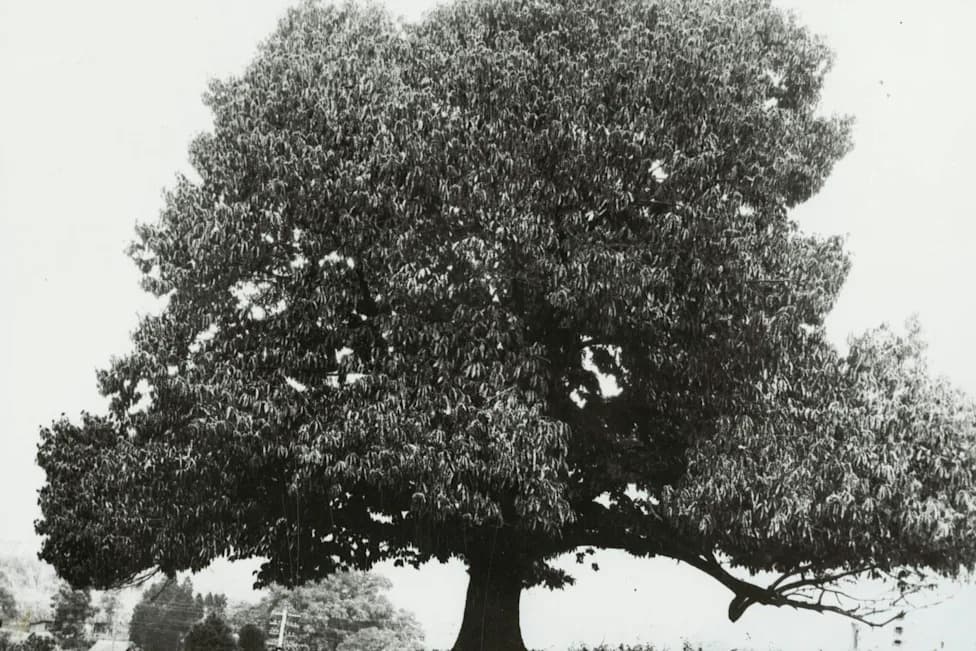
American chestnuts were known as the 'redwoods of the East.'National Archives and Records Administration, NAID: 7030668
The American chestnut was once a defining giant of many Appalachian forests, commonly reaching 50–100 feet (15–30 m) and occasionally growing as tall as 150 feet (45 m). Its broad canopy provided shade and scenic value from Maine to Mississippi; its nuts fed wildlife, Indigenous peoples and settlers; and its rot-resistant wood was prized for lumber.
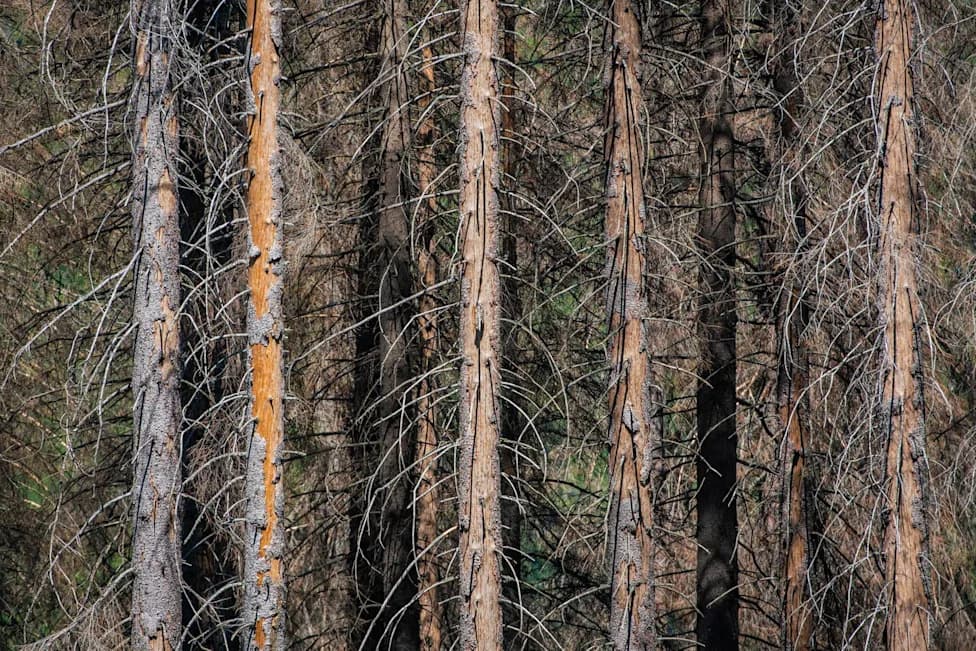
Scientists first identified the chestnut blight fungus in New York City in 1904 after mature trees began dying at the Bronx Zoo. Over ensuing decades the disease spread through the species' native range, killing nearly every mature American chestnut and leaving large stands of dying and resprouting trees.
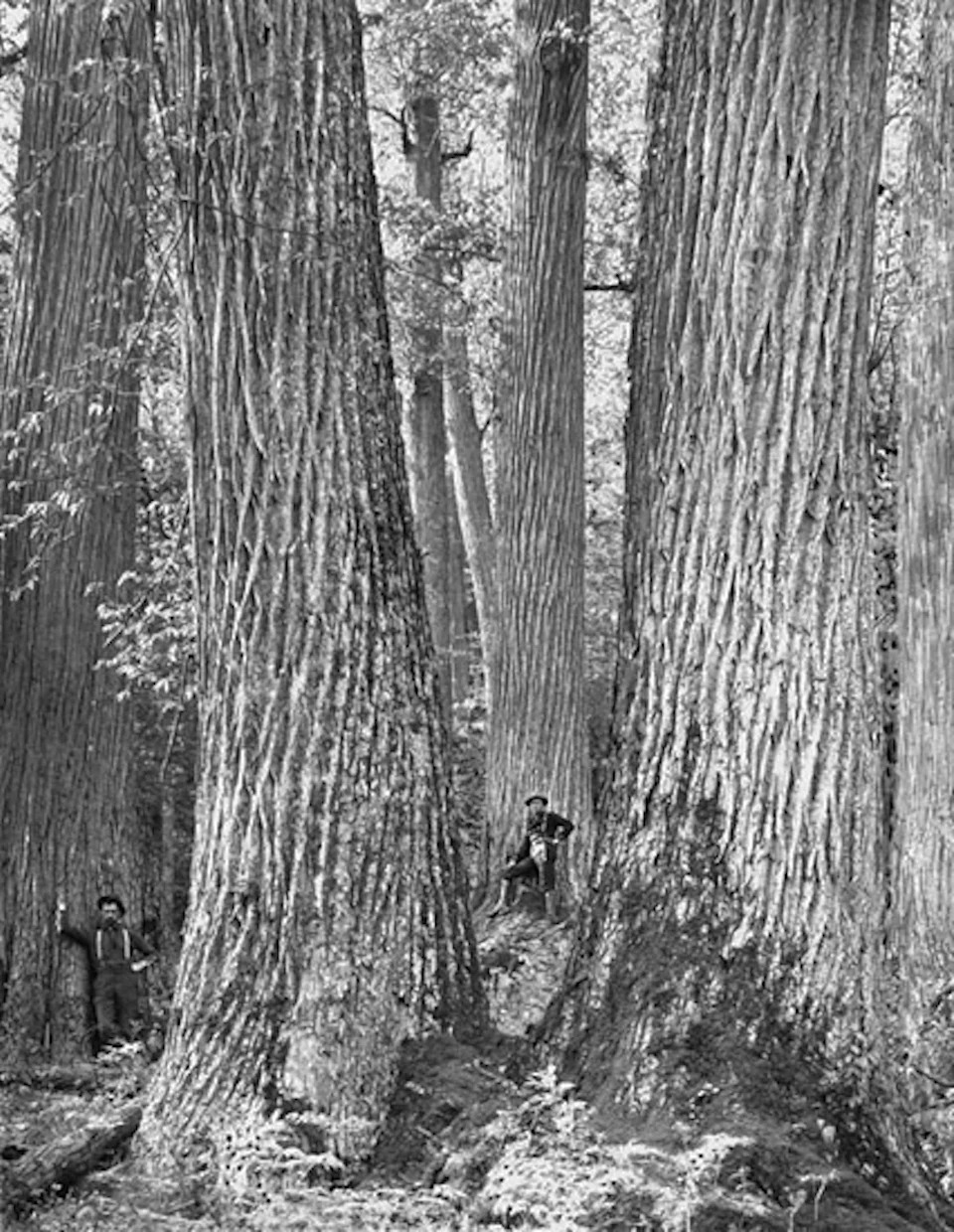
Healthy American chestnuts were giants in the forest.Forest History Society, Durham, N.C.
Traditional Breeding Efforts
For almost a century, foresters, conservationists and researchers — many associated with The American Chestnut Foundation — have sought to restore the species. The primary conventional tactic has been hybrid breeding: cross American chestnuts with naturally resistant Asian chestnuts, then backcross to recover American form while retaining resistance. Because true resistance is rare in the American chestnut, progress has been slow and painstaking.
Genetic Engineering: The OXO Story
One of the first genetic-engineering strategies inserted a single gene from bread wheat that encodes oxalate oxidase (OXO). OXO breaks down oxalic acid, a key fungal toxin, and for roughly two decades trees carrying OXO appeared to show strong blight tolerance. This approach was pioneered by the late William Powell and colleagues at SUNY ESF in Syracuse.
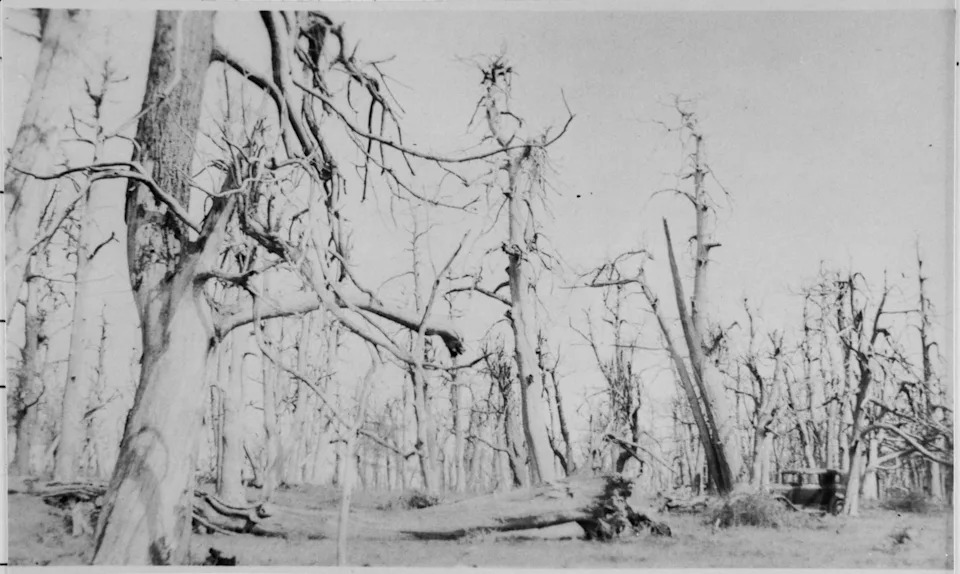
A ghost forest of blighted American chestnuts.Library of Congress Prints & Photographs Division
However, recent field trials revealed unexpected problems: many OXO trees developed large abnormal growths (galls), showed slowed growth and other health issues. These findings underscore the limits of relying on a single transgene and highlight the need for complementary strategies and longer-term field evaluation.
Genomics-Guided Breeding and 'Omics'
Advances in genomics now let researchers identify thousands of DNA segments associated with blight resistance. Genome-guided breeding uses those markers to rapidly select parent trees and seedlings that carry combinations of favorable segments, speeding progress because breeders no longer have to wait years for maturity to evaluate disease outcomes.
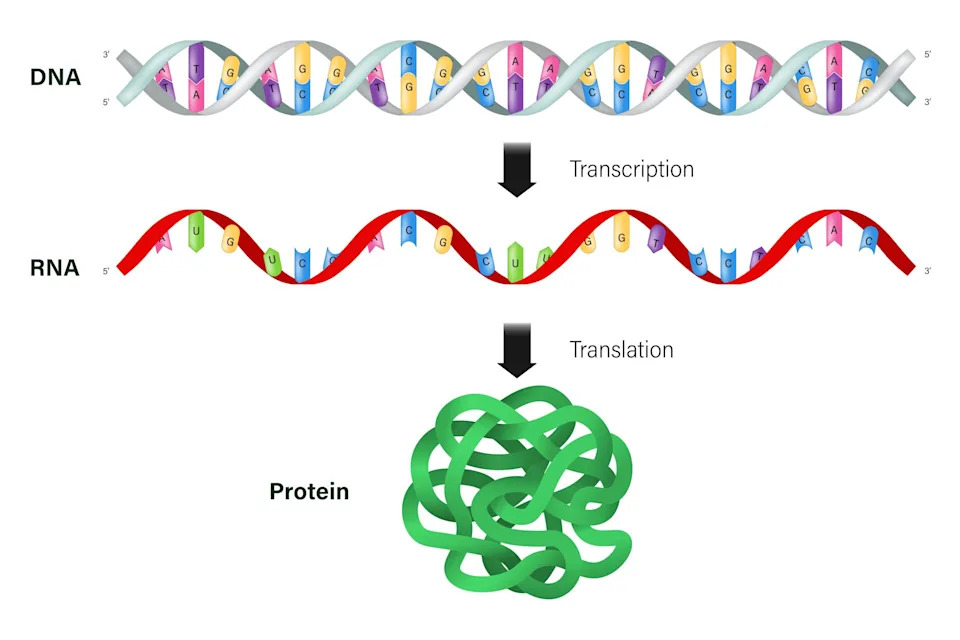
An 'omics' approach looks at the genes, the mRNA transcripts and the proteins that the transcripts direct the cell to make.Rujirat Boonyong/iStock via Getty Images Plus
The broader 'omics' approach — integrating DNA, RNA (gene expression), proteins and metabolites — helps identify the genes and pathways that underlie resistance. Scientists have identified numerous candidate genes and expressed molecules in Asian chestnuts that are statistically associated with resistance. These become logical targets for genetic transformation or gene editing to make American chestnut genes act more like resistant variants.
Gene Editing and Transformation
Efficient gene-editing tools such as CRISPR make it feasible to precisely modify American chestnut genes or introduce resistant alleles from related species. Transformation and editing enable creation of mechanisms not accessible via traditional breeding, but they come with technical hurdles. Chestnut tissues are often difficult to transform, and regenerating whole, healthy trees from transformed cells can be challenging. Many past methods depend on developing-seed tissues available only seasonally and require specialized culture techniques.
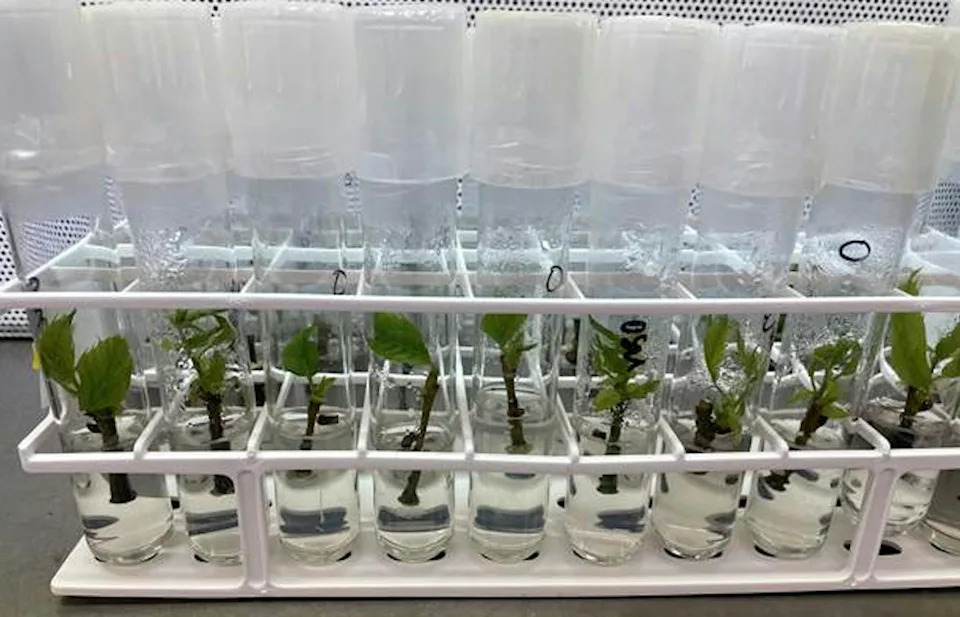
American chestnut shoots propagated in tissue culture, ready for use in transformation experiments. Steven Strauss
Researchers, including the author’s laboratory, are developing improved transformation workflows to reduce these bottlenecks and enable more robust, year-round experimentation.
Regulatory, Market and Practical Barriers
Transformation-based trees face strict regulatory oversight in many jurisdictions. In the United States, genetically modified trees produced with many transformation methods are subject to containment and federal inspections during field trials; uncontrolled pollen or seed movement from mature trees is difficult to prevent and can violate regulations. These constraints likely contributed to delayed discovery of the health problems in OXO lines.
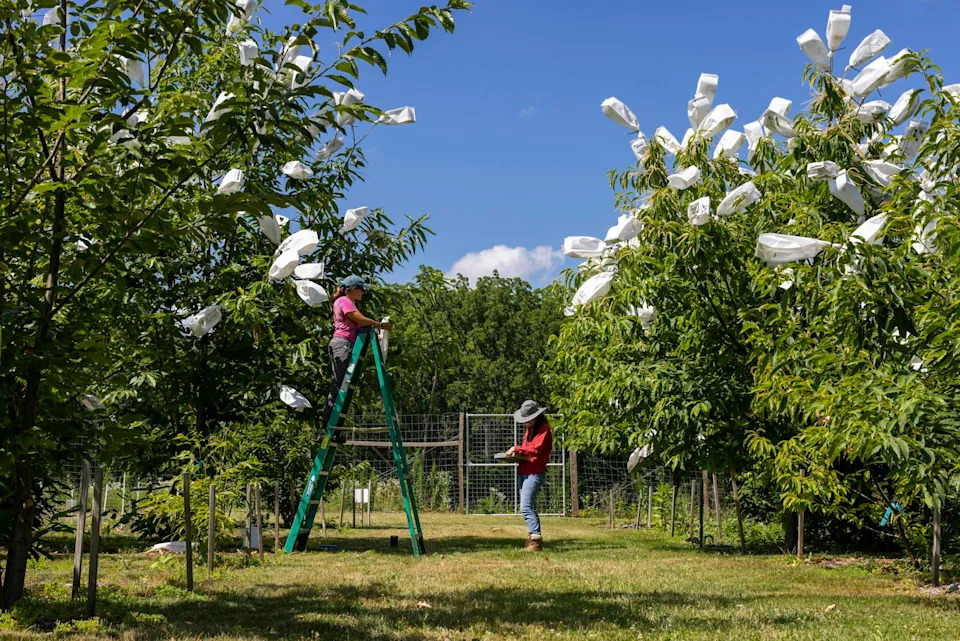
Researchers pollinate flowers on American chestnut trees at a field research station.Lauren Petracca/The Washington Post via Getty Images
The U.S. Department of Agriculture has begun reconsidering regulatory policies for certain genetic-engineering techniques, which may ease field-testing burdens if policy changes are implemented and survive legal scrutiny. Market barriers also constrain deployment: major green-certification organizations (for example, the Forest Stewardship Council) currently restrict materials derived from transformation approaches, limiting where such trees could be grown commercially and dampening private investment.
Complementary Paths and Future Prospects
Genome-guided breeding and targeted genetic transformation are complementary: marker-assisted selection improves traditional breeding efficiency, while transformation and editing provide tools to introduce resistance mechanisms not present in breeding populations. Genomic study of rare surviving large American chestnuts that show heritable resistance can inform both approaches.
As a scientist working on tree genomics and biotechnology for more than 40 years, I am optimistic that combining these tools — improved transformation methods, omics insights, genome-guided breeding and responsible gene editing — can help restore the American chestnut and bolster resilience in other tree species threatened by exotic pathogens and climate change.
Author: Steve Strauss, Oregon State University
Disclosure: The author’s laboratory receives research funding from government and industry sources, including the National Science Foundation, USDA and DOE, and the author has consulted with The American Chestnut Foundation and supervised grant reviews related to chestnut programs.
Help us improve.