The USDA has deregulated Darling 54, a blight-tolerant American chestnut developed at SUNY ESF that carries a wheat gene producing oxalate oxidase to counter chestnut blight. The ruling removes a major regulatory barrier but does not replace the Environmental Protection Agency's approval, which is still required before public release. Some groups, including The American Chestnut Foundation, have urged longer-term testing after reporting possible gene disruption and weaker growth. Parallel conventional breeding programs continue as alternative restoration pathways.
USDA Deregulates Blight-Resistant 'Darling 54' Chestnut, Renewing Hope — But Questions Remain
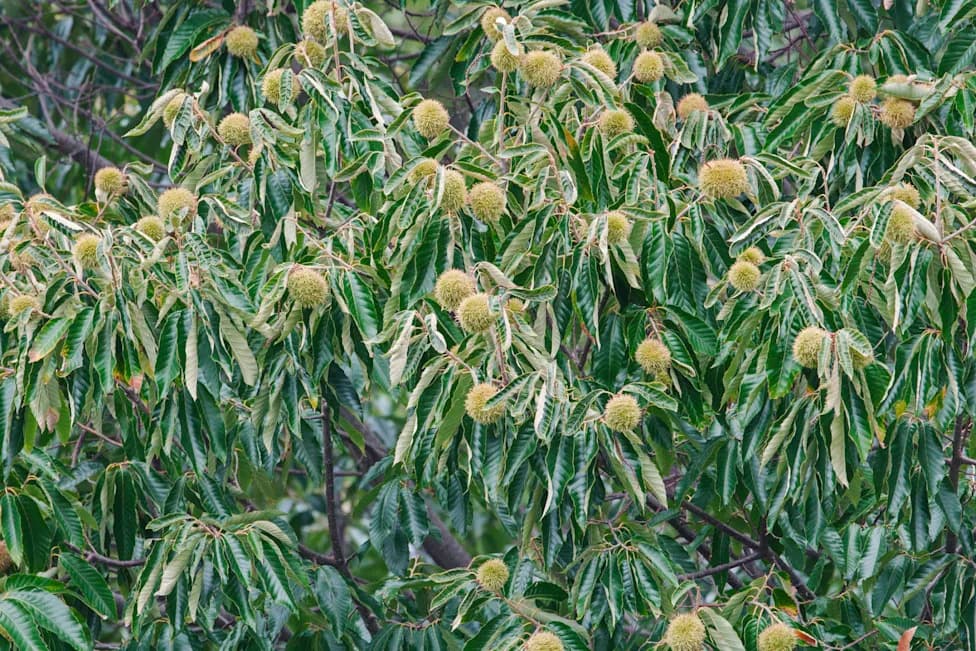
Photo Credit: iStock
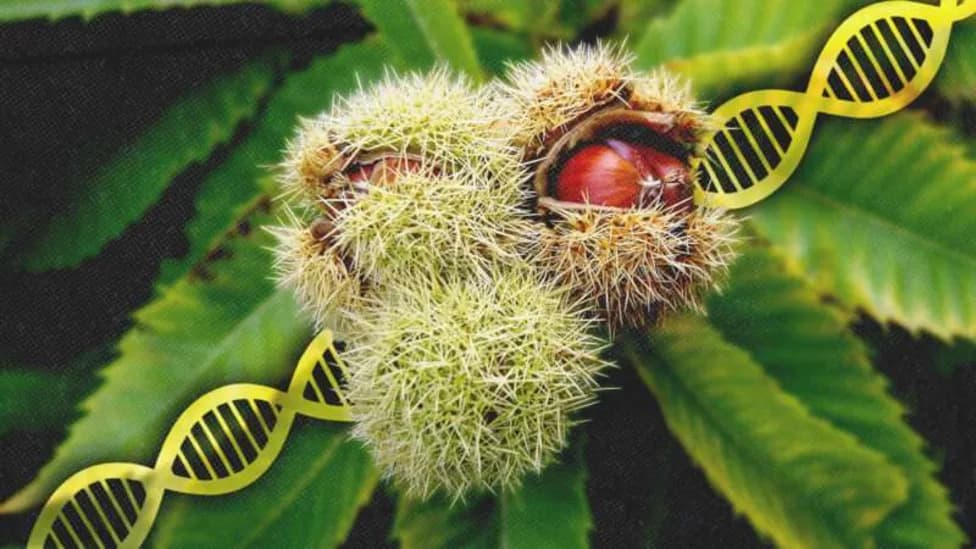
The United States Department of Agriculture has deregulated Darling 54, a blight-resistant American chestnut developed at SUNY College of Environmental Science and Forestry (SUNY ESF). The decision removes the tree from the USDA's plant-pest regulations, clearing a major regulatory hurdle and rekindling hopes that the species could someday reclaim parts of its former Eastern U.S. range.
Background: A Lost Giant
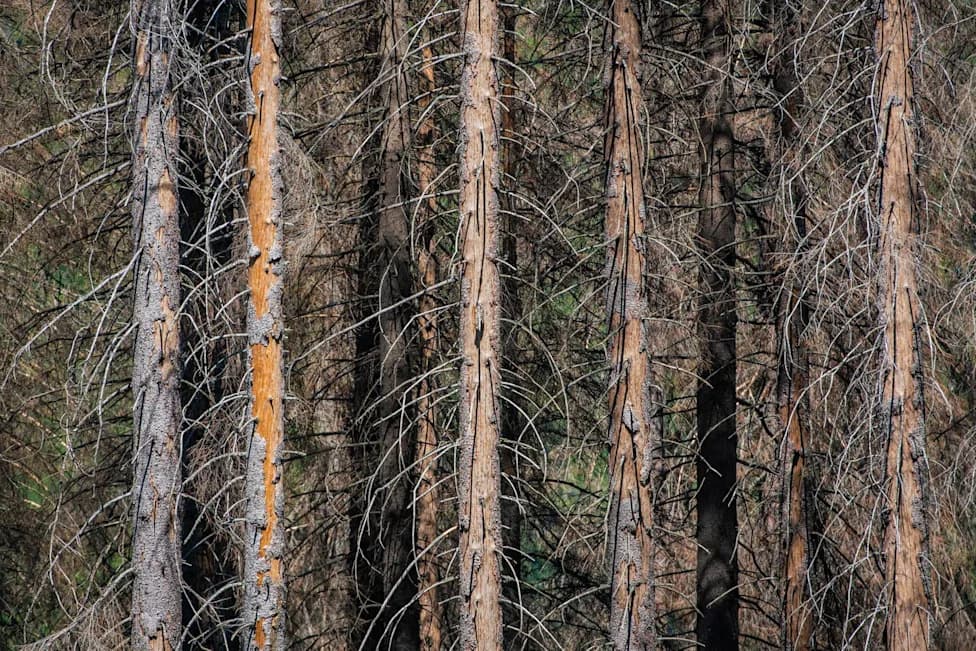
American chestnuts once numbered an estimated 4 billion trees, spanning from Ontario to Mississippi. After scientists identified the chestnut blight fungus at New York's Bronx Zoo in 1904, the pathogen spread rapidly and had eliminated most mature native chestnuts by the 1950s.
What Darling 54 Is—and How It Works
Darling 54 was engineered by inserting a gene from wheat that encodes the enzyme oxalate oxidase. That enzyme helps break down oxalic acid produced by the blight fungus, reducing the pathogen's ability to kill chestnut tissue and improving the tree's tolerance to the disease.
"Our 'Darling' chestnuts are an important step in the big picture of chestnut reintroduction. They tolerate blight better than any other fully American chestnuts we've tested, so they can help restore some of the ecological relationships that were lost to this disease."
—Andrew Newhouse, Director, ESF American Chestnut Research and Restoration Project
Support, Concerns, and Ongoing Debate
Some scientists and conservation advocates see the USDA decision as a milestone for biotechnology used in ecological restoration. Emma Kovak of the Breakthrough Institute called it the first USDA deregulation of a genetically engineered organism explicitly aimed at ecosystem recovery.
But the decision is not unanimous. In 2023, The American Chestnut Foundation withdrew its support, reporting to USDA regulators that the inserted wheat gene appears to have disrupted another gene. The foundation said that disruption may be linked to weaker growth and lower survival in some trials and urged longer-term testing to confirm both safety and durability of resistance.
Next Steps and Remaining Hurdles
Deregulation by the USDA does not by itself allow public distribution. Darling 54 trees also require approval from the Environmental Protection Agency before they can be sold or widely planted. Field performance under real forest conditions, multi-year monitoring, and transparent engagement with landowners and the public will be essential before large-scale restoration begins.
Parallel Approaches
Meanwhile, conventional restoration efforts continue. The American Chestnut Foundation pursues a long-running breeding program that crosses American chestnuts with blight-tolerant Chinese chestnuts and uses genomic selection to identify offspring that retain strong American traits while gaining disease resistance. Because that method uses traditional breeding, it does not require the same federal deregulation process.
Why This Matters
The debate over Darling 54 highlights broader questions about using biotechnology for conservation: balancing the potential to restore ecosystem functions quickly against the need for rigorous long-term testing, stewardship, and public trust. The ultimate test for Darling 54 will be survival and resistance across diverse forest settings over many years.
Bottom line: USDA deregulation is a major regulatory milestone for Darling 54, but EPA approval, extended field trials, and careful monitoring remain critical before the American chestnut can be considered restored at scale.
Help us improve.