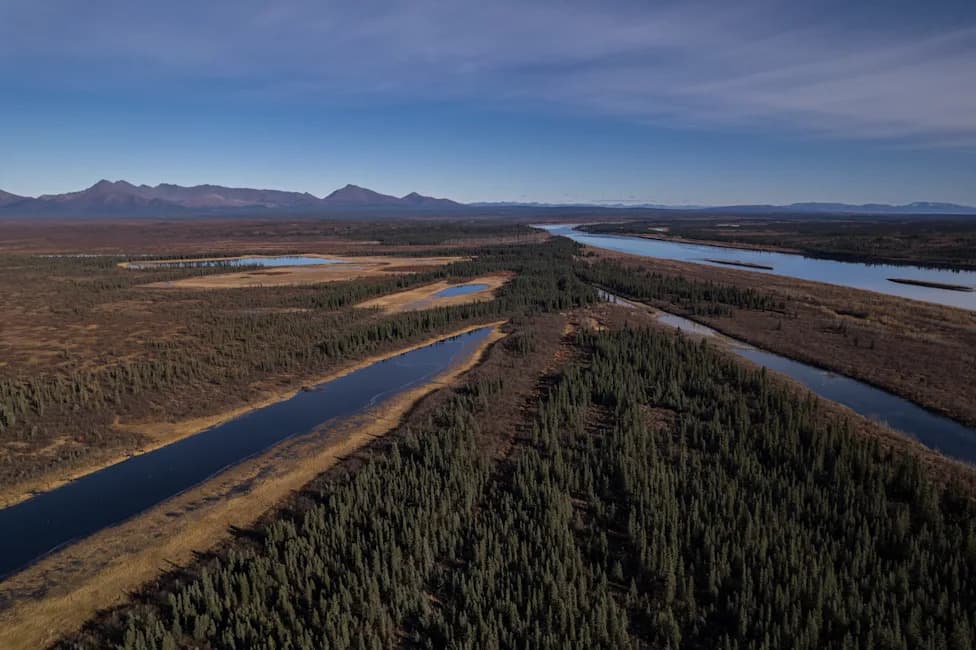
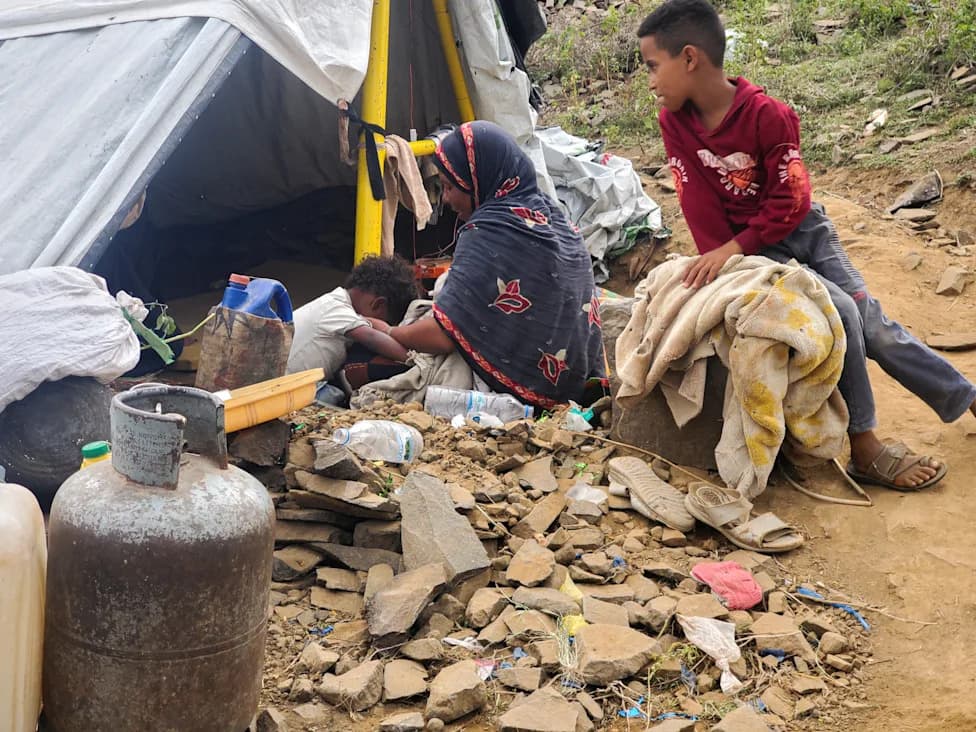
A study in Nature Ecology & Evolution analyzed records from about one million trees across the U.S. and parts of Canada and found roughly 60% could face a 30% rise in insect pressure by 2050. Milder winters and altered moisture patterns let invasive and native pests survive longer, reproduce faster or avoid fungal controls, increasing tree mortality—especially in cold, wet regions. Key threats include the woolly adelgid, balsam woolly adelgid, spruce beetle and spongy moth. Researchers say their maps can guide managers to monitor hot spots, build defenses and plant hardier species.
Tiny Invaders Are Devastating North America’s Forests — Some Trees Could Disappear by 2040
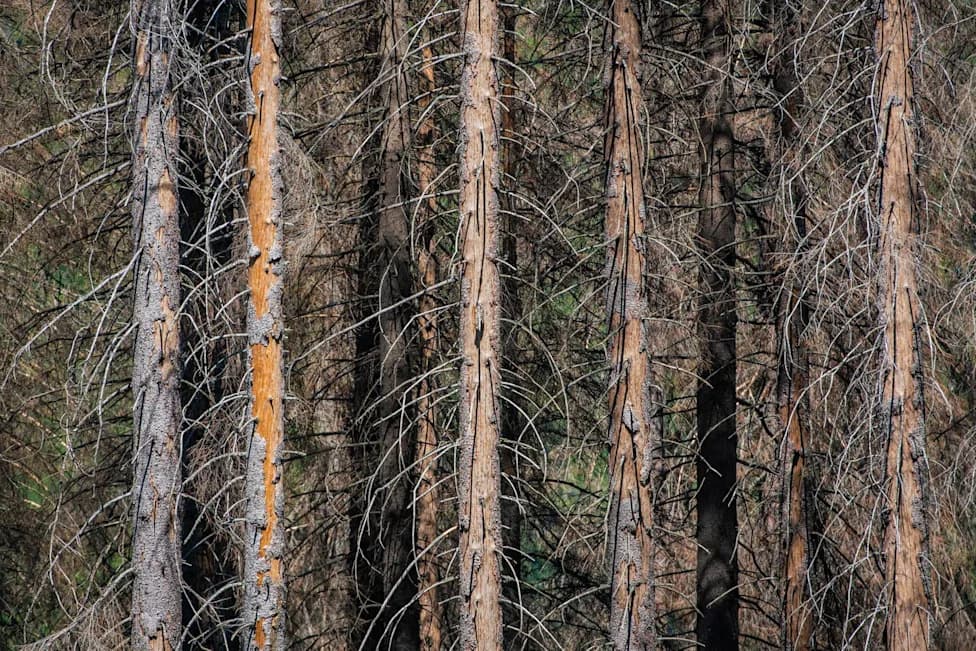
Tiny Invaders Could Destroy America's ForestsSimone Padovani - Getty Images
Trees are among humanity’s most powerful allies against climate change: they cool cities, store carbon and filter water. But a growing army of tiny pests—helped by warmer winters and shifting moisture patterns—is putting vast swaths of North American forests at risk.
A major analysis published in Nature Ecology & Evolution examined records from roughly one million trees across the United States and parts of Canada and found that about 60% of those trees are projected to face a 30% increase in insect pressure by 2050. Warmer temperatures and milder winters let many pests survive longer and reproduce faster, while changed moisture regimes can weaken natural fungal controls. The result: rising outbreaks, expanding ranges and higher tree mortality in many regions.
How Climate Change Supercharges Pests
Milder winters fail to kill off overwintering insects, increasing survival rates. In some areas, faster life cycles allow more generations per year. In other places, drier and hotter conditions limit fungi and other biological controls that normally dampen pest populations.
Key Pests Highlighted
Woolly Adelgid (Adelges tsugae): Introduced from Asia in the early 20th century, this tiny, aphid-like insect feeds on the sap of hemlock and related species. In its native range, predators and parasites keep it in check, but in the eastern U.S. it has devastated hemlock stands. Historically, very cold winters reduced adelgid numbers; warmer winters mean higher survival and more damage.
Balsam Woolly Adelgid (Adelges piceae): A threat to northern and mountain firs such as subalpine fir (Abies lasiocarpa), the balsam woolly adelgid similarly benefits from milder winter conditions.
Spruce Beetle (Dendroctonus rufipennis): Native to Alaska and western Canada, this beetle normally helps recycle old and weakened trees. But when winters are warmer and summers can be drier, the beetle’s life cycle accelerates and outbreaks can explode, leaving expanses of dead black spruce and adding fuel for more intense wildfires.
Spongy Moth (Lymantria dispar): Defoliating hardwoods across the eastern and midwestern U.S., the spongy moth’s outbreaks may expand as hotter, drier conditions limit fungi that historically helped suppress its populations (a finding supported by related research published in Nature Climate Change).
"The forests that exist today aren't going to be ones existing in 2040," said Jonathan Davies of the University of British Columbia. "The process is happening already. I think we've got to put everything on the table because the status quo is no longer tenable."
Impacts and Responses
Increased insect-driven tree mortality affects carbon storage, biodiversity, timber resources and wildfire behavior. But the study’s maps and projections are intended to be practical tools: managers and policymakers can use them to prioritize monitoring, install pest barriers, target treatments and identify areas where planting more resilient species—or assisted migration—may reduce future losses.
Protecting forests will require a mix of early detection, on-the-ground management, landscape-scale planning and broader climate mitigation. Forests helped shape habitable conditions for humans; investing in their health is both an ecological necessity and a pragmatic climate strategy.
Help us improve.