The deposit of more than 12,000 metric tons of orange peels on a 3-hectare degraded pasture in northwest Costa Rica catalyzed dramatic recovery over about 17 years. Researchers recorded a 176% increase in aboveground biomass, richer soils, greater plant diversity (around two dozen species), and large trees. The study — published in Restoration Ecology — suggests that carefully managed, science-based uses of nutrient-rich food waste could be an affordable tool for restoring degraded tropical landscapes and boosting carbon sequestration.
How 12,000 Tons of Orange Peels Helped Turn a Barren Costa Rican Pasture Into Forest
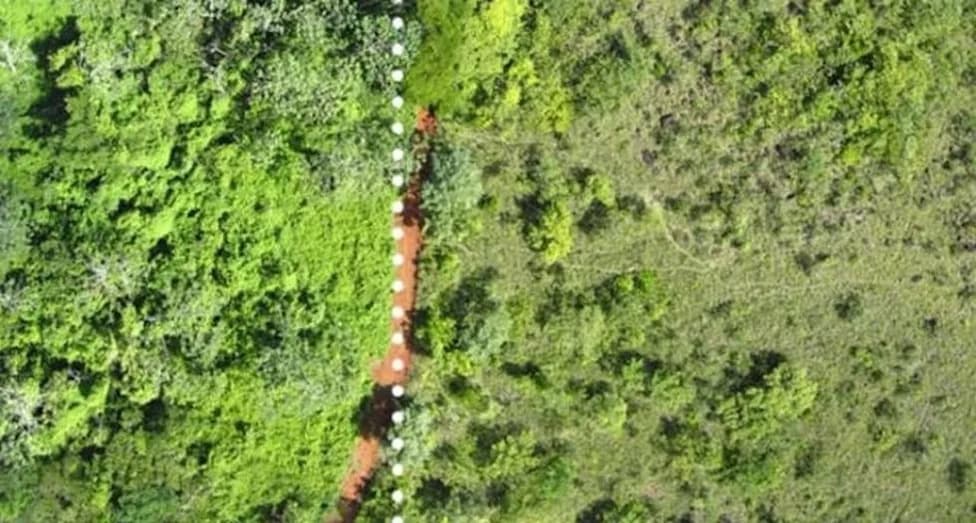
A before and after view of the experiment
In the late 1990s, ecologists Daniel Janzen and Winnie Hallwachs struck an unconventional deal with Del Oro, a Costa Rican juice company: the company would donate a tract of intact forest to the Área de Conservación Guanacaste reserve, and in return the park would allow Del Oro to deposit its discarded orange peels and pulp on a nearby, heavily grazed, deforested pasture.
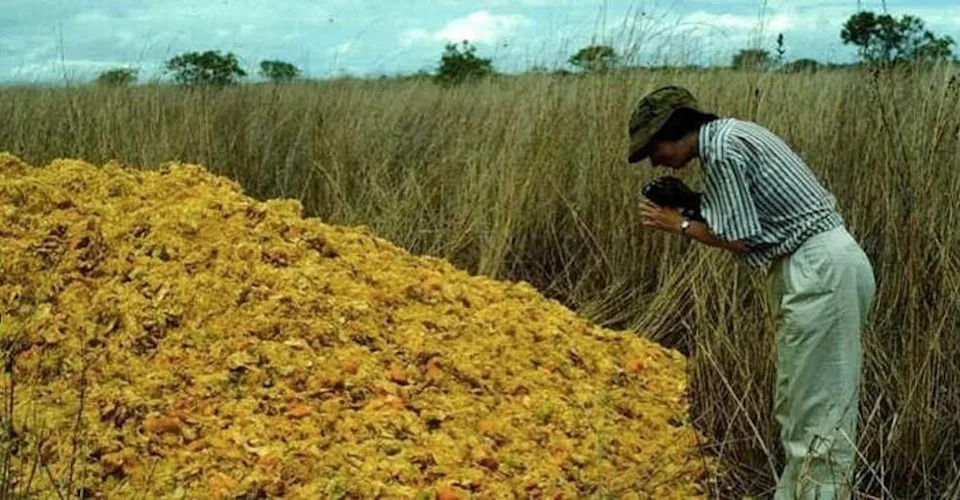
The first deposit of orange peels in 1996. Photo by Dan Janzen.
Within a year roughly 1,000 truckloads—more than 12,000 metric tons of sticky orange waste—were spread across the exhausted 3-hectare (about 7-acre) plot. The project was halted after two years when a rival firm sued, and Costa Rica’s Supreme Court ultimately ruled against the practice. For more than a decade the plot went largely unstudied.
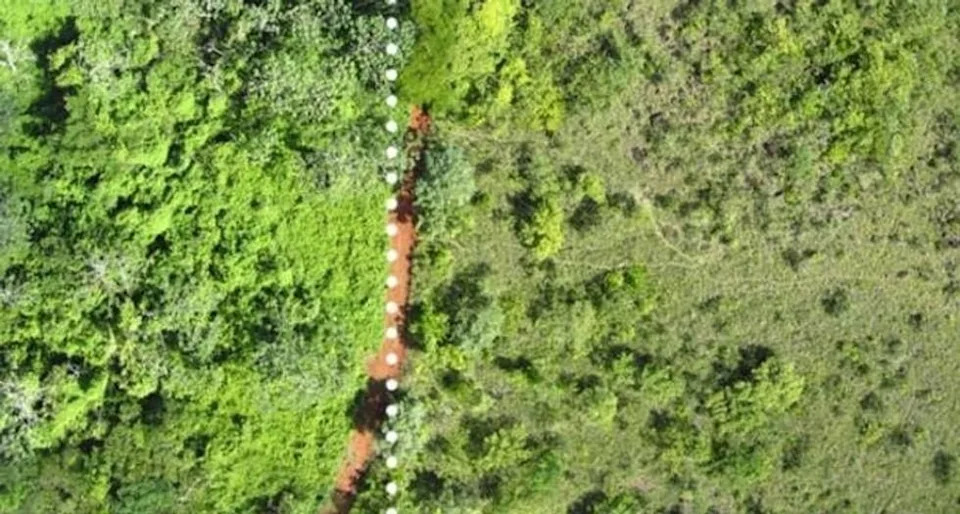
The site of the orange peel deposit (L) and adjacent pastureland (R). Photo by Leland Werden.
Rediscovery and Research
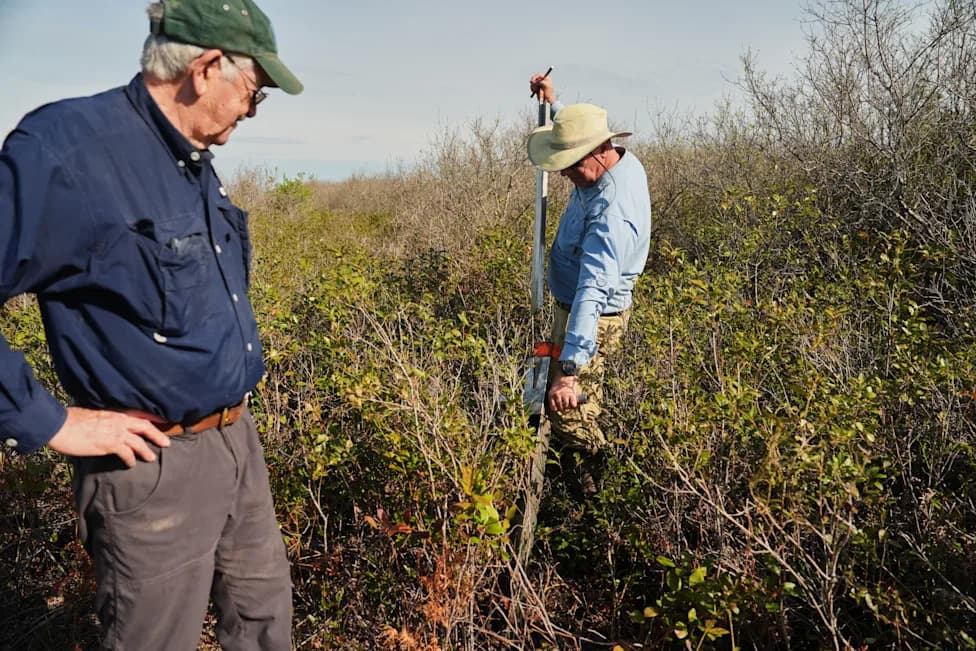
Sixteen years later, graduate student Timothy Treuer, working with Daniel Janzen and a team from Princeton University, sought out the dump site. He expected to find a conspicuous yellow sign marking the plot, but thick regrowth hid it. What he did find was startling: compared with adjacent former pastureland, the orange-peel plot had become densely vegetated and resembled a young forest.
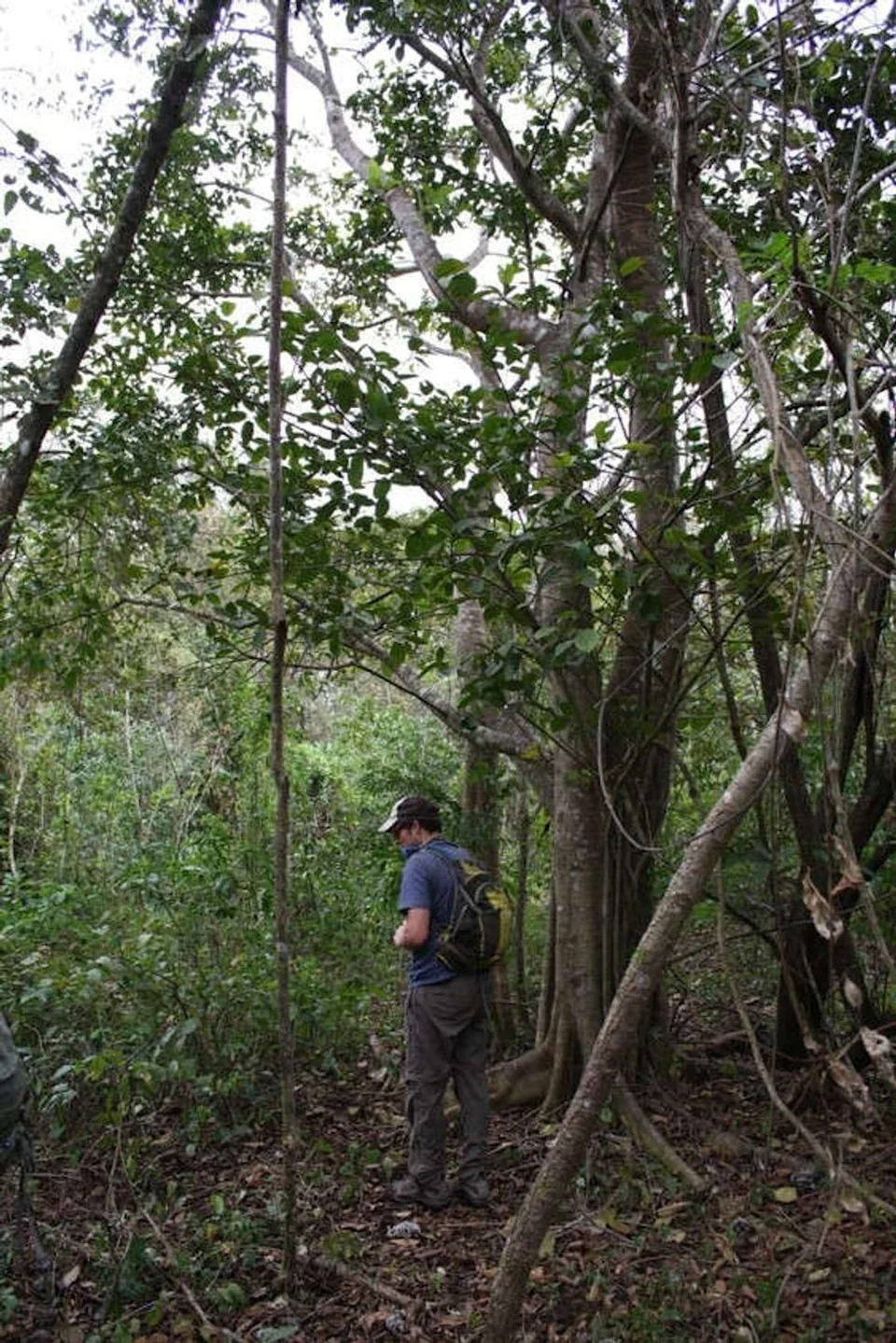
Lab technician Erik Schilling explores the newly overgrown orange peel plot. Photo by Tim Treuer.
Over the next three years the team conducted measurements and ecological surveys. Their results, published in Restoration Ecology, documented striking recovery metrics: a 176% increase in aboveground biomass (the woody mass of trees) within the 3-hectare study area and a jump from a single dominant tree species on the adjacent pasture to roughly two dozen species on the treated plot.
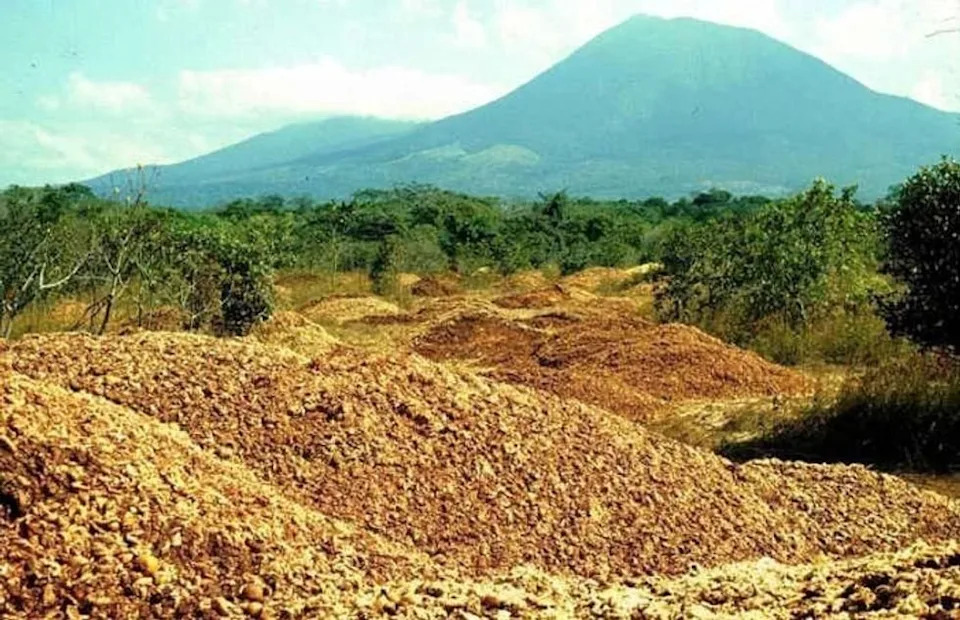
The site after a deposit of orange peels in 1998. Photo by Dan Janzen.
Ecological Effects
Researchers reported improved soil quality, a more developed canopy, notable wildlife (including a tayra, a dog-sized member of the weasel family), and large trees—one fig with a trunk roughly three feet in diameter. The regrowth was so vigorous that the original seven-foot sign was eventually found buried beneath vines and shrubs.
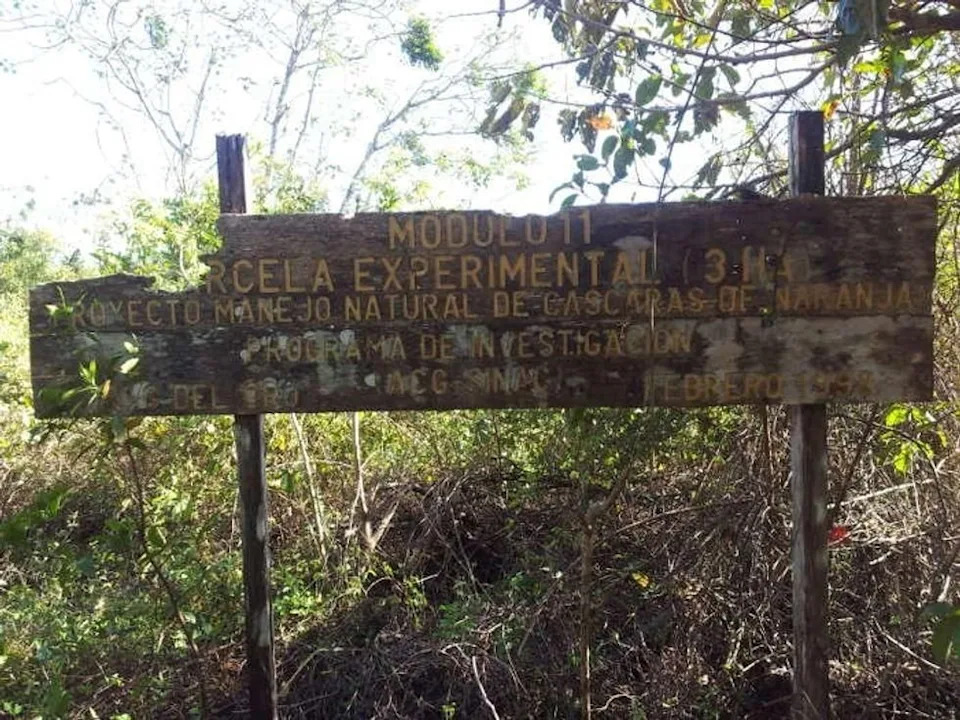
The sign after clearing away the vines. Photo by Tim Treuer.
These results align with growing interest in secondary tropical forests—ecosystems that regrow after disturbance—which can sequester carbon rapidly during early recovery. A 2016 Nature study found that young secondary forests can absorb carbon at rates far higher than mature old-growth stands during regrowth phases.
Implications and Cautions
The study suggests that carefully managed, scientifically guided applications of nutrient-rich organic waste—such as fruit peels—could be a low-cost tool to accelerate forest recovery on degraded lands. Treuer and colleagues emphasize the need for controlled, evidence-based trials rather than uncontrolled dumping. Proper oversight by restoration ecologists and regulators would be essential to avoid unintended ecological or legal consequences.
Future research should test whether similar nutrient amendments aid recovery in other ecosystems—dry forests, cloud forests, and tropical savannas—and evaluate long-term effects on biodiversity, soil health, and carbon storage.
Conclusion: What began as an offbeat experiment and an uneasy legal compromise became a compelling, low-cost case study in forest restoration. The humble orange peel helped catalyze a transformation from degraded pasture to thriving secondary forest over roughly 17 years.
Help us improve.