Ross Reid (Nerdy About Nature) argues that intact old-growth forests act as living infrastructure, storing moisture and reducing wildfire risk in ways uniform replanted stands often cannot. He explains that diversity in species, tree ages, sizes and spacing builds resilience, while industrial clear-cutting and uniform replanting reduce genetic diversity and increase tree stress. Reid recommends protecting remaining old growth and restoring simplified second-growth to improve structure and diversity, while noting restoration cannot fully replace intact forests.
Old Growth vs. Replanted Forests: Why Mature Forests Do the Heavy Lifting
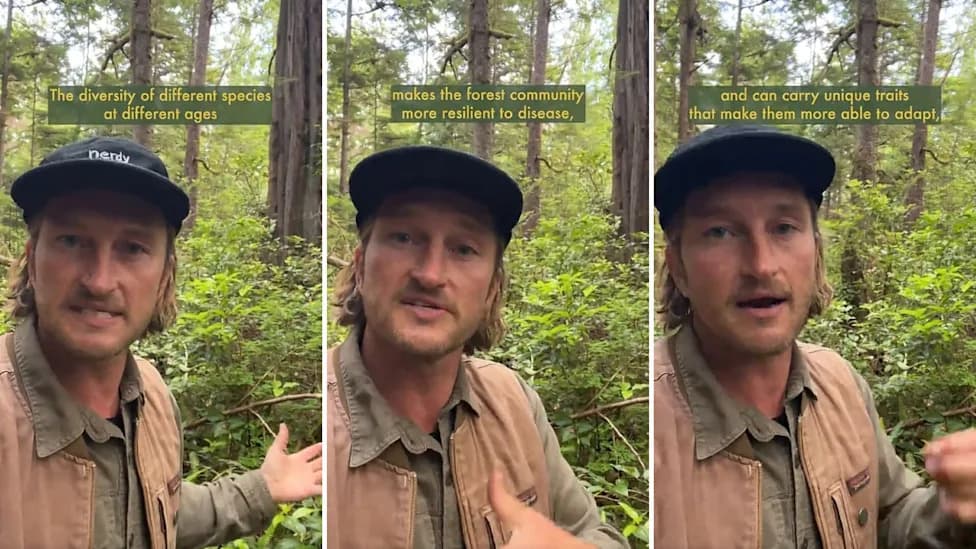
Photo Credit: TikTok
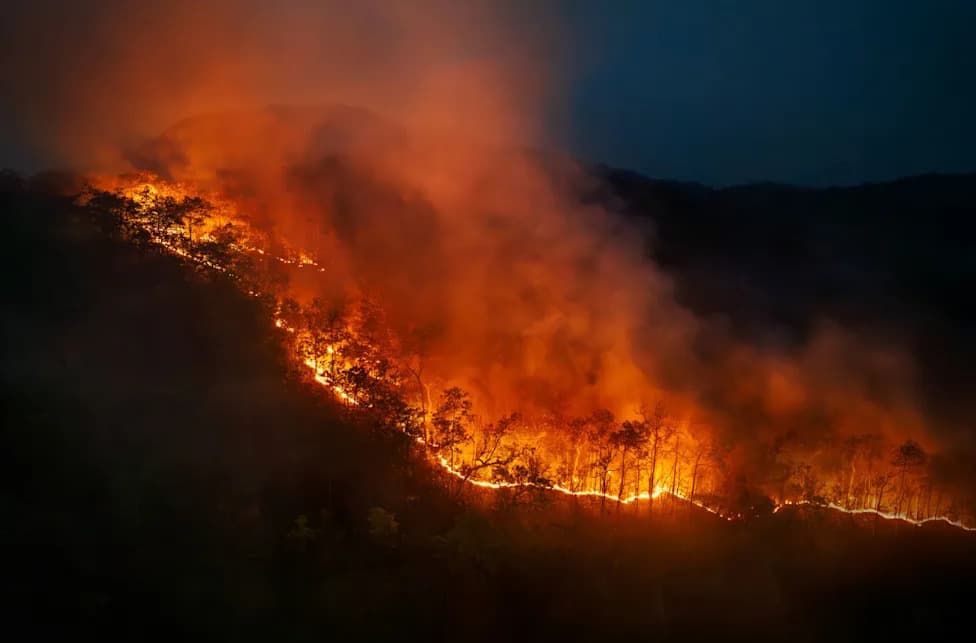
When people picture old-growth forests, they often imagine wildlife and scenic views. But nature communicator Ross Reid (Nerdy About Nature) argues these forests are more than beautiful—they function as living infrastructure that stores moisture, stabilizes watersheds and helps landscapes resist wildfire.
Why Old Growth Matters
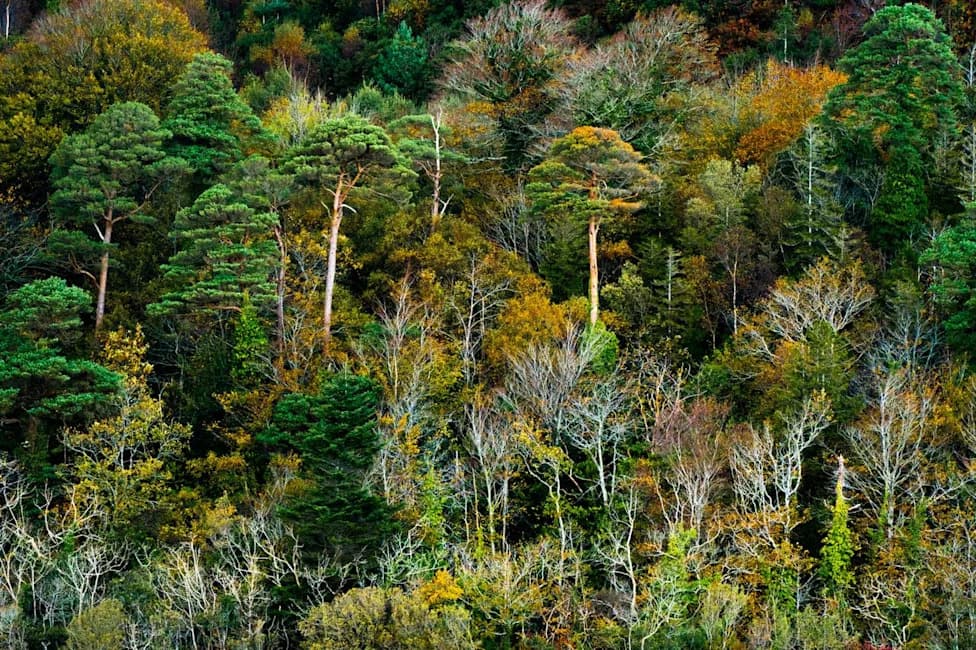
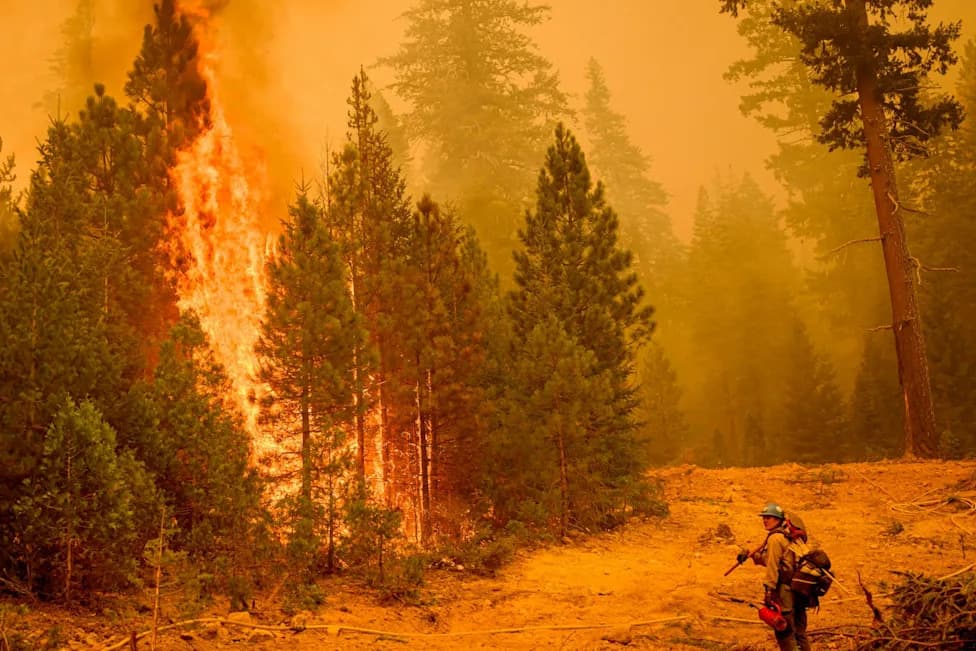
In a TikTok video, Reid explains that forests with a mix of tree species, a broad range of ages and sizes, and varied spacing develop ecological complexity that supports resilience. Older, larger trees—often with thick bark—are better able to survive fire, while a layered canopy and uneven spacing reduce the overall intensity and spread of fire. Those same structural traits help forests hold moisture, moderating stream flows and lowering water-security risks for nearby communities.
What Replanting Often Misses
Reid contrasts intact old growth with clear-cut areas that were replanted and now resemble uniform second-growth stands. Dense, evenly spaced plantings commonly rely on a narrower seed stock, which reduces genetic diversity. This uniformity increases competition for light and nutrients, raising stress on trees and making them more vulnerable to disease, insects, drought and fire.
“Green cover alone does not guarantee the same moisture retention, fire resistance or climate resilience as intact, complex forests,” Reid says.
Practical Steps Forward
Reid proposes a two-part approach: first, prevent further loss of remaining intact old-growth forests; second, actively restore simplified second-growth stands. Ecological restoration can improve species mix, spacing and the range of tree ages in younger forests, which rebuilds some complexity over time. However, Reid stresses that restoration is no substitute for preserving intact forests in the first place.
Global Examples And Everyday Choices
Conservation work around the world echoes Reid's message. For example:
- Canada: Studies show old-growth and second-growth plantations differ in moisture retention and fire resilience.
- Nigeria: One of the country’s last old-growth forests faces mounting deforestation pressure.
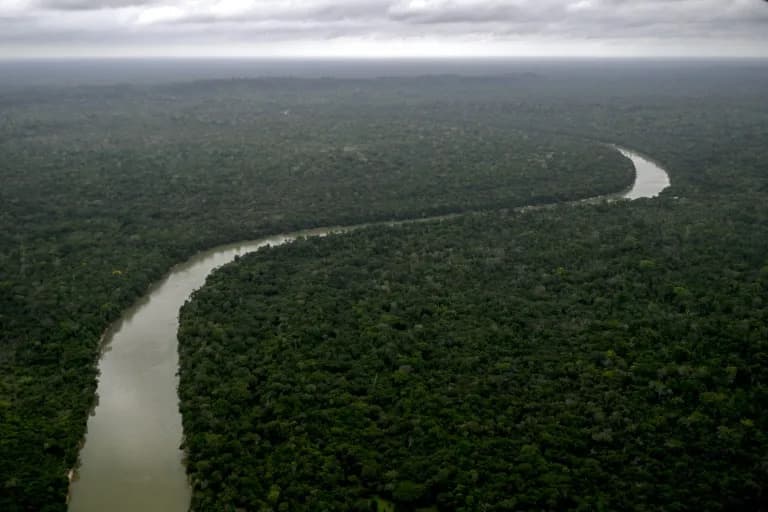
- Amazon Basin: Indigenous-led restoration is returning shade, cooler microclimates and greater ecological function.
The story also highlights simple homeowner mistakes that can harm urban trees—like leaving plastic tree guards on too long or using “volcano” mulching around trunks—which reinforce the broader point: how we manage trees at every scale affects resilience.
Bottom line: Replanted green cover can look healthy at a glance, but structure, diversity and local adaptation determine whether forests can store water, withstand fire and help communities adapt to climate change.
Help us improve.